





Cased Art Deco Silver
These cased art deco silver sets and individual items offer refined period utility and preserved presentation for the collector.
Cased Art Deco Silver
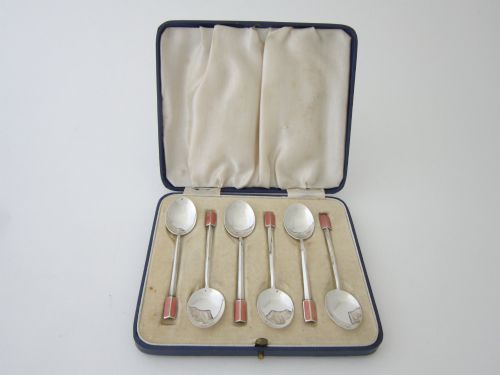
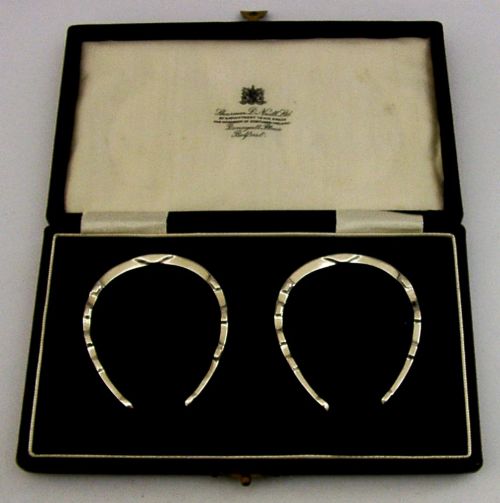
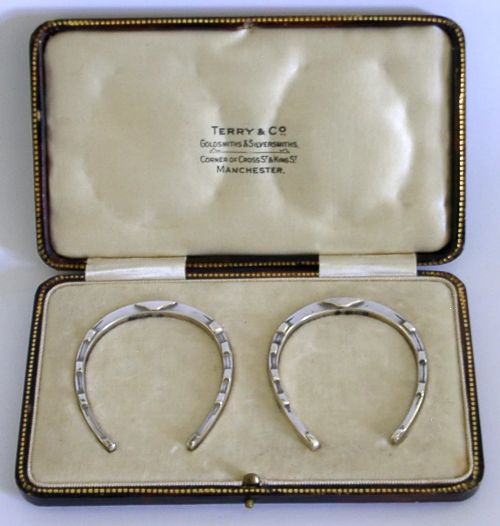
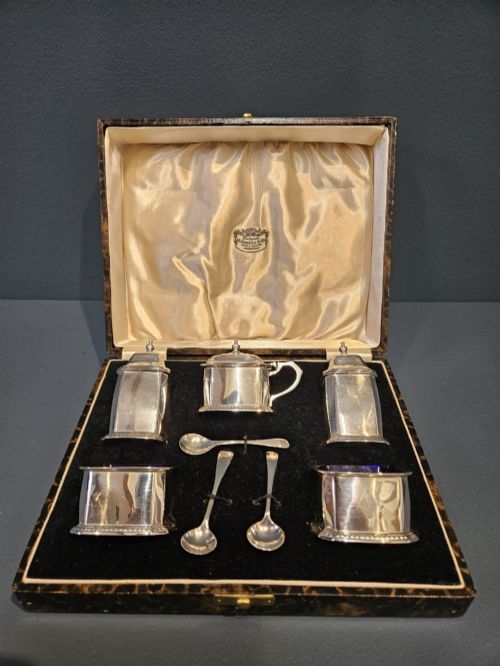
When searching for cased art deco silver, buyers encounter fitted presentation boxes containing items designed for dining, grooming, and personal accessories. Common survivals include sets of teaspoons, cake forks, napkin rings, condiment cruets, and cocktail stick sets alongside powder compacts and cigarette cases.
The objects frequently originate from British assay offices in Birmingham, Sheffield, and London, alongside continental European workshops from Norway and Germany. Production dates cluster heavily in the interwar decades, particularly the nineteen twenties and nineteen thirties, though Edwardian and nineteen forties examples also appear.
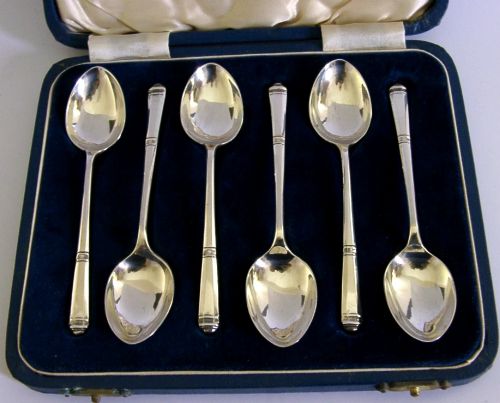
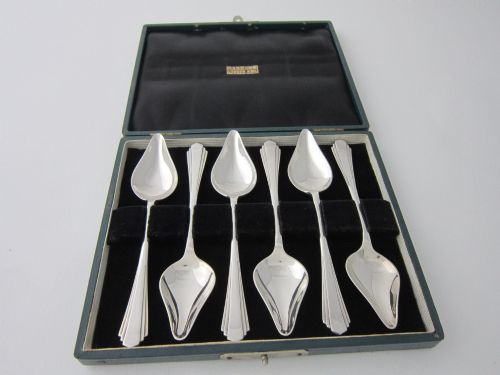
Sets remain protected within original fitted boxes lined with materials such as satin, velvet, suede, or leatherette. These enclosures preserve the silver and enamel surfaces from tarnish and handling wear over the decades.
How they were made
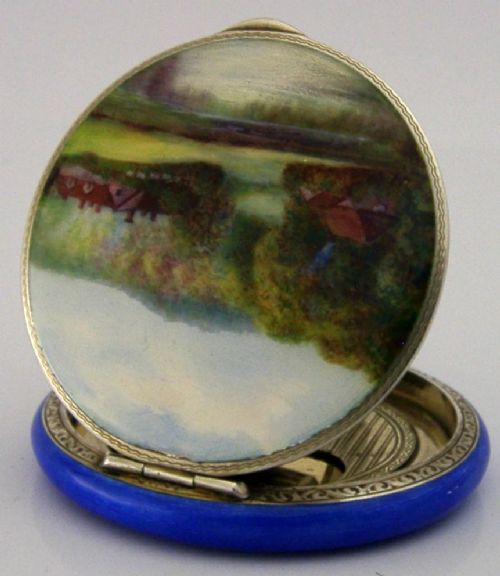
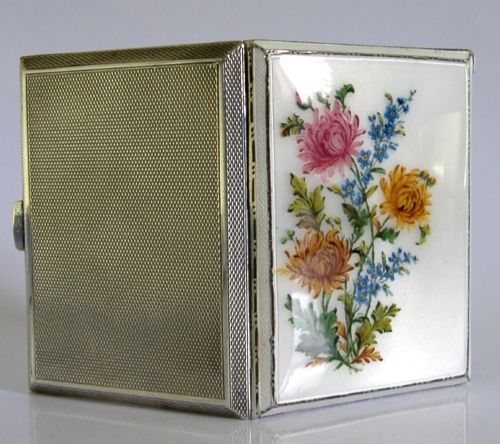
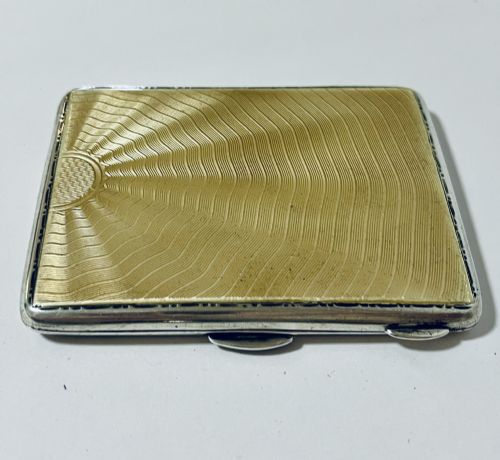
Silversmiths utilised sterling silver and silver gilt, forming structural components through casting, stamping, and hand-finishing techniques. Engine turning created geometric patterns across metal surfaces, while makers applied coloured vitreous enamel using guilloché methods to achieve translucent patterned backgrounds.
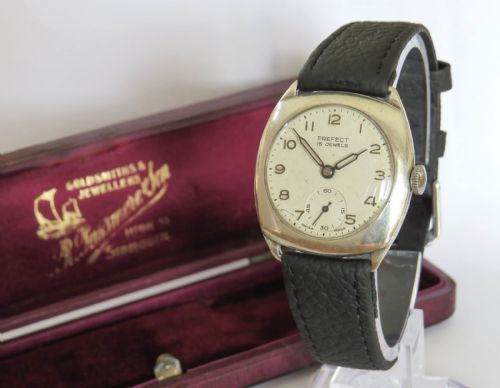
Fitted presentation cases combined rigid wooden or card carcases wrapped in leatherette or leather, housing interior partitions moulded to fit each individual spoon, fork, or compact precisely. Linings of silk satin, velvet, or soft suede cushioned the metalwork inside the closed box.
Listings feature items spanning the Edwardian period through the nineteen fifties, with the nineteen twenties and thirties representing the majority of available dining and vanity sets.
What varies in quality
The standard of craftsmanship shows in the crispness of engine-turned stamping and the precision of the applied enamel work. Intricate hand-painted floral or figural details on compacts and cigarette cases separate standard commercial output from finer workshop pieces.
Survival condition of the original presentation case heavily influences desirability alongside the silver itself. Complete sets retaining undamaged internal velvet or satin linings and fully functional closures command stronger interest than pieces with replacement or heavily worn boxes.
William Neale·Robert Pringle·Suckling Ltd·David Andersen·Henry Matthews·The Daniel Manufacturing Co·Henry Perkins & Sons·William Adams Ltd·A. Scott·The Adie Brothers·William Hutton·The Barker Brothers
The Cased Art Deco Silver Glossary
- Guilloché enamel
- A decorative technique where a precise geometric pattern is mechanically engraved into the silver beneath translucent coloured enamel. This method creates shimmering reflective effects that shift in the light.
- Silver gilt
- Sterling silver that has been coated with a thin layer of gold, often referred to as vermeil. This treatment protected the interior bowls of spoons from acidic foods.
- Vesta case
- A small portable box designed to hold matches and keep them dry, usually fitted with a striking strip on the base. Many examples feature engraved art deco geometric motifs.
- Cruet set
- A matched assembly of small containers for holding condiments such as salt, pepper, and mustard during dining. These sets were frequently presented in fitted presentation boxes with matching spoons.
- Engine turned
- A mechanical method of engraving precise, intricate geometric patterns into metal surfaces using a lathe. It provided standard decorative textures across compacts and cigarette cases.
Cased Art Deco Silver: Frequently Asked Questions
What is cased art deco silver?
These items comprise solid sterling silver or silver-plated tableware, smoking accessories, and vanity pieces housed in their original fitted presentation boxes. The boxes typically feature hinged lids with tailored interior slots lined in satin or velvet.
Such packaging protected delicate items like enamel compacts, cocktail sticks, and tea spoon sets from damage. Surviving complete sets offer a direct link to interwar dining and grooming habits.
How do I identify a genuine piece?
Authentication relies on locating hallmarks stamped directly onto the silver components, indicating the assay office, standard of metal, and date letter. British pieces frequently display lion passant marks alongside maker initials and anchor or leopard head symbols.
Comparing the construction style of the fitted case and the geometric motifs on the metal helps confirm the period. Genuine interwar items exhibit traditional hallmarks matching active maker registration dates.
How were these items used originally?
The objects served functional roles in formal dining, social entertaining, and personal grooming among households during the early twentieth century. Teaspoons, cake forks, and condiment sets assisted with afternoon tea and dinner courses.
Compact mirrors, cigarette cases, and vesta boxes accompanied individuals during social outings. Presentation cases kept these portable luxury items organised when not in active use.
How should I care for cased silver?
Preservation involves storing the items in dry environments away from direct sunlight to protect both the silver and the delicate box linings. Velvet and satin interiors can degrade if exposed to excessive moisture or humidity.
Cleaning the silver requires minimal intervention using specialised cloths rather than harsh liquid dips, particularly avoiding contact with any guilloché enamel sections. Keeping pieces resting within their original fitted slots prevents scratching between individual items.