


Guilloche Enamel Silver
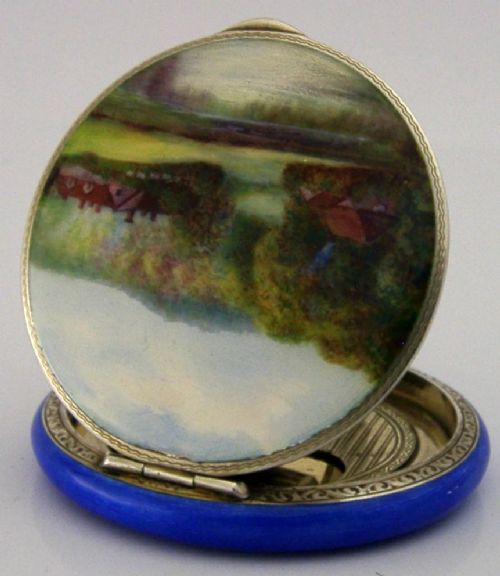
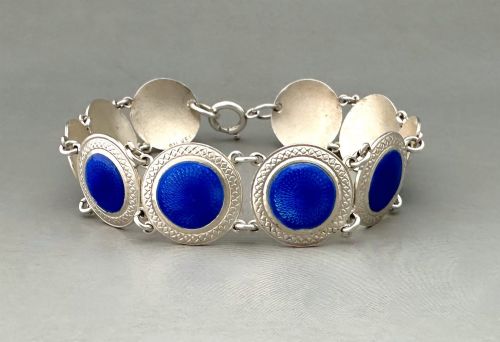
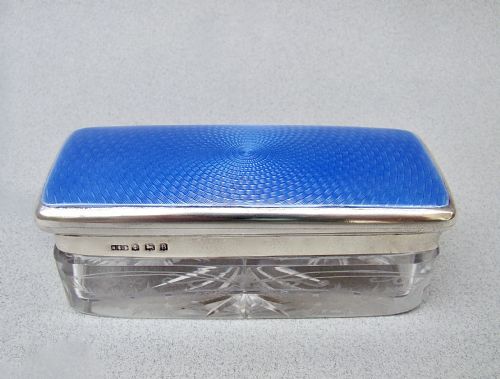
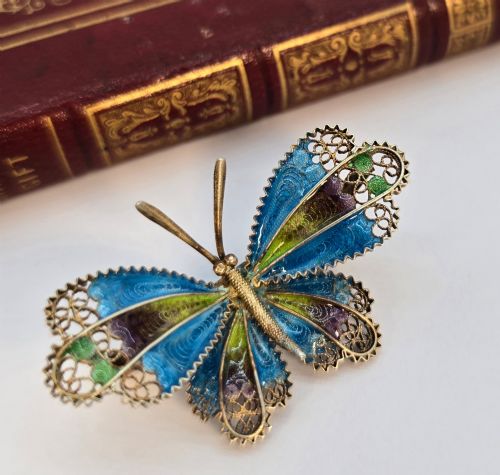
Guilloche enamel silver combines engine-turned metalwork with translucent coloured glass, offering a vibrant tactile finish found on dressing table jars, brooches and compacts.
Guilloche Enamel Silver
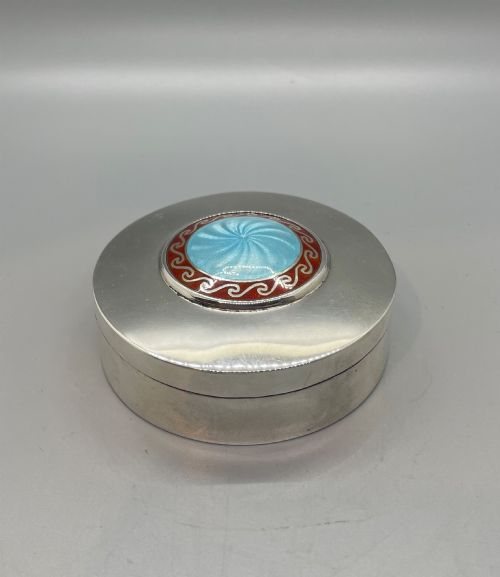
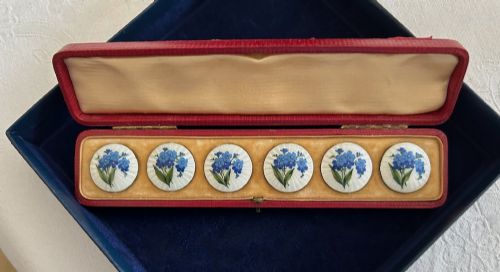
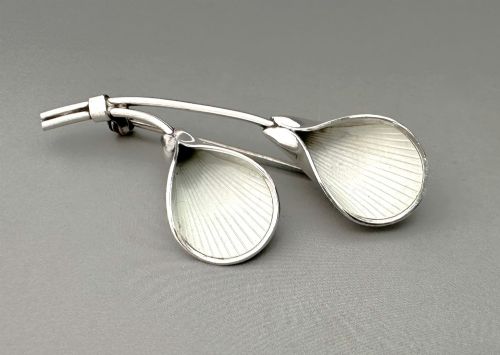
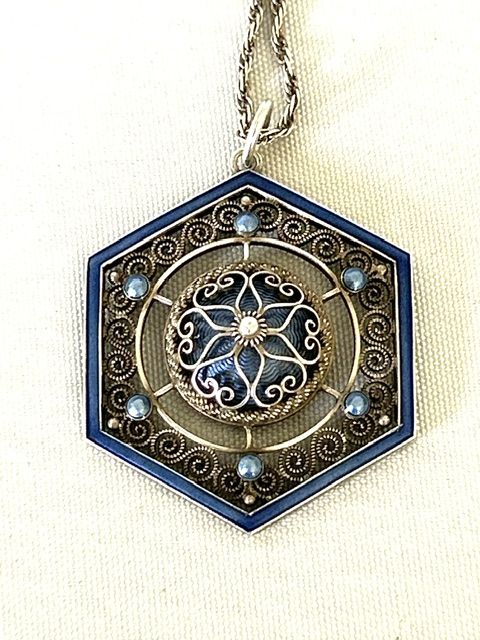
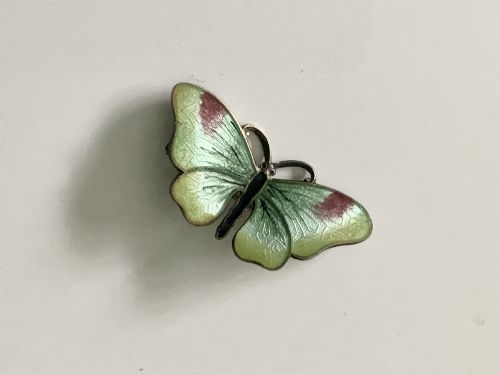
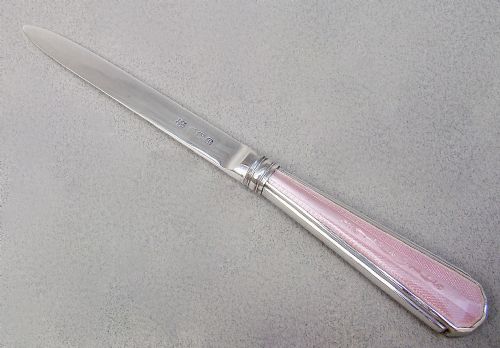
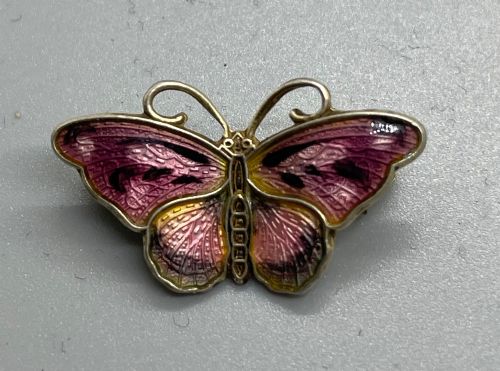
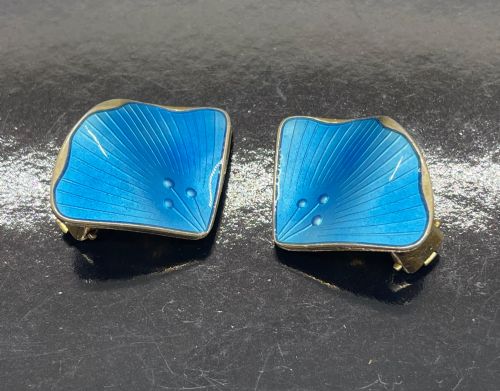
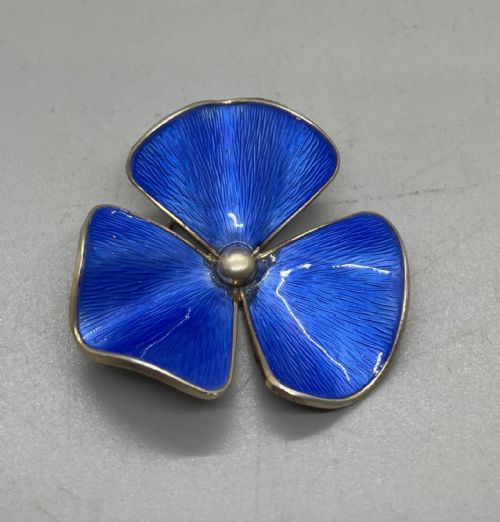
When searching for guilloche enamel silver, collectors encounter a wide variety of personal accessories and dressing table items spanning the early to mid-twentieth century. The selection ranges from delicate butterfly brooches and pendant necklaces to functional items such as powder compacts, scent bottles, trinket boxes and desk clocks.
Smaller personal ornaments like brooches and earrings frequently originate from Scandinavian workshops, particularly from makers in Norway. Meanwhile, larger vanity items and desk pieces often bear British hallmarks from Birmingham and London silversmiths active during the Art Deco period.
How they were made
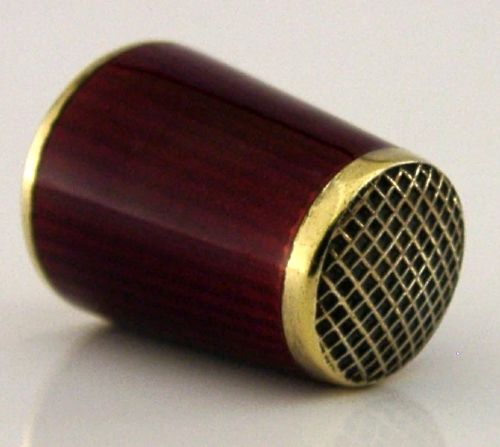
Silversmiths constructed the foundational bodies using sterling silver or silver gilt, sometimes combining the metal with cut glass for jars and bottles. Artisans then applied a mechanical lathe to engrave precise geometric patterns directly into the metal substrate before glazing.
Vitreous enamel powder was sifted across the engraved metal and fired at high temperatures in a kiln to fuse the glass to the silver. This technique allowed the underlying engine-turned pattern to show clearly through the translucent coloured coating.
Listings feature items spanning the Edwardian period through to the nineteen sixties, with a strong concentration of Art Deco designs.
What varies in quality
The sophistication of the underlying engine-turned engraving dictates much of the visual depth, with complex geometric designs catching the light more dynamically than simpler motifs. Artisans who achieved an even, flawless glass coating without bubbles or uneven pooling created pieces of superior visual appeal.
The integration between the silver mount and the enamel panel demonstrates the maker's precision, particularly along bezels and hidden joins. Pieces utilising heavy gauge sterling silver or silver gilt provide a more substantial weight and longevity compared to lighter alternatives.
Marius Hammer·Aksel Holmsen·David Andersen·Hroar Prydz·Henry Clifford Davis·The Barker Brothers·Henry Williamson·Henry Perkins·Harold Arthur Lazarus·Thomas Lyster Mott·Saunders And Shepherd·John Atkins·Broadway And Co·The Adie Brothers·Levi And Salaman·James Deakin And Sons·Wolfsky And Co·Richard Comyns·John Atkin And Sons·Cohen And Charles·Greenberg And Co·Crisford And Norris
The Guilloche Enamel Silver Glossary
- Guilloche
- A decorative technique where a mechanical lathe etches a precise, repeating geometric pattern into a metal surface. This engraved design serves as the visual base visible beneath translucent enamel layers.
- Vitreous Enamel
- A material made by fusing powdered glass to a metallic substrate through firing in a kiln. The resulting compound provides a durable, glossy coloured surface.
- Silver Gilt
- Sterling silver that has been coated with a thin layer of gold on its exterior surfaces. This finish imparts a warm, golden tone while retaining a silver core.
- Capstan Inkwell
- A desk accessory shaped like a nautical capstan, featuring a wide base that tapers upward towards a hinged lid. These inkwells frequently incorporate decorative enamel panels into their lids.
- Chatelaine
- A decorative belt hook worn from the waist with suspended chains carrying everyday household items. Accessories like small mirrors and scent bottles were often attached to these chains.
Guilloche Enamel Silver: Frequently Asked Questions
How do I clean guilloche enamel silver?
Use a soft cloth dampened with warm soapy water to wipe the surface gently, avoiding harsh chemical dips or abrasive silver polishes that can scratch the glass.
Dry the piece thoroughly immediately afterwards to protect any exposed silver or hinged mechanisms from moisture damage.
Can I wear vintage enamel brooches daily?
These delicate accessories withstand regular wear if handled with care, but they benefit from being pinned to sturdy fabrics rather than thin silks.
Remove them before participating in active tasks or storing them loosely in a drawer where other jewellery might scratch the glass.
How do I date an antique enamel compact?
Look for hallmarks stamped into the silver frame, which often include maker marks, assay office symbols, and date letters that pinpoint the exact year of manufacture.
Stylistic cues such as geometric motifs point towards the Art Deco era, while flowing floral lines usually suggest earlier Edwardian or Art Nouveau periods.
Why do some enamel pieces look golden?
Items described as silver gilt feature a microscopic layer of real gold applied over the sterling silver base rather than plain white metal.
This golden wash was frequently chosen by Scandinavian designers to complement warm-toned enamel colours like red, yellow and deep blue.