




Sewing Tool Collectibles
These sewing tool collectibles bring together small-scale silver, enamel and novelty items designed for practical needlework during the Victorian and Edwardian eras.
Sewing Tool Collectibles
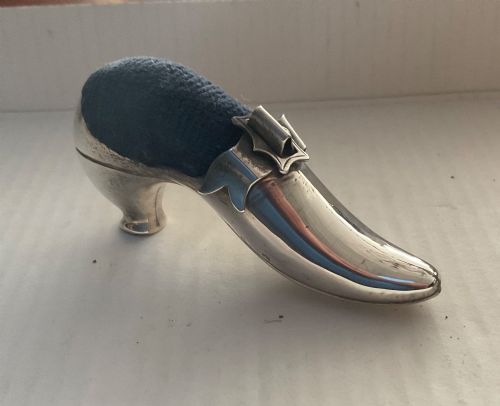
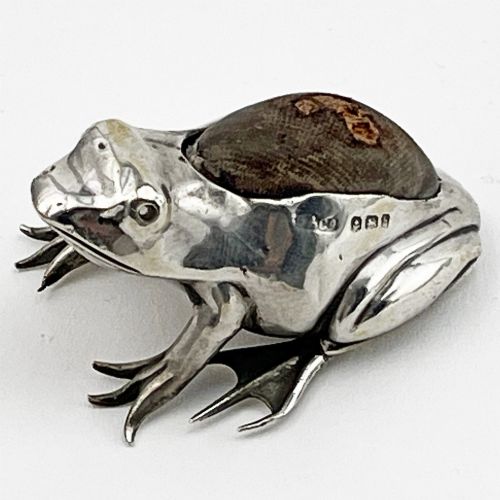
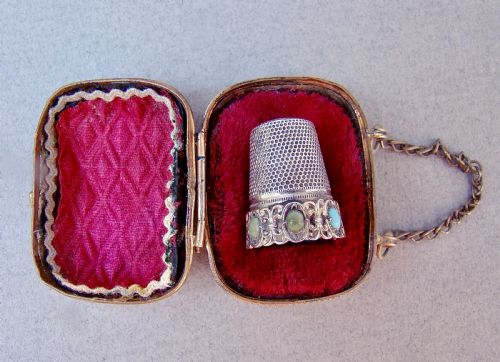
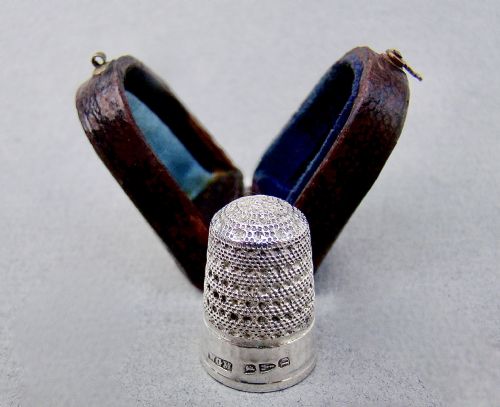
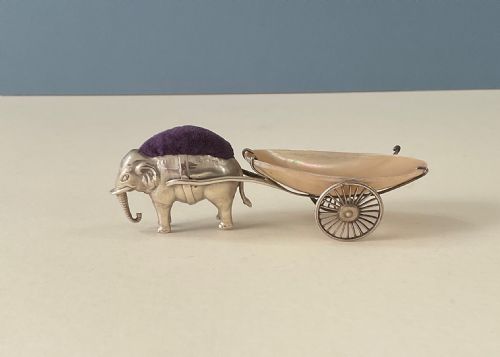
When you search for sewing tool collectibles, you encounter a range of specialised objects intended for domestic needlecraft, from thimble cases to silk holders. The most frequent forms on this page are figural pin cushions shaped as animals, boots and vehicles alongside fitted silver thimbles.
Most examples date from the nineteenth and early twentieth centuries, spanning Victorian and Edwardian periods with occasional mid-century Scandinavian pieces. They combine utility with decorative novelty, reflecting the Victorians' fondness for transforming mundane sewing gear into charming cabinet items.
Materials and construction
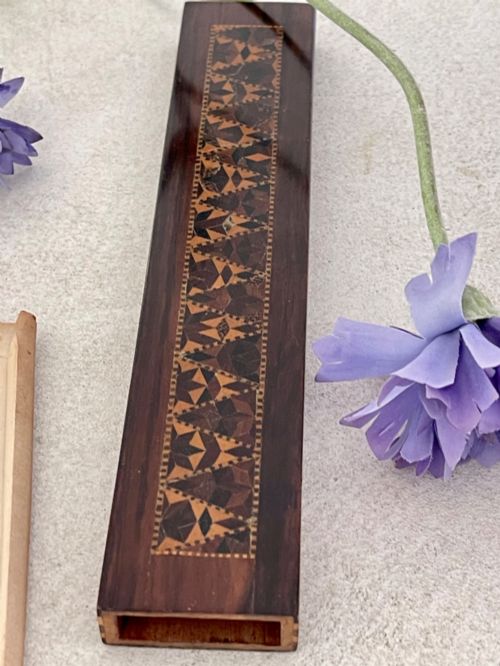
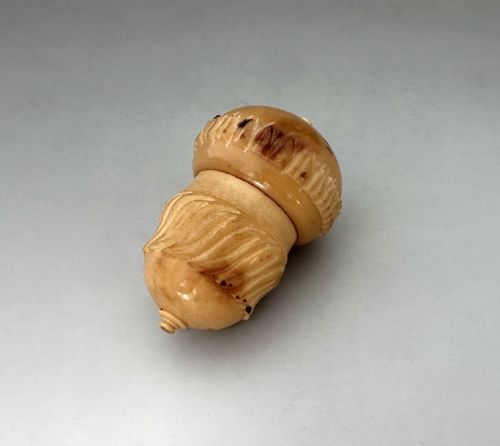
Makers shaped sterling silver and gold vermeil into intricate novelty forms, often incorporating velvet, fabric or plush upholstery to hold pins securely. Others utilised natural substances like corozo nut, treen and inlaid Tunbridge wood for cases and holders.
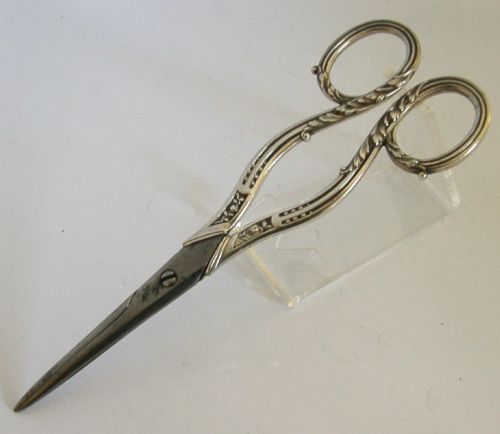
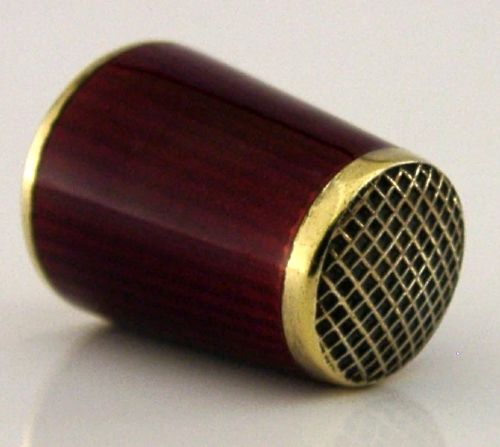
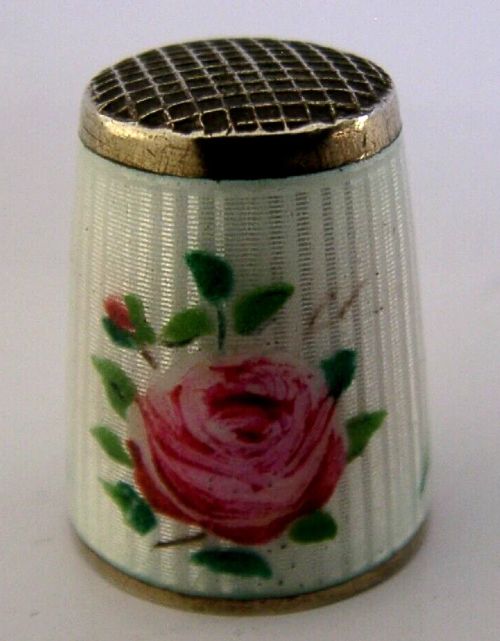
Enamel work appears on later pieces, such as Norwegian thimbles, adding colour through translucent or opaque glazes fired over textured silver bases. Small scissors and implements combined forged steel blades with ornate cast silver handles.
Listings feature sterling silver, velvet, enamel and corozo nut across Victorian and Edwardian sewing accessories.
Evaluating craftsmanship and detail
In fitted cases and chatelaine pieces, the precision of the woodwork, such as Tunbridge inlay, and the snugness of the internal velvet lining distinguish standard production from superior workshop output.
Adie & Lovekin·David Andersen·Walter & George Myers·Charles Horner·Faudels of London
The Sewing Tool Collectibles Glossary
- Pin cushion
- A padded small container or figural mount designed to hold pins and needles during sewing. They often took whimsical animal shapes in Victorian silver.
- Chatelaine
- A decorative belt hook worn with suspended chains carrying small household tools like scissors, thimbles and scent bottles. They kept essential implements close to hand.
- Gold vermeil
- Sterling silver plated with a thin layer of gold. This finish provided the rich appearance of solid gold while maintaining structural strength.
- Tunbridge ware
- Woodwork decorated with mosaic patterns formed from tiny coloured wood blocks assembled to create pictorial or geometric designs. It frequently adorned Victorian sewing boxes.
Sewing Tool Collectibles: Frequently Asked Questions
What were novelty silver pin cushions used for?
Victorian and Edwardian households used these small figural objects on dressing tables and sewing desks to keep pins organised and accessible during needlework.
Beyond simple utility, they served as decorative conversation pieces and charming gifts, reflecting the era's taste for whimsical miniature silver.
How can I tell a Victorian pin cushion from an Edwardian one?
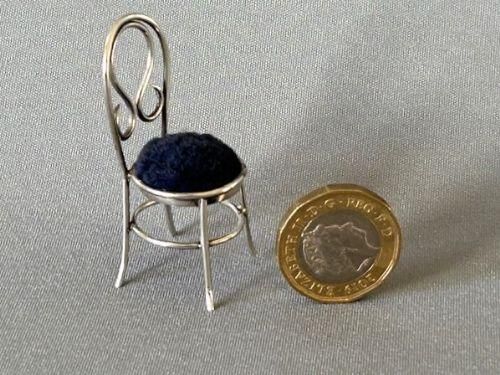
Victorian pieces often feature heavy, ornate floral repoussé work or classical motifs, alongside intricate novelty designs like salon chairs and wheel barrows.
Edwardian examples frequently lean towards realistic animal miniatures such as frogs, ducks and roller skates, reflecting a lighter, highly detailed approach to novelty silver.
What is the purpose of a chatelaine case?
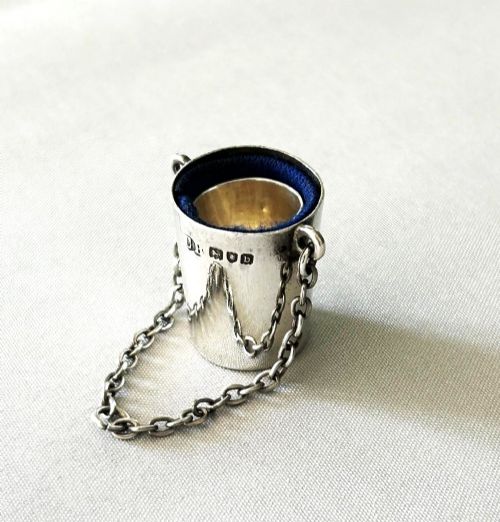
A chatelaine case held delicate sewing tools like thimbles and small scissors, protecting them while suspended from a decorative waist hook.
This allowed a needlewoman to carry her essential implements easily as she moved about the house.
How should I care for antique silver sewing tools?
Keep silver items in a dry environment and avoid harsh chemical dips that can strip away original patination and damage delicate velvet pin cushion inserts.
Gentle dusting with a soft microfibre cloth is usually sufficient to maintain the metalwork without causing abrasion.