






Carved Wooden Writing Slope
A carved wooden writing slope offers a portable workspace, bringing tactile historical craftsmanship into daily use.
Carved Wooden Writing Slope
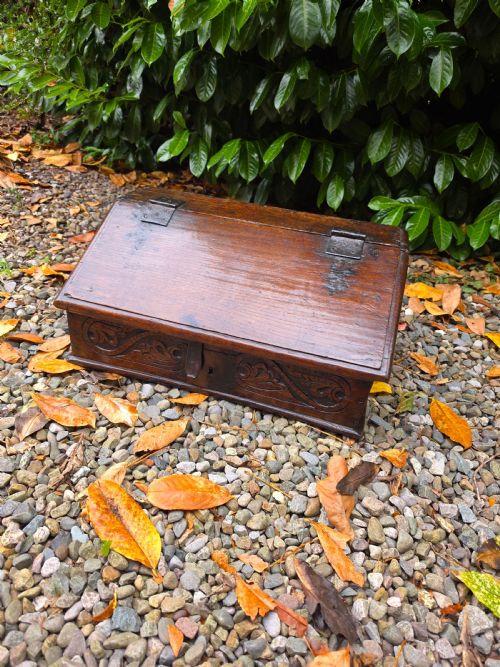
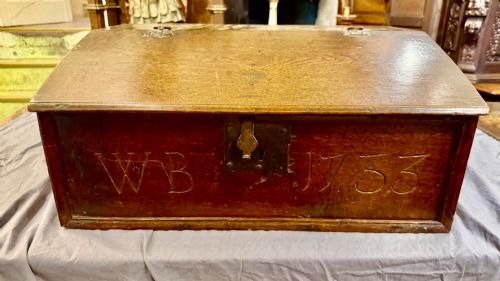
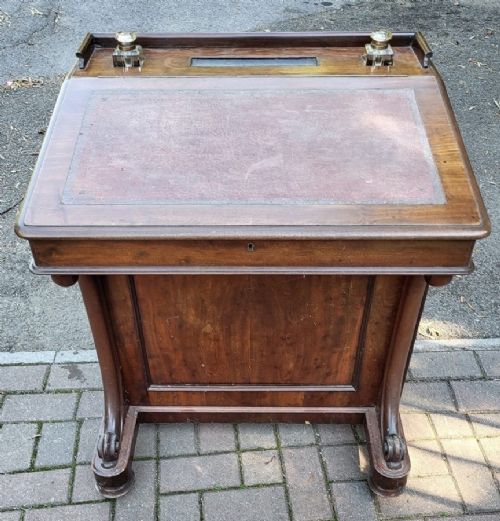
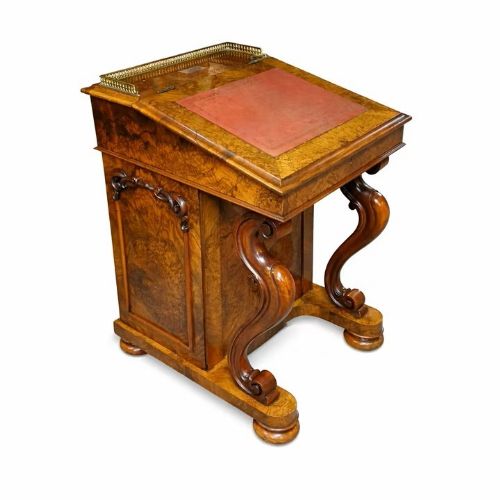
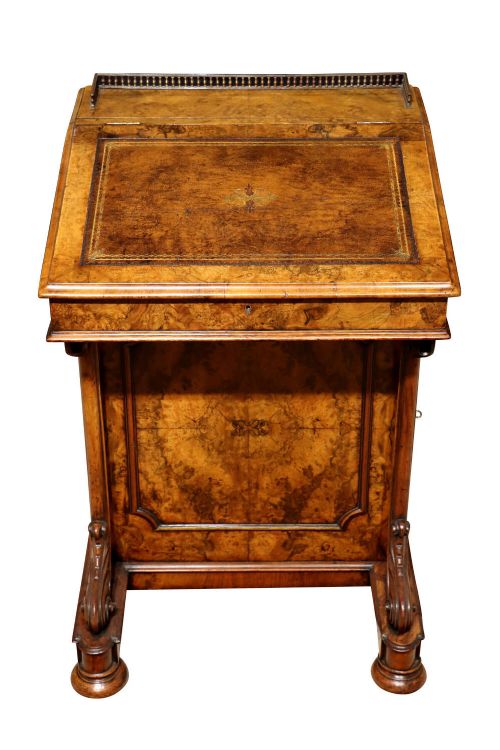
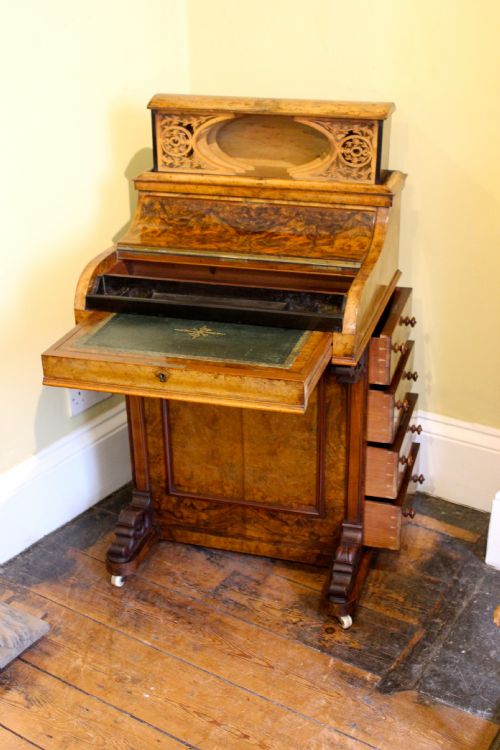
A carved wooden writing slope provides a sloping surface designed for correspondence and document storage, originating from periods when literacy relied on portable desk furniture. These items range from compact seventeenth-century oak Bible boxes to elaborate nineteenth-century burr walnut davenports and Anglo-Indian variants.
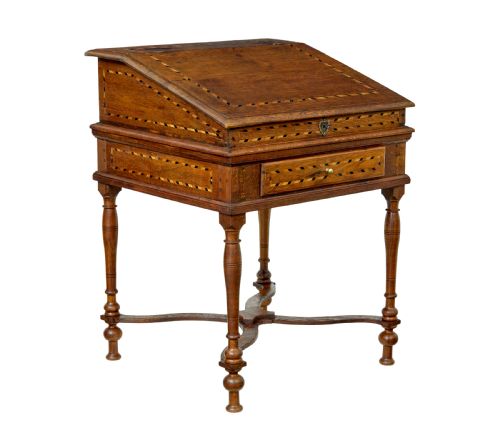
The pieces appearing on this page span several centuries of woodworking tradition, heavily weighted toward Victorian burr walnut examples and sturdy seventeenth-century oak boxes. Buyers encounter varying regional styles, including Dutch inlaid oak, English country oak, and intricate carved bone or ebony Anglo-Indian pieces.
Form follows function closely within this category, moving from simple hinged Bible boxes to sophisticated writing desks equipped with internal drawers and leather writing surfaces. Each variant reflects the domestic or clerical writing needs of its specific era.
Standards of Construction and Finish
Quality rests upon the depth and crispness of the hand carving, the selection of timber veneers such as burr walnut, and the integrity of the internal fittings. Superior examples maintain original brass hardware, fitted satinwood interiors, and well-executed joinery that resists seasonal movement.
Lesser items show coarse timber selection, replaced hardware, or loss of internal drawers and writing surfaces. The harmony between the exterior carving and the fitted interior distinguishes exceptional pieces from standard utilitarian boxes.
Object forms appearing in the inventory span writing slopes, Davenport desks, Bible boxes, and stationery cases.
The Carved Wooden Writing Slope Glossary
- Writing Slope
- A portable desk with an angled lid designed to hold paper and provide a flat surface for handwriting. These boxes typically fold shut and secure with a small key.
- Bible Box
- A sturdy wooden box used originally for holding sacred texts and documents, often featuring a sloping lid that doubles as a reading rest.
- Davenport
- A small pedestal desk featuring a sloping, desk-top lid and drawers opening to the side, popular during the Victorian era for domestic correspondence.
- Tunbridge Ware
- Small wooden items decorated with precise mosaic patterns made from many tiny pieces of naturally coloured wood, characteristic of nineteenth-century spa towns.
- Anglo-Indian
- Furniture and decorative objects made in India by native artisans for British residents, typically featuring dense carved foliage and exotic timbers.
Carved Wooden Writing Slope: Frequently Asked Questions
What is a carved wooden writing slope?
A carved wooden writing slope is a portable desktop box featuring a slanted lid that opens to reveal storage for writing implements and stationery.
These pieces were essential for correspondence before modern desks became standard household furniture, allowing owners to write comfortably while seated.
How were writing slopes used historically?
Users placed these boxes on dining tables or sturdy stands to write letters, manage household accounts, and store important documents securely under lock and key.
The sloping lid provided an ergonomic angle for handwriting with quill or ink pen.
How do I care for antique wood furniture?
Keep antique wooden writing slopes away from direct sunlight and sudden temperature shifts to prevent timber splitting and veneer lifting.
Apply a traditional beeswax polish sparingly to maintain the natural lustre of the wood without building up heavy chemical residues.
How can I tell the period of a writing slope?
Examine the secondary timbers, the style of the hand carving, and the construction methods used for the internal drawers and dovetails.
Seventeenth-century pieces typically utilise heavy oak with geometric or simple chip carving, whereas Victorian examples favour burr walnut veneers and elaborate fitted interiors.