

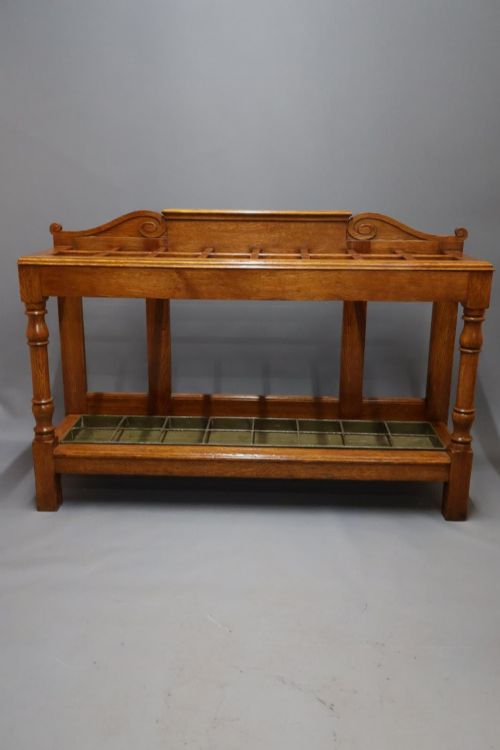


Carved Wooden Walking Cane
A carved wooden walking cane carries the quiet authority of the nineteenth and early twentieth centuries, offering both steady support and hidden utility.
Carved Wooden Walking Cane
A carved wooden walking cane represents a diverse group of functional items and gentlemanly accessories originating primarily from the Victorian and Edwardian eras, alongside pieces dated through the eighteen-eighties to nineteen-thirties. The selection encompasses natural form sticks, folk art carvings, and military examples alongside substantial hall stands designed to hold them.
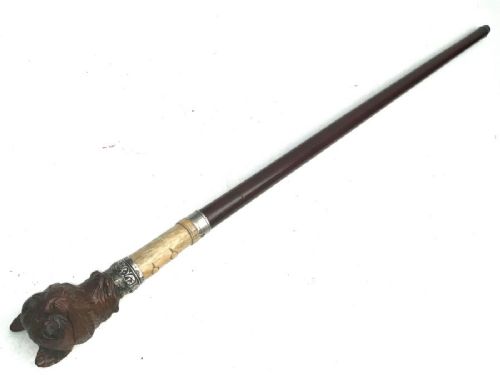
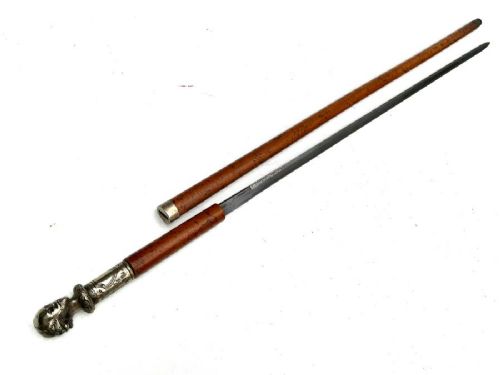
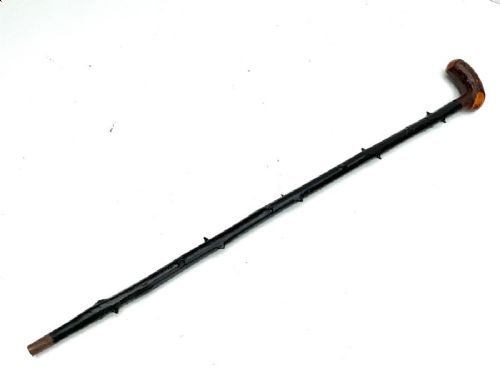
Buyers encounter numerous variations, from traditional Irish blackthorn and root-ended handles to elaborate Black Forest animal carvings and novelty pieces containing concealed blades, corkscrews, or nutcrackers. The pieces range from straightforward country house items to military officer accessories and continental European designs.
How they were made
Makers utilised a variety of woods including oak, walnut, fruitwood, and thorn wood, shaping the natural forms or applying intricate hand carving to the handles. Many shafts incorporate organic materials such as horn and bone, while functional additions integrate steel blades, brass fittings, and embossed silver mounts.
The construction combines traditional joinery for the stands with precise metalworking for the concealed gadget mechanisms and sword sticks. Polychrome paint finishes appear on specific folk art examples, while others rely on the natural grain and polished surface of the timber.
Materials recorded across the selection include wood, metal, silver, oak, steel, brass, horn, and bone.
What varies in quality
The standard of a carved wooden walking cane rests upon the depth and definition of the hand carving, particularly on animal heads, fists, and figural handles. Finer examples display accomplished sculptural detail in fruitwood, walnut, or bone, whereas simpler items rely on the natural growth of the root or thorn.
Mechanical precision separates standard sticks from sophisticated gadget pieces, where concealed sword blades, corkscrews, or articulated jaws operate smoothly within the wooden shaft. Material integration, such as solid silver mounts and robust metal collars, also distinguishes the superior examples from utilitarian pieces.
The Carved Wooden Walking Cane Glossary
- Black Forest
- A style of wood carving originating from the mountainous region of Germany, known for realistic animal figures such as dogs and wildlife. Pieces often display deep undercutting and textured fur detail.
- Sword stick
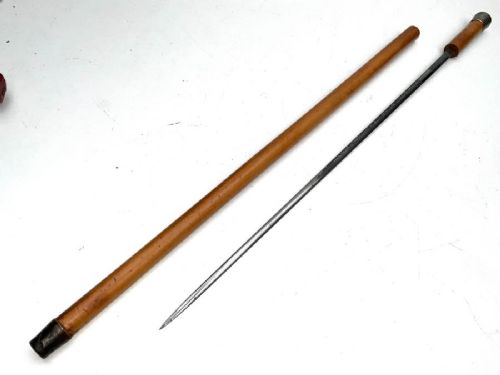
- A walking cane containing a concealed steel blade within the wooden shaft, secured by a locking mechanism. These pieces date predominantly to the Victorian and Edwardian military and civilian periods.
- Folk art
- Items created by self-taught makers using traditional materials and techniques, often featuring expressive hand carving or natural forms. Examples include polychromed thorn wood and swagger sticks.
- Swagger stick
- A short, light cane carried by military officers or gentlemen as a traditional accessory rather than for physical support. They frequently incorporate embossed silver mounts or folk art carving.
Carved Wooden Walking Cane: Frequently Asked Questions
How do I identify a sword stick?
A sword stick conceals a steel blade inside the wooden shaft, usually released by a subtle catch or unscrewing mechanism at the collar.
Inspect the join where the handle meets the shaft to spot the seam of the hidden blade casing.
How were hall stands used?
Hall stands provided a designated entryway space for gentlemen to store their walking sticks, canes, and umbrellas upon entering a country house.
They combine wooden framing with metal or ceramic drip trays to protect hallway floors from wet items.
What distinguishes folk art canes?
Folk art canes display unconventional hand carving, natural thorn wood forms, or painted polychrome finishes made by independent makers.
Unlike mass-produced accessories, each piece reflects the individual maker's choice of material and decorative style.