



Carved Wooden Vanity Stool
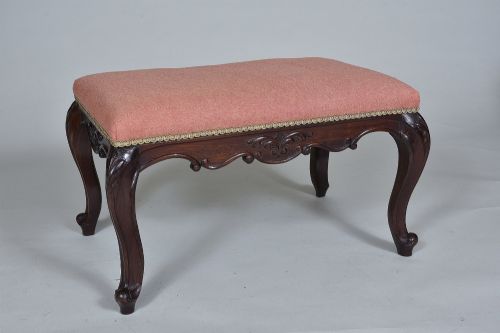
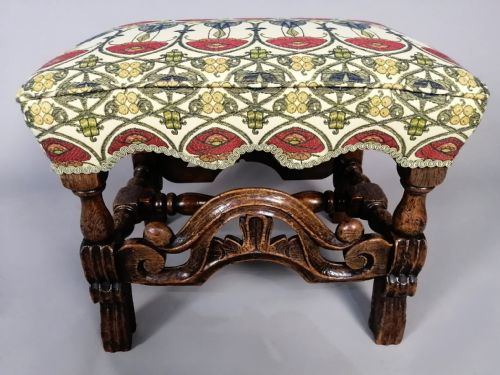
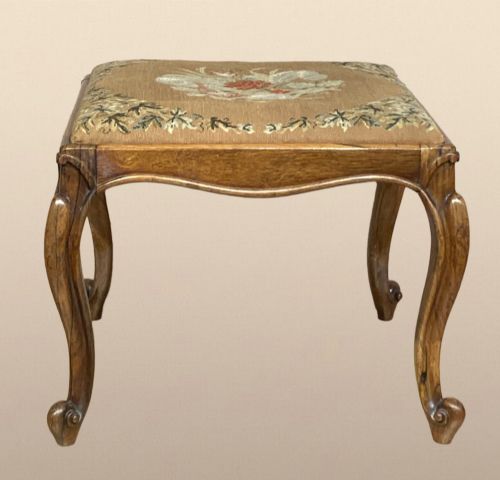
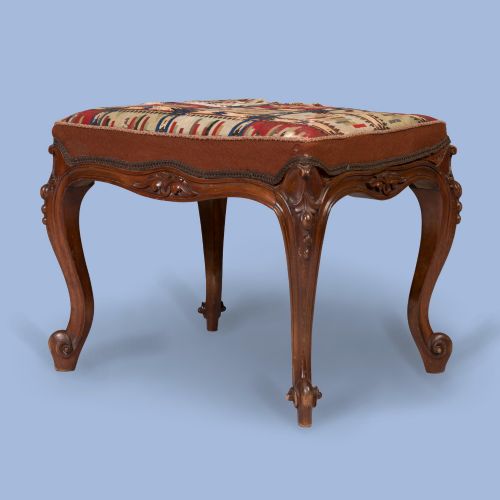
These carved wooden vanity stool examples combine period timber frames with upholstered seating, offering compact utility and decorative charm for dressing rooms.
Carved Wooden Vanity Stool
When you search for a carved wooden vanity stool, you examine compact seating designed for dressing tables, bedrooms, or music rooms. These pieces originate predominantly from the nineteenth century, including Victorian, Edwardian, and earlier revival periods, alongside continental European workshops.
How they were made
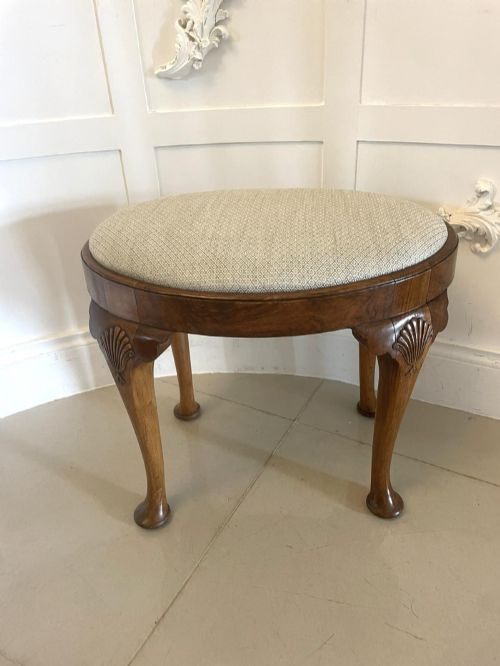
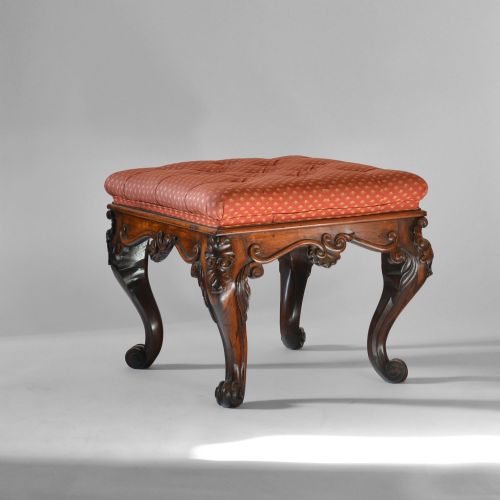
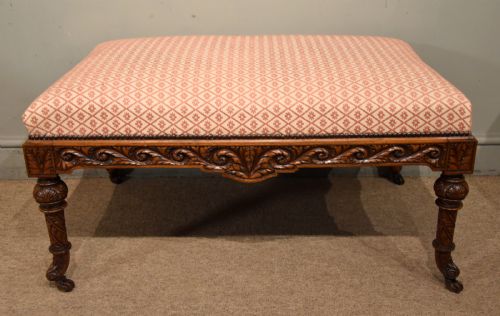
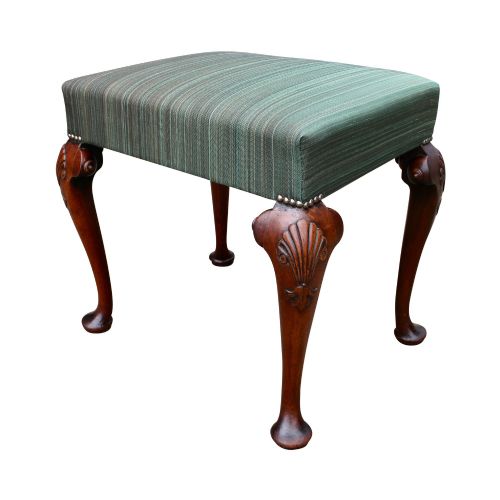
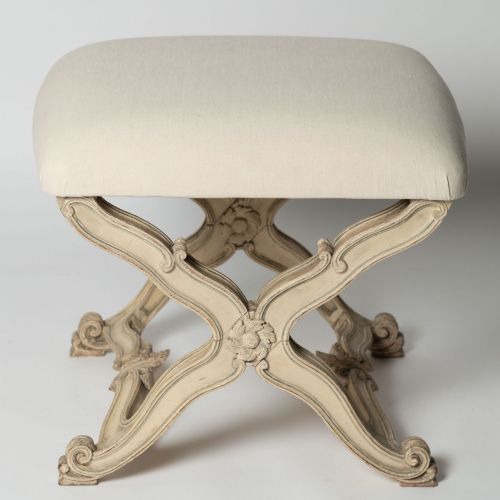
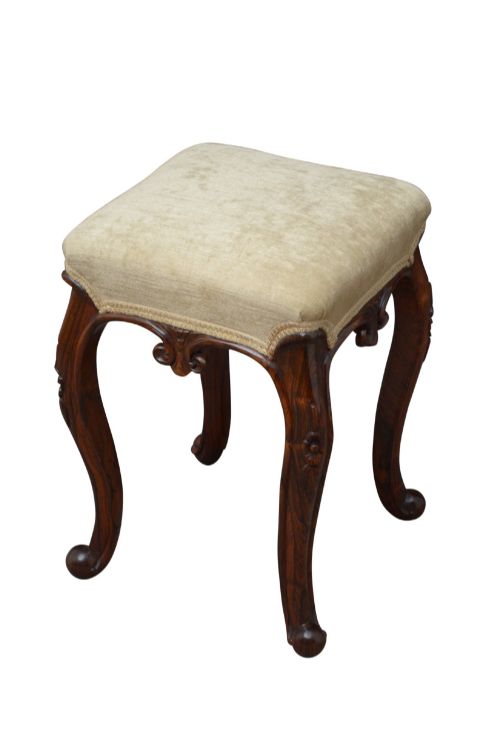
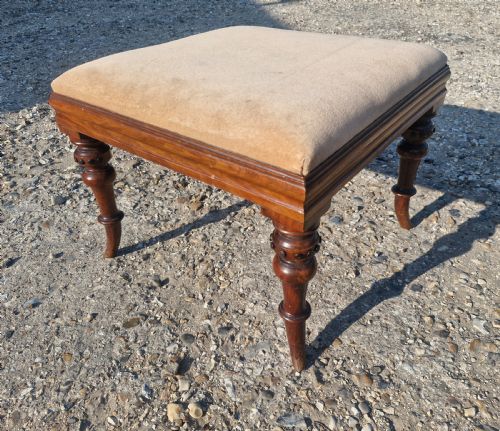
Cabinetmakers shaped dense hardwoods such as walnut, mahogany, rosewood, and oak using traditional joinery methods, frequently applying hand-carved details along the rails and legs. Frames often incorporate cabriole legs, ebonised finishes, or painted treatments depending on the regional style.
Upholstery techniques varied from drop-in silk seats to fixed needlepoint, tapestry, and woven rattan panels secured over webbing and stuffing. Mechanical brass or wooden screw mechanisms were integrated into adjustable piano and rise-and-fall dressing stools.
Several examples double as musical chairs, proving that nineteenth-century pianists took their comfort and posture quite seriously.
What varies in quality
The refinement of the hand-carving defines the upper tier of these pieces, distinguishing crisp foliate or shell motifs from softer, mechanical secondary work. Timber selection also dictates grade, with figured walnut, Goncalo Alves wood, and dense rosewood commanding greater attention than plain painted or utility timbers.
Structural integrity of the joints and the preservation of original upholstery materials or period needlepoint influence the standing of an individual piece. Adjustable mechanisms that operate smoothly without play demonstrate superior period engineering.
The Carved Wooden Vanity Stool Glossary
- Cabriole leg
- A furniture leg featuring a double curve, typically arching outward and then inward toward a pad or claw foot. This form derives from ancient furniture traditions and became popular during eighteenth-century revivals.
- Needlepoint
- A type of counted thread embroidery stitched onto a stiff open-weave canvas. It frequently appears as the original upholstery on nineteenth-century seats.
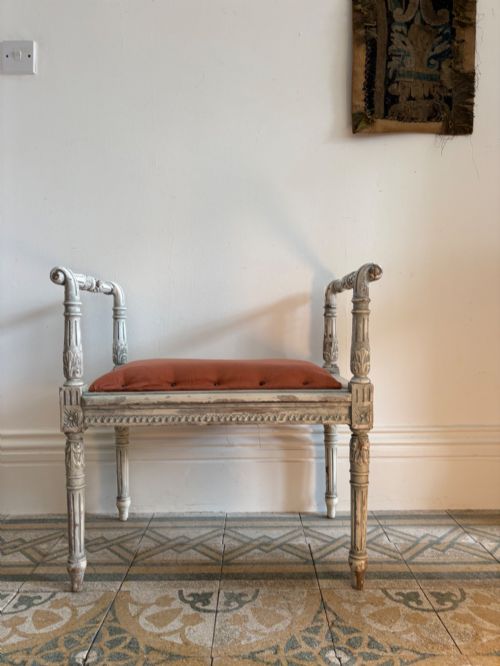
- Gustavian
- The Swedish interpretation of French neoclassical design, characterised by pale painted finishes and restrained classical carving. Pieces in this style often use light-toned wooden frames.
- Rise and fall
- A mechanical height-adjustment system utilising a central screw thread operated by turning the seat top. This mechanism is commonly found on music and dressing stools from the Victorian era.
Carved Wooden Vanity Stool: Frequently Asked Questions
How do I date a carved wooden vanity stool?
Dating relies upon timber choice, joinery construction, and stylistic revival markers visible in the carved details. Victorian pieces often employ dense rosewood or walnut alongside machine-assisted joinery, while earlier nineteenth-century examples display hand-cut joints.
Secondary indicators include the upholstery technique, the presence of adjustable mechanical screws, and finish characteristics such as ebonising or period painted surfaces.
Were these stools used only for dressing tables?
While frequently paired with dressing tables, many surviving examples served multiple domestic functions in period interiors. The evidence shows forms shared between bedroom dressing use, piano seating, and window window seats.
Adjustable height models were specifically engineered to accommodate musical instruments as well as personal grooming tasks in the boudoir.
What woods were commonly used?
Makers relied heavily on dense native and imported hardwoods prized for their durability and capacity to hold fine carved details. Walnut, mahogany, and rosewood appear frequently across Victorian and nineteenth-century inventory.
Alternative regional materials include oak, teak, ebonised wood, and painted softwood found on continental European and Scandinavian pieces.
How should I care for the upholstery?
Preserving original textile, silk, or needlepoint seats requires gentle surface cleaning and protection from direct sunlight to prevent fibre degradation. Fragile antique needlepoint benefits from minimal handling and professional textile conservation advice if weakened.
Wooden frames can be maintained with traditional wax polish applied sparingly to nourish the timber without harming adjacent fabric edges.