


Antique Fireplace Footstool
An antique fireplace footstool brings practical warmth and character to a hearth, offering low seating designed to sit comfortably close to the fire.
Antique Fireplace Footstool
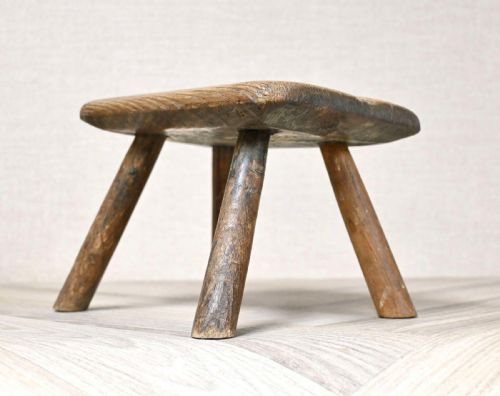
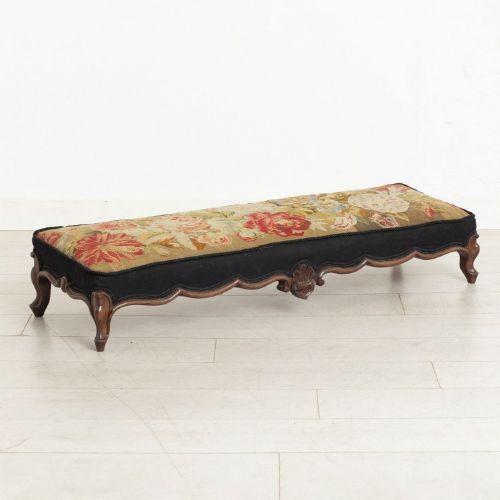
When you search for an antique fireplace footstool, you look at low wooden seats designed for use beside a hearth during the eighteenth, nineteenth, and early twentieth centuries. These pieces appear in varied forms, from compact milking stools to long fender stools intended to span the length of a fireplace.
The versions you are most likely to meet on this page span Georgian, Victorian, and Edwardian periods, constructed in timbers such as mahogany, walnut, oak, and elm. Many retain their original wool, tapestry, leather, or kilim coverings, connecting domestic firesides of the past with modern interiors.
Materials and construction
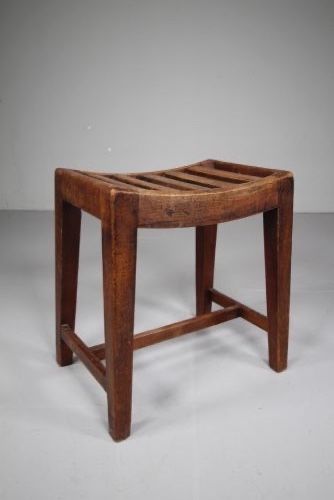
These stools rely on sturdy hardwoods like mahogany, walnut, oak, and elm for their frames, frequently shaped with cabriole legs or slatted designs. Cabinetmakers joined timbers securely to withstand the dry heat of a domestic fireplace.
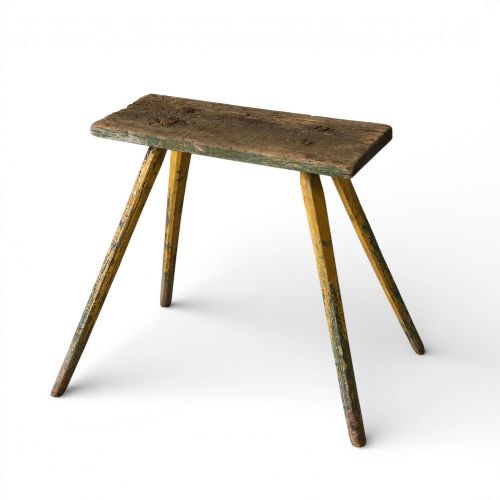
Upholstery forms a major component of many pieces, utilising traditional textiles such as wool, leather, tapestry, and kilim stretched over webbing and stuffing. Some primitive country examples dispense with padding entirely, presenting solid timber surfaces or traces of original paint.
Some small rustic milking stools retain their original paint, having started life in a barn before moving permanently beside the hearth.
Judging quality and character
Quality rests in the harmony of the timber frame and the integrity of the original upholstery, where surviving period fabric adds considerable interest. Finer examples display thoughtful proportions, such as shaped mahogany rails or carefully turned walnut legs.
Simpler country stools derive their appeal from honest utilitarian construction and untouched surfaces, such as original paint on rustic elm or pine. The distinction lies in whether a piece retains its authentic structural fabric and uncompromised surface patina.
The Antique Fireplace Footstool Glossary
- Fender stool
- A long, low footstool designed to sit immediately in front of a metal hearth fender. These extended proportions allowed multiple people to rest their feet near the warmth.
- Kilim
- A flat-woven textile originating from the Middle East or Eastern Europe, frequently utilised to upholster nineteenth-century British seating. Its durable weave makes it well-suited for heavy foot traffic near a fireplace.
- Cabriole leg
- A furniture leg that curves outward and then tapers inward, finishing in a pad or foot. This stylistic choice appears frequently on eighteenth and nineteenth-century walnut and mahogany stools.
- Hearth stool
- A low seat intended specifically for placement beside an open fire. They sit lower than standard chairs to keep the user beneath the rising smoke and closer to the floor heat.
Antique Fireplace Footstool: Frequently Asked Questions
What is a fireplace footstool used for?
These low stools were traditionally placed near a hearth to keep feet elevated away from cold stone or drafty floorboards. Sitting close to the fire provided extra warmth during colder months.
They also served as convenient movable seats for children or adults tending the grate. Today, they function well as decorative low tables or functional seating in living spaces.
How do I date an antique footstool?
Dating relies on identifying the primary timber, leg style, and construction methods used in the frame. For example, cabriole legs and certain mahogany sections point toward Georgian or Victorian eras.
Upholstery materials and tack types also offer clues, though fabric is often replaced over time. Comparing the wood finish and wear patterns helps narrow down the period of manufacture.
What is the difference between a fender stool and a regular footstool?
A fender stool is notably longer and narrower, designed specifically to run alongside the metal hearth guard or fender. Standard footstools are usually square or compact rectangles meant for an individual.
Fender stools accommodate multiple people resting their feet simultaneously along the hearth. Their elongated proportions make them distinctive among nineteenth-century seating.
Can I use an antique footstool daily?
Most antique footstools feature sturdy hardwood frames capable of supporting everyday use. However, delicate textiles or fragile original upholstery may require gentle treatment to preserve their condition.
If the fabric is worn, owners often choose to display the piece as a decorative accent or have it sympathetically reupholstered. Assessing frame stability ensures safe daily placement in a modern home.