

Carved Wooden Treen
Carved wooden treen brings domestic utility and personal folk craft together, offering tactile, historic objects shaped from timber over centuries.
Carved Wooden Treen
Carved wooden treen encompasses small functional items for the home, kitchen and personal use produced across the seventeenth, eighteenth and nineteenth centuries. Buyers encounter everyday utensils alongside intricate personal accessories fashioned by makers who turned utilitarian timber into decorative art.
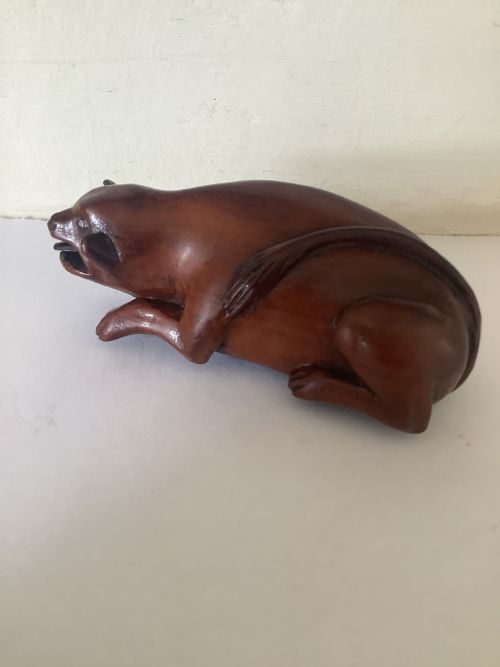
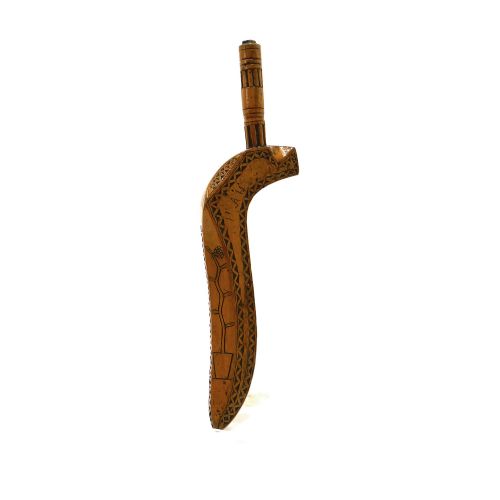
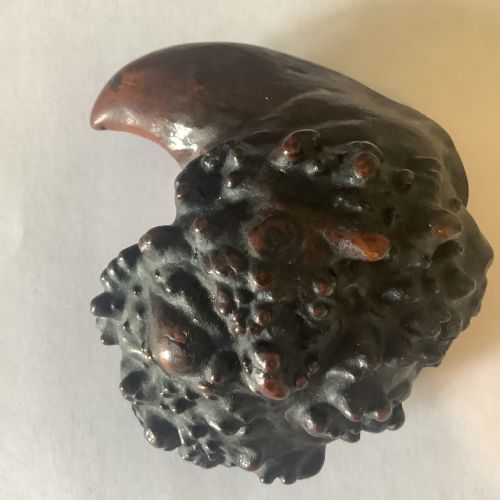
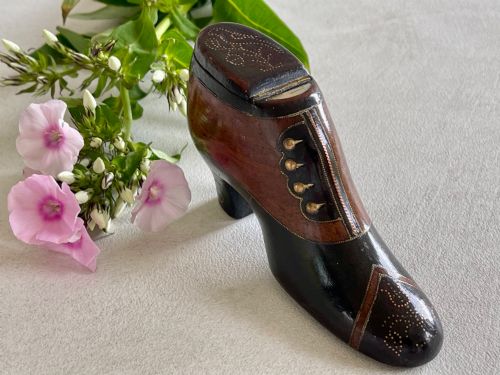
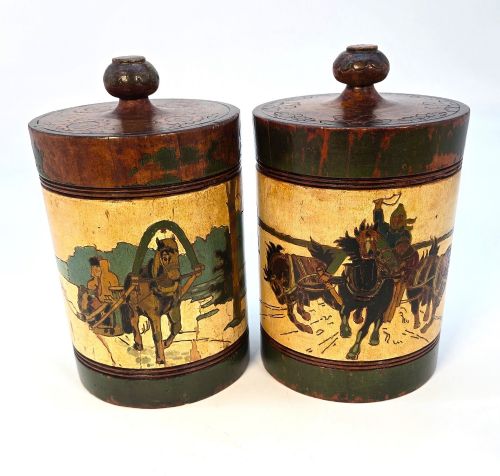
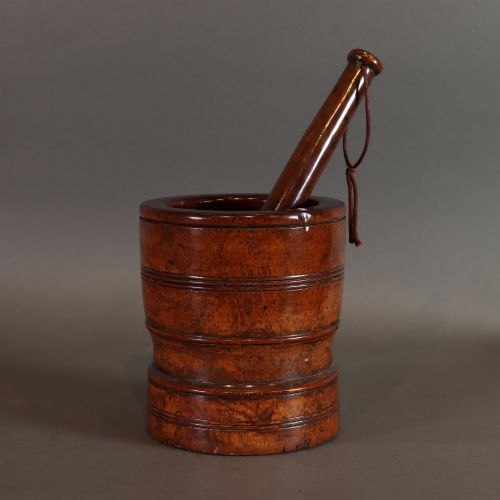
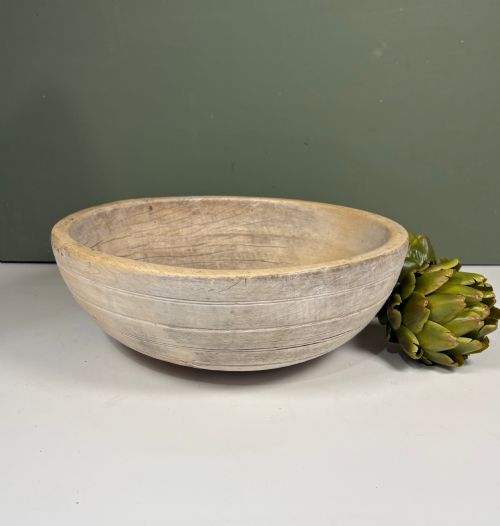
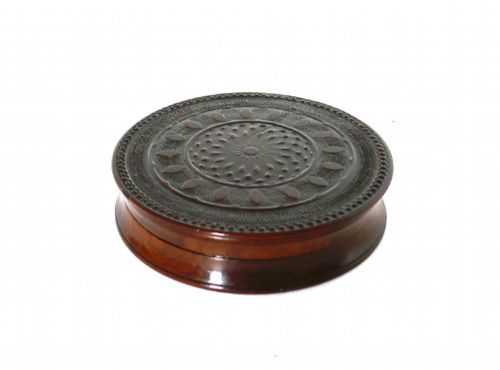
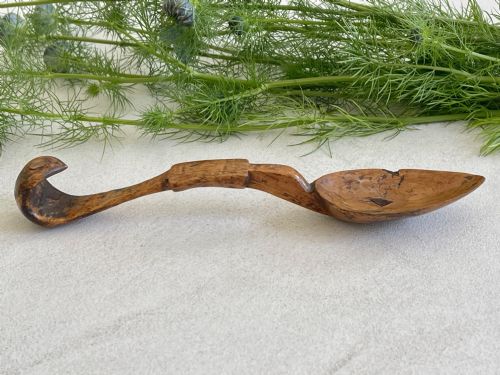
The pieces appearing most frequently range from pocket snuff boxes and figural knitting sheaths to kitchen bowls, spoons and mortars. These artefacts bridge the gap between industrial production and individual handcraft, showing the varied domestic habits of past generations.
Turning, carving and inlay techniques
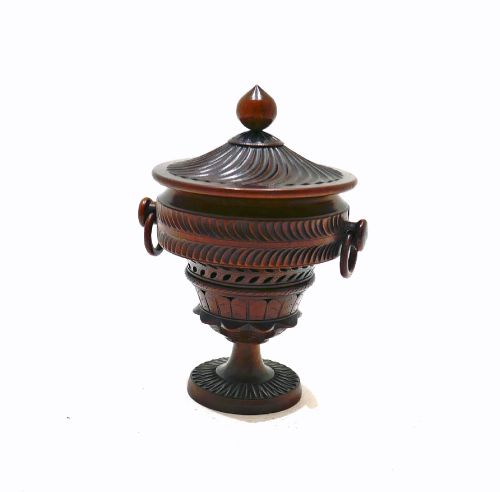
Makers utilised dense timbers such as fruitwood, sycamore, oak and lignum vitae, selecting woods that tolerated turning on a lathe or detailed hand carving. Many items incorporate punchwork, incised line decoration and engine turning to enrich the plain surfaces.
Decorative touches often include bone or metal inlay, painted details and wrought iron mounts, transforming simple functional gear into cherished tokens and novelty objects.
Among the small containers and kitchen tools, a smiling man in the moon watches quietly from a carved wooden nutcracker.
Material selection and decorative execution
Quality rests upon the crispness of the carving and the suitability of the chosen timber, with tighter grain providing a superior canvas for minute punchwork or engine turning. Pieces displaying deliberate ornamentation such as bone hearts, diamond shapes or figural forms stand apart from plain utility ware.
Condition and the depth of natural patination acquired through decades of handling dictate desirability. Well-preserved surface texture and integrated decorative elements elevate an everyday item into a compelling piece of folk art.
The Carved Wooden Treen Glossary
- Treen
- Small handmade wooden objects for domestic or personal use. The term derives from the old English word for tree.
- Knitting sheath
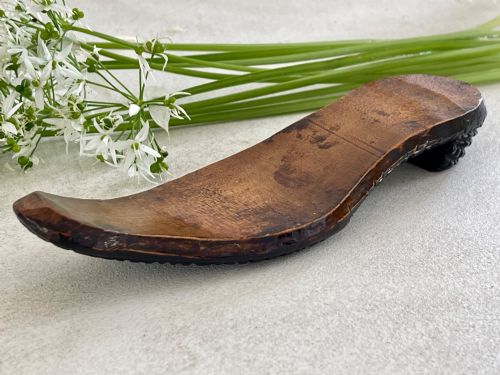
- A device tucked into a belt or apron to hold a knitting needle steady during hand production. These often took whimsical forms such as shoes or fish.
- Lignum vitae
- A dense, heavy tropical hardwood prized for mortars, pestles and items requiring exceptional durability. Its natural oils resist splitting.
- Dairy bowl
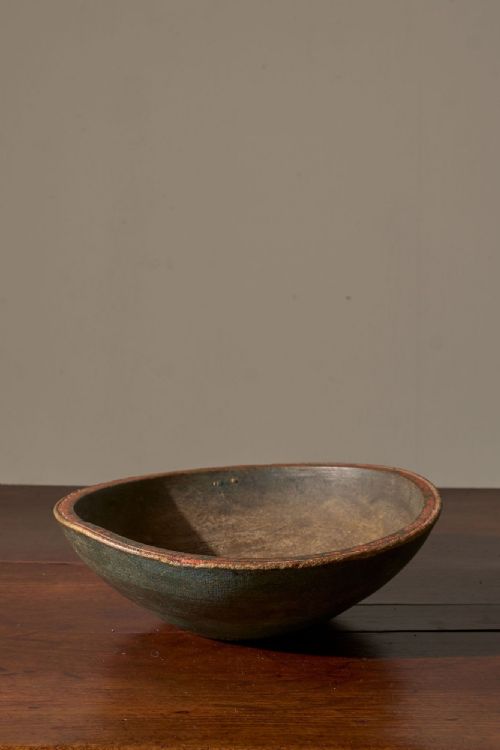
- A large wooden vessel shaped for setting milk and separating cream in traditional dairies. Sycamore was commonly chosen for its clean, pale grain.
- Spice grinder
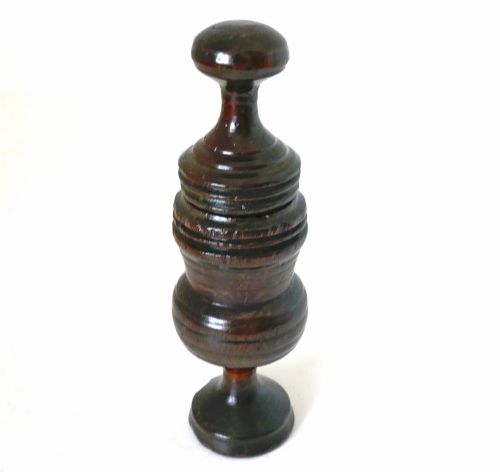
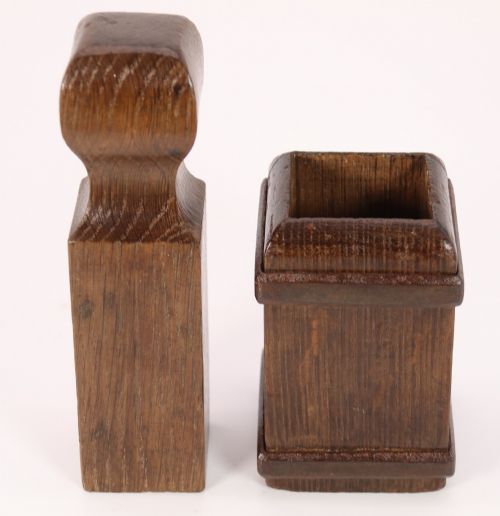
- A two-part device used for reducing whole spices to powder in the kitchen. Early examples often employ threaded wooden sections.
Carved Wooden Treen: Frequently Asked Questions
How were knitting sheaths used?
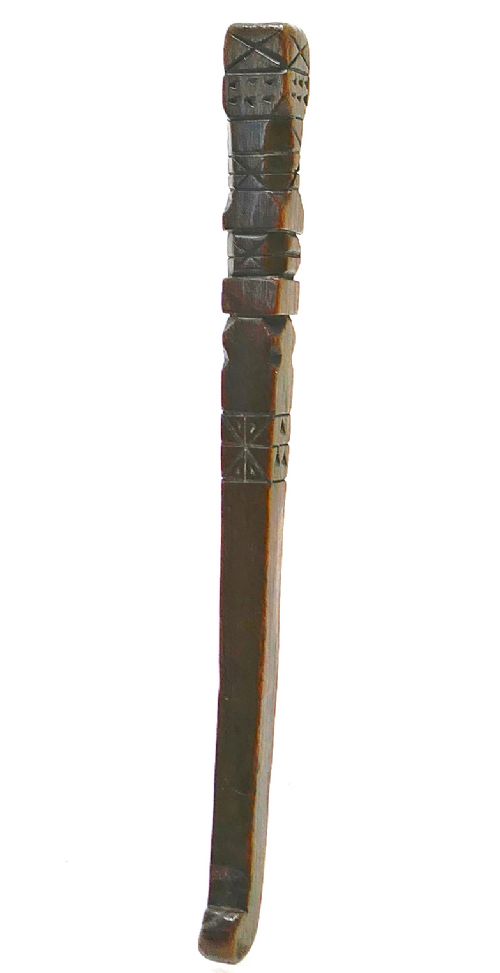
Knitting sheaths held one of a pair of knitting needles steady while the user worked seated or walking. The hollow end secured the needle, leaving the crafter's hands free to manipulate yarn swiftly.
Workers tucked the sheath into a waistband or apron string, and many examples show intricate personal carving given as tokens of affection.
How do I identify seventeenth-century pieces?
Seventeenth-century pieces typically rely on dense, heavy timbers like lignum vitae and oak, shaped by early turning or heavy manual carving. Forms tend toward robust kitchen and apothecary equipment such as mortars, pestles and spice grinders.
Surface decoration is minimal compared to later Victorian items, depending instead on the natural grain, substantial heft and dark patination accumulated over centuries of use.
How should I care for wooden treen?
Wooden treen thrives in stable indoor environments away from direct sunlight and sudden temperature shifts. Excessive heat or dry air can cause historic timber to warp or split.
Gentle dusting preserves the accumulated surface patination. Avoid harsh cleaning agents or submerging historic wood in water.