
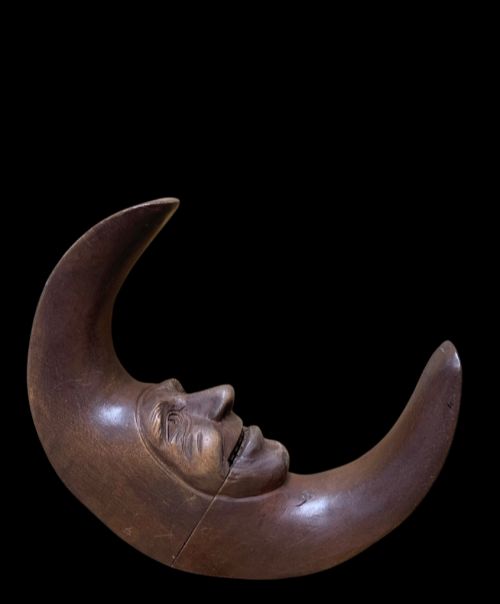


Vintage Wood Nutcracker
These vintage wood nutcracker pieces bring character and tactile charm to any display, shaped by skilled hands from rich natural timbers.
Vintage Wood Nutcracker
When you search for a vintage wood nutcracker, you encounter figural and carved treen items spanning the Georgian, Victorian, and Edwardian eras up to nineteen hundred. These pieces take whimsical forms such as animals, squirrels, monkeys, moons, and clenched fists.
The most common examples on this page hail from the Black Forest tradition alongside British folk art expressions. They serve both a practical function and a decorative purpose in domestic settings.
Most items rely on robust lever or screw mechanisms integrated directly into the carved timber body. Collectors appreciate the way these objects combine domestic utility with expressive sculpture.
How they were made
Craftsmen shaped these items primarily from dense hardwoods including walnut, fruitwood, and linden wood. These timbers allowed for deep undercuts and fine sculptural detail without splitting under pressure.
Makers utilised hand tools such as gouges and chisels to carve intricate fur, facial expressions, and natural textures. Surfaces were often left with a warm, waxed patina rather than heavy varnish.
Listings feature items fashioned from walnut, fruitwood, and linden wood across the Victorian and Edwardian periods.
What varies in quality
The distinction between ordinary and exceptional work lies in the depth and anatomical precision of the carving. Master carvers captured lifelike energy in figures like squirrels and monkeys, whereas lesser examples remain stiff and crude.
Proportion and the integration of the mechanical hinge into the overall design dictate sculptural success. Pieces with well-preserved natural grain and minimal replacement parts hold greater appeal.
The Vintage Wood Nutcracker Glossary
- Treen
- Small wooden domestic objects made before the widespread use of plastics. These items display the marks of everyday handling and domestic use over generations.
- Black Forest
- A style of wood carving originating in central Europe during the nineteenth century. It is characterised by highly detailed animal and forest motifs.
- Fruitwood
- Dense timber derived from orchard trees such as pear or apple. Carvers favoured it for its fine grain and smooth finish.
Vintage Wood Nutcracker: Frequently Asked Questions
How do I date a wood nutcracker?
Dating relies on stylistic clues, timber choice, and the wear patterns on the mechanism. Georgian and Victorian pieces often show distinct hand-tool marks and deeper patination.
Comparing the sculptural style to known nineteenth-century folk art traditions helps narrow the decade of origin.
Were these nutcrackers meant for daily use?
Many were robustly built from hardwoods specifically to crack tough nuts on the dining table. Their sturdy hinges and chunky grips handled heavy pressure.
Over time, many transitioned from pantry tools to decorative cabinet curiosities.
How should I clean a carved wooden nutcracker?
Dust gently with a soft, dry brush to protect the delicate carved details and aged patina. Avoid liquid cleaners or soaking the timber in water.
Occasional application of microcrystalline wax helps nourish dry hardwood without harming the surface.
What does Black Forest style mean?
The term describes nineteenth-century Swiss and German wood carvings featuring naturalistic animals and woodland scenes. Bears, squirrels, and foliage dominate this aesthetic.
Skilled artisans in mountain villages produced these items for travellers and export markets.