
Carved Wooden Table
A carved wooden table brings sculptural depth and solid timber grain to a room, ranging from robust refectory boards to small occasional stands.
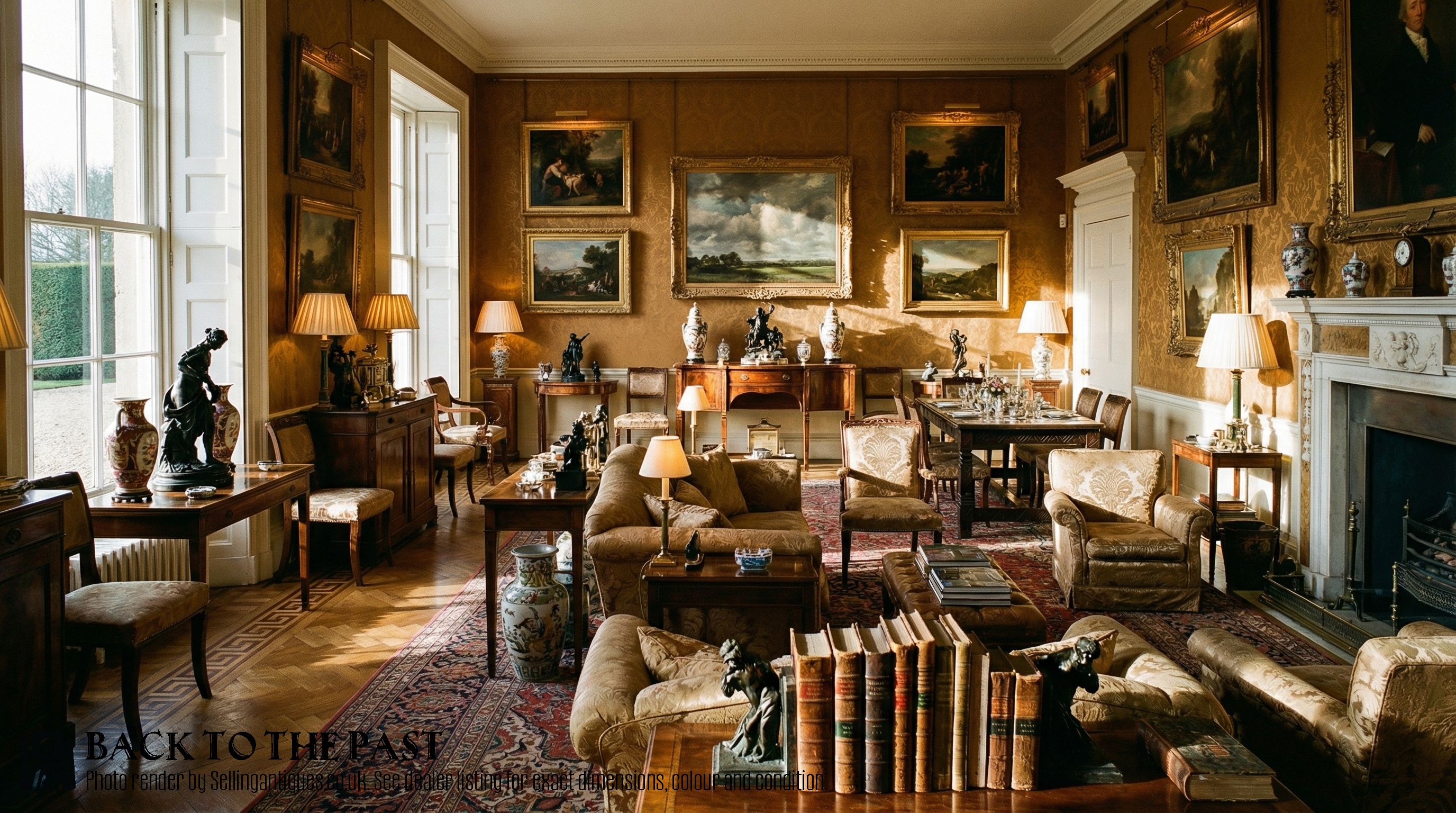
Carved Wooden Table
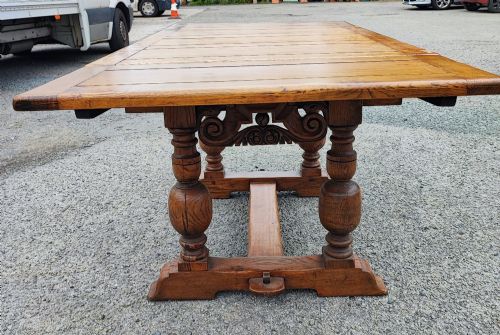
A carved wooden table encompasses a diverse array of forms designed for dining, serving, and occasional use across domestic spaces. When searching for a carved wooden table, buyers encounter formats spanning centuries of craftsmanship, from substantial refectory dining pieces to compact lamp stands and coffee tables.
The material selection leans heavily toward sturdy timbers like oak, walnut, and mahogany, often shaped during the Victorian and Edwardian periods as well as the early twentieth century. Common stylistic expressions include Jacobean Revival, Arts and Crafts, and rustic farmhouse influences that highlight the natural grain of the wood.
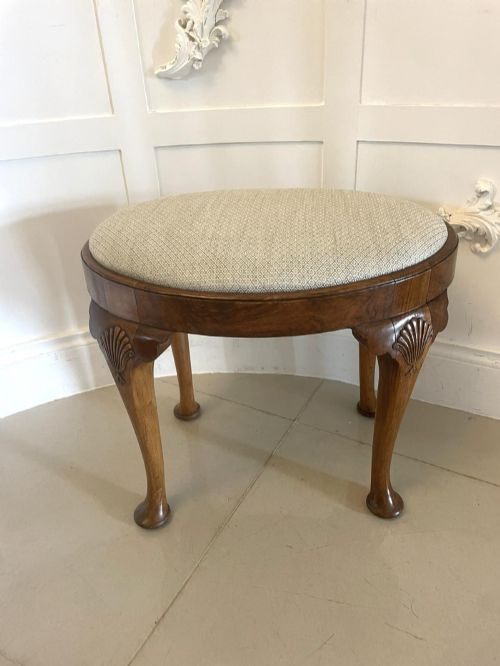
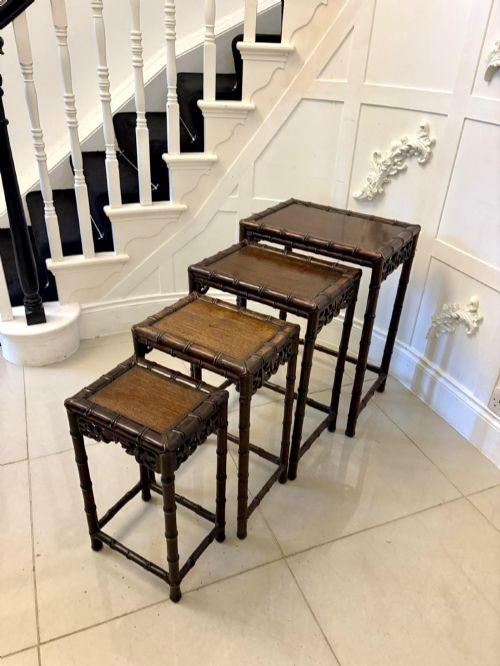
Smaller formats such as tripod cricket tables, side tables, and centre tables appear frequently alongside extending dining options. These domestic items served varied daily functions in period homes, retaining their structural utility while offering decorative carved detailing.
How they were made
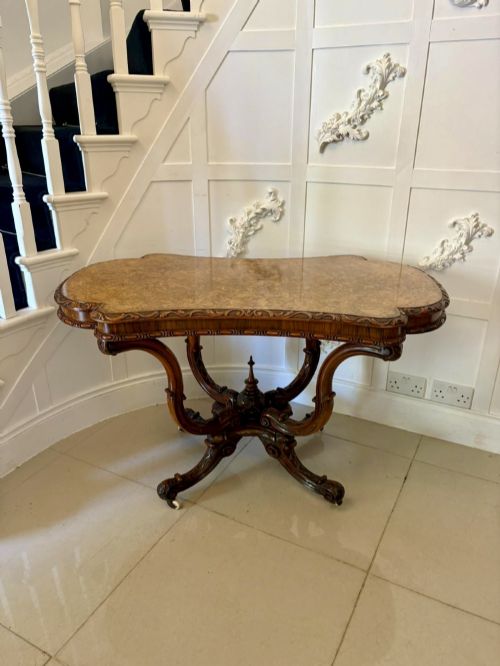
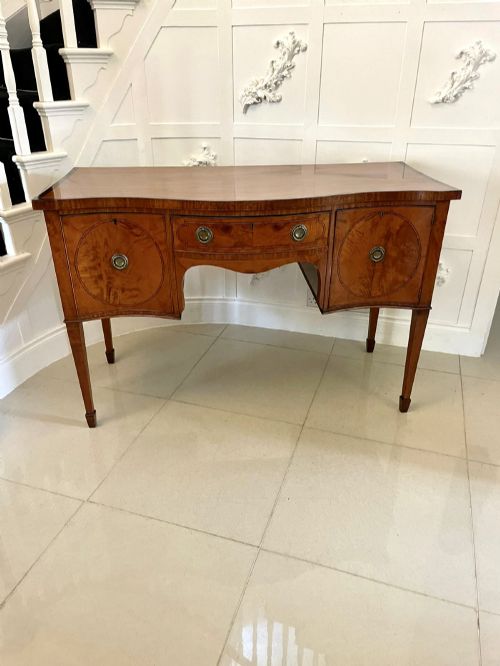
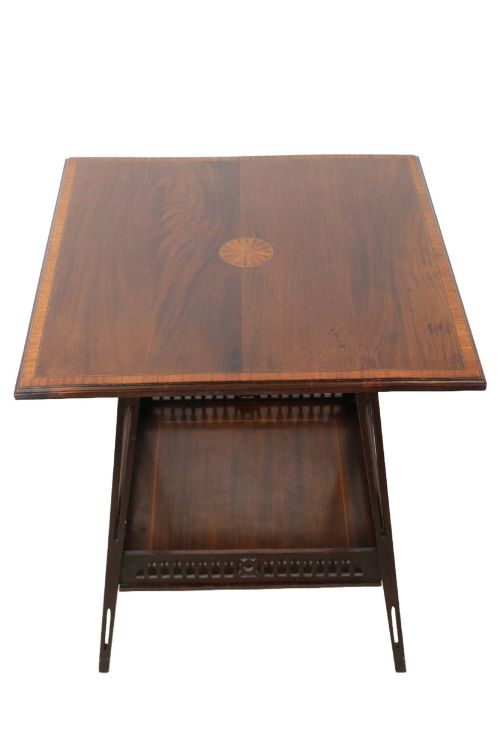
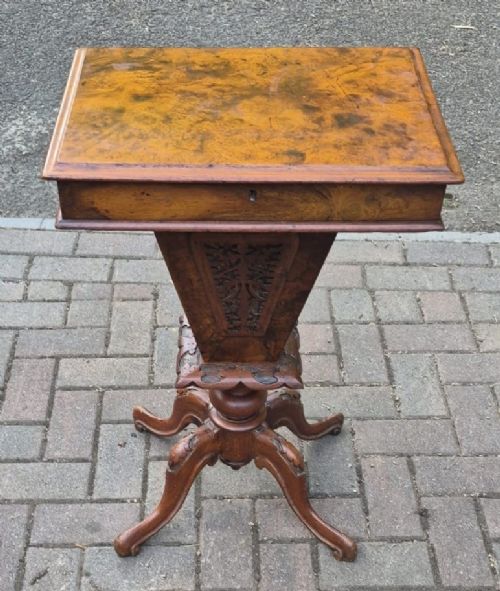
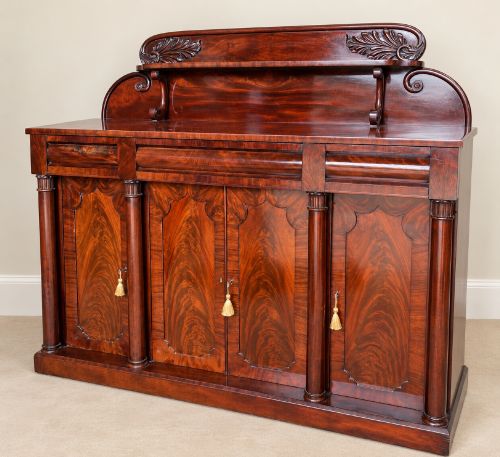
Makers utilised dense hardwoods such as oak, walnut, and mahogany, selecting boards for strength and distinct grain patterns. Burr walnut and satinwood veneers added decorative contrast to surface areas on finer occasional tables and sideboards.
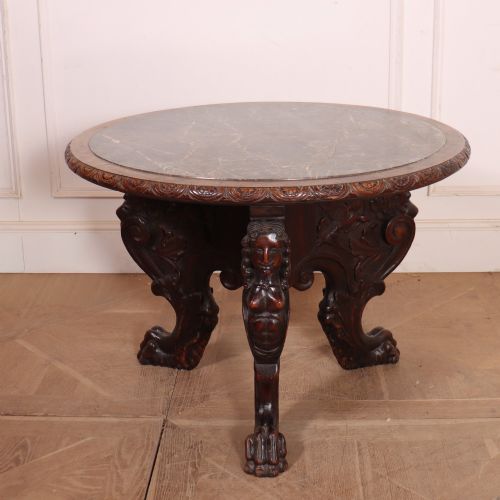
Carpenters employed traditional joinery techniques, incorporating draw leaf mechanisms for extending dining tables and sturdy framing for refectory and farmhouse builds. Hand-carved decorative motifs, including fruiting vines and geometric relief work, were applied directly to the solid timber structures.
Listings feature oak, walnut, and mahogany across Victorian, Edwardian, and earlier centuries.
What varies in quality
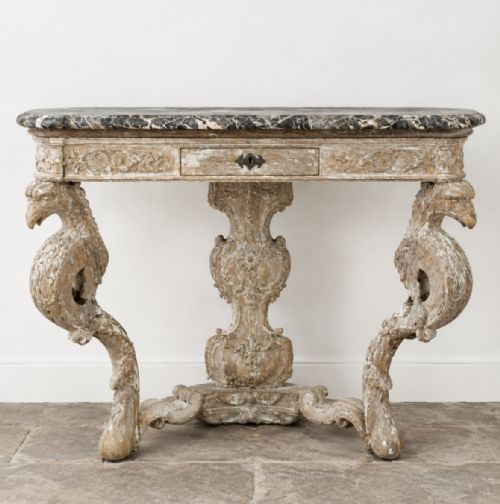
The depth and crispness of the hand-carved ornamentation separate standard utility items from exceptional examples. Skilled carving displays sharp undercut details and proportional balance rather than shallow, mechanical pressing.
Timber selection and matching dictate the visual hierarchy of the piece, particularly where burr walnut or figured mahogany veneers are utilised. Solid construction integrity, such as tightly fitted joints and original draw leaf mechanisms, underpins the lasting value of the furniture.
Trevor Page and Co·H.A.C.
The Carved Wooden Table Glossary
- Refectory table
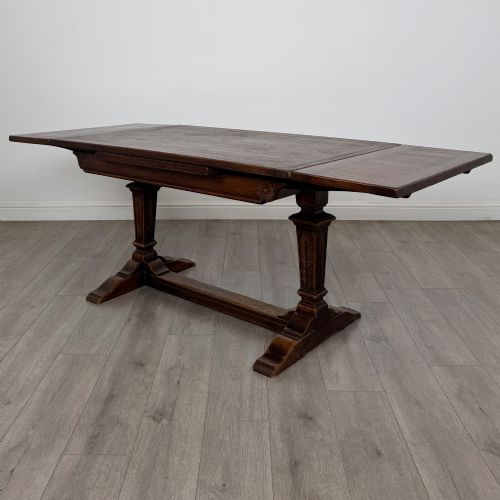
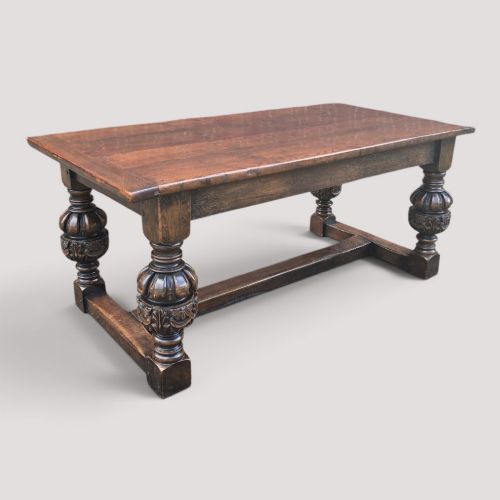
- A long, narrow dining table traditionally used in communal halls and characterised by substantial legs connected by a low stretcher. These pieces offer significant surface area and sturdy framing.
- Draw leaf table
- An extending table featuring two leaves hidden beneath the main top that pull out to lengthen the surface. This clever mechanism allows the table to expand without requiring separate stored boards.
- Cricket table
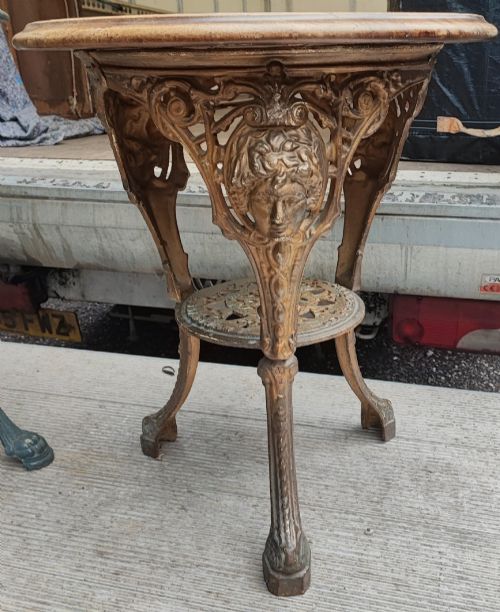
- A small, lightweight occasional table typically featuring three legs and a round wooden top. The design ensures stability on uneven floors.
- Burr walnut
- Timber taken from a walnut tree growth featuring swirling, irregular grain patterns. It is sliced into veneers to ornament the surfaces of high-status furniture.
- Bobbin leg
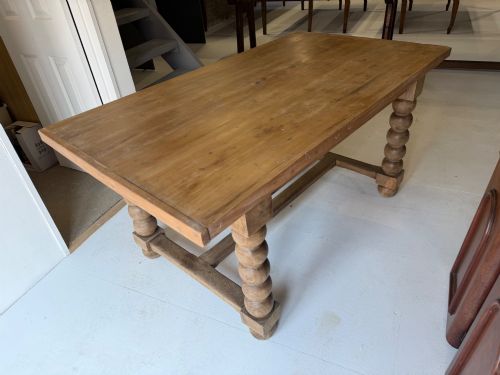
- A turned furniture leg shaped to resemble a series of wooden bobbins or spools stacked end to end. This decorative turning style appears frequently on nineteenth-century pieces.
Carved Wooden Table: Frequently Asked Questions
What is a refectory table?
A refectory table is a long, narrow dining table built for communal meals and supported by sturdy legs joined by a floor-level stretcher. These pieces provide generous surface space for large gatherings.
Originating in monastic dining halls, domestic iterations appeared in oak during the seventeenth century and later revival periods. Their solid construction makes them enduring choices for modern dining rooms.
Where should I place a centre table?
A centre table is designed to stand free in the middle of a room rather than pushed against a wall. This allows the piece to be viewed from all sides.
In period homes, these tables held lamps, books, or decorative objects in large reception rooms. They work well in spacious hallways or living areas as a focal point.
What distinguishes Edwardian oak furniture?
Edwardian oak furniture often reflects revival styles while adopting lighter proportions than heavy Victorian counterparts. Makers utilised carved details inspired by earlier centuries alongside practical domestic forms.
These pieces suit contemporary interiors due to their functional size and warm timber tones. The period embraces both refined dining suites and modest occasional stands.