

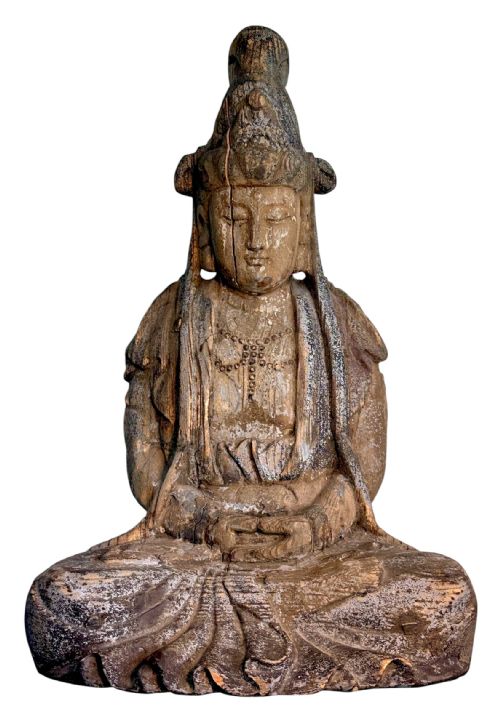


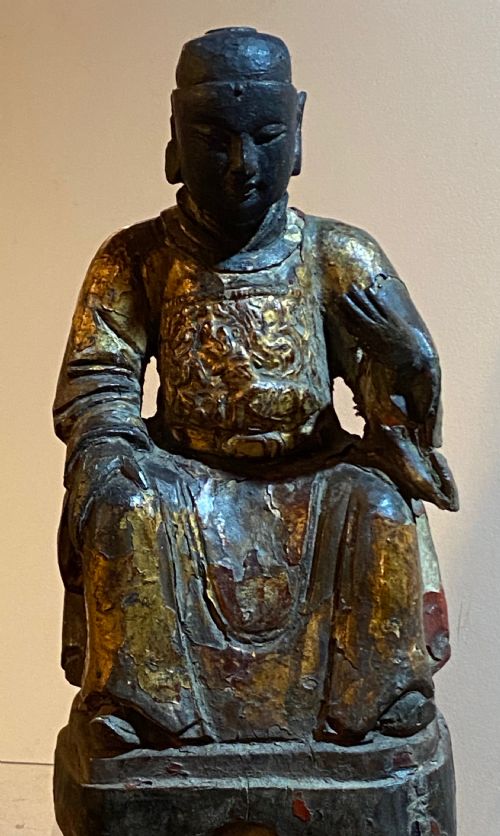
Carved Wooden Seated Figure
A carved wooden seated figure brings centuries of portraiture and devotion into a room, capturing human and divine forms at rest.
Carved Wooden Seated Figure
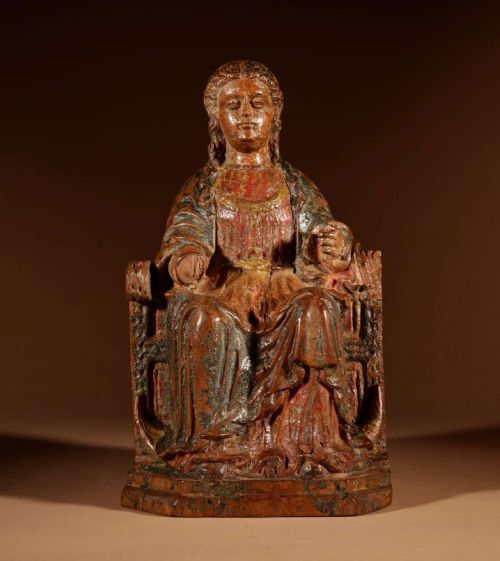
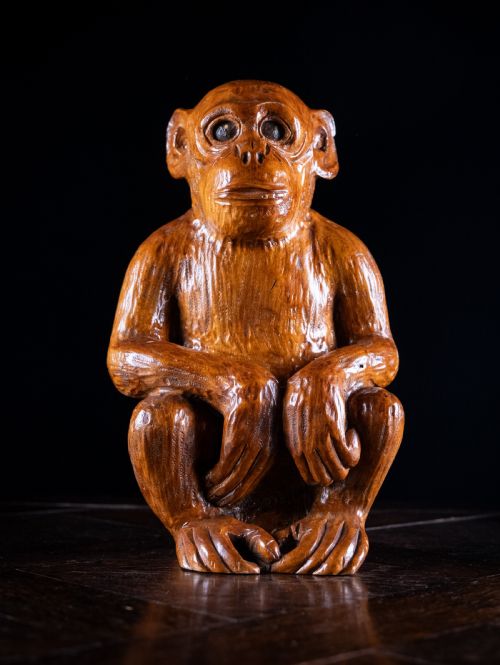
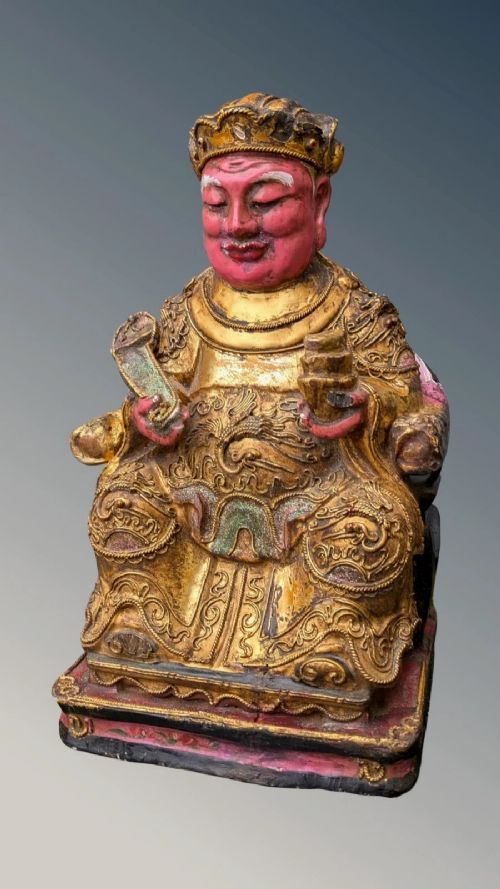
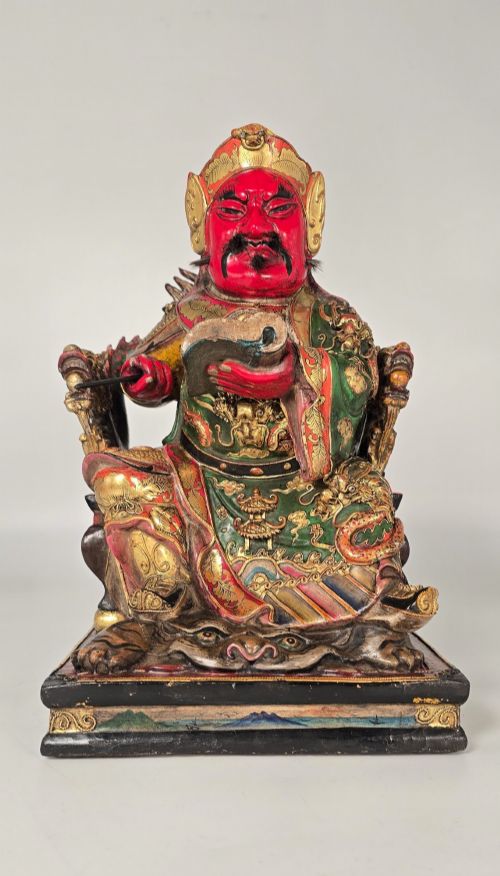
A carved wooden seated figure encompasses sculptures and statues representing deities, deities on thrones, and figures of scholars or animals from various global traditions. When searching for a carved wooden seated figure, collectors encounter examples ranging from sixteenth-century European religious subjects to eighteenth-century Chinese deities and twentieth-century folk art. The forms include Madonnas on thrones, Buddha figures, and tribal hardwood studies.
The materials and origins span diverse traditions, with walnut, limewood, fruitwood, and various hardwoods appearing alongside polychrome and lacquered surfaces. European pieces sit alongside Chinese Qing period deities, Southeast Asian Buddhas, and Anglo-Indian elephant studies. These works reflect both ritual functions and domestic display.
Materials and carving techniques
Carved wooden seated figures rely on dense timbers such as walnut, fruitwood, limewood, and imported hardwoods that allow for precise cutting and high relief work. Artisans shape the raw wood using specialised gouges and chisels to establish the posture of the seated subject and the folds of drapery.
Many surfaces receive additional treatment through gesso, gold leaf, lacquer, or polychrome paint applications. These finishes protect the timber while adding colour and decorative detail to ritual and decorative sculptures.
Listings feature works spanning from the sixteenth century to the mid-twentieth century, utilising walnut, limewood, fruitwood, and gold leaf.
Distinctions in craftsmanship
The strength of a carved wooden seated figure depends on the depth and precision of the carving, particularly in facial expressions, hands, and the treatment of textiles or thrones. Master carvers achieve natural weight and proportion even within stylised religious or traditional constraints.
The preservation of original surface treatments, such as polychrome pigment, lacquer, or gilding, alters the character and integrity of the piece. Subtle tool marks and anatomical confidence separate ambitious studio work from simpler folk or mass-produced items.
Hans Müller
The Carved Wooden Seated Figure Glossary
- Polychrome
- Decoration consisting of several colours applied to the surface of wood or gesso. This technique brings depth and realism to ritual figures.
- Gesso
- A plaster mix applied to wood as a smooth base for gilding or paint. It provides a crisp surface for fine decorative detail.
- Hardwood
- Dense timber from broad-leaved trees, used for intricate carving and durability. These woods resist warping and hold sharp detail.
- Throne
- An ornate seat symbolising authority, often supporting religious figures or deities in sculpture. They range from simple stools to elaborate architectural seats.
- High Relief
- A sculptural technique where figures project far from the background surface. This method creates strong shadows and three-dimensional presence.
Carved Wooden Seated Figure: Frequently Asked Questions
How are seated figures dated?
Dating relies on tool marks, timber choice, and stylistic conventions associated with specific periods like the Qing Dynasty or the Renaissance.
Surface finishes such as early lacquer or traditional polychrome also provide clues to the era of creation.
Where were these figures placed?
Many figures served ritual functions on altars or shrines in domestic and religious settings.
Others functioned as study ornaments or decorative objects within European and Asian interiors.
What woods were commonly used?
Carvers utilised local and exotic timbers including walnut, limewood, fruitwood, and dense tropical hardwoods.
The choice depended on availability and the level of fine detail required for the subject.
How do I care for wooden sculptures?
Keep wooden figures away from direct sunlight and sudden temperature changes to prevent the timber from splitting.
Dust gently with a dry, soft cloth and avoid chemical polishes that might damage original surfaces.