



Carved Wooden Rocking Horse
A carved wooden rocking horse brings the charm of traditional playrooms into modern spaces with classic craftsmanship.
What these carved wooden rocking horses are
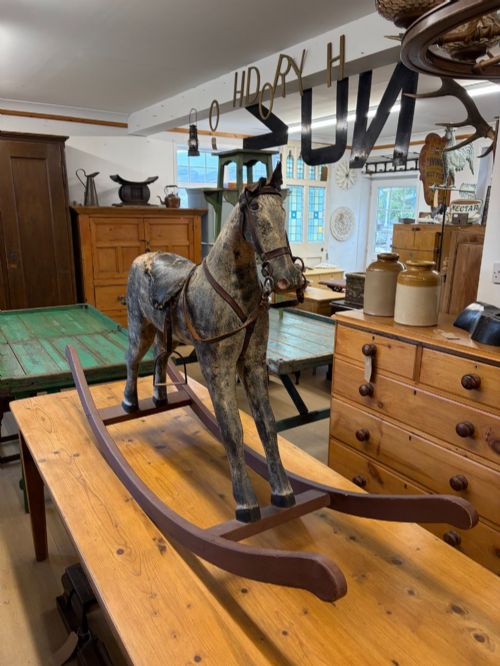
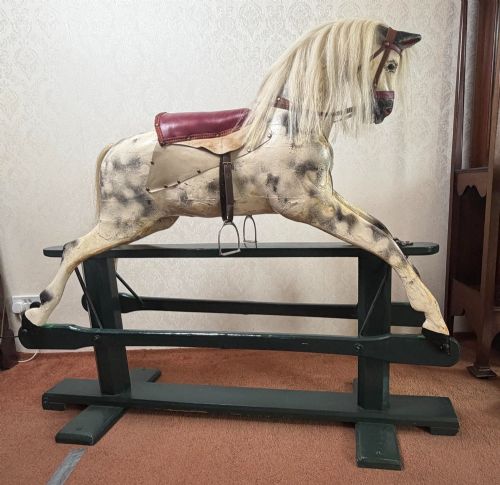
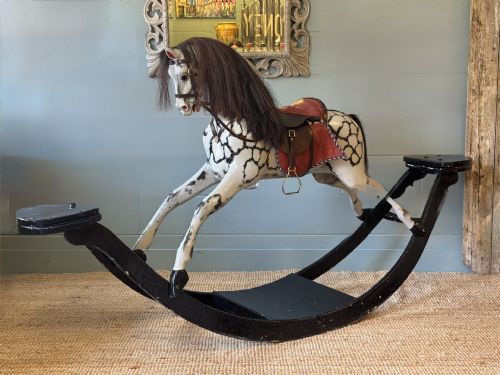
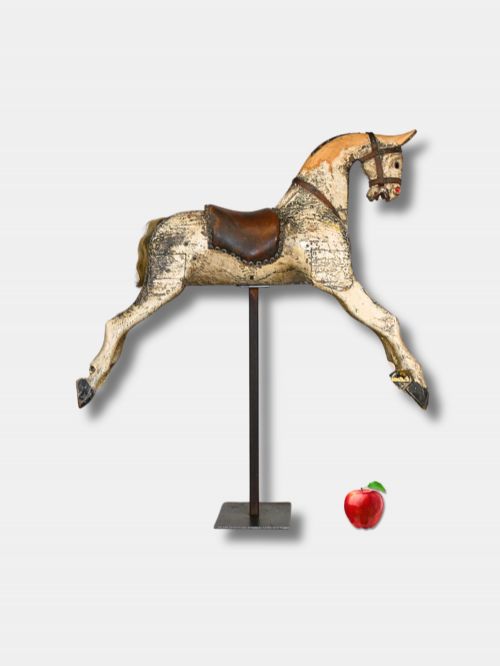
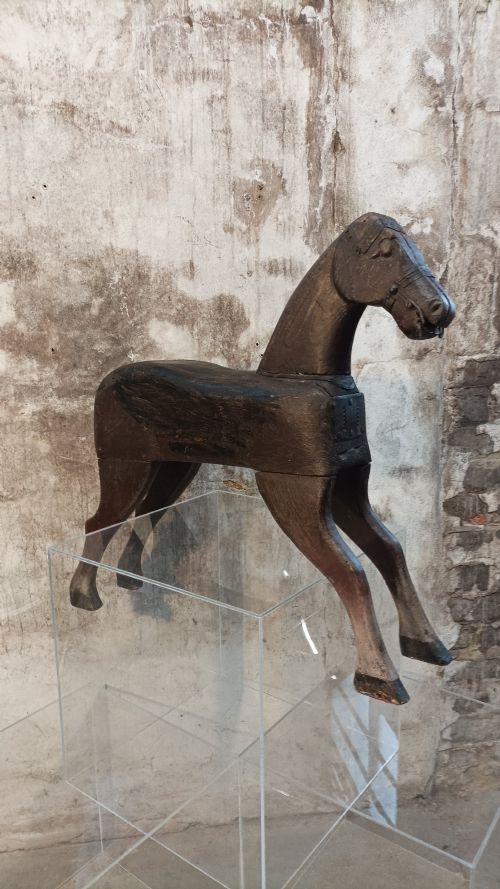
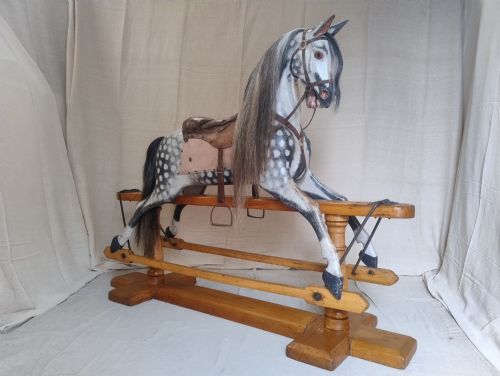
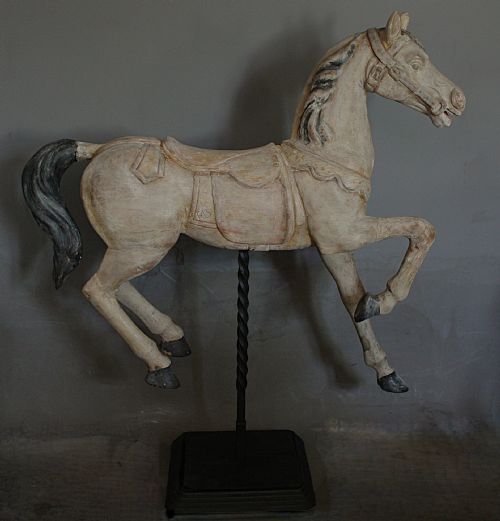
A carved wooden rocking horse represents a traditional children's toy, appearing in Victorian, Edwardian, and later twentieth-century forms. These pieces combine sculptural wood carving with functional rocking mechanisms, often mounted on pine trestle bases or curved wooden rockers.
The most common examples on this page date from the Victorian era up to the nineteen-thirties, reflecting classic British toy-making traditions. Buyers encounter various sizes, ranging from standard proportions to extra-large models designed for older children.
How they were made
Maker's workshops built these figures primarily from solid wood, shaping pine and other timbers through detailed hand carving. Metal and iron components reinforced the rocking action and internal structures, whilst steel parts secured the moving joints.
Finishing details included traditional painted surfaces, often styled in dappled grey, alongside applied leather saddles and horsehair manes and tails.
Retail Price Guide 2026
Typical UK retail prices for carved wooden rocking horse, calculated from the Sellingantiques database of over a million retail prices indexed since 2003. This retail price guide relies exclusively on Sellingantiques data; no external sources or auction records are used, so the figures do not describe the wider market.
Listings feature carved wooden rocking horses spanning from the Victorian period through to nineteen-thirty, incorporating materials like horsehair, leather, and iron.
What varies in quality
Quality rests in the anatomical precision of the carving and the complexity of the painted finish, where skilled layering creates realistic dapple effects. Substantial scale and robust structural timber frames distinguish the most impressive examples from simpler workshop output.
The survival of original tack, including genuine leather components and natural horsehair, elevates the historical integrity of a piece. Maker attribution, such as documented work by known firms, separates standard decorative toys from significant collector items.
F.H. Ayres·Collinson and Sons
The Carved Wooden Rocking Horse Glossary
- Dappled grey
- A traditional painted finish featuring small spots or rosettes over a lighter base coat, emulating a specific horse coat colour.
- Pine trestle base
- A sturdy wooden support frame upon which the rocking horse body mounts, providing stability during movement.
- Curved wooden rockers
- The arced wooden feet attached beneath the horse or its stand that allow the rocking motion.
- Tack
- The equipment fitted to the horse for riding, including leather saddles and bridles seen on traditional models.
Frequently Asked Questions
How do I date a rocking horse?
Dating relies on stylistic clues, construction methods, and materials such as the type of ironwork and wood used. Victorian and Edwardian examples often feature distinct carving styles compared to pieces from the nineteen-thirties.
Examining the paint layers and underlying timber helps narrow down the period of manufacture. Documented makers also provide definitive manufacturing eras.
What maintenance do they need?
Preserving a carved wooden rocking horse involves keeping it away from direct sunlight and damp environments to protect the wood and paint. Gentle dusting with a dry cloth prevents dirt build-up on the horsehair and leather.
Avoid harsh chemical cleaners that might damage historical painted finishes or dry out the leather tack. Professional conservation advice helps address any structural wear.
How do I style a rocking horse at home?
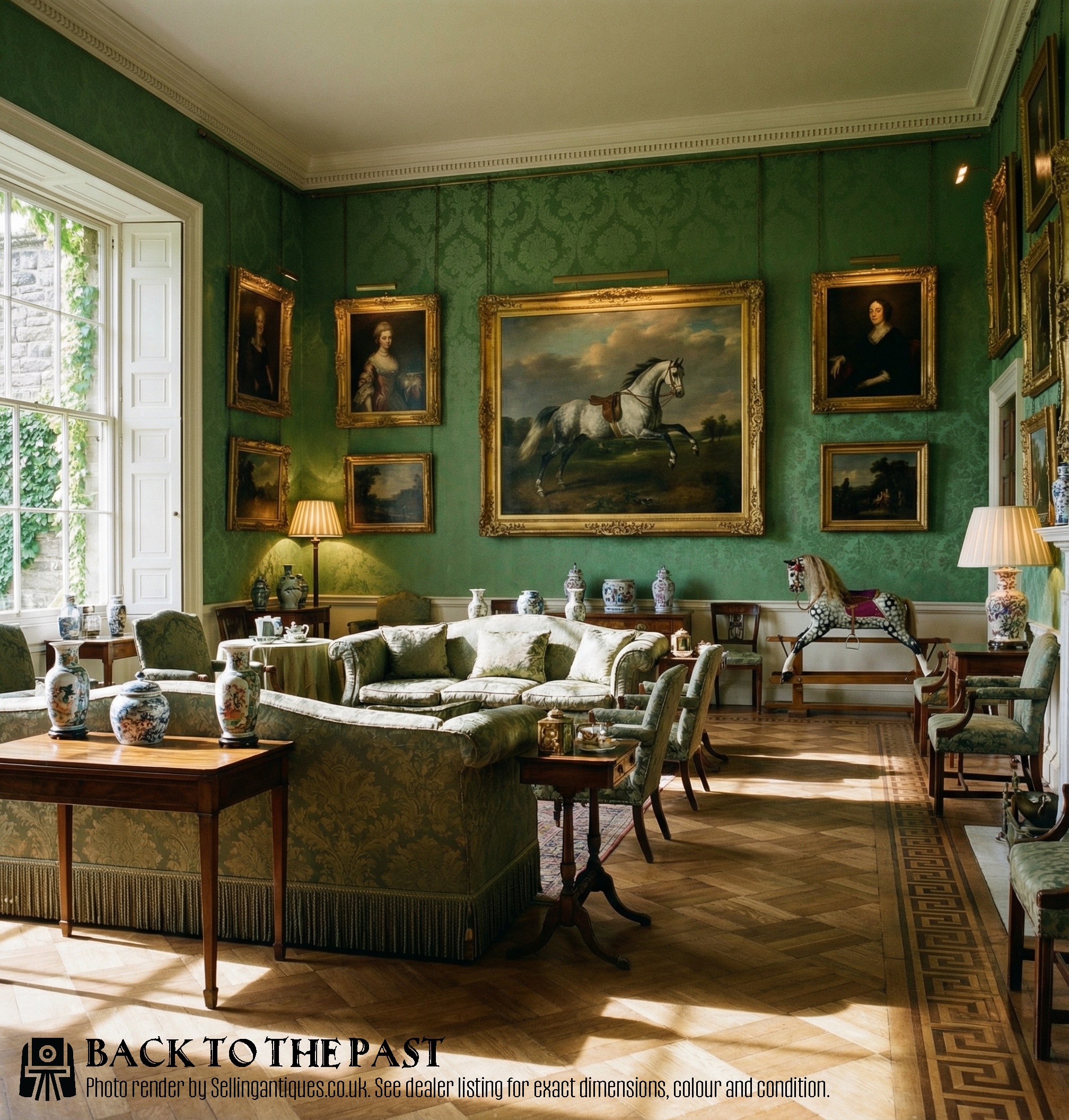
A carved wooden rocking horse serves as a striking focal point in living rooms, hallways, or traditional nurseries. Positioning the piece on a sturdy floor allows its curved rockers or pine trestle base to sit naturally.
Pairing the toy with neutral backgrounds lets the dappled grey paint and carved details stand out. The substantial scale of extra-large models commands attention in larger interior spaces.