
Carved Wooden Relief
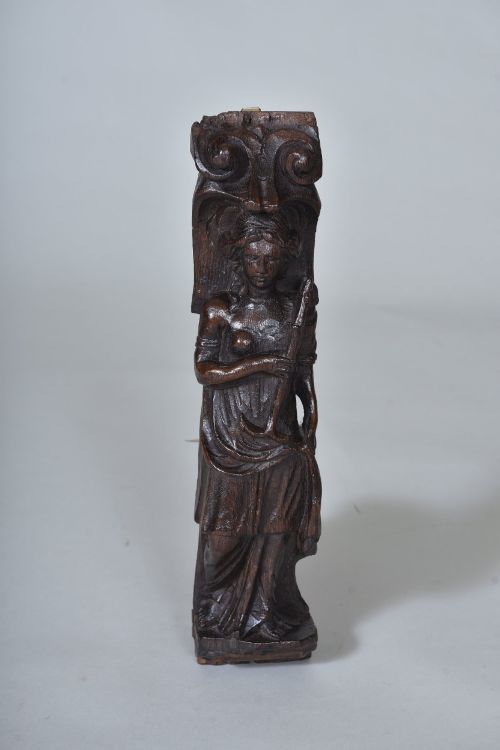
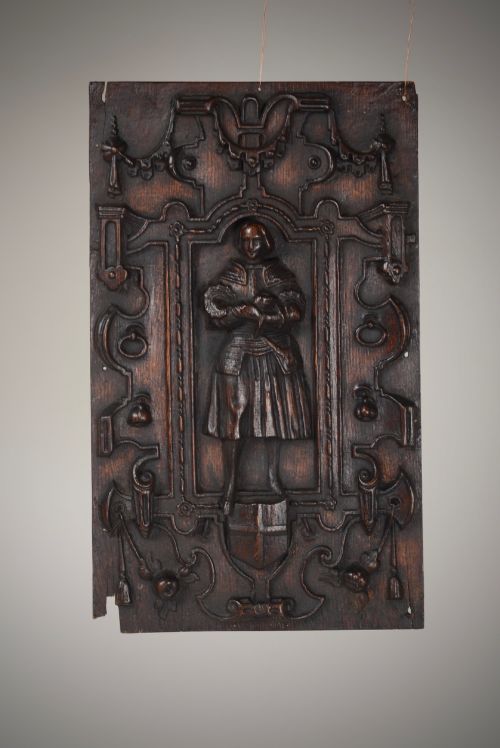
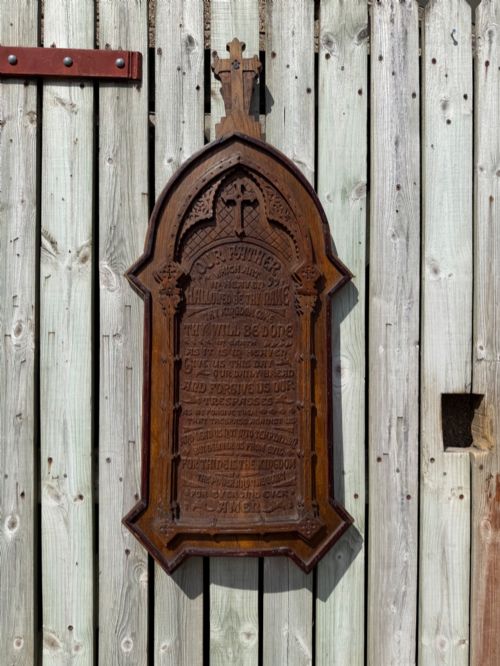
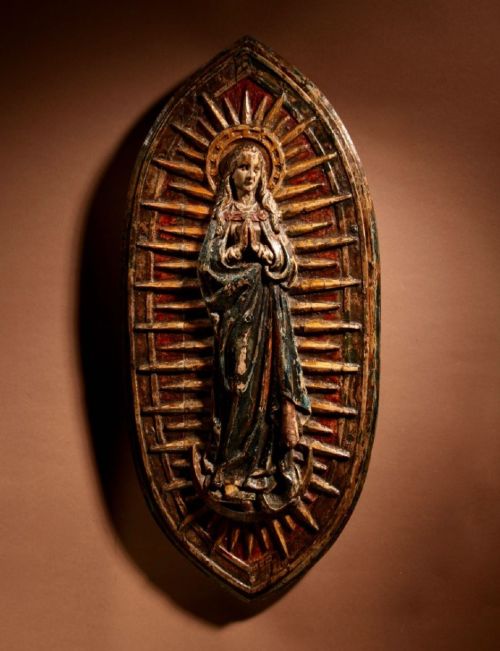
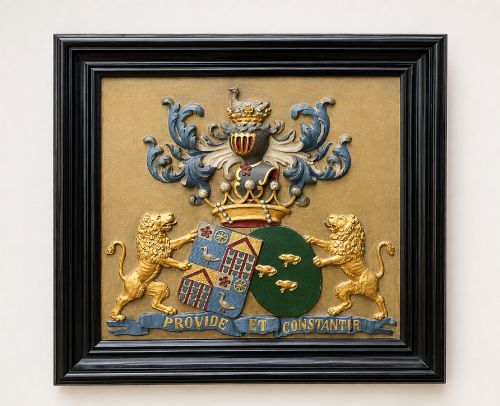
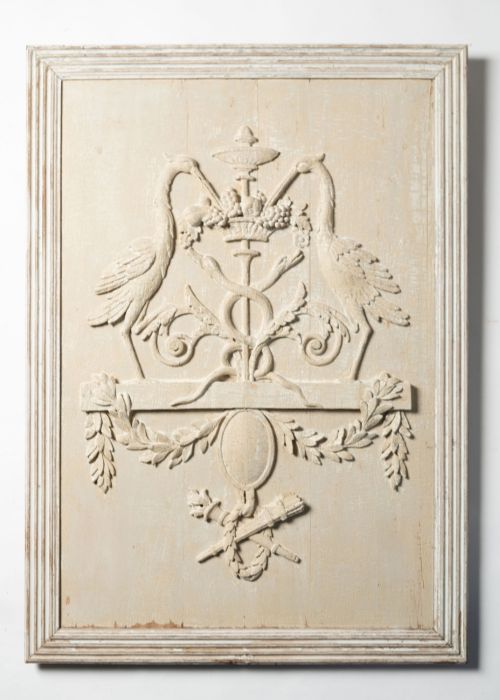
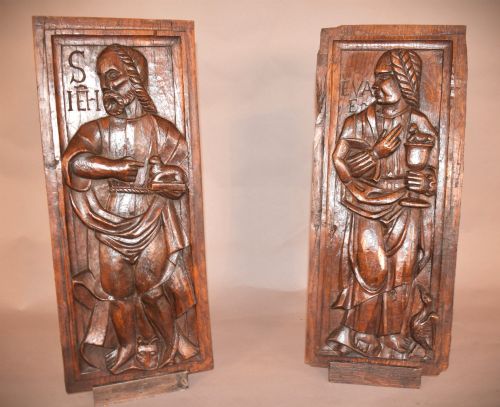
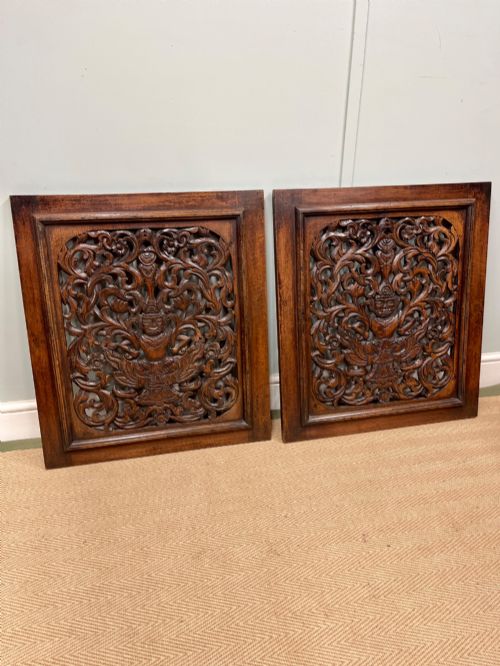
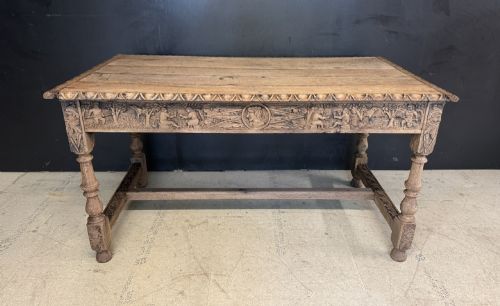
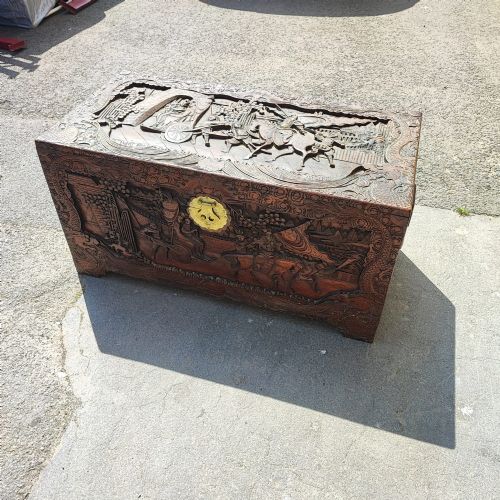
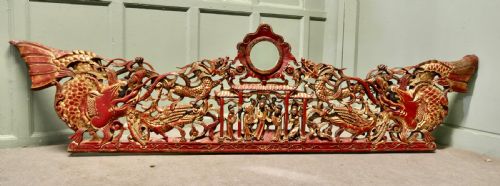
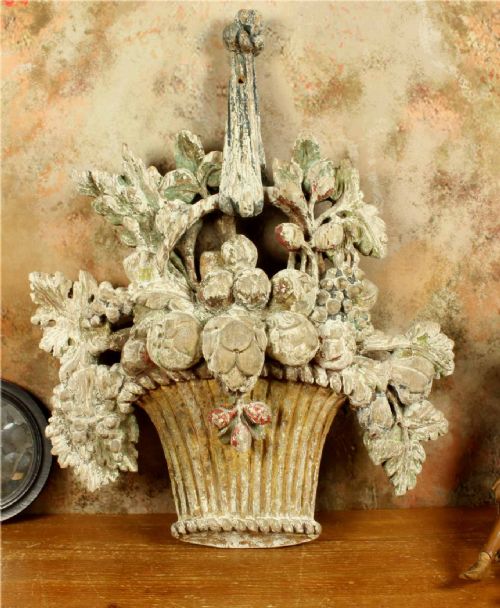
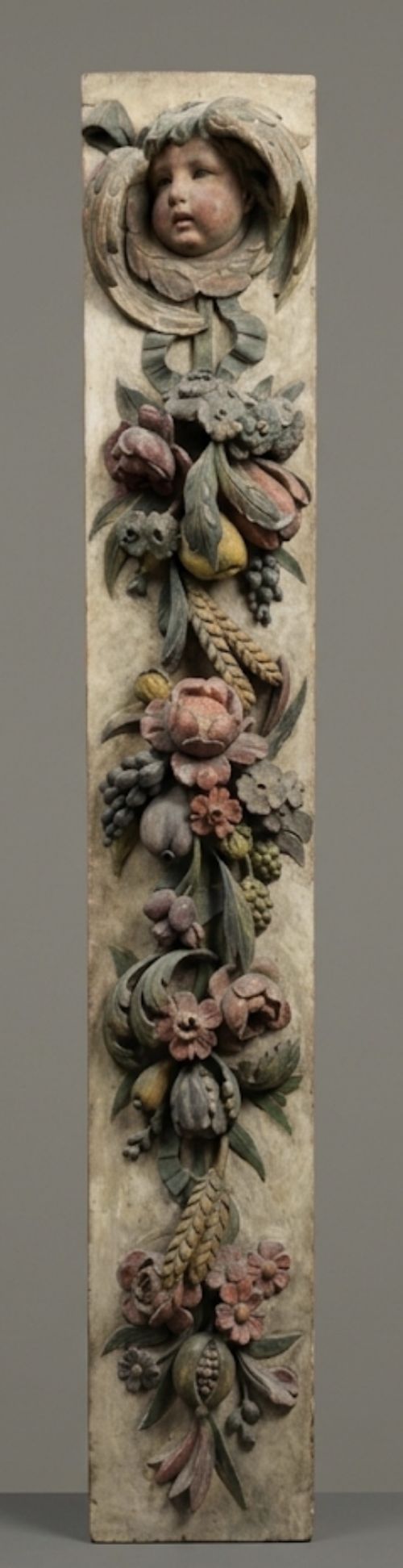
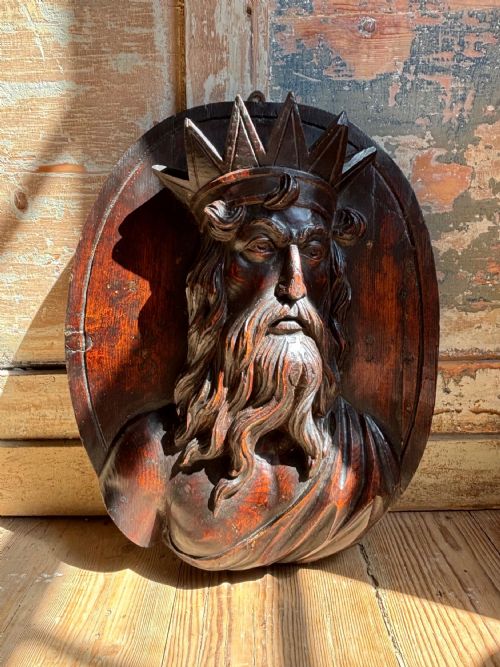
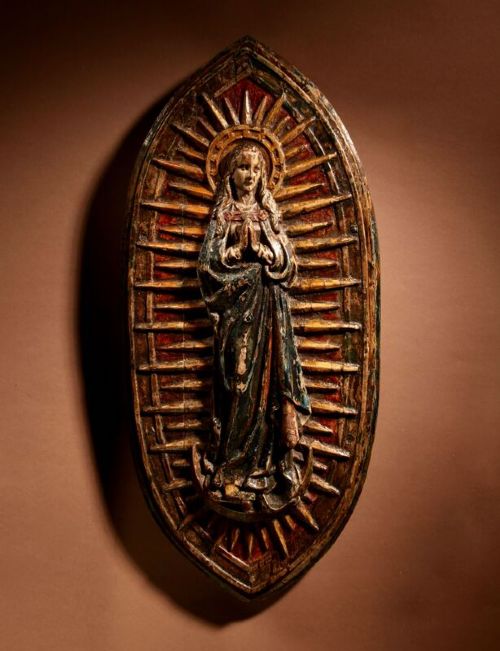
These pieces of carved wooden relief span centuries, taking the form of architectural salvage, wall plaques and figural panels.
Carved Wooden Relief
A carved wooden relief represents sculptural work where figures and motifs project from a flat background. When searching for carved wooden relief, buyers encounter items ranging from medieval oak panels and architectural salvage to domestic decorative plaques spanning multiple centuries.
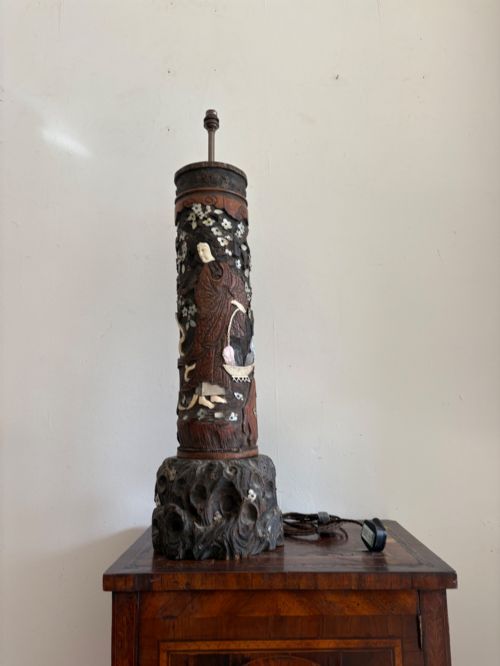
The selections on this page demonstrate considerable breadth in origin and form, including European heraldic panels, religious sculptures, and Oriental temple pediments. Pieces frequently originate from distinct historical contexts such as seventeenth-century oak carvings or nineteenth-century decorative wall art.
Domestic interiors and specialist collections often accommodate these items as wall plaques, ceiling boss panels, or overmantles. The most frequently encountered examples on this page are wall panels and architectural fragments repurposed from earlier domestic or ecclesiastical settings.
Materials and construction methods
Makers utilised dense timbers suited to detailed incision, predominantly oak, walnut, chestnut, and limewood. These woods provided the structural stability required for intricate figurative and floral carving.
Surface treatments frequently involved gesso, gold leaf, and polychrome paint applications. These coatings added colour and definition to the carved surfaces, particularly on religious groups and ceremonial plaques.
Several panels depict distinct personalities, including Joan of Arc, Neptune, and a royal king and queen.
Distinctions in craftsmanship
Depth of incision and clarity of detail separate standard decorative items from superior sculptural works. Sharpness in facial expressions and drapery folds indicates skilled hand work.
The integrity of the timber ground and the preservation of original surface finishes influence the character of each piece. Intact polychrome pigments or original gilding contribute to the historical weight of an item.
The Carved Wooden Relief Glossary
- Relief
- Sculpture in which figures project from a background plane. This technique defines the primary category of items found in these listings.
- Panel
- A flat piece of wood, often rectangular, serving as a support for carved scenes or heraldic motifs. Panels frequently originate from larger architectural settings.
- Gesso
- A plaster mixture applied to wood surfaces as a preparation for painting or gilding. This ground layer appears on polychrome and gilt objects.
- Polychrome
- Decorated in a variety of colours. Painted wooden sculptures often retain traces of these original pigments.
- Pediment
- The triangular or decorative gable crowning a structure or furnishing. Temple pediments appear among larger architectural salvage pieces.
Carved Wooden Relief: Frequently Asked Questions
What periods do these carvings date from?
The inventory encompasses items spanning several centuries, ranging from sixteenth-century ecclesiastical panels to nineteenth-century decorative plaques.
Most examples date between the seventeenth and nineteenth centuries, reflecting diverse European and Oriental traditions.
How were wooden wall panels originally used?
Many panels originated as structural elements within domestic interiors, churches, or furniture pieces.
Over time, items such as marriage plaques, ceiling bosses, and architectural fragments were removed and preserved as standalone wall art.
How should I hang a heavy wooden relief?
Due to the substantial weight of dense timbers like oak and walnut, secure wall fixings are essential.
Professional framing or heavy-duty brackets designed for architectural salvage support the structural load safely.
How do I distinguish European styles?
Stylistic indicators such as Gothic Revival tracery, Baroque asymmetry, or Neoclassical symmetry help identify regional periods.
Examining the tool marks and timber species alongside stylistic motifs clarifies the origin of each carving.