
Carved Wooden Relief Panels
These carved wooden relief panels span centuries and continents, offering tangible history and rich texture for any interior.
Carved Wooden Relief Panels
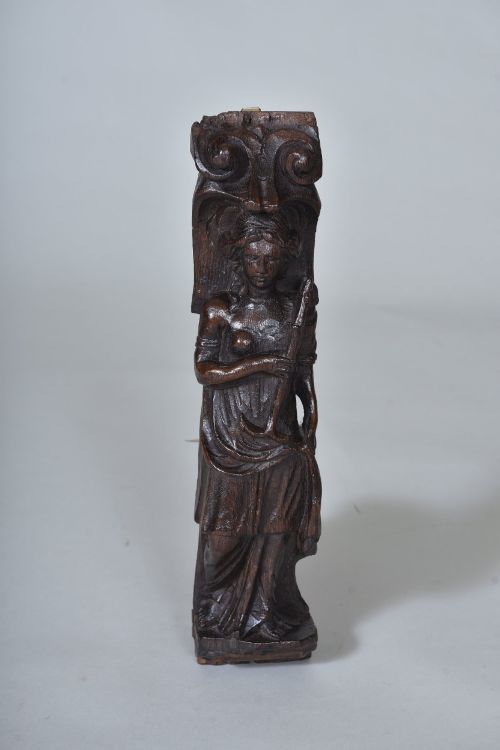
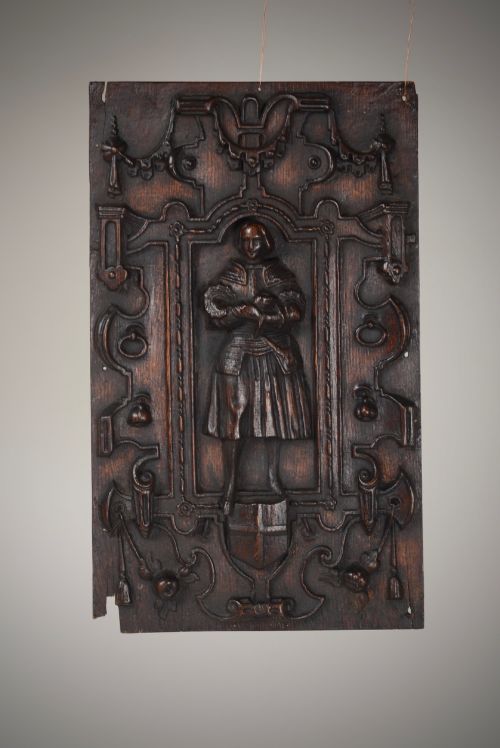
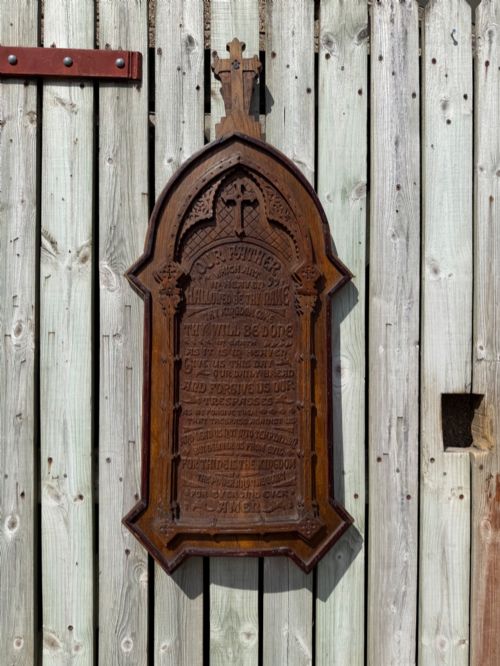
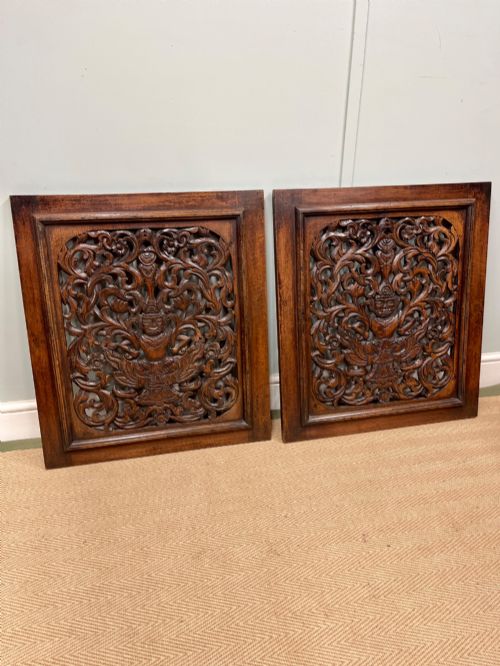
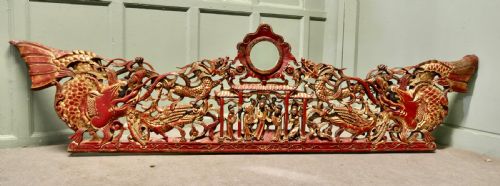
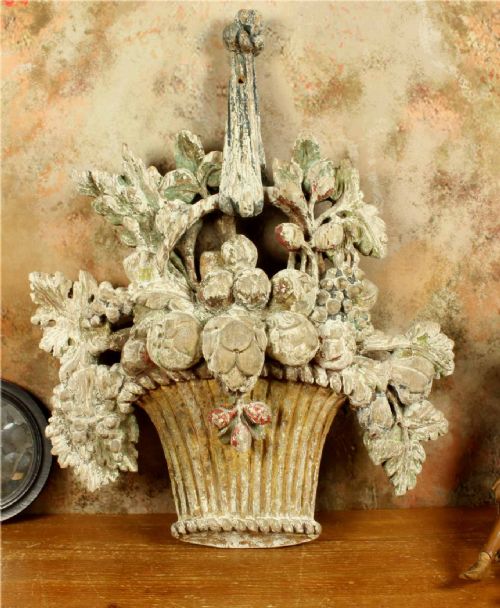
Carved wooden relief panels comprise architectural salvage, wall plaques, and sculptures originating from the sixteenth century onwards. Buyers searching this phrase meet everything from sixteenth-century European altarpiece fragments to nineteenth-century Chinese temple carvings.
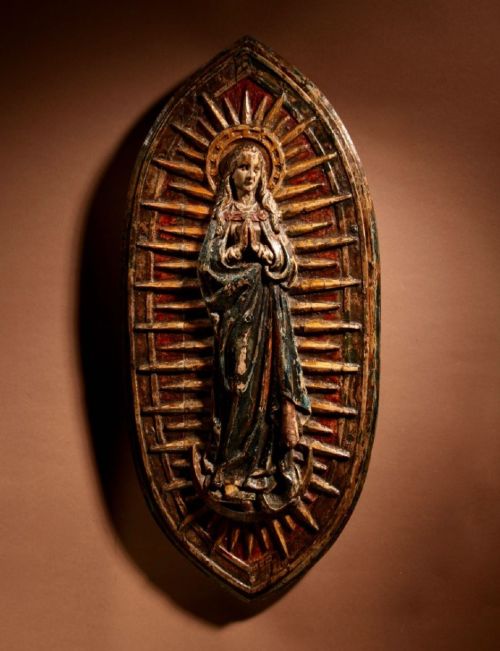
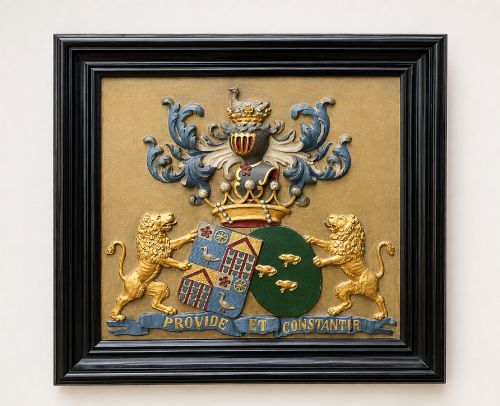
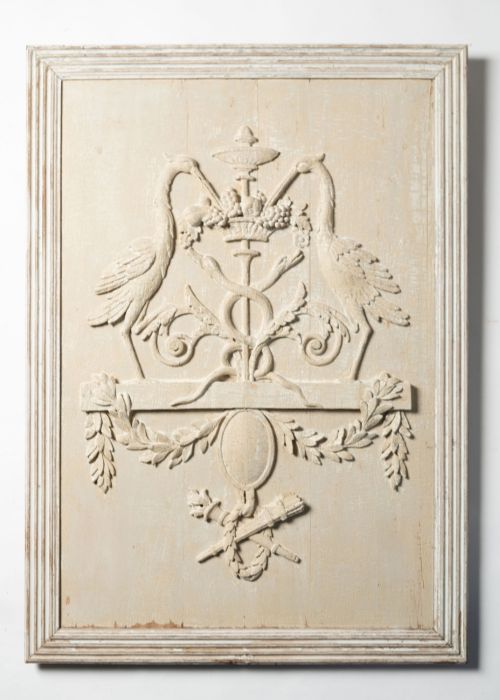
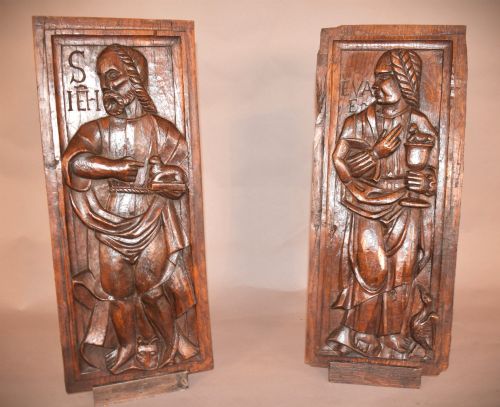
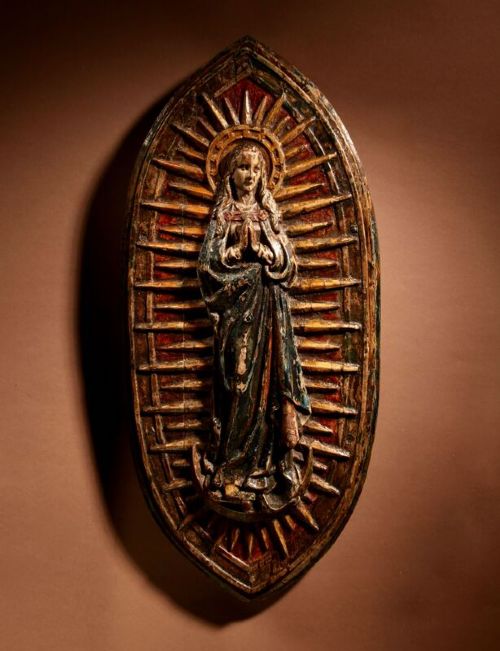
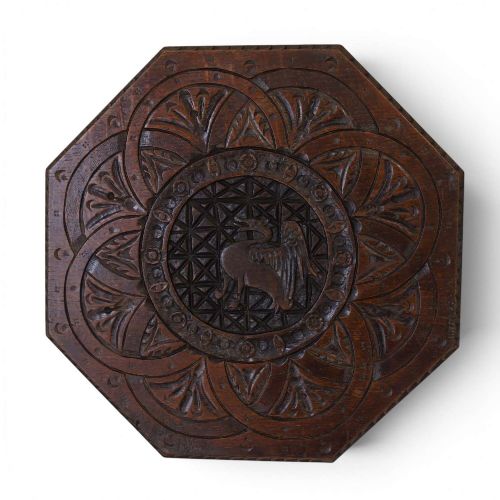
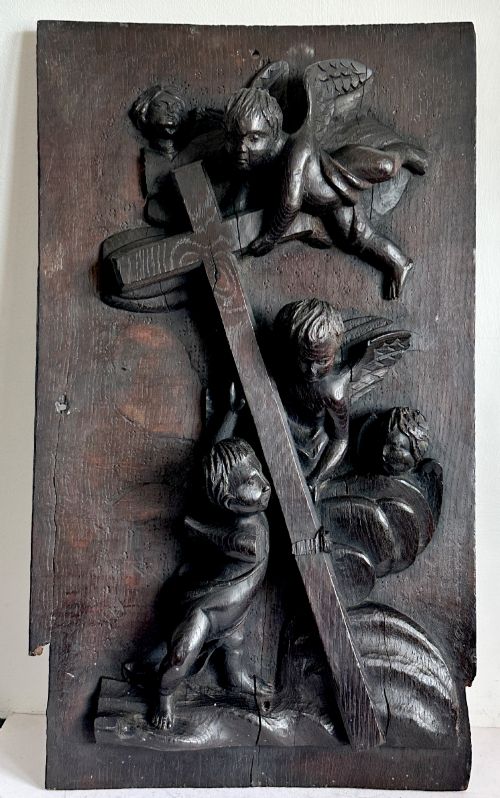
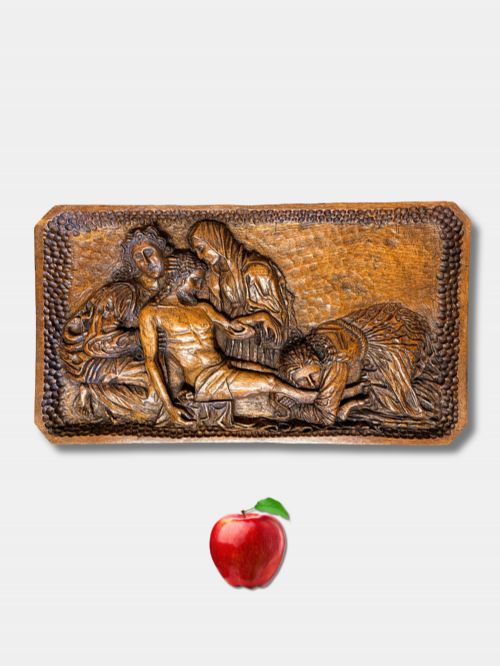
The selection ranges from ecclesiastical subjects like the praying Virgin and Christ's lamentation to secular marriage plaques and floral wall reliefs. Many items began life as furniture components, ceiling bosses, or overdoor decorations before becoming standalone wall art.
How they were made
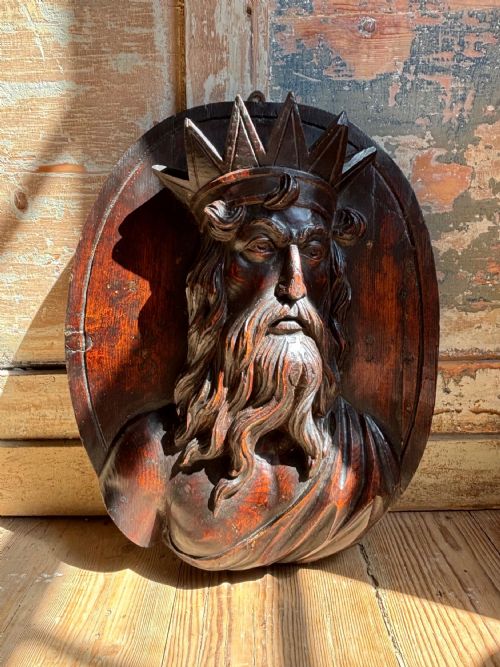
Craftsmen utilised timbers such as oak, walnut, chestnut, limewood, and exotic hardwoods, selected for density and grain. Carving was executed by hand using gouges and chisels to achieve varying depths of relief.
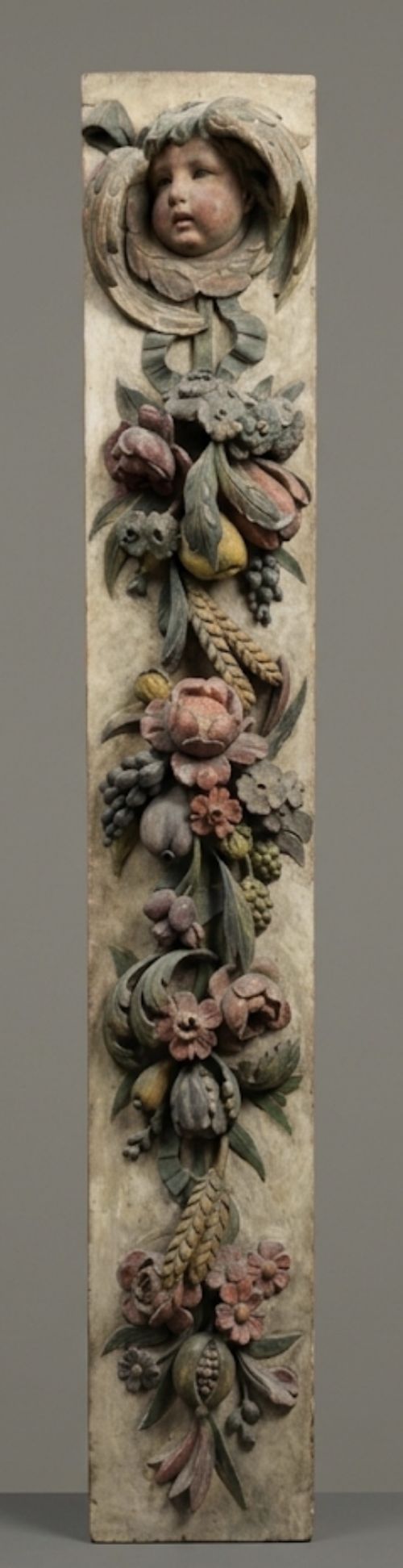
Surface treatments often included applied gesso, gold leaf, polychrome paint, or lacquer to enhance detail and protect the timber. Many works display the distinct marks of period hand tools rather than modern mechanical production.
Periods represented span from the sixteenth century through the seventeenth, eighteenth, and nineteenth centuries into nineteen hundred.
What varies in quality
Depth and crispness of the carving separate standard workshop output from exceptional artistry. Skilled hand work achieves anatomical precision and fluid drapery, whereas lesser examples appear stiff and shallow.
Original surface finishes such as early polychrome or giltwood retain higher desirability than stripped timber. The integrity of the panel construction and the survival of original joinery also influence overall standing.
Master Carver Edward Pearce·Van Rijckevorsel and Verheijen
The Carved Wooden Relief Panels Glossary
- Relief
- A sculptural technique where figures project from a flat background. High relief stands out significantly, while low relief remains closer to the plane.
- Polychrome
- The practice of decorating architectural elements or sculptures in a variety of bright colours. It appears frequently on early religious carvings.
- Gesso
- A plaster-like mixture applied to wood as a base for paint or gilding. This compound provides a smooth ground for intricate surface decoration.
- Ceiling Boss
- A decorative projecting block placed at the intersection of ribs in a ceiling. These architectural fragments often find new life as wall plaques.
- Trumeau
- A large vertical mirror or panel placed between windows. Period examples incorporate painted surfaces and carved wood details.
Carved Wooden Relief Panels: Frequently Asked Questions
Where were these panels originally displayed?
Many panels originated inside churches as altarpieces, rood screens, or ceiling bosses depicting biblical narratives. Others formed part of aristocratic wall panelling, overdoors, or furniture like box settles.
Secular examples served as marriage plaques, architectural fragments from demolished buildings, or decorative elements within grand European and Asian residences.
How do I care for antique carved wood?
Keep carved panels away from direct sunlight, radiators, and damp environments to prevent timber warping or cracking. Dust gently with a dry, soft brush rather than using chemical polishes.
Maintaining a stable room temperature preserves delicate gesso, paint, and gold leaf. Excessive cleaning strips away valuable patination accumulated over centuries.
How do I distinguish sixteenth-century panels from nineteenth-century revivals?
Sixteenth-century panels display authentic tool marks, heavy oak or walnut shrinkage, and period wear consistent with centuries of handling. Revival pieces often show machine intervention or synthetic adhesives.
Stylistic cues also help, as Gothic Revival and Renaissance Revival works produced in the nineteenth century interpret earlier motifs with different proportions and sharper edges.