
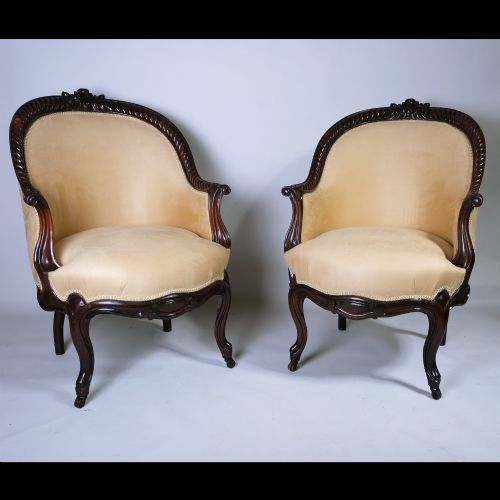
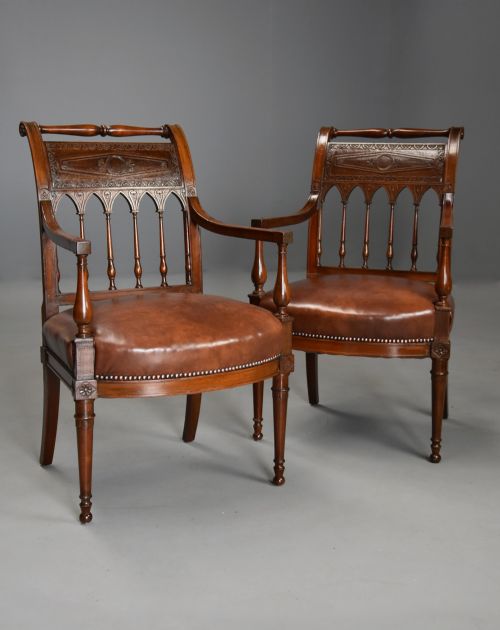
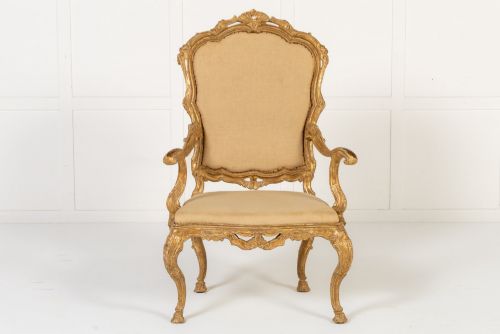
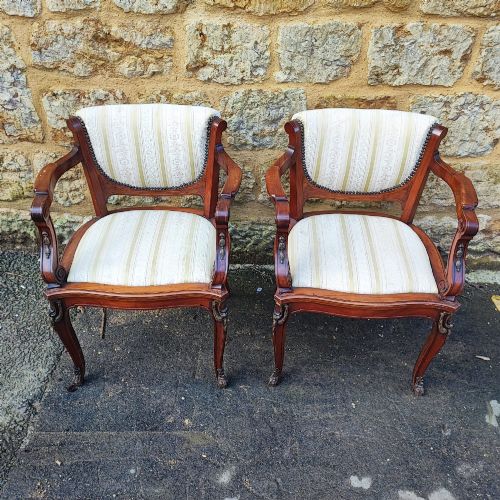
Carved Wooden Fauteuil
A carved wooden fauteuil brings classical French elegance to a room, offering an open-armed seat designed for relaxed conversation.
Carved Wooden Fauteuil
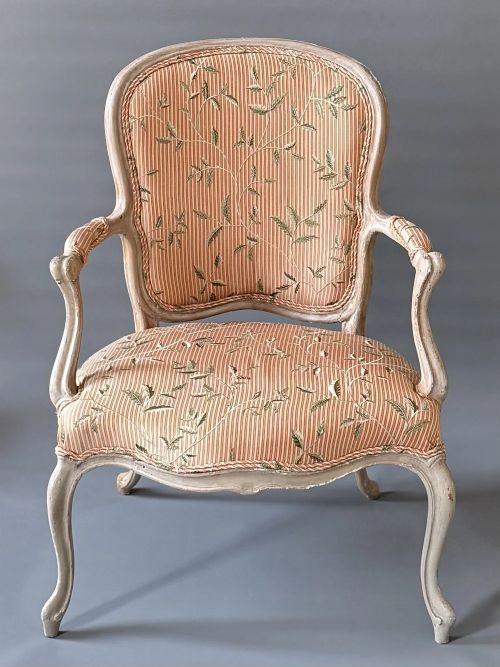
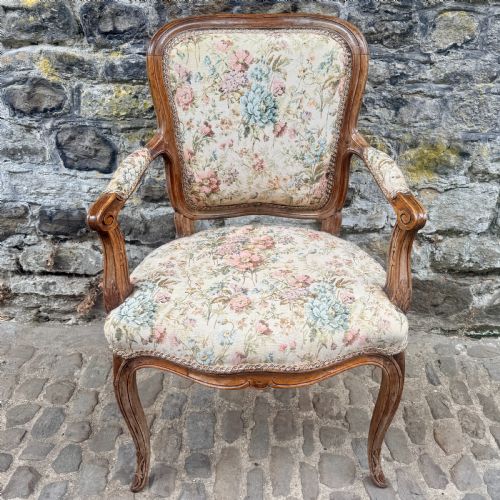
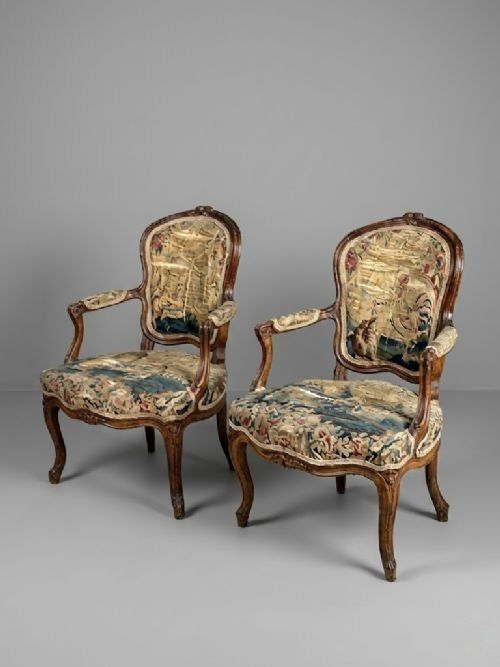
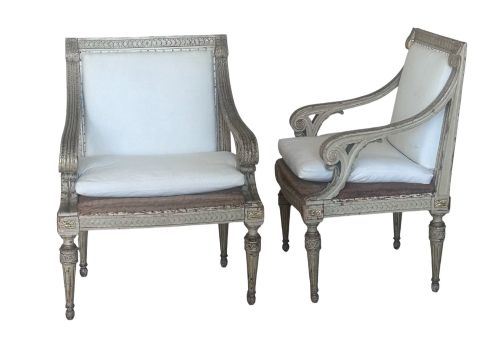
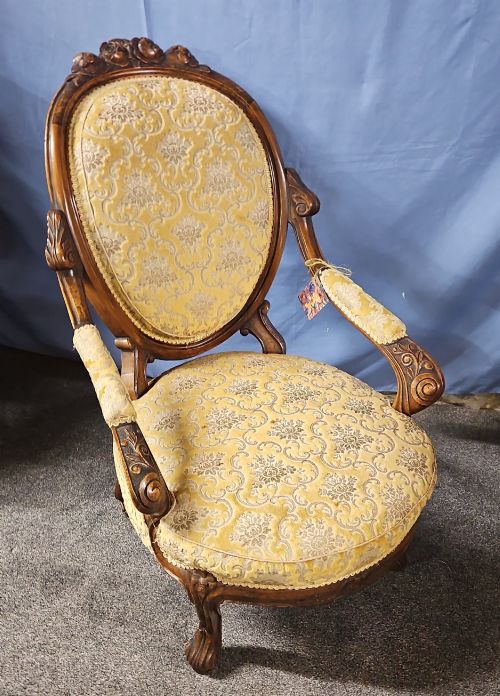
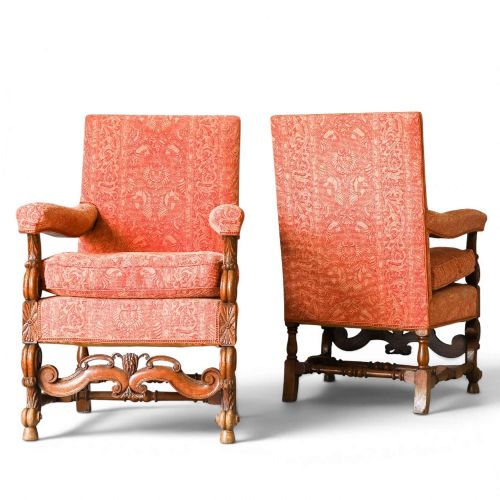
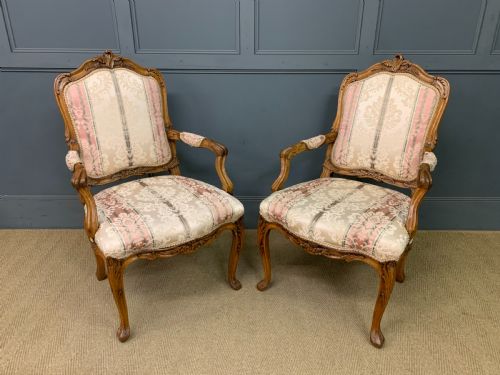
When you search for a carved wooden fauteuil, you encounter open-framed armchairs that date from the eighteenth century through to the early twentieth century. These seats reflect classical European designs, with French provincial, Louis style revivals, and Italian influences appearing frequently across the selection.
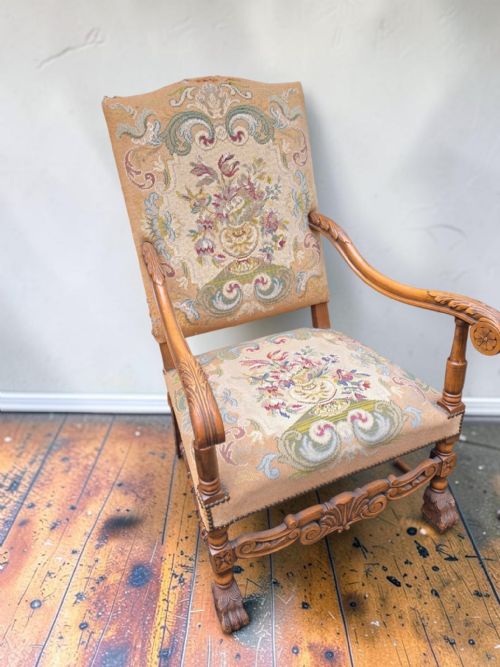
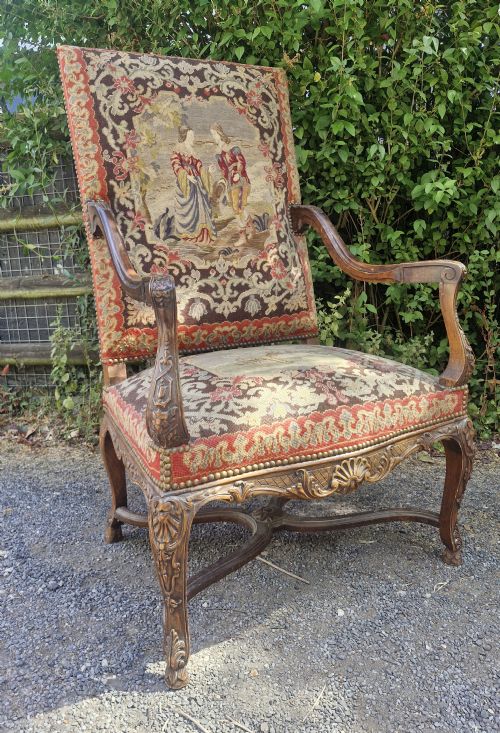
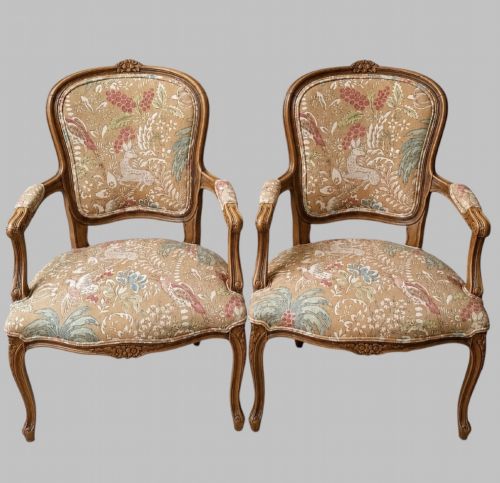
The pieces on this page span walnut, beech, and painted timbers, often retaining original needlework tapestry, fabric, or cane panels. Forms range from compact salon chairs to large scale library armchairs and matching pairs.
Earlier examples originate from the eighteenth century, while nineteenth-century revivals and early twentieth-century interpretations demonstrate the enduring popularity of these graceful frames.
Materials and construction methods
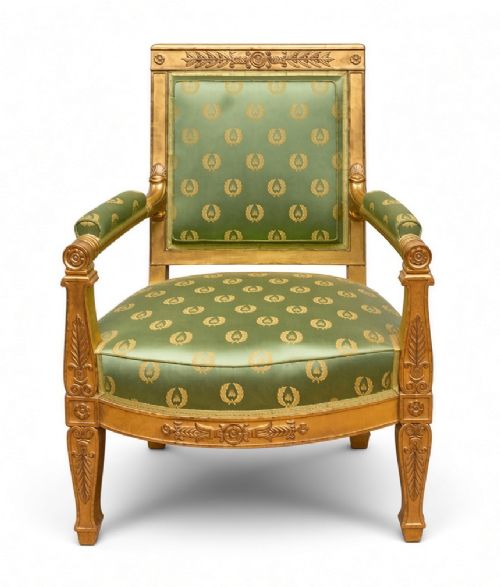
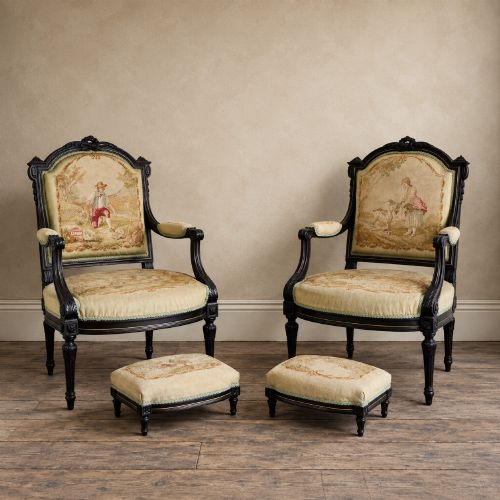
Makers shaped structural elements from dense hardwoods such as walnut, oak, and beech, which supported intricate hand-carved ornamentation along the crest rails, arms, and cabriole legs. Frames were frequently painted, gilded, or ebonised to complement interior schemes.
Upholstery methods utilised traditional stuffing techniques enclosed in period textiles, including needlepoint, tapestry, linen, and silk fabric panels. Cane work also provided a lightweight alternative for seat backs and panels in provincial seating.
Carved Wooden Fauteuil Retail Price Guide 2026
Typical asking prices for carved wooden fauteuil among the pieces listed under this phrase on Sellingantiques today, from the lower quarter to the upper quarter. They describe what is for sale here now, not the wider market.
Listings feature walnut, beech, oak, and rosewood frames paired with traditional needlepoint, tapestry, and cane panels across multiple centuries.
Evaluating the standard of execution
The crispness and depth of the hand-carving distinguish finer examples from simpler production, particularly where floral motifs and scrollwork meet the frame joints. Superior pieces maintain crisp relief work rather than softened, shallow detailing.
Timber selection and frame integrity dictate longevity, with tight joinery and well-preserved original finishes holding greater distinction. The survival of contemporary upholstery panels or original painted surfaces adds significantly to the character of a piece.
Jacob Desmalter
The Carved Wooden Fauteuil Glossary
- Fauteuil
- An open-armed upholstered armchair originating in France during the seventeenth century. These seats typically feature exposed wooden frames and padded armrests.
- Cabriole leg
- A furniture leg that curves outward in a convex arc and tapers inward in a concave arc, ending in a pad or foot. This form derives from animal limbs and appears widely on rococo revival pieces.
- Needlepoint
- A type of canvas work embroidery executed with wool yarn, commonly found covering the seats and backs of period armchairs. It provides a durable and decorative surface.
- Giltwood
- Timber coated with a thin layer of gold leaf or powder over a prepared gesso ground. This treatment creates a brilliant metallic finish on formal frames.
Carved Wooden Fauteuil: Frequently Asked Questions
How do I distinguish an eighteenth-century fauteuil from a later revival?
Eighteenth-century chairs display hand-tooling marks and timber wear consistent with age, alongside joinery techniques typical of the period. Revival pieces made in the nineteenth or twentieth century often reveal machine-assisted cutting or different secondary woods beneath the frame.
Examining the underside and joints provides clear clues regarding the construction era and workshop methods used to assemble the chair.
Were these armchairs used at dining tables?
Fauteuils were primarily designed for sitting in salons, withdrawing rooms, and parlours rather than formal dining. Their wide, open arms required more space than standard dining chairs permitted.
Today, they function effectively as occasional chairs in living rooms, bedrooms, or reading corners where their decorative frames can be appreciated.
How should I care for original tapestry upholstery?
Needlepoint and tapestry panels require protection from direct sunlight to prevent fading of the wool and silk threads. Gentle vacuuming through a mesh screen helps remove dust without stressing the historic textiles.
Professional textile conservation is recommended for fragile or splitting panels to stabilise the weave over time.