
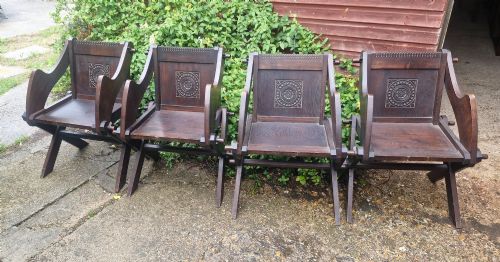
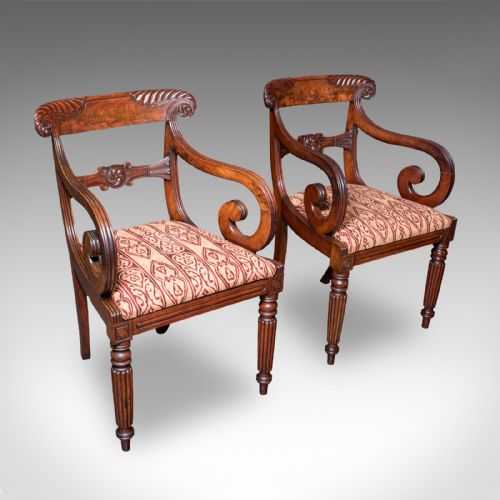
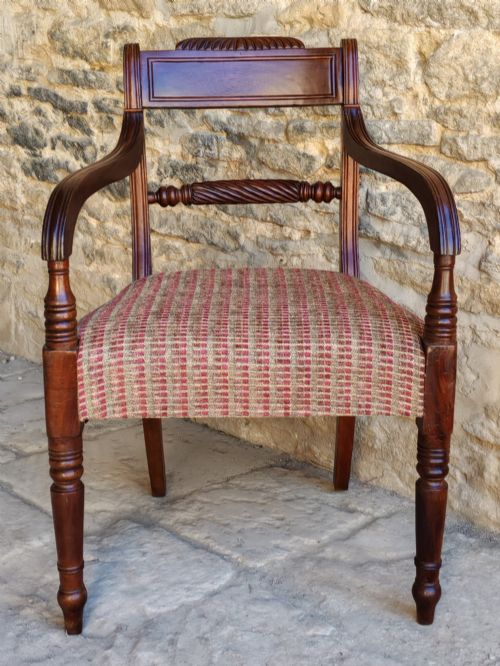
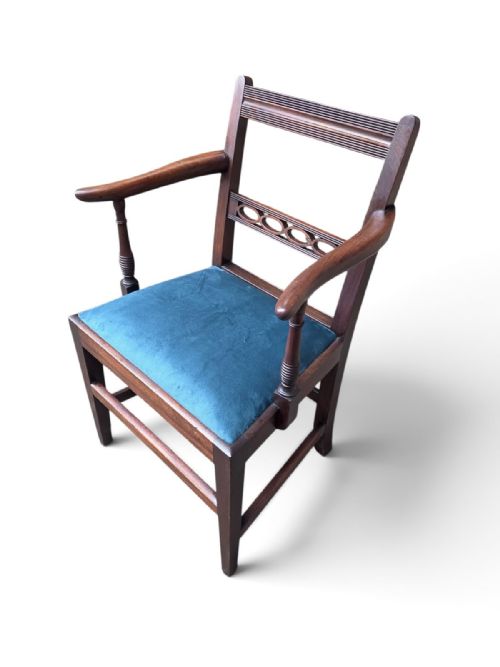
Carved Wooden Elbow Chair
A carved wooden elbow chair brings substance and character to a room, offering a supportive seat with armrests shaped for daily use.
Carved Wooden Elbow Chair
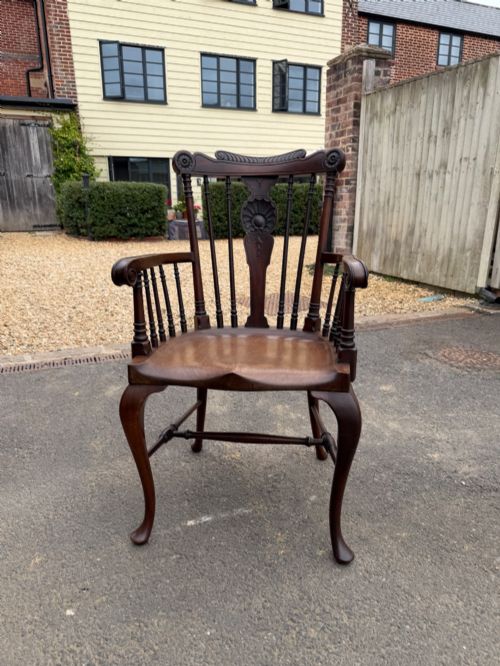
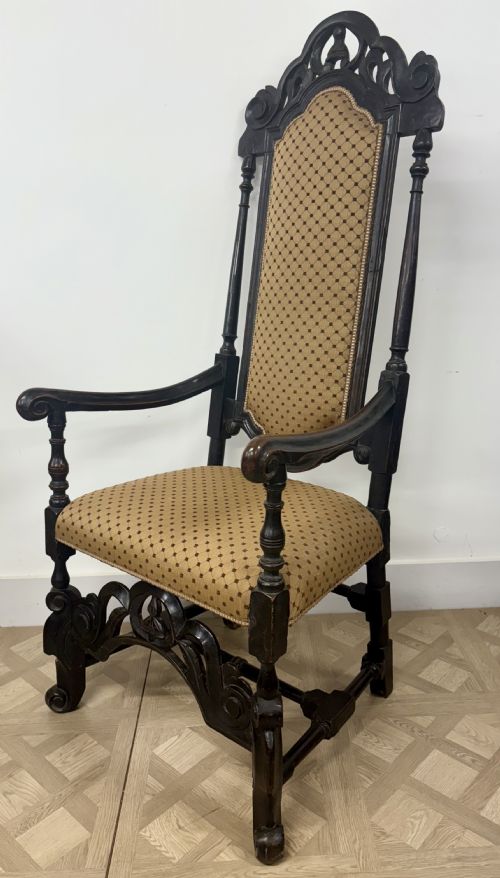
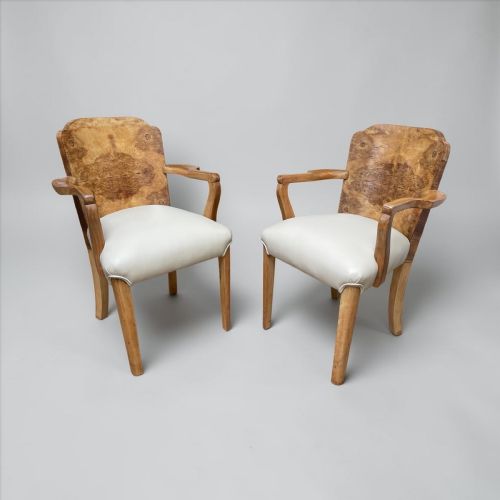
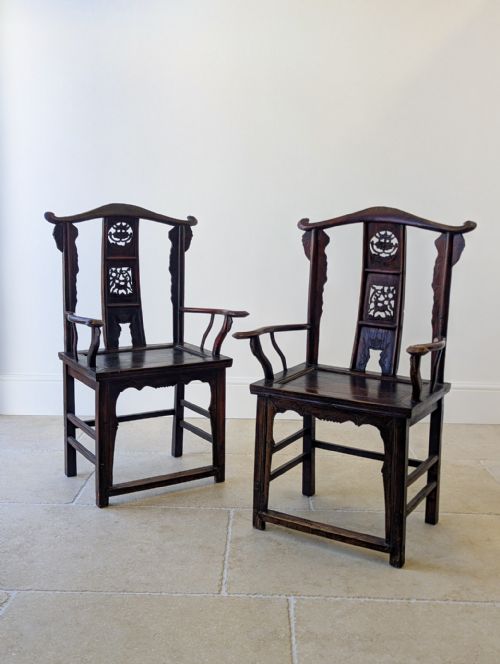
A carved wooden elbow chair is a seating piece designed with supportive armrests, appearing across diverse periods from the late seventeenth century through the Edwardian era. These chairs function equally well as desk seats, reception furniture, or traditional farmhouse seating.
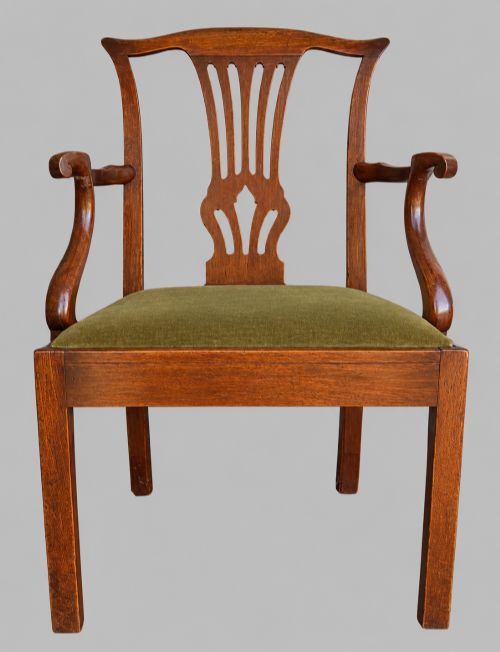
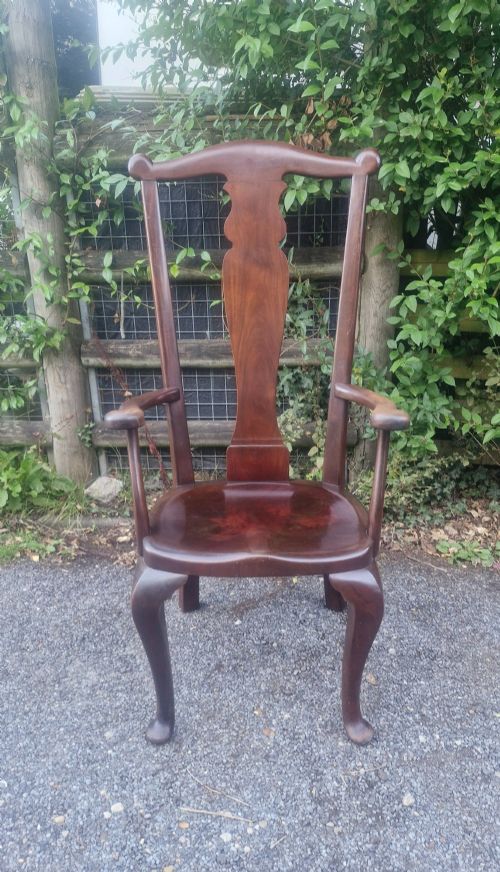
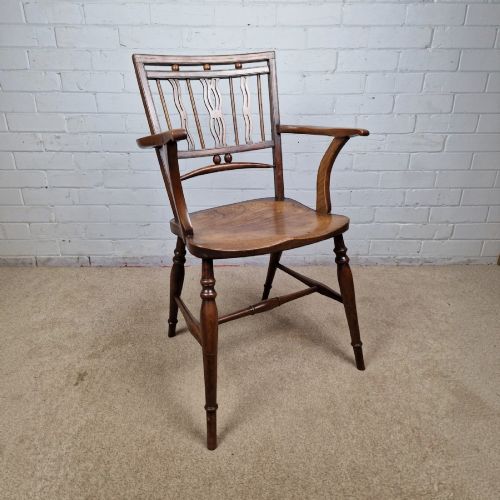
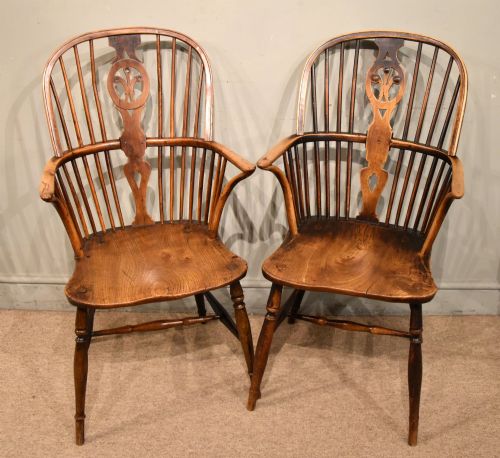
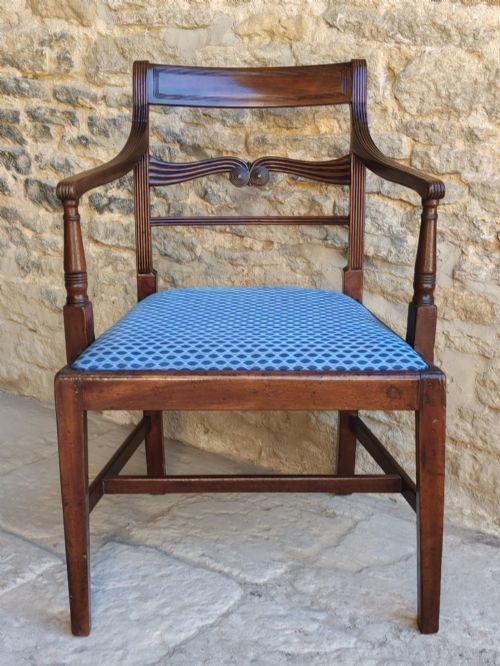
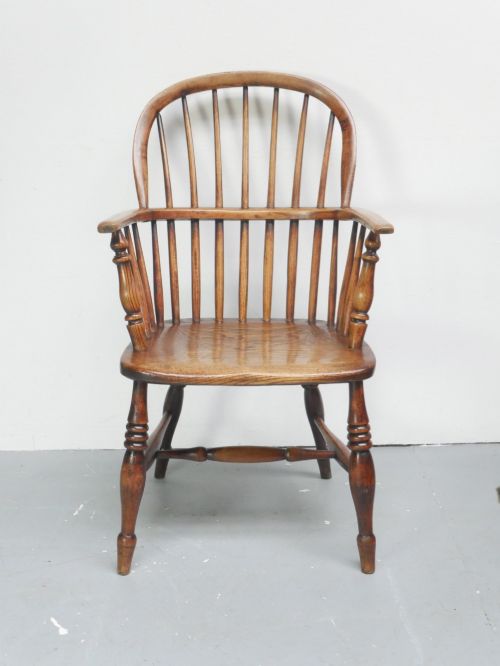
The versions most commonly met on this page include mahogany Georgian examples, regional English Windsor chairs in elm and ash, and nineteenth-century variations displaying styles from Chippendale to Victorian country aesthetics.
Materials and construction methods
Construction relies heavily on traditional timbers such as mahogany, oak, walnut, and elm, often combined with secondary woods like yew, fruitwood, and laburnum in regional pieces. Frame assembly involves time-tested joinery suited to the stresses placed upon armrests and high backs.
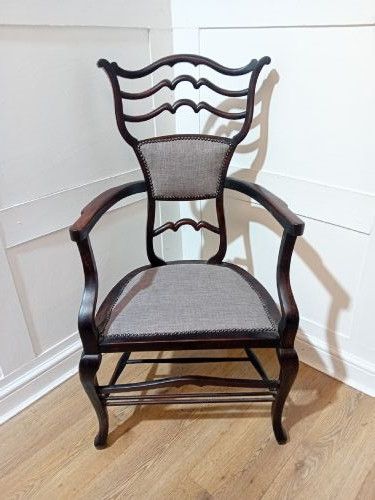
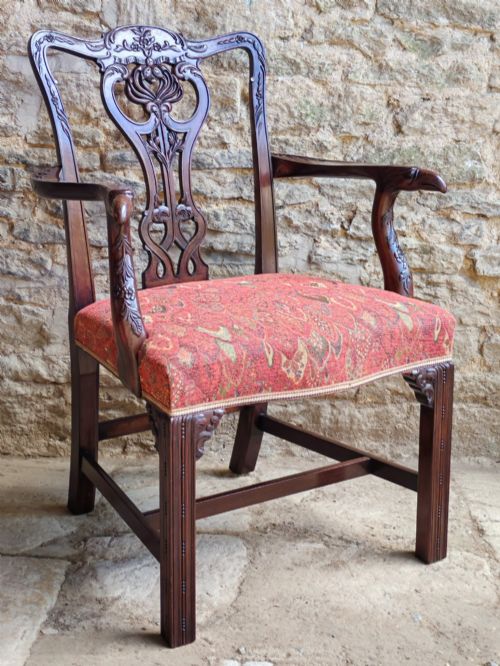
Carving and surface shaping define the decorative language of these pieces, utilising hand-chiselled details, ropeback designs, and spindle arrangements. Upholstered variants integrate fabric or tapestry inserts supported by webbing or traditional stuffing methods.
Certain primitive armchairs happily combine four distinct woods in a single frame without losing an ounce of rustic charm.
Distinctions in execution and integrity
The distinction between ordinary and exceptional examples rests upon the crispness of the timber carving and the architectural balance of the frame. Superior pieces demonstrate confident handling of proportion, particularly in the sweep of the elbow supports and the rake of the back legs.
Integrity of timber and surface patination further separate examples, where untouched aged finishes and original structural joints elevate a piece far above heavily restored or later altered equivalents.
Howard and Sons
The Carved Wooden Elbow Chair Glossary
- Carver
- An armchair, particularly a dining chair built with elbow rests that matches a set of smaller side chairs.
- Windsor
- A traditional chair construction method where legs and back spindles are wedged directly into a solid sculpted wooden seat.
- Elbow chair
- A historical term for an armchair, denoting a seat fitted with arm supports for resting the arms.
- Chippendale style
- A decorative design vocabulary rooted in eighteenth-century cabinet making, known for elaborate back splats and carved cabriole legs.
- Smokers bow
- A low-backed Windsor armchair variant with a rounded, continuous rail forming the arms and back, common in nineteenth-century public houses and offices.
Carved Wooden Elbow Chair: Frequently Asked Questions
What distinguishes a carver chair from a standard dining chair?
A carver chair includes integrated armrests designed to provide additional comfort and support at the head of a table or as a standalone desk seat.
These pieces share stylistic traits with matching side chairs but offer a broader seating proportion.
Where were Windsor armchairs traditionally used?
Windsor armchairs served primarily as sturdy everyday seating in farmhouses, cottages, and domestic kitchens across rural Britain.
Their robust construction made them reliable for heavy daily use near hearths and workspaces.
How can I date an oak elbow chair?
Dating relies on examining the joinery methods, tool marks left by woodworkers, and the specific turning profiles used on the legs and uprights.
Earlier pieces often display pegged joints and native oak patination distinct from later revival styles.
Are mahogany elbow chairs suitable for daily desk work?
Many mahogany elbow chairs were originally built as desk or library chairs, offering sturdy arm support for writing environments.
Their solid wooden construction adapts well to modern study spaces when paired with a suitable cushion.