
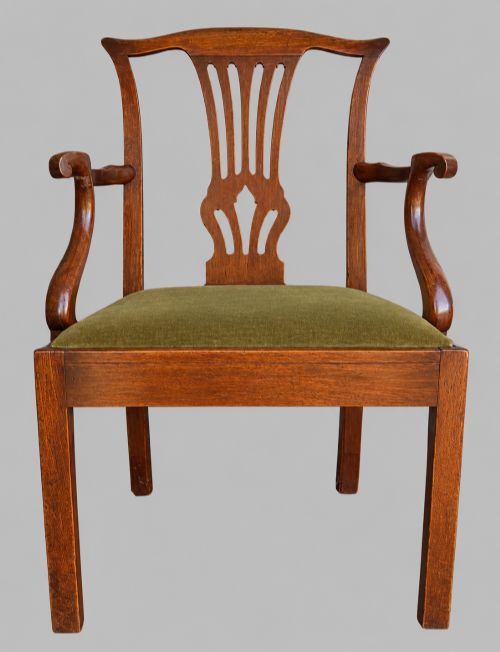
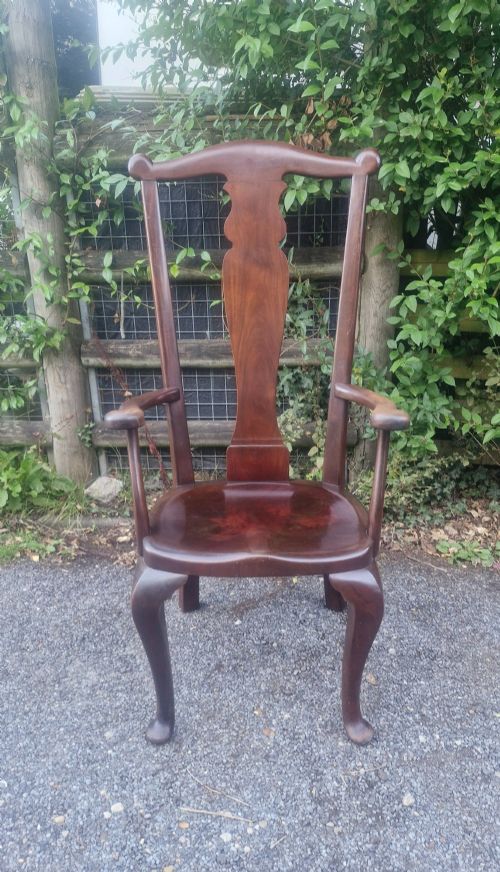
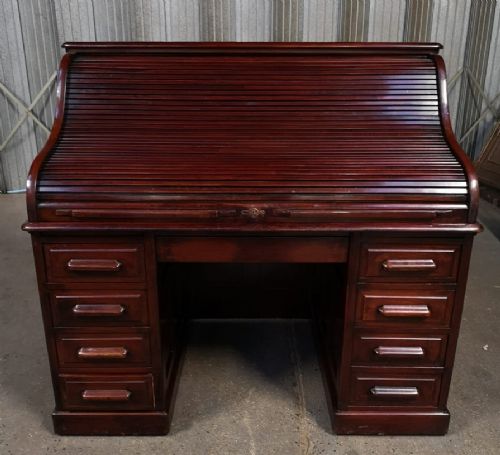
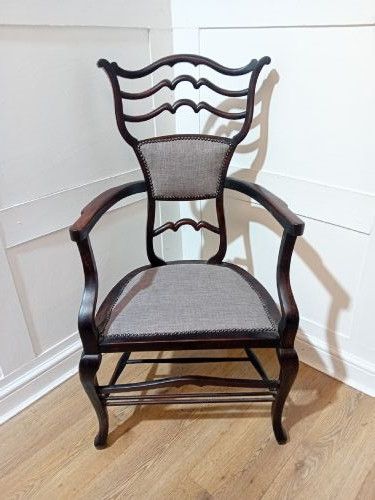

Carved Wooden Desk
A carved wooden desk brings tactile warmth and enduring utility to a room, offering a solid writing surface shaped by traditional handwork.

Carved Wooden Desk
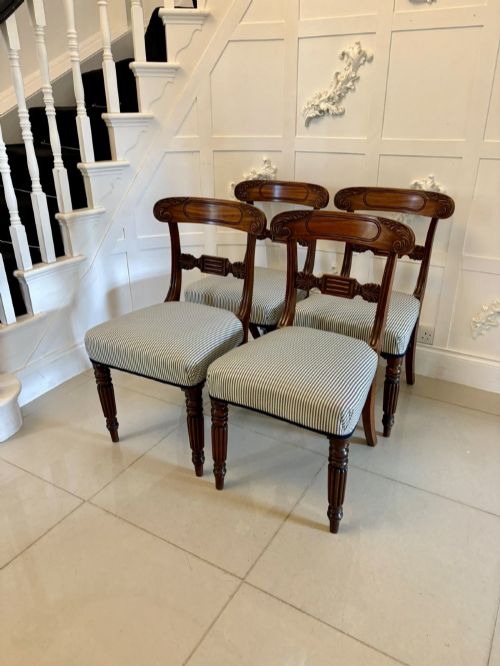
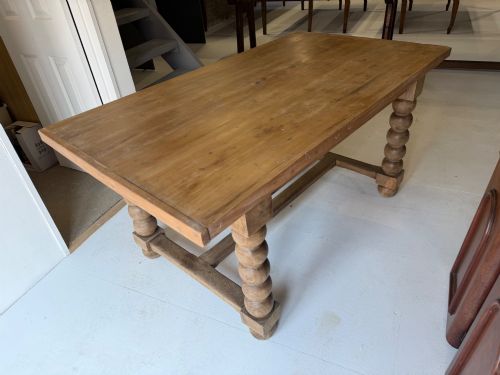
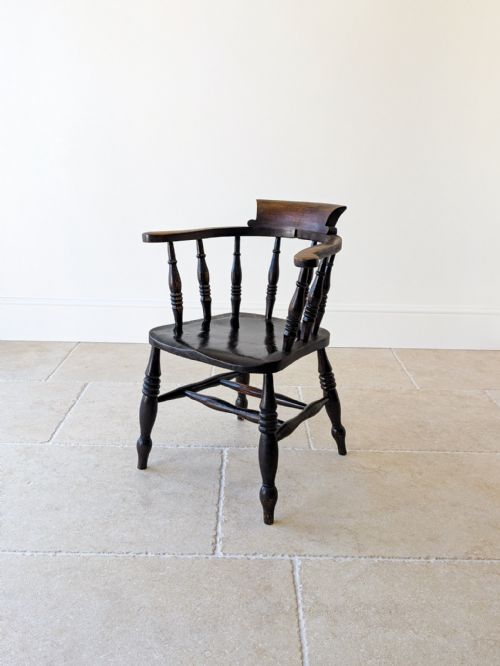
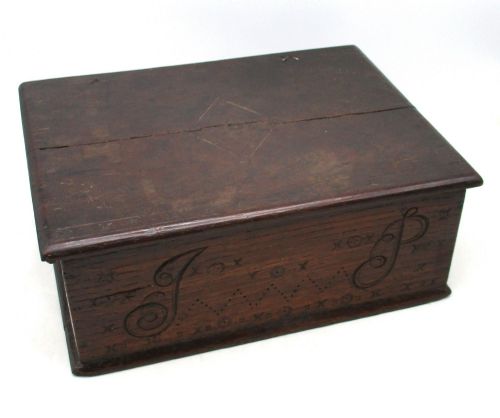
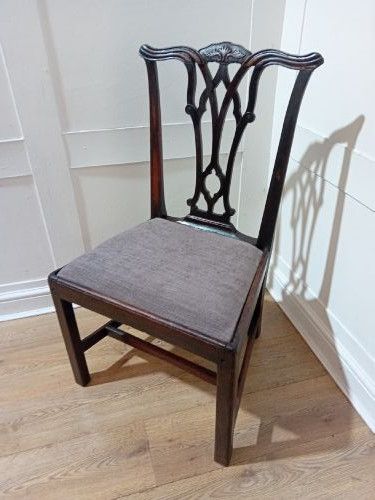
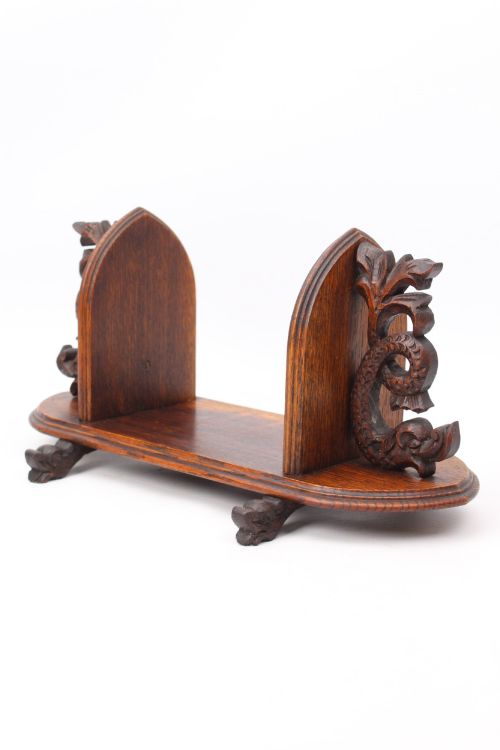
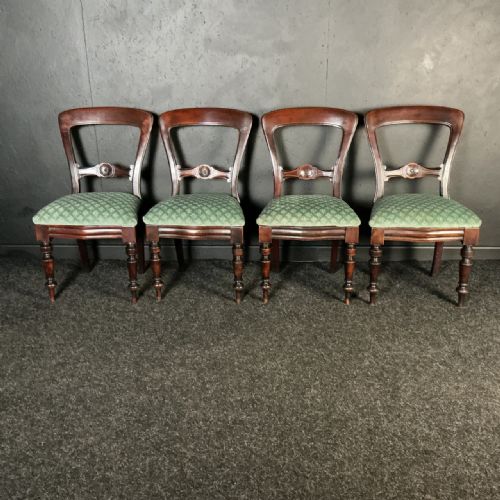
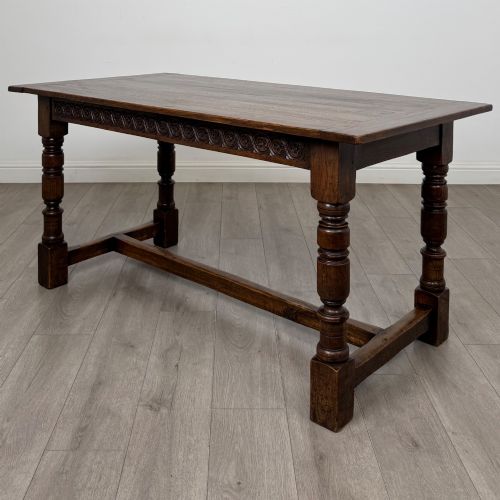
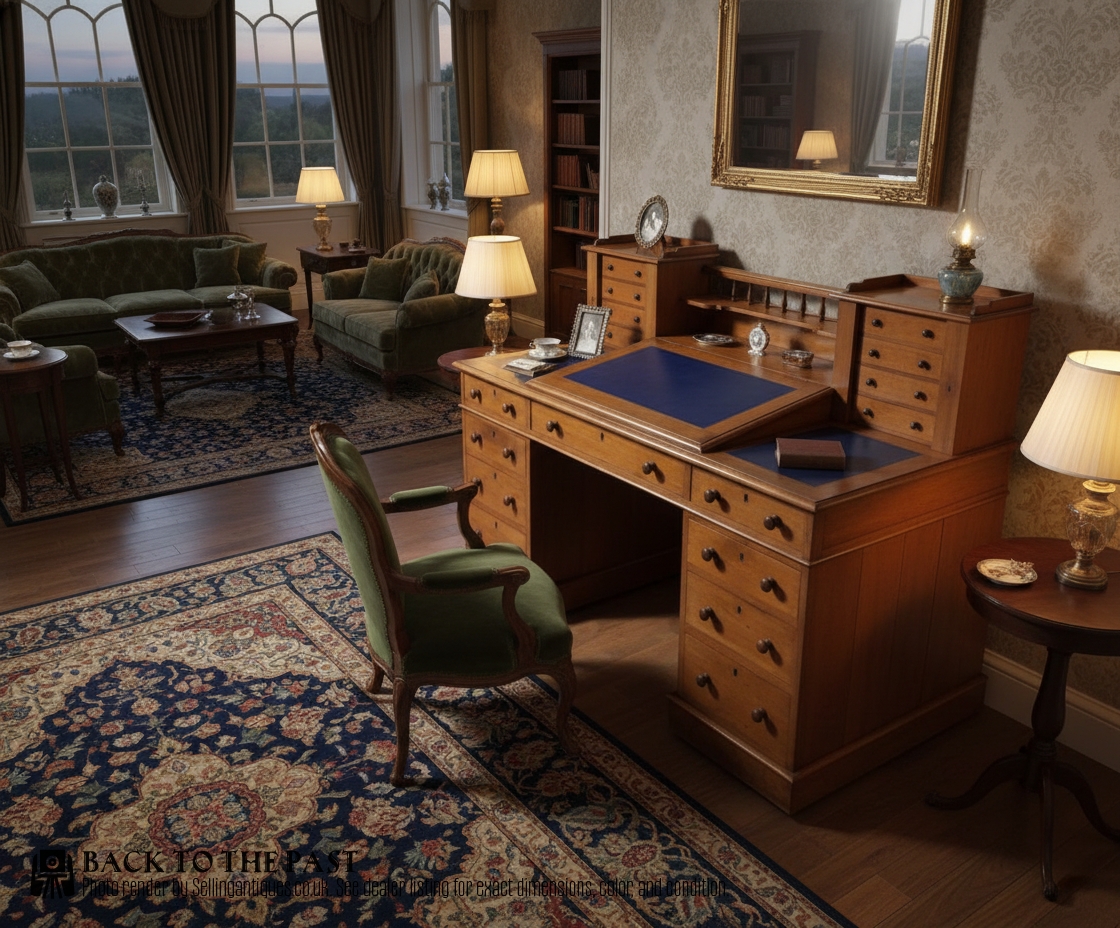
When you search for a carved wooden desk, you encounter various forms designed for writing and administration, predominantly appearing in mahogany or oak from the Victorian, Edwardian, and 18th-century periods. These items range from compact document boxes and prayer kneelers to substantial pedestal desks and roll top designs.
The selection reflects both formal architectural influences such as Gothic Revival and practical country forms. Buyers frequently meet pedestal formats with banks of drawers alongside simpler writing tables utilising turned or carved supports.
How they were made
Cabinetmakers constructed these pieces primarily using dense timbers such as mahogany, oak, and walnut, frequently incorporating brass hardware for handles and locks. Surfaces received detailed hand-carved ornamentation, executed with chisels and gouges to create relief panels, mouldings, and structural details.
Joinery relied on traditional methods including dovetails for drawers and mortise and tenon joints for frames, ensuring structural stability without relying on modern fasteners.
Carved Wooden Desk Retail Price Guide 2026
Typical asking prices for carved wooden desk among the pieces listed under this phrase on Sellingantiques today, from the lower quarter to the upper quarter. They describe what is for sale here now, not the wider market.
A signed and dated limewood match striker from 1916 depicts a grinning gnome ready to light your cheroot.
What varies in quality
The calibre of a piece rests heavily upon the crispness of the hand-carving and the selection of timber grain, where symmetrical figuring elevates the overall appearance. Superior examples display thoughtful proportions and tight, flush joinery that remains stable across changing climates.
Secondary woods used in drawer linings and internal framing also indicate the maker's commitment to standard, with oak or mahogany linings outperforming softer conifers.

Arthur Simpson
The Carved Wooden Desk Glossary
- Pedestal desk
- A form comprising two separate banks of drawers supporting a single desktop. This layout provides substantial storage and a formal presence in a study.
- Roll top desk
- A writing surface covered by a flexible tambour shutter made of narrow slats. It conceals the pigeonholes and writing area when pulled down.
- Gothic Revival
- A style drawing inspiration from medieval architecture, seen in pointed arches, trefoils, and heavy carved tracery. It was particularly popular during the Victorian era.
- Dovetail
- A joint formed by interlocking wedge-shaped fingers, widely utilised in drawer construction for maximum tensile strength. It prevents the sides from pulling apart under regular use.
- Mahogany
- A durable hardwood prized for its reddish-brown tone and resistance to warping. It took a fine polish and dominated high-end cabinetmaking through the 18th and 19th centuries.
Carved Wooden Desk: Frequently Asked Questions
How do I date a wooden desk?
Examination of construction methods, timber choice, and hardware styles provides the primary clues for dating. Hand-cut dovetails and secondary woods often point towards earlier 18th or 19th-century origins.
Stylistic markers such as Gothic Revival or Empire motifs help narrow the decade of manufacture when combined with structural evidence.
Are these desks suitable for daily work?
Solid construction and durable timbers mean many period examples handle contemporary use effectively. Adequate knee clearance and stable surfaces support modern writing tasks.
Careful placement away from direct heat sources protects the timber and finish from drying out over time.
How should I care for carved wood?
Routine maintenance involves dusting with a dry, soft cloth to prevent particulate accumulation in carved recesses. Avoiding silicone-based polishes preserves the original patina of the timber.
Maintaining stable room humidity prevents the solid wood from shrinking or splitting along grain lines.