
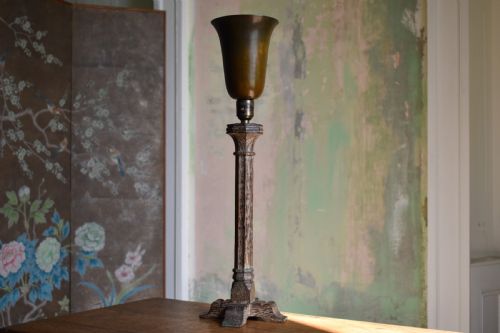

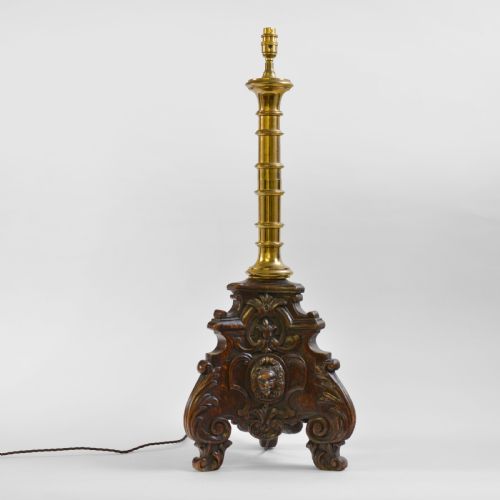


Carved Wooden Desk Lamp
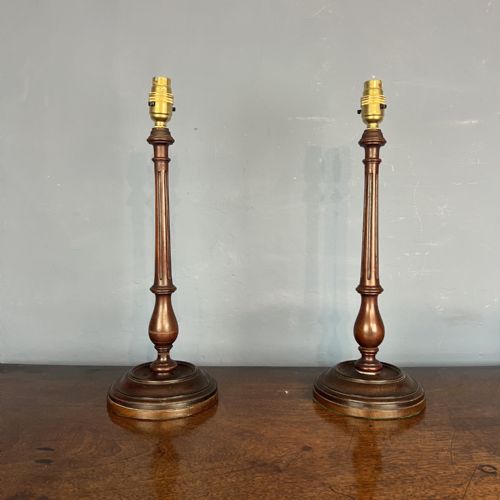
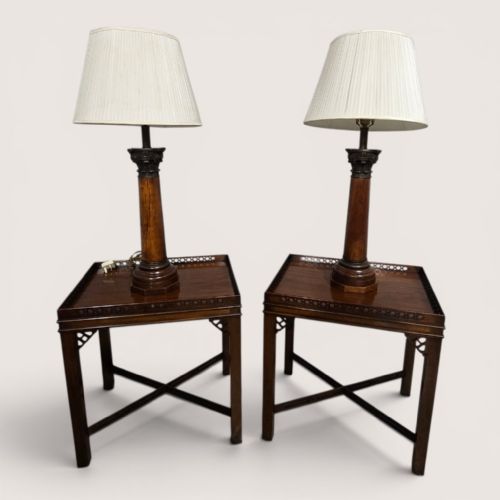
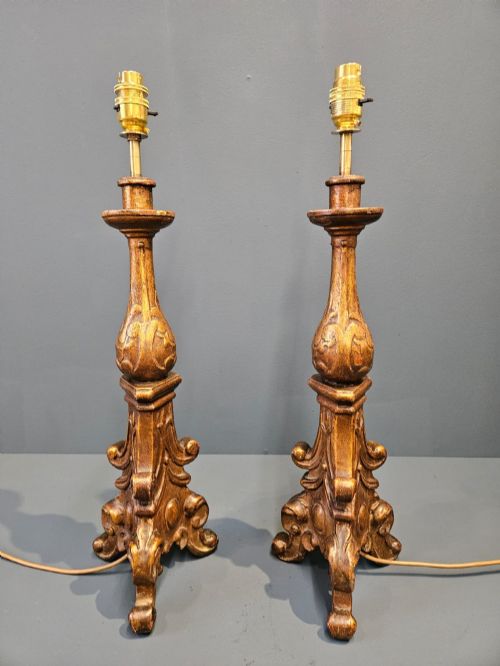
These carved wooden desk lamp examples bring genuine period character to a room, ranging from robust oak interpretations to intricate continental carvings.
Carved Wooden Desk Lamp
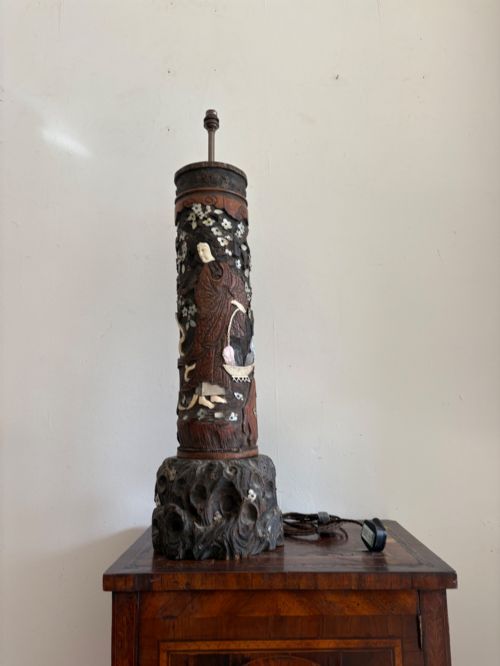
When searching for a carved wooden desk lamp, buyers encounter a diverse selection spanning several centuries of craftsmanship and regional design traditions. The pieces available on this page encompass everything from early oak interpretations to Japanese Meiji period root carvings and Black Forest linden designs.
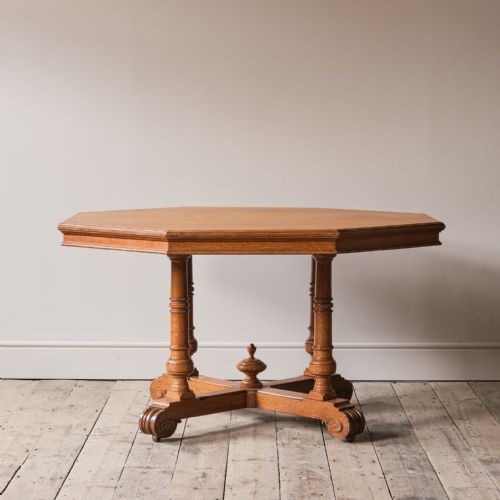
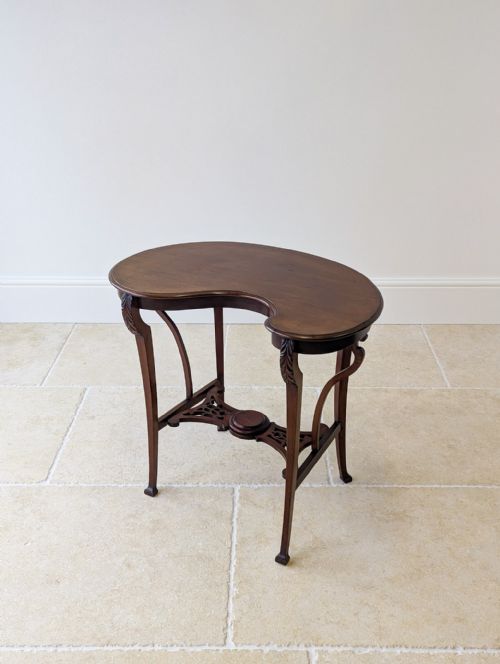
The assortment leans heavily toward conversion pieces and table lamps derived from different forms, including carved figures, candlesticks, and architectural fragments. Alongside dedicated lamps, the selection includes related timber furniture such as side tables and centre tables that share the same material palette.
Origins stretch across Europe and Asia, featuring French, Flemish, Italian, Chinese, and Indonesian workmanship. Buyers frequently meet Victorian and Edwardian iterations alongside earlier 17th and 18th-century examples adapted for modern illumination.
How they were made
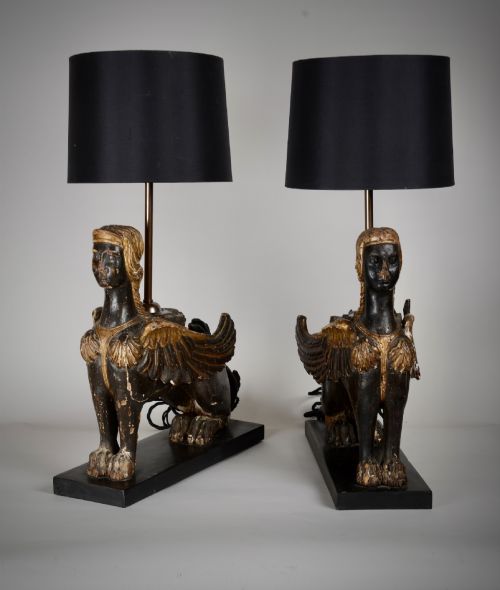
Makers utilised solid timbers such as oak, mahogany, linden, and exotic root wood, shaping the material through hand carving, turning, and occasional fretwork. Many pieces incorporate applied painted finishes, gilding, or contrasting elements like mother of pearl.
Construction methods reflect the period of origin, employing traditional joinery for structural elements and meticulous hand chiselling for figurative details like cherubs, caryatids, and bears. Metal components in brass and fabric wiring are typically added during subsequent conversions or rewiring.
Carved Wooden Desk Lamp Retail Price Guide 2026
Typical asking prices for carved wooden desk lamp among the pieces listed under this phrase on Sellingantiques today, from the lower quarter to the upper quarter. They describe what is for sale here now, not the wider market.
Listings span from the 17th century through the Edwardian era, predominantly featuring oak, mahogany, and carved wood.
What varies in quality
The standard of carving dictates the upper tier of these pieces, separating fluid, deeply undercut hand work from softer, more mechanical shaping. Depth of detail in subjects like foliage, figures, or animal forms reveals the hand of a skilled artisan.
Integrity of the timber and the subtlety of any applied gilt or paint finish further divide the selection. Pieces retaining their original surface character without heavy intervention command greater appreciation among collectors.
The Carved Wooden Desk Lamp Glossary
- Black Forest
- A style of wood carving originating from the mountainous region of Central Europe, typically featuring realistic representations of bears and forest flora in linden wood. These pieces date largely to the early twentieth century.
- Caryatid
- A sculpted female figure serving as an architectural support or decorative pillar. In lighting and furniture, these figures appear carved from solid oak or other timbers.
- Root Wood
- Timber sourced from the root system of a tree, prized by Asian and European makers for its gnarled, organic grain and twisted forms. It appears frequently in Chinese and Japanese decorative items.
- Giltwood
- Wood that has been treated with a thin layer of gold leaf or powder over a prepared ground. This technique adds reflective brilliance to Italian and continental lamp standards.
- Meiji Period
- The era in Japanese history spanning from 1868 to 1912, noted for intricate decorative arts including carved brush pots and naturalistic root lamps exported to the West.
Carved Wooden Desk Lamp: Frequently Asked Questions
Are these lamps converted from older items?
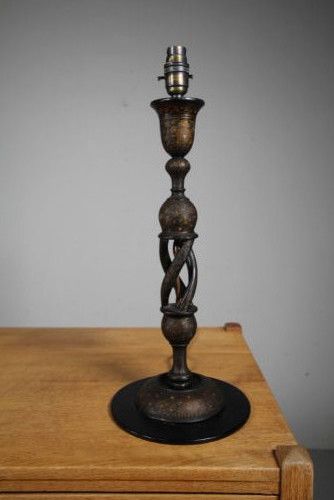
Many examples begin life as candlesticks, vases, architectural figures, or oil lamp standards before undergoing conversion for electrical use. This practice allows older decorative items to function in contemporary spaces.
Rewired versions appear frequently to meet modern electrical safety standards while preserving the antique timber body.
How do I identify the period of a wooden lamp?
Dating relies on stylistic cues, timber choice, and construction techniques characteristic of eras like the Victorian, Edwardian, or earlier centuries. Stylistic movements such as Art Nouveau or Japanese Meiji also provide clear chronological markers.
Comparing the carving depth and finish to established furniture of the same decade helps confirm the age.
What woods were commonly used?
Oak and mahogany form the backbone of English and European pieces, offering robust grain and durability. Lighter linden wood appears in Black Forest carvings, while exotic hardwoods and root wood define Asian pieces.
Painted finishes and giltwood are also encountered across continental European examples.
How should I place one in a room?
These lamps suit studies, libraries, and living spaces where their carved textures can be appreciated up close on desks, side tables, or occasional tables. Their sculptural presence pairs well with traditional and eclectic interiors alike.
Ensuring adequate clearance highlights the detailed woodwork and any associated fabric shades.