


Antique Dutch Table Lamp
An antique dutch table lamp brings character to a room through centuries of traditional ceramic artistry and metalworking.
Antique Dutch Table Lamp
When you search for an antique dutch table lamp, you encounter a mix of converted ceramic vases and purpose-built metal or wooden light fixtures. The selection spans the eighteenth century through the Edwardian period, capturing both domestic provincial craft and urban design movements.
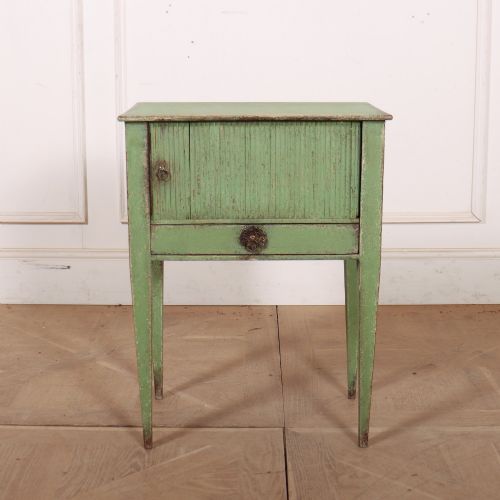
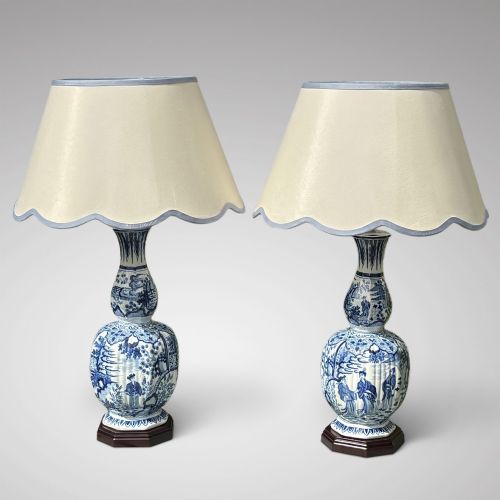
Delftware pottery forms form a significant part of the offering, frequently involving eighteenth-century blue and white vases adapted into lamps. Alongside these ceramic pieces, you find woodwork including oak side tables and nightstands functioning as lamp tables, plus metalwork from the Amsterdam School.
Pair formats appear frequently alongside individual pieces, offering symmetry for sideboards and bedside locations. The forms bridge functional lighting and decorative objects that reflect distinct regional aesthetics from the Netherlands.
Materials and construction
Potters and artisans utilised earthenware to shape the bodies of Delft vase lamps, painting them in traditional blue and white pigments before later conversion for electrical fittings. Metalworkers employed brass and patinated copper, particularly within Amsterdam School designs around nineteen hundred.
Woodworking traditions appear through the use of oak, softwood, and painted finishes in tables and carved wooden lamp bodies. Marquetry techniques also surface in nightstands designed to support illumination, combining structural timber with decorative veneer work.
Listings feature items spanning the eighteenth century, nineteenth century, nineteen hundred, eighteen sixty, and the Edwardian era.
Distinctions in craftsmanship
The degree of artistic execution in the hand-painted Delft decoration separates standard pottery conversions from superior examples. Crispness in blue pigment application and the preservation of the original ceramic glaze dictate the visual appeal of ceramic pieces.
Metal and woodwork quality depends upon the precision of the joinery, the integrity of the patinated copper or brass surfaces, and the subtlety of carved fretwork details. Complete pairs with matching shades or harmonious proportions command stronger visual presence than mismatched items.
The Antique Dutch Table Lamp Glossary
- Delftware
- Tin-glazed earthenware originating from the Netherlands, known for its characteristic blue and white tin glaze. Pieces from earlier centuries were frequently adapted later into lamps.
- Amsterdam School
- An architectural and design movement from the early twentieth century characterised by expressive forms, traditional craft, and rich texturing in metal and wood. Works often feature patinated copper and brass.
- Marquetry
- The art of applying decorative pieces of veneer to a wooden structure to form intricate patterns. This technique frequently appears on eighteenth-century nightstands and lamp tables.
- Patinated copper
- Copper that has developed a deliberate surface coloration and oxidation through age or chemical treatment. This finish adds depth and visual texture to metal lamp bases.
Antique Dutch Table Lamp: Frequently Asked Questions
Are these lamps converted from old vases?
Many examples begin life as eighteenth-century Delft vases before receiving electrical wiring and fittings at a later date. This adaptive history is common among ceramic lighting options.
Makers often selected robust vessels that could securely house electrical components while retaining their decorative exterior panels.
How do I identify Amsterdam School lighting?
Amsterdam School pieces typically date around nineteen hundred and feature distinctive combinations of brass, patinated copper, or fretwork wood. They showcase early modern design principles.
The style prioritises sculptural metalwork and intricate geometric woodwork over traditional floral motifs.
Where should I place a pair of dutch lamps?
Pairs of blue and white ceramic lamps suit symmetrical placement on sideboards, chests of drawers, or bedside tables. They create balanced focal points within a room.
Ensure the surface dimensions adequately support the base and any accompanying handmade shades.
What wood types are used in these tables?
Makers utilised oak and softwood as primary structural timbers, frequently applying painted finishes or intricate marquetry veneers. These surfaces complement the ceramic and metal lamp bodies.
Construction methods reflect regional provincial cabinet-making traditions from the eighteenth and nineteenth centuries.