

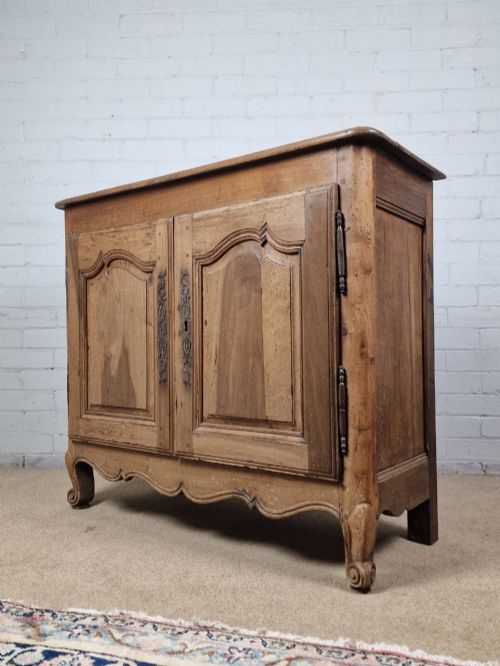
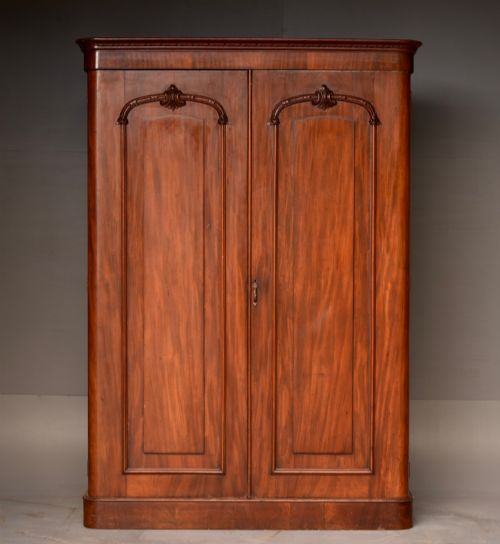


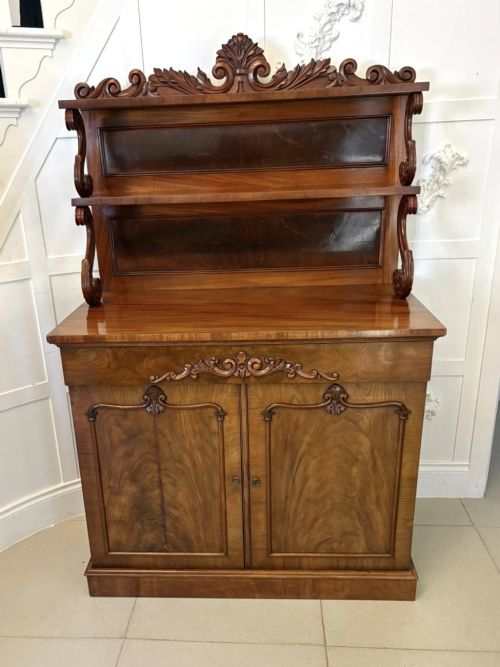
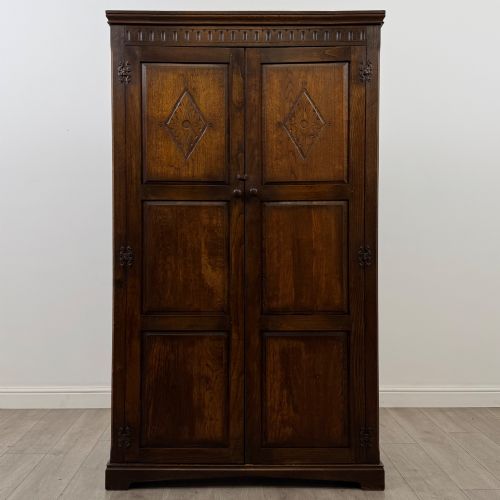
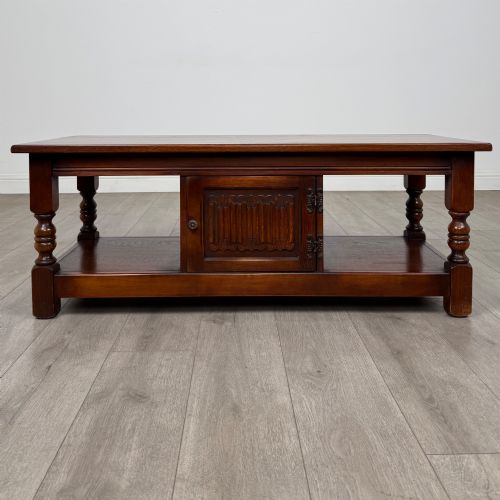
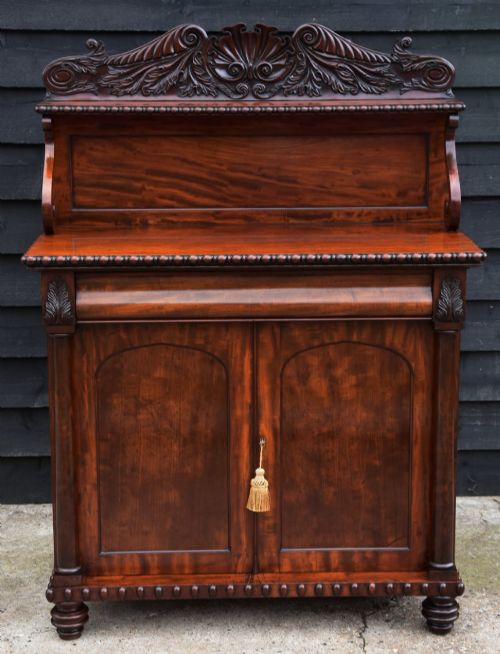
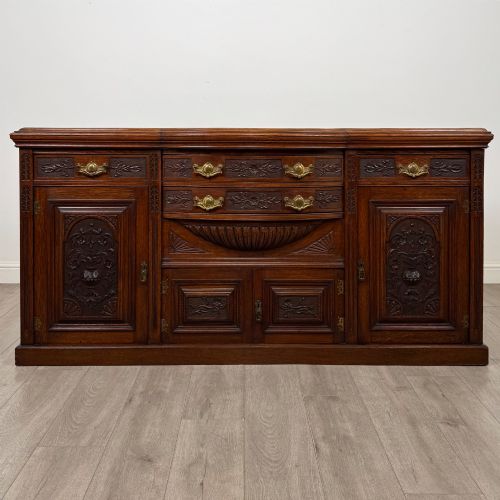
Carved Wooden Cupboard
A carved wooden cupboard brings robust storage and deep texture into a room, spanning centuries of global joinery.

Identifying your carved wooden cupboard
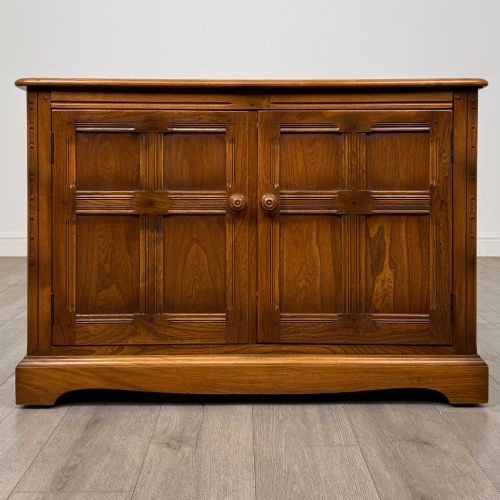
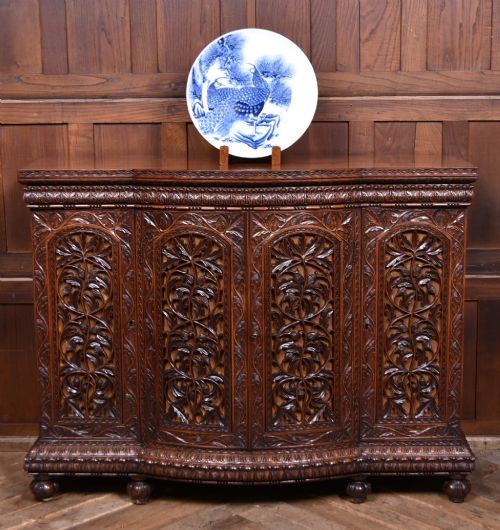
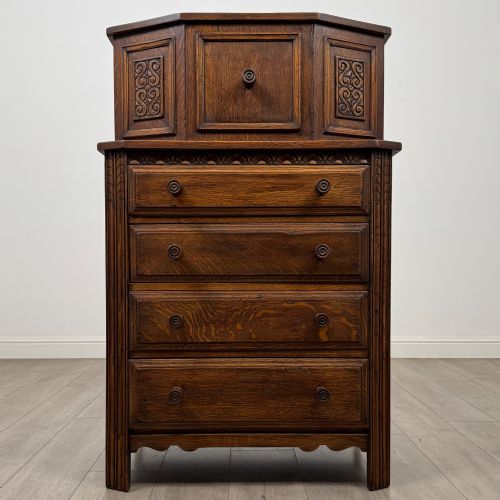
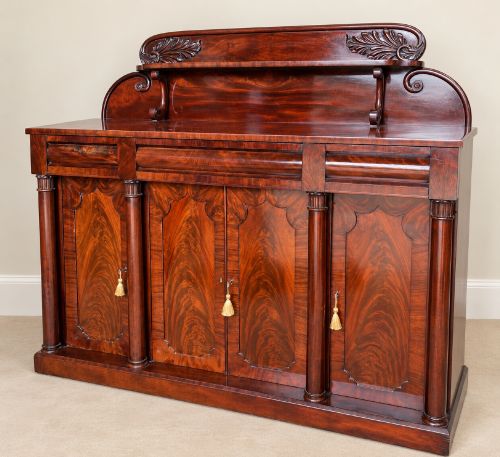
A carved wooden cupboard serves as a substantial storage piece, appearing in forms ranging from court cupboards to side cabinets and armoires. When you search for a carved wooden cupboard, you encounter diverse regional traditions across the centuries.
The pieces on this page emerge from distinct historical periods, including the eighteenth century alongside nineteen-hundred and nineteen-twenty examples. Origins stretch from English vernacular workshop pieces to French provincial furniture and Chinese traditional forms.
Materials and construction
Joiners build these cupboards using solid timbers recorded in the evidence as elm, walnut, oak, satinwood, and hardwood. These woods provide the dense foundation necessary for deep relief carving and structural longevity.
Hardware components incorporate brass, iron, and steel for hinges, handles, and locking mechanisms. Traditional hand tools shape the panels and join the frames, leaving tangible evidence of the maker's hand.
Retail Price Guide 2026
Typical UK retail prices for carved wooden cupboard, calculated from the Sellingantiques database of over a million retail prices indexed since 2003. This retail price guide relies exclusively on Sellingantiques data; no external sources or auction records are used, so the figures do not describe the wider market.
One floral cupboard bears the marks of pokerwork, where hot pokers drew flowers straight onto the wood.
Assessing quality
Quality rests in the crispness and depth of the hand carving, where skilled execution gives life to floral pokerwork or geometric relief panels. The integration of decorative elements with the structural carcass dictates the visual harmony of the piece.
The selection and grain alignment of primary timbers such as walnut, oak, or satinwood separate standard execution from superior examples. Original metalwork in brass, iron, or steel adds authenticity and completes the integrity of the design.
The Carved Wooden Cupboard Glossary
- Court cupboard
- An antique storage piece featuring recessed upper tiers and lower enclosed compartments, common in early English vernacular furniture. It typically stands on sturdy legs and displays heavy panel carving.
- Armoire
- A large wardrobe or cupboard with doors enclosing shelving or hanging space, prominent in French provincial design. These imposing pieces often showcase elaborate crown mouldings and carved door panels.
- Pokerwork
- A decorative technique using heated metal tools to burn designs into the wooden surface, creating shaded floral or figurative motifs. This method adds dark, contrasting detail to the natural grain of the timber.
- Satinwood
- A dense, yellowish-orange timber native to India and Sri Lanka, prized for its natural sheen and smooth finish. Cabinetmakers use it for refined side cabinets and high-status decorative pieces.
- Vernacular
- Furniture built by local tradespeople using regional materials and traditional methods rather than adhering to high court styles. These pieces reflect the practical needs and aesthetic preferences of their specific geographic area.
Frequently Asked Questions
What is a court cupboard?
A court cupboard is an early form of storage furniture featuring enclosed lower sections and open or recessed upper stages. These pieces originate from vernacular traditions and provide sturdy utility alongside decorative presence.
Cabinetmakers utilised native hardwoods to build these heavy storage units for domestic halls. They serve today as focal storage points in traditional dining rooms or hallways.
How do I date a carved cupboard?
Dating relies on examining the timber species, construction joints, tool marks, and stylistic carving motifs specific to periods like the eighteenth century. Regional variations also provide clues about the origin and workshop practices.
Earlier pieces show hand-riven timbers and traditional joinery without modern fasteners. Comparing the hardware, such as iron or brass hinges, helps confirm the era of manufacture.
Where were these cupboards made?
The pieces originate from diverse workshops across England, France, China, and India. Each region contributed distinct styles such as French provincial, Anglo-Indian, or Chinese traditional forms.
Local timber availability dictated the primary wood used in construction, from English elm and oak to exotic satinwood. This geographic spread creates a rich variety of carving styles on the market.
How do I care for antique wood?
Maintain antique wooden surfaces by keeping them away from direct sunlight and sudden temperature fluctuations. Regular dusting with a dry, soft cloth preserves the finish without building up residues.
Applying traditional beeswax occasionally helps nourish hardwoods like walnut and oak. Avoid modern silicone polishes that can penetrate the grain and damage the original patina.