


Carved Wooden Coffer Box
A carved wooden coffer box offers substantial storage built from solid oak and iron, shaped by centuries of domestic use and traditional joinery.
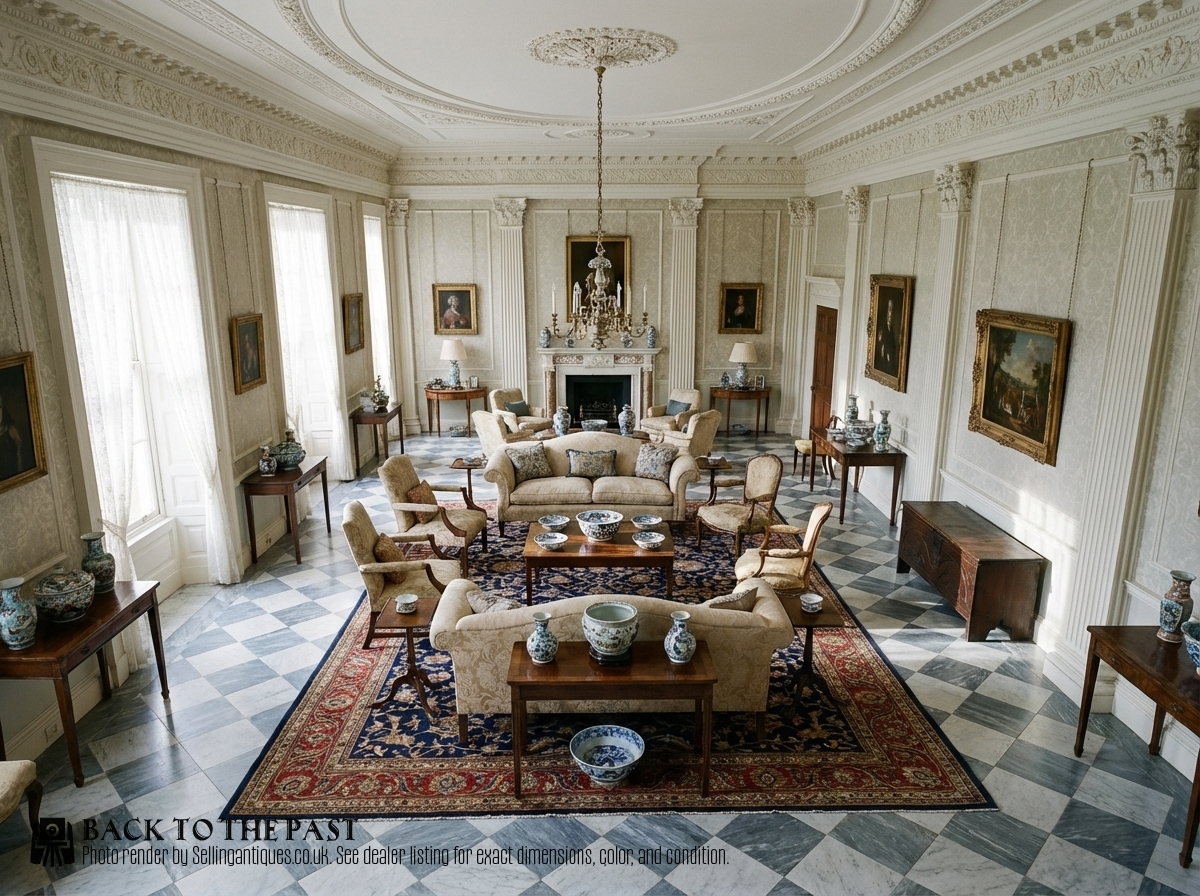
Carved Wooden Coffer Box
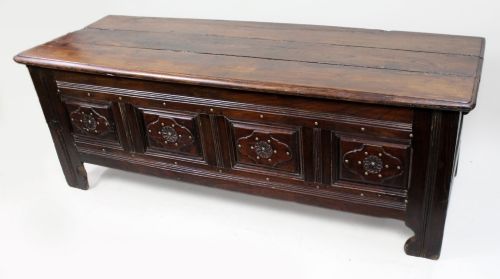
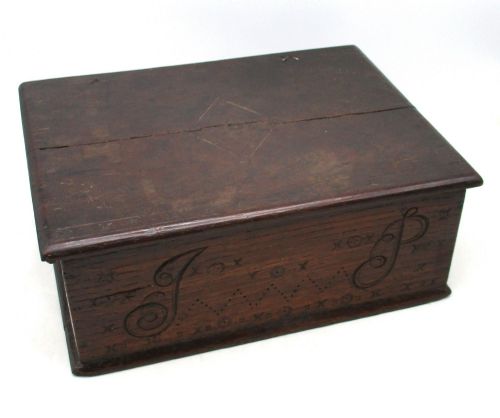
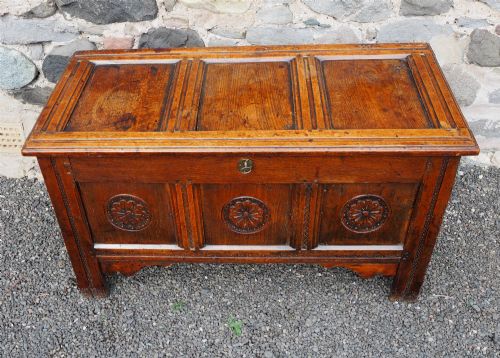
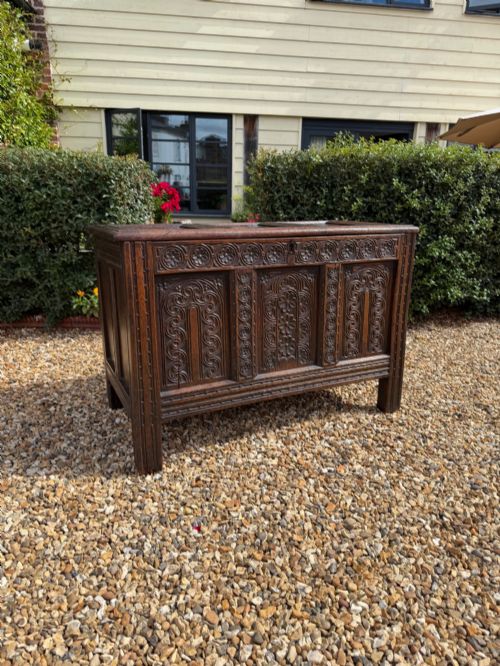
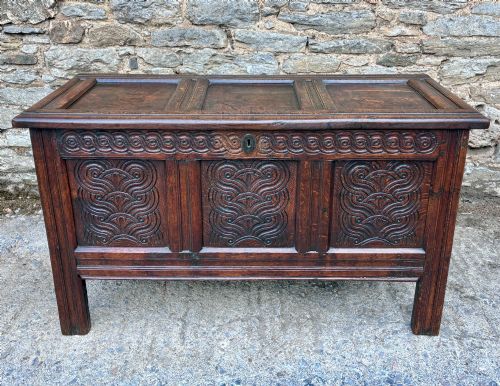
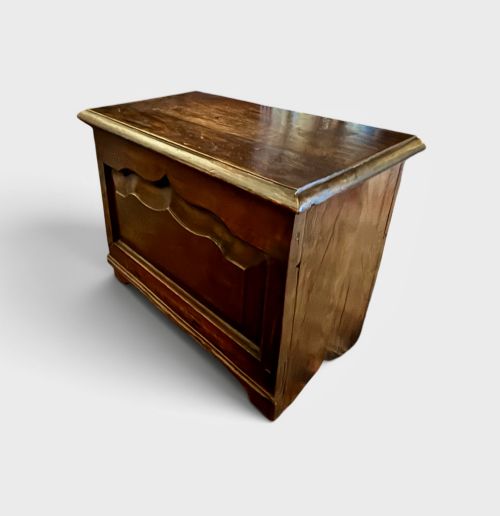
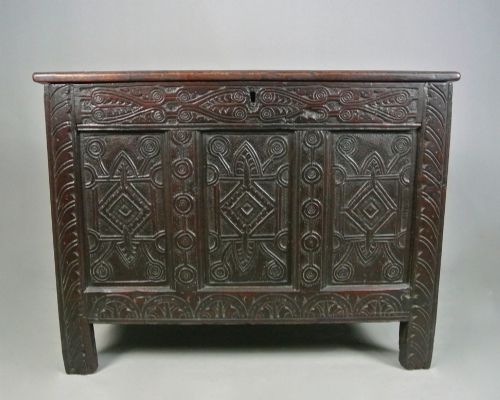
A carved wooden coffer box serves as a heavy-duty storage chest designed for household goods, valuables, and textiles, appearing in forms ranging from small document boxes to monumental dowry chests. When searching for a carved wooden coffer box, buyers encounter sturdy rectangular containers with hinged lift-up lids, often standing on stile feet or floor rails.
The pieces on this page span several centuries, with the 17th century and 18th century providing the core of the selection alongside later revival pieces from the 1900s, 1920s, and 1930s. Oak dominates the material record, complemented by teak, cypress wood, elm, and mahogany, reflecting domestic English workshops as well as continental European origins.
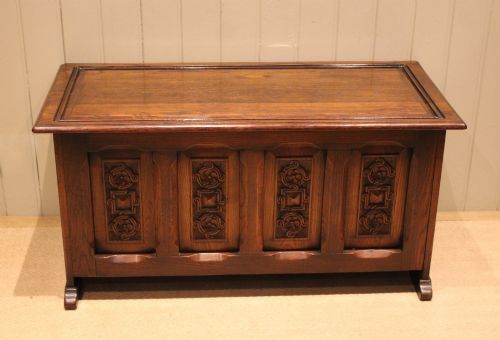
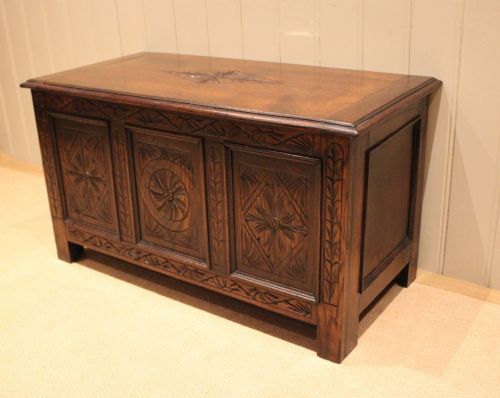
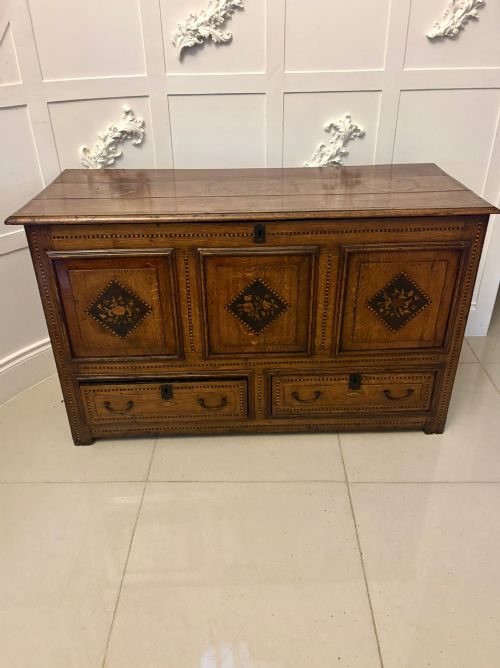
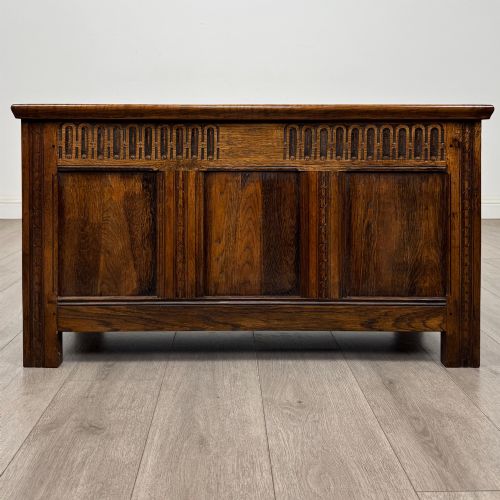
Panelled construction defines the traditional examples, where frame-and-panel assemblies allow the wood to expand and contract safely through seasonal changes. Buyers also meet variations such as mule chests featuring lower drawers, box settles with high backs, and intricately inlaid surfaces utilising marquetry and mother of pearl.
How they were made
Makers constructed these storage pieces primarily from solid oak, utilising heavy boards joined with mortise and tenon joints secured by wooden pegs. Hand-riven timber provided the structural stability needed for large panelled chests that had to withstand sustained pressure without warping.
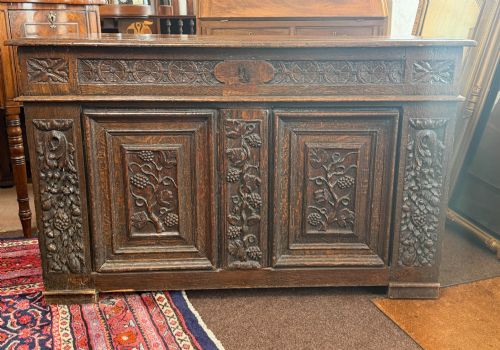
Iron and brass hardware played a fundamental structural role, featuring hand-forged strap hinges, iron lock plates, and wrought iron corner braces fixed directly to the timber. Marquetry inlay, carving gouges, and chisel work decorated the panels, while wax finishes protected the exterior surfaces.
Periods represented on this page range from the 16th century and 17th century through Georgian and Victorian eras to the 1930s.
What varies in quality
Depth of relief carving and the crispness of the chisel work distinguish standard utility chests from exceptional examples commissioned for wealthy households. Early joined chests with intact original floor boards, robust framing, and untouched surface patination demonstrate superior construction integrity.
The presence of period marquetry inlay, decorative panelling, and original wrought iron hardware elevates the visual distinction of a piece. Condition of the timber, extent of later alterations, and the survival of original hinges and locks determine the overall character and historical standing.
The Carved Wooden Coffer Box Glossary
- Mule chest
- A storage chest featuring one or more drawers built into the base beneath the main lift-up compartment. This form bridges the evolution between simple coffers and modern drawer chests.
- Marquetry
- The art of applying decorative pieces of veneer to a structure to form geometric or pictorial designs. It appears on select 17th century pieces in this record.
- Stile
- The vertical upright member in a frame-and-panel construction. Stiles receive the tenons from horizontal rails to form the structural framework of panelled coffers.
- Patina
- The surface sheen and mellow colour developed by wood over centuries through handling, polishing, and natural ageing. Original surface patination indicates untouched historical age.
Carved Wooden Coffer Box: Frequently Asked Questions
What did people store inside a carved wooden coffer box?
These heavy chests held valuable domestic goods, including household linens, woollen blankets, silver plate, and important family documents. Because early homes lacked built-in closets, a secure coffer served as the primary wardrobe and safe combined.
Over time, smaller versions functioned specifically as document boxes or dowry chests for bride's linen. Their robust construction and heavy lids protected contents from dampness, dust, and theft.
How do you tell a 17th century coffer from a later revival piece?
Seventeenth-century coffers display construction methods driven by hand tools, such as pit-sawn boards, pegged mortise and tenon joints, and hand-forged iron hardware. The timber exhibits natural wear, tool marks, and a deep waxed patina accumulated over generations of use.
Revival pieces from the 1900s or 1930s often show mechanical sawing marks, standardised screws, or machine-cut mouldings. Comparing the interior timber and the wear patterns on the feet helps confirm the actual age of the framing.
Where should I place a heavy wooden chest in my home?
A solid oak chest works effectively as an end-of-bed blanket box, a hallway storage seat, or a coffee table in a principal living space. Their flat tops and sturdy construction allow them to support everyday items while concealing clutter inside.
Keep wooden coffers away from direct heat sources and strong sunlight to prevent the solid panels from splitting. Allowing adequate air circulation around the timber preserves the original wax finish and joint stability.
What is the difference between a coffer and a mule chest?
A standard coffer consists of a single deep compartment accessed exclusively by lifting the top lid. Retrieving items at the bottom requires removing everything stacked above.
A mule chest incorporates one or more drawers built into the base beneath the main storage well. This addition allowed users to access smaller items without disturbing the heavy contents stored in the upper section.