


Carved Wooden Accent Stand
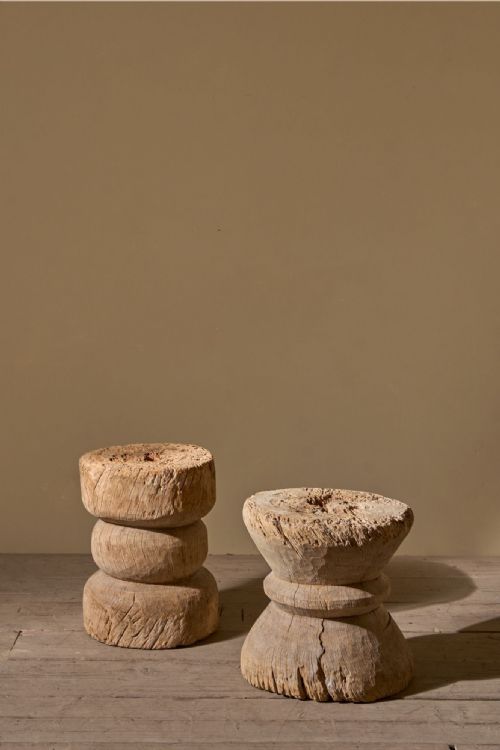
A carved wooden accent stand brings character to a corner, functioning as a sturdy perch for a lamp or vase.
Carved Wooden Accent Stand
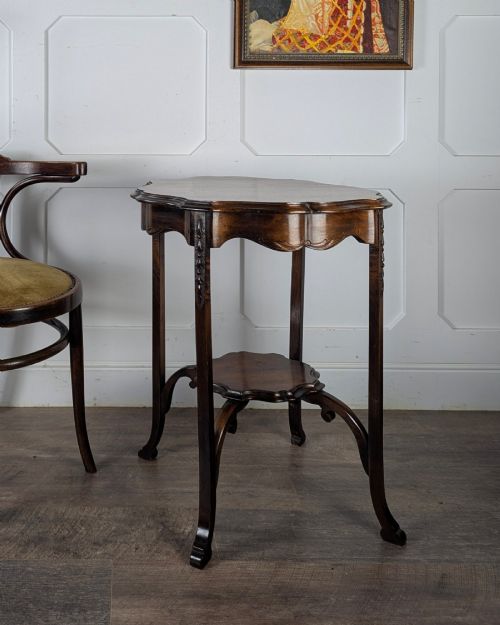
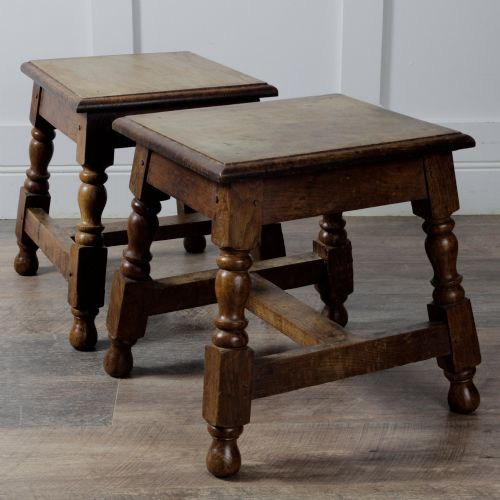
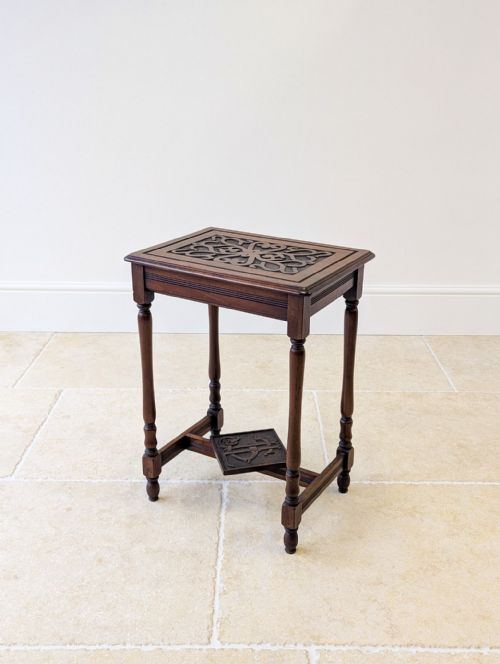
A carved wooden accent stand serves as a compact surface for lamps, plants, and decorative objects in a room. When searching for a carved wooden accent stand, buyers encounter a variety of forms including occasional tables, side tables, plant stands, pedestals, wine tables, and stools.
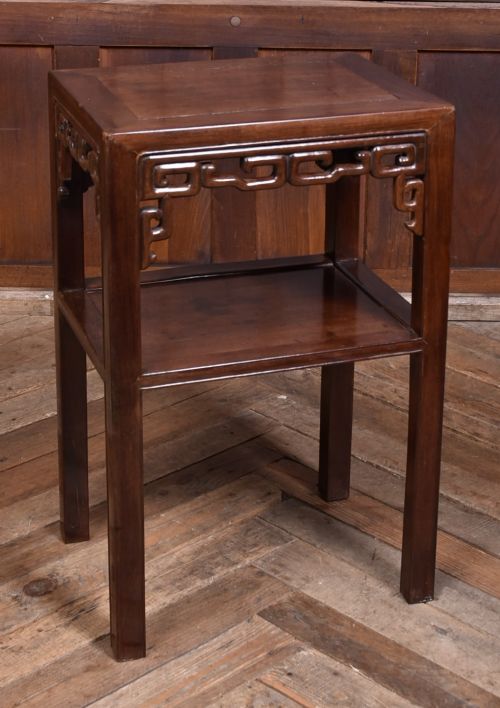
The selection spans several periods from the nineteenth century through the early twentieth century, taking in Victorian and Edwardian examples. Styles range from regional Anglo-Indian, Chinese Traditional, and Anglo-Burmese to Jacobean Revival, Georgian Revival, and Arts and Crafts.
Makers and workshops of the period produced these pieces in domestic hardwoods alongside exotic imports. Buyers often select them to anchor an awkward corner or to display ceramics and bronzes at a convenient height.
How they were made
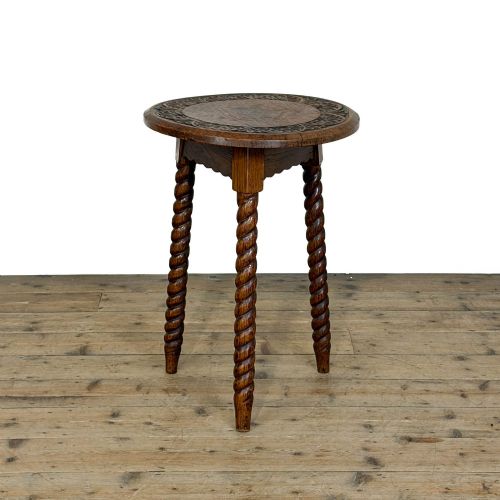
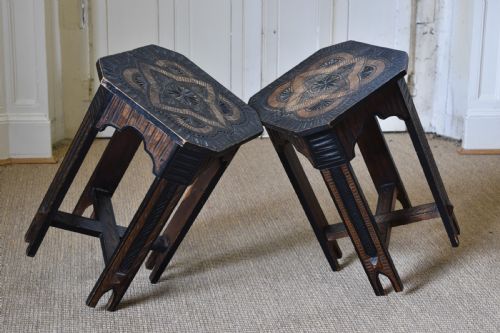
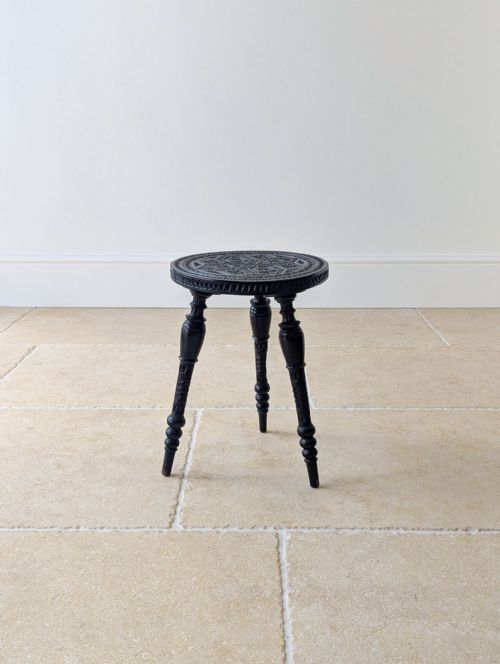
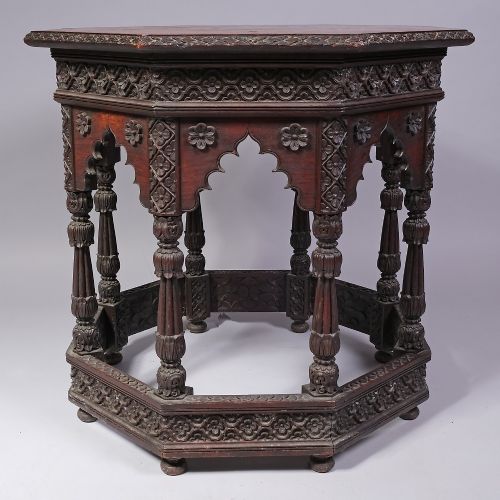
Makers utilised a range of timbers including oak, walnut, mahogany, teak, beech, padauk, amboyna, and general hardwood. Many pieces incorporate intricate chip carving, hand-carved motifs, and regional decorative techniques.
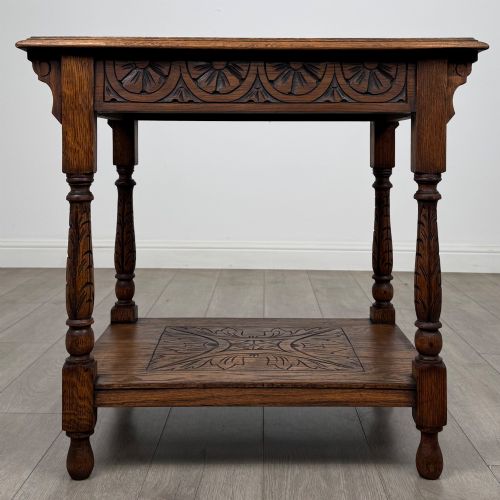
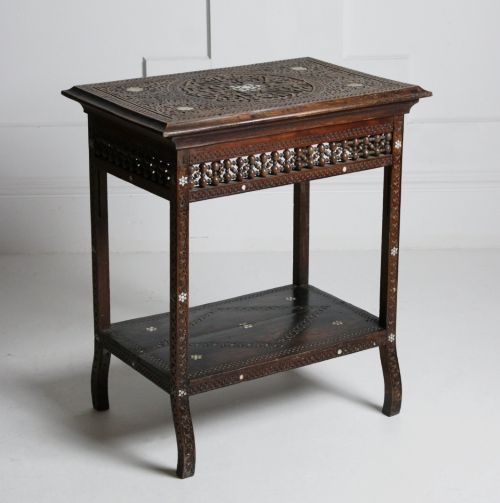
Construction methods vary from jointed frames and tripod bases to two-tier designs and octagonal forms. Occasional embellishments of bone, brass, and marble inset tops appear alongside ebonised finishes.
Periods represented span the 18th century, the 19th century, Victorian, Edwardian, and the early 20th century up to the 1930s.
What varies in quality
The depth and crispness of the hand-carving distinguish finer examples from standard production pieces. Sharp relief work and well-defined motifs reflect the skill of the original maker.
The choice of timber and the integrity of the joinery determine durability. Solid construction in hardwoods like walnut and mahogany holds up better to daily use than softer woods.
Liberty & Co.·Liberty of London·Shapland and Petter
The Carved Wooden Accent Stand Glossary
- Occasional table
- A small, movable table designed for minor, specific uses around a room. These pieces are easily relocated to hold drinks, books, or lamps.
- Tripod table
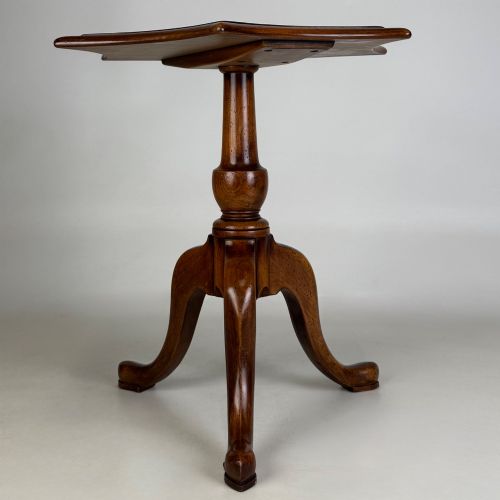
- A small table supported by a three-legged base. This design provides stability on uneven historic floors.
- Chip carving
- A style of carving where small chips are removed from a flat surface to create geometric patterns. It creates a rich, textured finish on wooden furniture.
- Pedestal stand
- A tall, narrow support used primarily for displaying urns, sculptures, or plants. They elevate decorative objects to eye level.
- Octagonal table
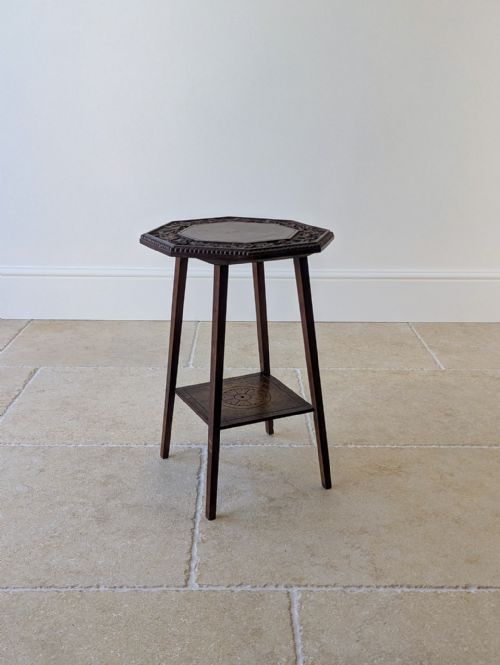
- A table with an eight-sided top, frequently seen in Moorish and Anglo-Indian designs. The geometry allows for intricate border carvings.
Carved Wooden Accent Stand: Frequently Asked Questions
What is a carved wooden accent stand used for?
These pieces function primarily as small display surfaces for lamps, plants, and decorative objects in living spaces. Their compact footprints make them suitable for empty corners or beside seating.
They also serve as functional side tables for holding books and drinks. Their decorative carvings add architectural interest to a room without dominating the floor plan.
How do I identify a Victorian accent stand?
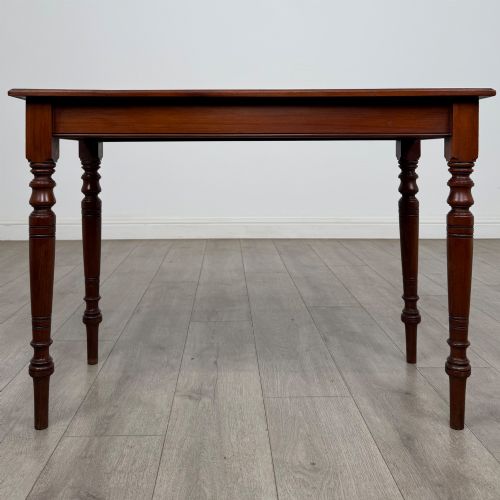
Victorian examples often feature darker hardwoods such as walnut and mahogany, accompanied by heavier carved details like barley twist legs or ebonised finishes. Arts and Crafts influences also appear towards the end of the period.
Construction traits from this era include traditional joinery and dense, heavy timber selection. Labels or stamps from retailers can occasionally provide a firmer date.
Are Edwardian stands different from Victorian ones?
Edwardian stands generally present lighter proportions and simpler lines compared to their heavier Victorian predecessors. Oak and walnut remain common, often with refined Edwardian or Georgian revival styling.
These pieces reflect a shift towards brighter, less cluttered domestic interiors in the early twentieth century. The carving tends to be more restrained and geometric.
How do I care for antique wooden stands?
Maintain the timber by keeping the piece away from direct heat sources and strong sunlight, which can dry out and fade the wood. Occasional dusting with a soft, dry cloth is usually sufficient.
Avoid using silicone-based polishes that build up over time. A traditional wax can be applied sparingly to nourish older hardwoods.