

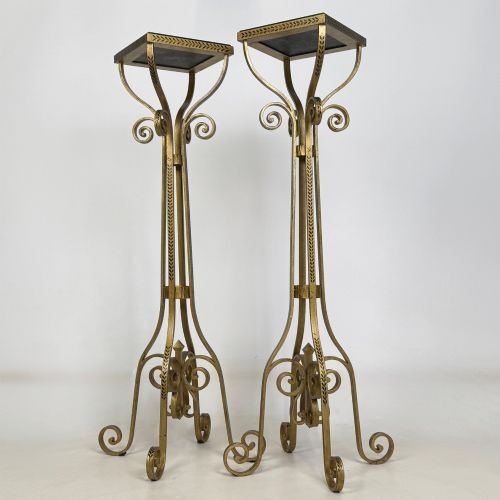
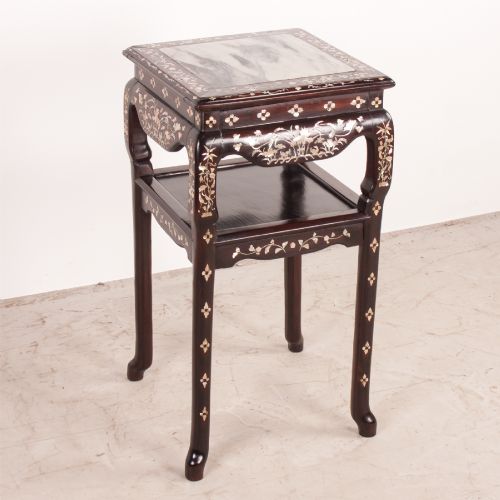

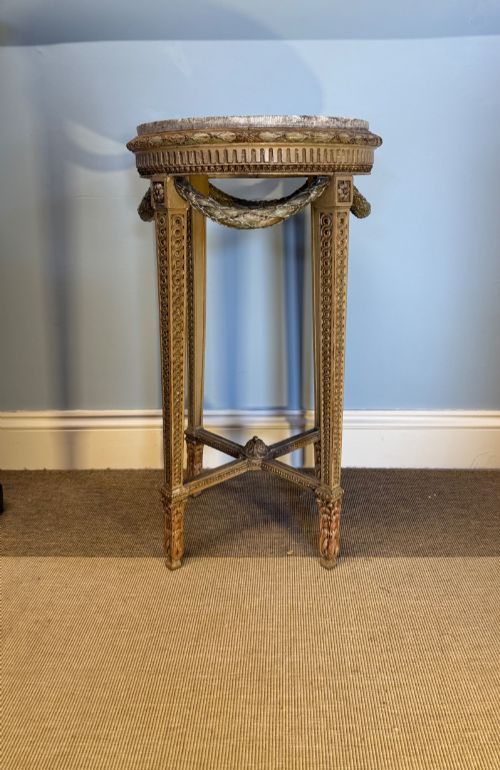
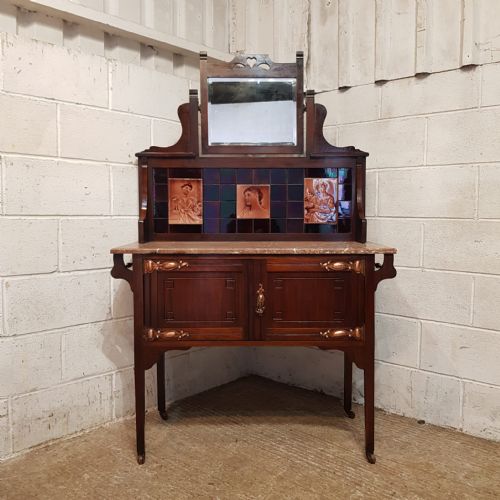



Vintage Marble Top Stand
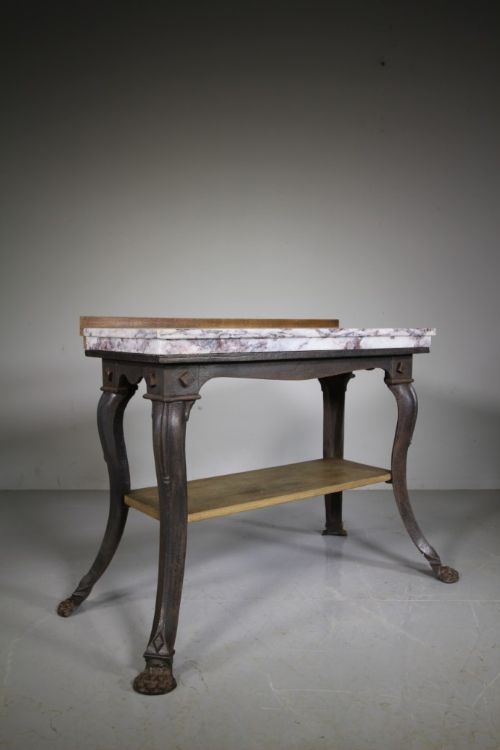
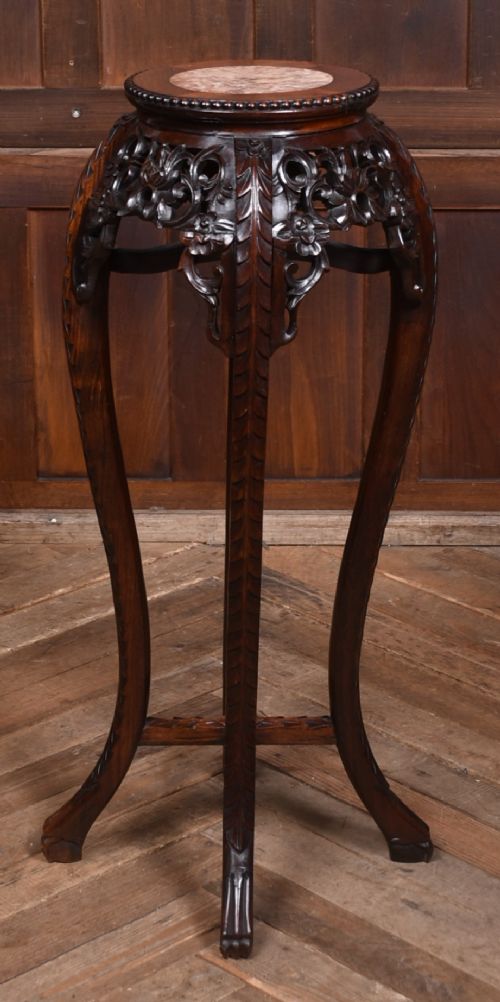
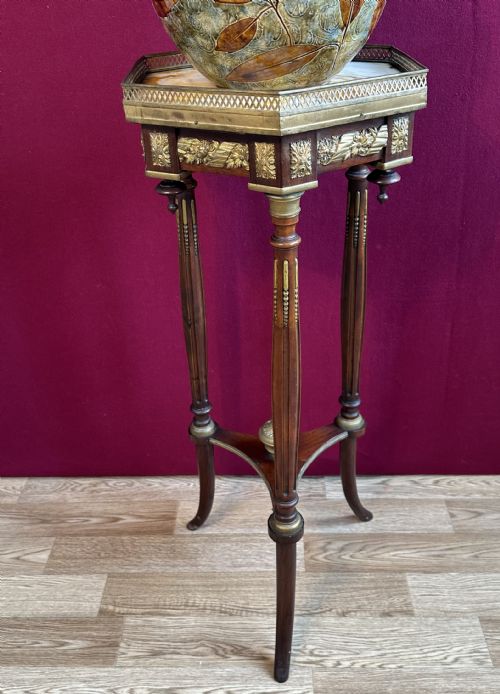
A vintage marble top stand combines heavy stone with timber or metal to serve as a sturdy surface for plants, lamps, or washing.
Vintage Marble Top Stand
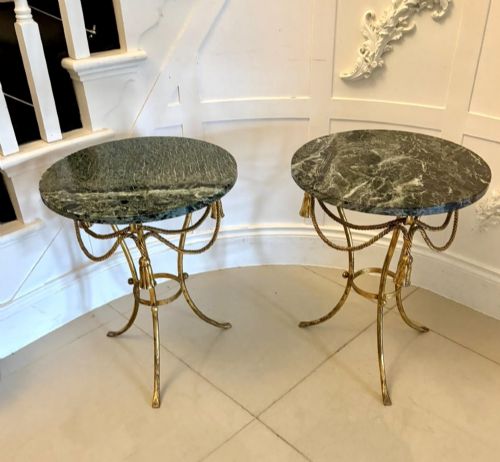
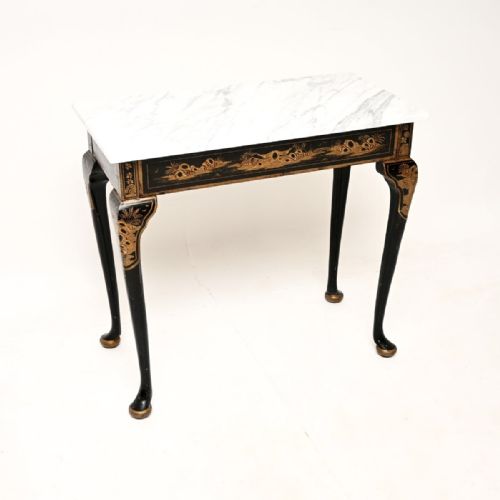
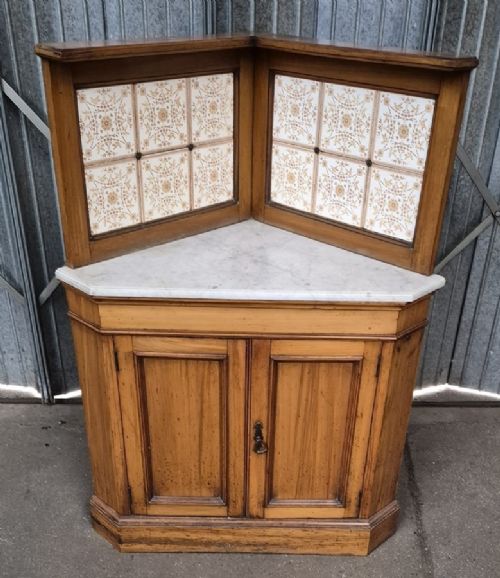
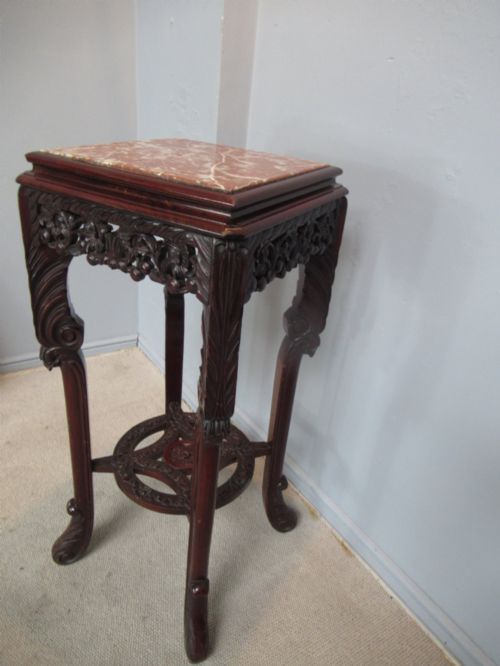
A vintage marble top stand encompasses a wide variety of furniture types designed for domestic utility and display, from washstands and bedside cabinets to plant pedestals and occasional tables. The pieces span the nineteenth and early twentieth centuries, drawing on Victorian, Edwardian, and continental design traditions.
Washstands and plant pedestals appear most frequently, constructed to support heavy basins or botanical displays. Buyers also encounter side tables, console tables, and hall stands that integrate stone inserts into wooden or metal frameworks.
Materials and construction
Cabinet makers utilised dense hardwoods such as mahogany, walnut, oak, and kingwood, alongside cast iron, brass, and gilt metal for the structural frames. These frames support inset slabs of white, rouge, or verde marble, which were selected for their ability to resist moisture and wear.
Joinery techniques range from traditional dovetailing in cabinetry to cast iron assembly and brass mounts. Inlaid details, mother of pearl, and gilded finishes frequently adorn the woodwork of French and Chinese export pieces.
Chinese export and French styles appear alongside English Arts and Crafts designs across the inventory.
Assessing quality
Quality rests in the integration between the stone top and its supporting frame, where precise fitting and substantial timber thickness distinguish finer workshops from utility pieces. The figuring and depth of the marble slab, alongside the crispness of carved details or brass mounts, indicate the original cost and ambition of the piece.
The integrity of the structural joinery and the survival of original surface finishes determine the condition of the piece. Tables with uncompromised marble edges and stable timber frames represent the upper tier of surviving examples.
Walker & Sons·Collinson & Lock London
The Vintage Marble Top Stand Glossary
- Washstand
- A piece of furniture designed to hold a basin and jug for personal washing, frequently fitted with a marble top to resist water damage.
- Gueridon
- A small French table, often circular, supported by a central column or multiple legs and topped with marble.
- Jardiniere stand
- A tall pedestal or table specifically constructed to display indoor plants and flower pots.
- Vernis Martin
- A type of simulated Japanese lacquer developed in France, used to decorate cabinet furniture and pedestals.
- Chinoiserie
- European decorative art that reflects Chinese artistic influences, seen in lacquered finishes and motif work.
Vintage Marble Top Stand: Frequently Asked Questions
What were marble top stands used for?
These stands served practical functions in bedrooms and living spaces, holding washbasins, water jugs, and chamber items. They also acted as display surfaces for table lamps, clocks, and decorative plants.
The cool stone surface provided a durable, water-resistant top that easily wiped clean, making it ideal for daily household routines before plumbed bathrooms became standard.
How do I care for a vintage marble top?
Clean the stone using warm water and a soft cloth, avoiding acidic household cleaners that can etch the polished surface. Wipe up spills promptly to prevent staining, particularly on porous varieties of marble.
Waxing the wooden or metal base separately helps maintain the finish without transferring grease onto the stone insert.
How do I date a Victorian washstand?
Examine the timber species, drawer construction methods, and hardware style to establish the period. Victorian pieces often utilise solid walnut or mahogany with hand-cut dovetailing and ceramic castors.
The presence of maker stamps or registration marks on the underside can provide a more precise year of manufacture.
Are these stands suitable for modern bathrooms?
Many buyers repurpose antique washstands and bedside cabinets as bathroom vanity units or basin surrounds. The original marble tops naturally withstand splashes and humid environments.
Plumbing modifications may be necessary to fit modern pipes through the historical wooden framework.