

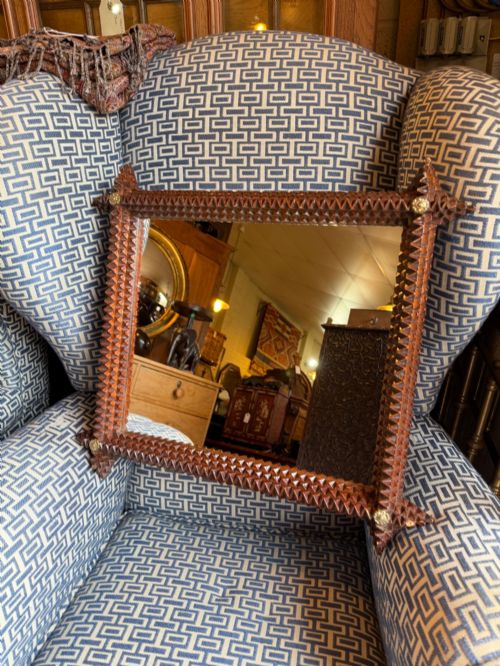
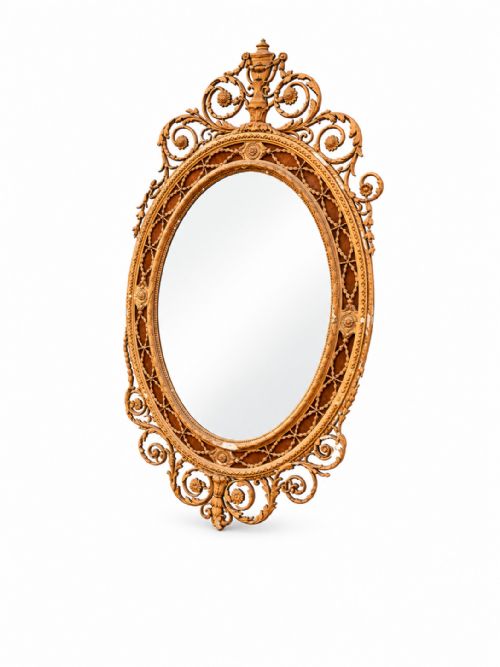
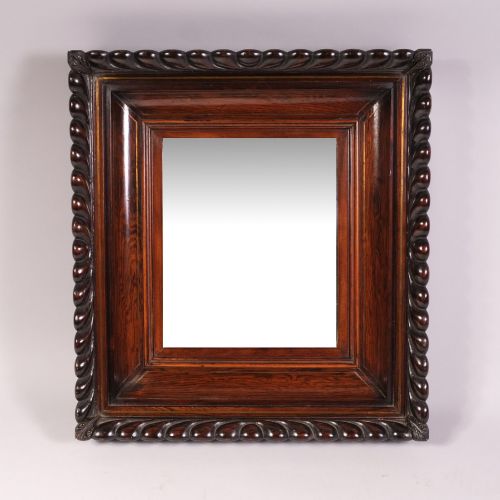
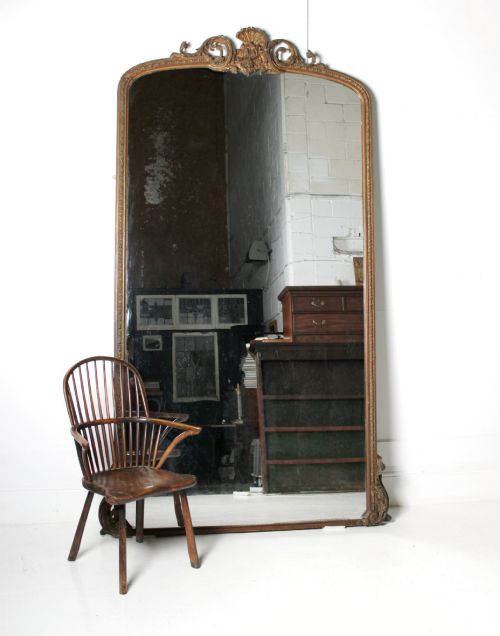
Carved Wood Wall Mirrors
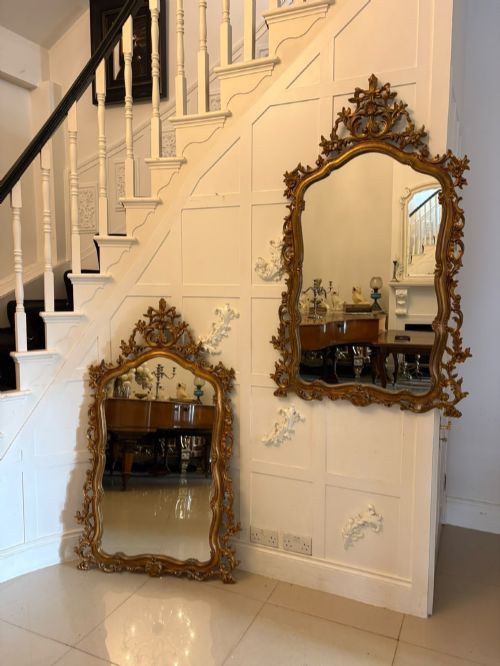
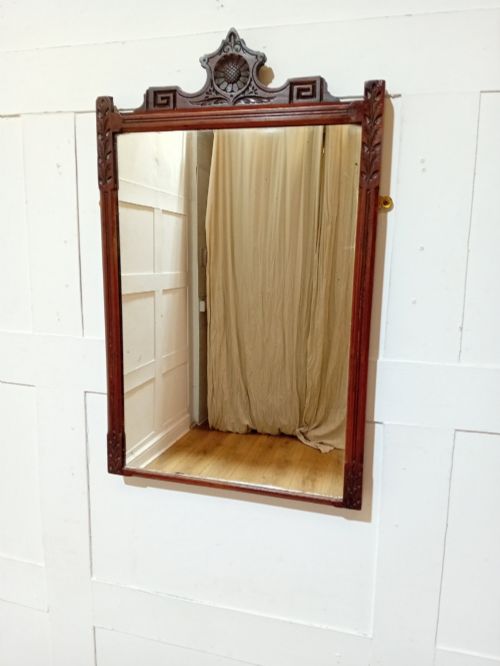
These carved wood wall mirrors bring architectural depth and reflective light to a room, spanning grand overmantels and intimate hall pieces.
Carved Wood Wall Mirrors
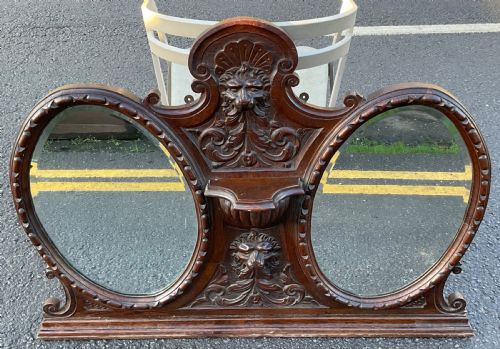
Carved wood wall mirrors encompass a broad lineage of decorative hanging glass, stretching from compact hallway timber frames to expansive overmantel centrepieces. The examples on this page draw heavily from the eighteenth and nineteenth centuries, merging functional reflection with sculptural woodworking.
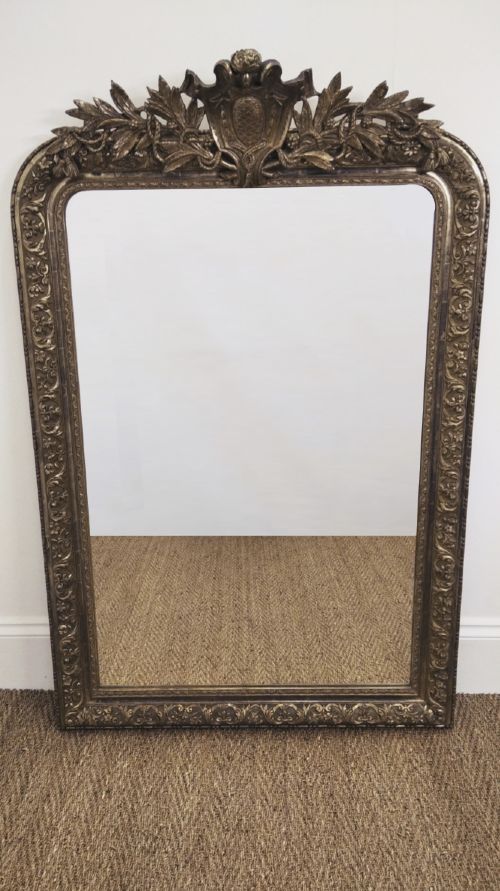
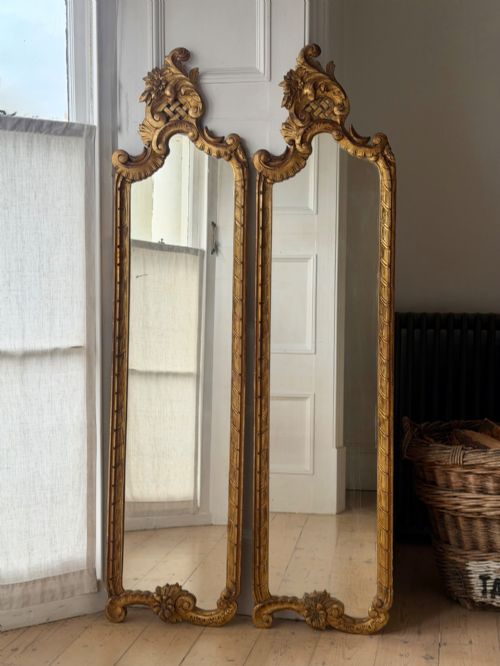
Buyers encounter distinct regional traditions within these listings, notably substantial English giltwood overmantels, ornate French rococo designs, and restrained Georgian mahogany forms. Pier mirrors and girandoles also appear frequently, designed to hang between windows or carry candle sconces for enhanced illumination.
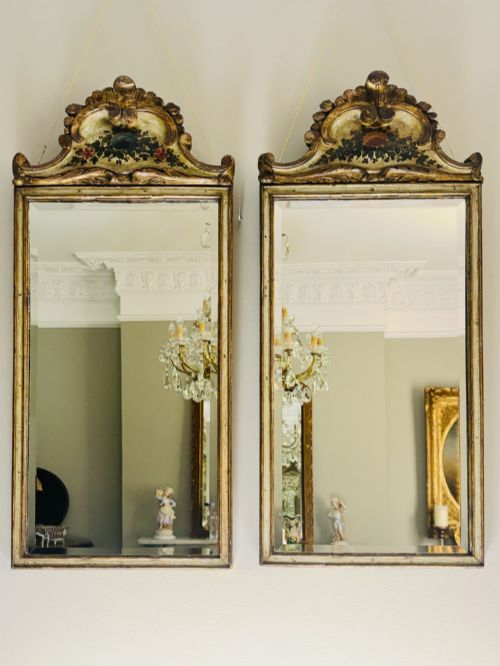
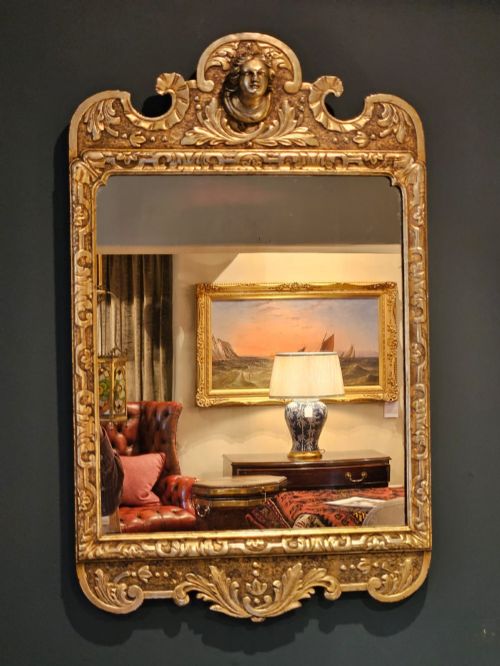
The materials span traditional hardwoods like mahogany, walnut, and oak alongside heavily gilded surfaces applied over gesso and carved softwood bases. Surviving pieces often retain original crestings, painted panels, or antique mirror glass bearing the subtle blemishes of age.
How they were made
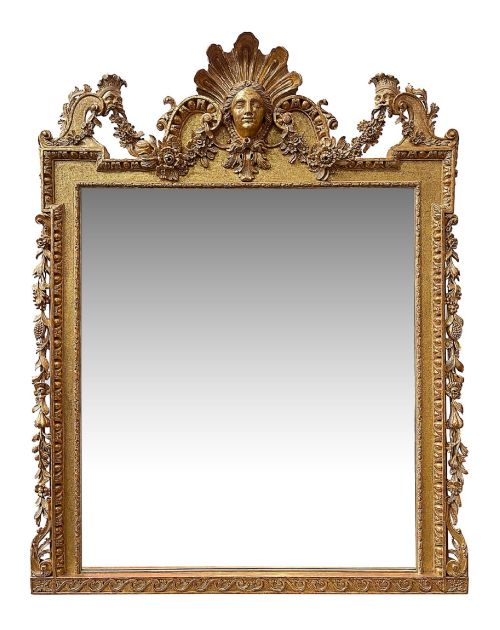
Carpenters and joiners constructed the structural wooden frames using traditional joints before carvers applied intricate ornamentation directly to the timber or onto applied layers of gesso. Giltwood pieces received microscopic sheets of gold leaf laid over a prepared bole base, which artisans then burnished to achieve a brilliant metallic sheen.
Alternative finishes involved painted and parcel-gilt treatments, red lacquer work, or simply polishing dense hardwoods like mahogany and rosewood to highlight natural grain patterns. Mirror glass was historically silvered using mercury or chemical solutions, fitted into the rebate behind wooden mouldings and secured with original backing boards.
Carved Wood Wall Mirrors Retail Price Guide 2026
Typical asking prices for carved wood wall mirrors among the pieces listed under this phrase on Sellingantiques today, from the lower quarter to the upper quarter. They describe what is for sale here now, not the wider market.
What varies in quality
The crispness and depth of the hand-carving dictate the primary visual hierarchy, separating fluid, deeply undercut foliage from shallow, mechanical moulding. Master carvers achieved anatomical and botanical precision that lesser workshops failed to replicate in their gesso and wood ornamentation.
Originality of surface and component parts heavily influences the standing of a piece, particularly the survival of genuine mercury mirror plates, early gilding, and undisturbed crestings. Later restorations or stripped finishes alter the integrity of the object compared to examples preserving their initial patination.
Gillows Of Lancaster·C. Nosotti
The Carved Wood Wall Mirrors Glossary
- Giltwood
- Wood that has been coated with gold leaf applied over a prepared gesso ground. This technique creates a luminous metallic finish characteristic of formal period frames.
- Gesso
- A plaster mixture applied to carved wooden frames as a smooth base for gilding or painting. It allows carvers to crisp up fine decorative details before applying gold leaf.
- Overmantel mirror
- A large horizontal mirror designed specifically to hang above a fireplace mantelpiece. These pieces often incorporate architectural pediments or arched tops.
- Trumeau
- A decorative wall mirror incorporating an integrated painted panel or oil painting above the glass. Originating in France, these pieces served as permanent wall ornamentation.
- Girandole
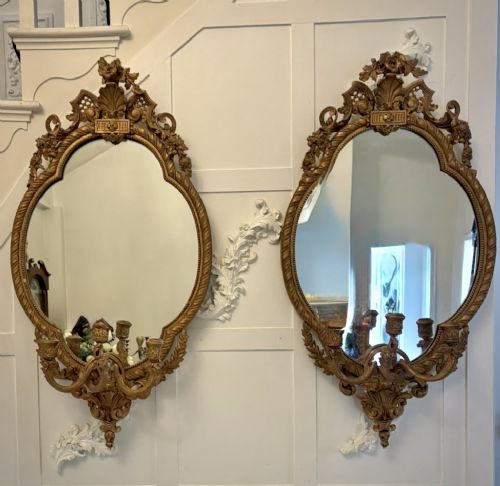
- A wall mirror featuring attached candle sconces designed to reflect and multiply candlelight. The reflective gilt surface enhances the illumination within the room.
- Pier mirror
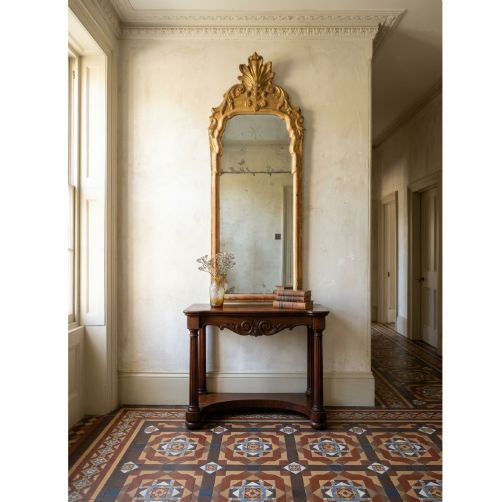
- A tall, narrow mirror manufactured to fit the wall space between two windows. They frequently accompanied matching console tables in formal period interiors.
Carved Wood Wall Mirrors: Frequently Asked Questions
How do I hang a heavy antique overmantel mirror?
Substantial timber and gilt frames require professional wall fixings distributed securely into structural studs or masonry rather than standard plaster plugs.
Weight allowances must account for the dense hardwood construction and heavy glass plates typical of nineteenth-century formats.
Are antique mirror plates always replaced?
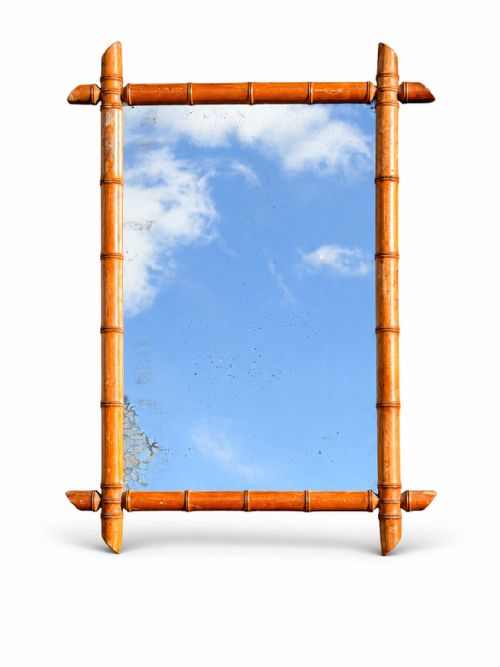
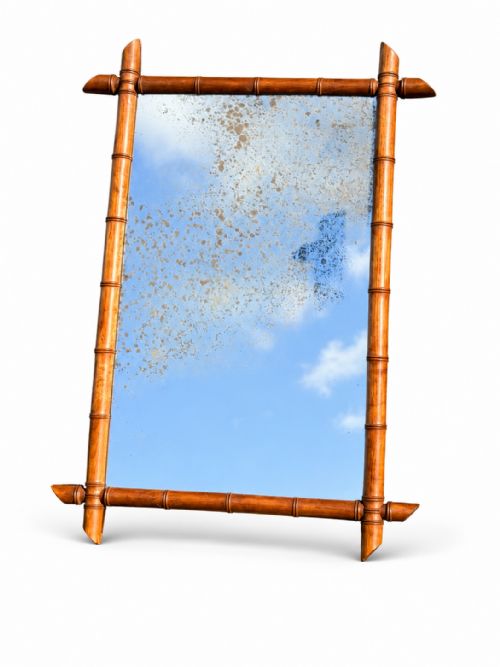
Many surviving frames retain their original mercury glass, which exhibits characteristic dark foxing spots, gentle distortion, and uneven reflection.
Later Victorian or modern replacements appear clearer and lack the mottled depth found in eighteenth and early nineteenth-century plates.
How do I clean a gilded wooden frame?
Dusting should occur gently using a soft, dry artist brush to protect fragile gesso and delicate leaf application from mechanical abrasion.
Liquid cleaners and moisture must be kept entirely away from gilded surfaces to prevent permanent lifting of the metallic leaf.
What is the difference between an overmantel and a pier mirror?
Overmantel mirrors feature horizontal proportions designed to anchor the visual weight above a fireplace hearth.
Pier mirrors utilise vertical proportions to occupy narrow wall spaces between windows, frequently paired with console tables.