

Carved Wood Vanity Stool
A carved wood vanity stool brings practical elegance to a dressing area, offering both comfort and period character.
Carved Wood Vanity Stool
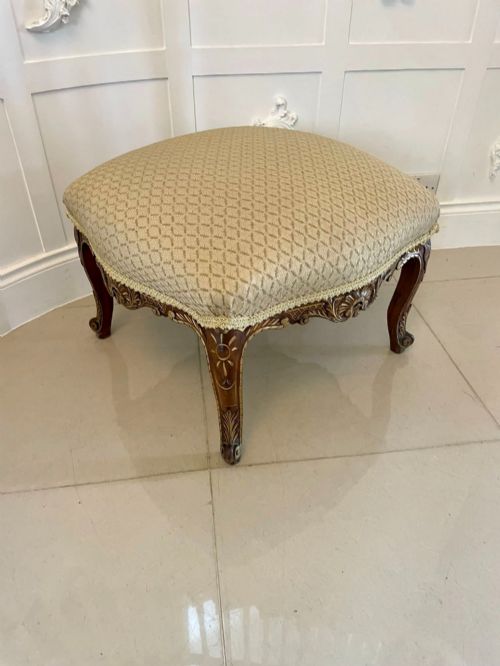
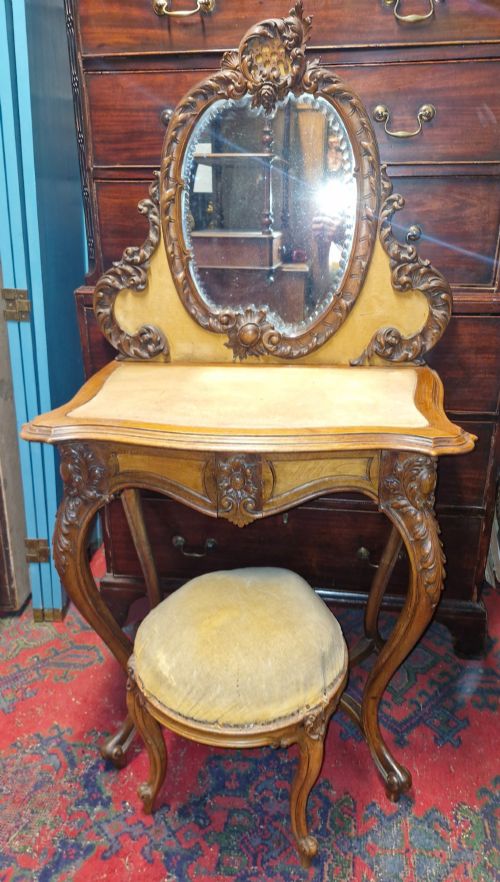
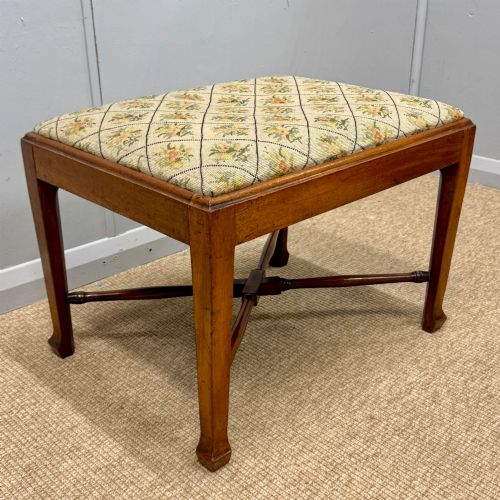
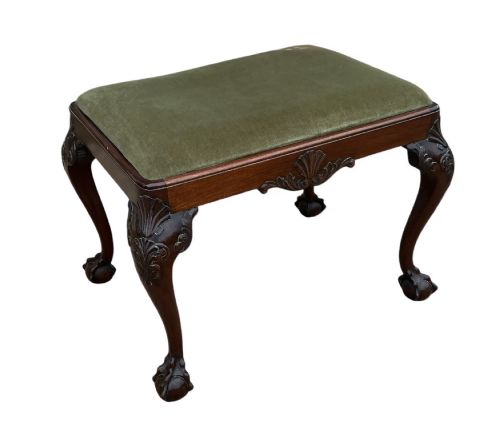
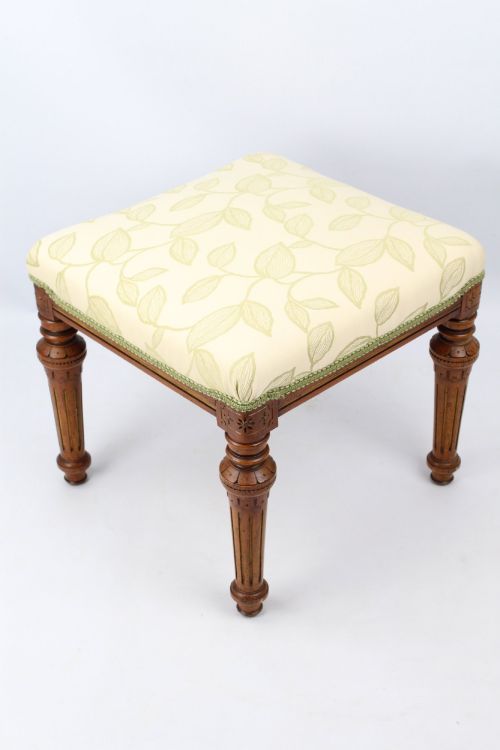
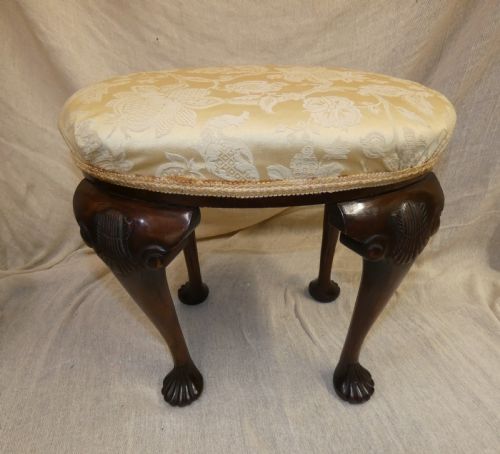
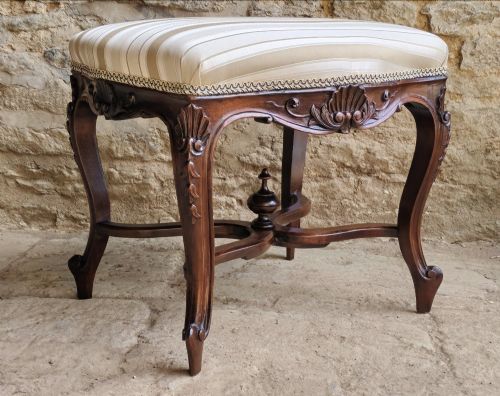
When you search for a carved wood vanity stool, you encounter low seating designed for dressing tables, bedrooms, and boudoirs across multiple centuries and stylistic revivals. The selection spans the nineteenth century up through the nineteen-thirties, with Victorian examples appearing alongside Georgian and Chippendale revivals.
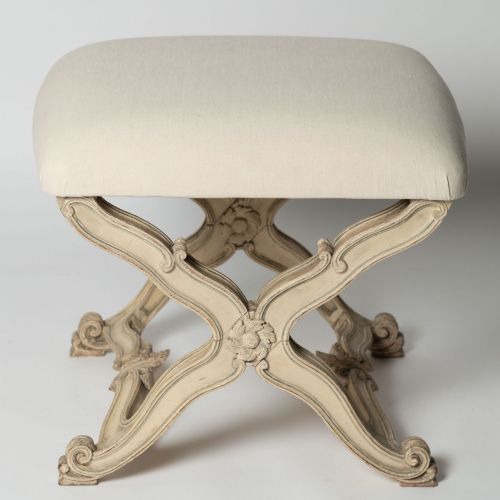
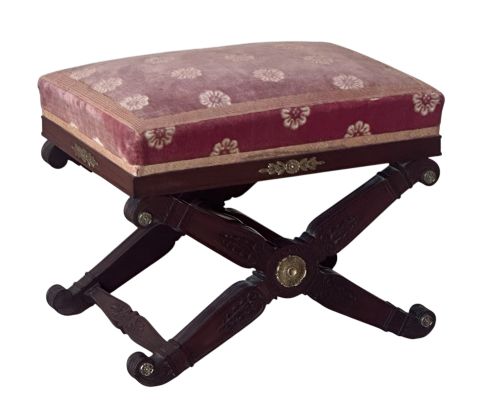
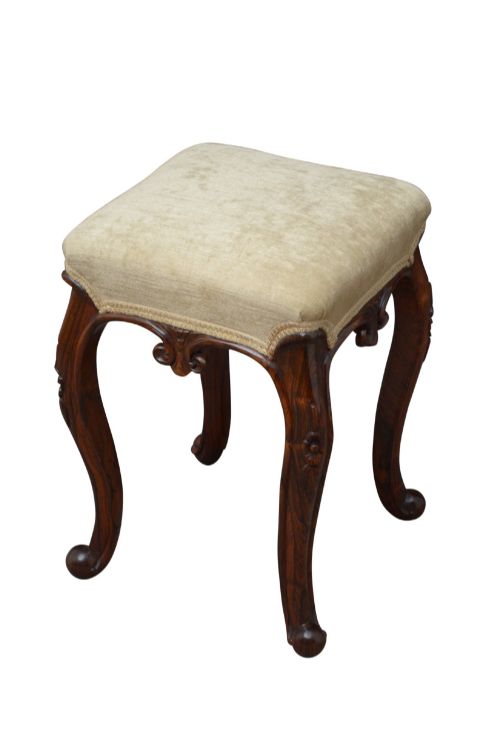
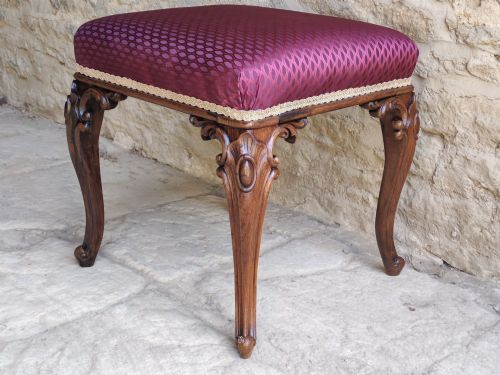
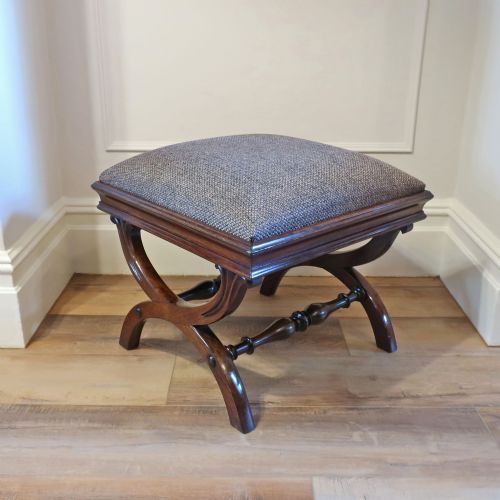
The forms vary from simple upholstered footstools to ornate dressing table stools with cabriole legs, cross stretchers, and X-frame structures. Walnut, mahogany, and rosewood dominate the timber choices, frequently paired with fabric, velvet, or silk seats.
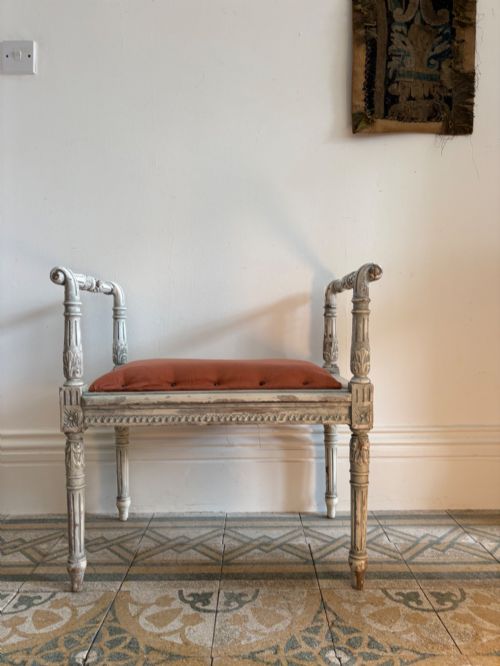
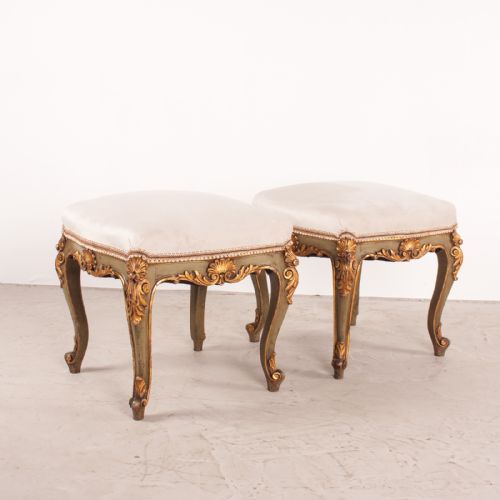
Continental pieces add variety through French Empire, Gustavian, and Rococo styles, utilising painted finishes, giltwood, and gesso alongside traditional British cabinet-making forms.
How they were made
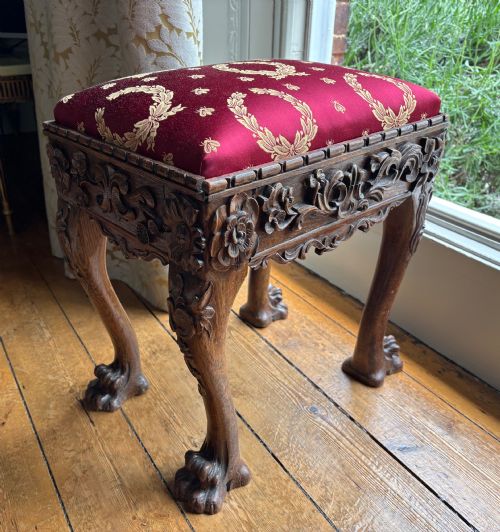
Cabinet-makers relied on dense hardwoods such as mahogany, walnut, and rosewood to carve intricate details like cabriole legs, scrollwork, and stretchers. Timbers were shaped using hand tools to achieve curved frames, x-frame supports, and curule bases.
Surface decoration involved carving directly into the solid wood, supplemented on continental or revival pieces by gilding, gesso work, and white paint. Upholstered seats were built over webbing or stuffing, finished with textile covers ranging from silk to velvet.
One recorded maker stamped their gilded seat frame in Paris, ensuring Parisian elegance reached provincial dressing rooms.
What varies in quality
Quality rests in the crispness of the timber carving and the architectural integrity of the frame joints. Superior examples display deeply sculpted ornamentation rather than shallow, machine-cut decoration, alongside robust construction that withstands weight without wobble.
The choice of secondary timbers and the precision of joinery separate standard production items from workshop pieces executed for high-end clients. Original upholstery configurations and period gilding also elevate a piece above later restorations.
Jas Shoolbred·Loidrault Freres Paris
The Carved Wood Vanity Stool Glossary
- Cabriole leg
- A furniture leg that curves outward at the knee and tapers inward toward the foot, often ending in a pad or scroll.
- X-frame
- A structural base formed by intersecting curved or straight members shaped like the letter X, providing robust support.
- Giltwood
- Timber treated with gold leaf or gold paint applied over a prepared gesso base.
- Curule stool
- An ancient Roman form of folding seat with two curved legs shaped like stretched legs, revived in neoclassical furniture.
- Gesso
- A plaster-like mixture applied to wood surfaces to provide a smooth base for painting or gilding.
Carved Wood Vanity Stool: Frequently Asked Questions
What is a carved wood vanity stool used for?
These low seats served primarily in bedrooms and dressing rooms in front of dressing tables or mirrors. They provided comfortable seating during personal grooming routines.
Over time, smaller forms also functioned as footstools or piano seats, adapting to different domestic rooms while maintaining decorative appeal.
How do I identify Victorian examples?
Victorian pieces frequently utilise dark timbers like walnut and rosewood, often featuring heavy carved details and cabriole legs. Many incorporate adjustable height mechanisms or button-tufted upholstery.
Proportions tend to be robust, reflecting mid-nineteenth-century preference for solid construction and revivalist decorative motifs.
Are these stools suitable for daily use?
Most antique stools are structurally sound enough for regular seating if the frame joints remain tight and stable. However, older upholstery or delicate silk covers may require careful handling or replacement.
Checking the rigidity of the stretchers and legs helps determine whether a piece handles daily weight comfortably.