



Carved Wood Putti
When you search for carved wood putti, you uncover centuries of sculptural figures that bring drama and movement to interior spaces.
Carved Wood Putti
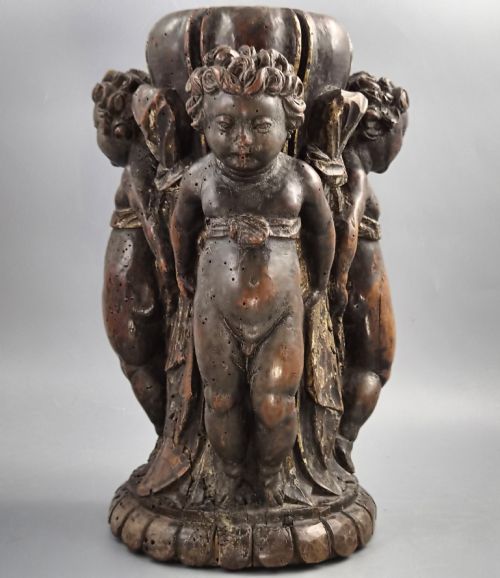
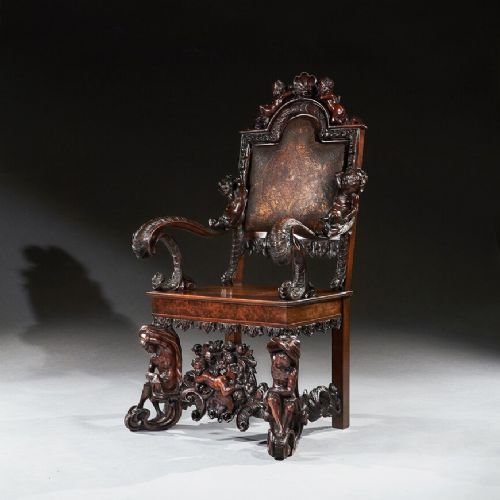
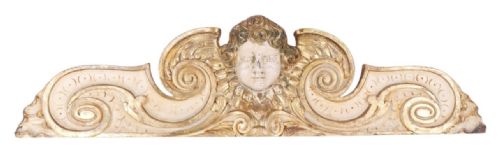
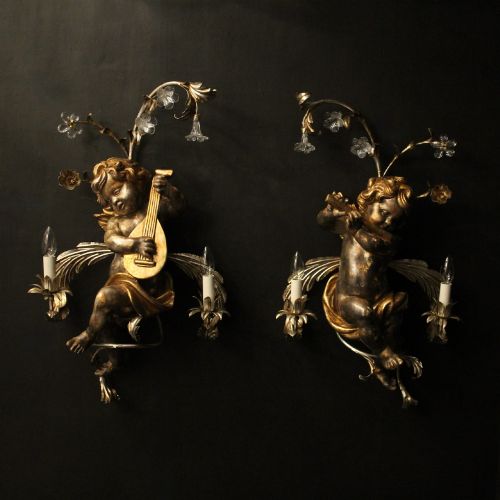
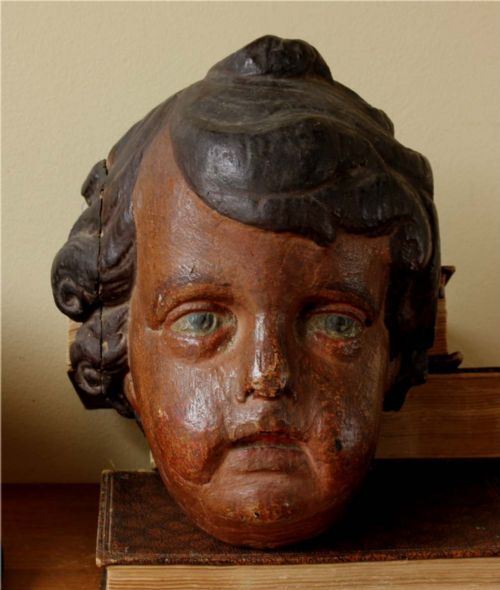
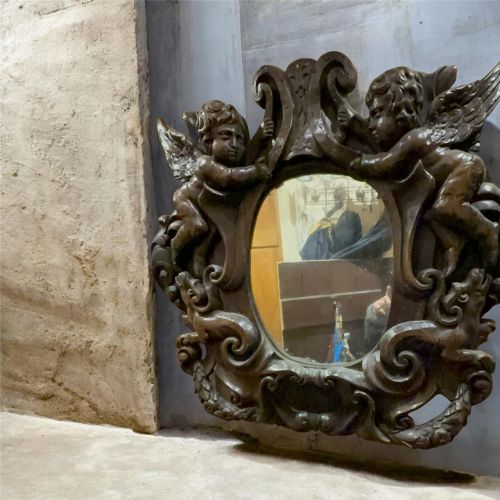
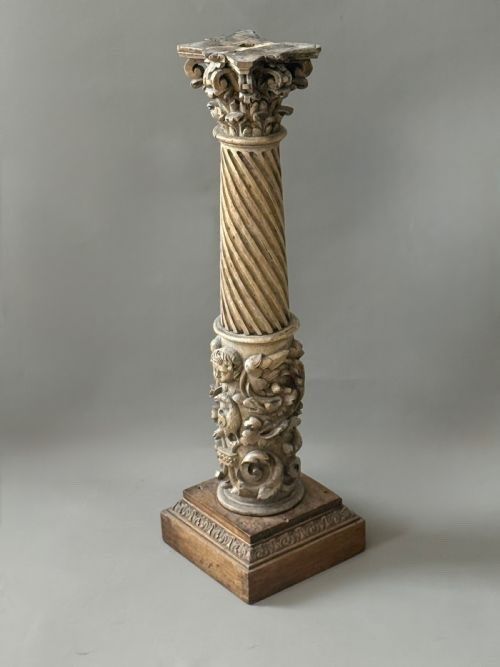
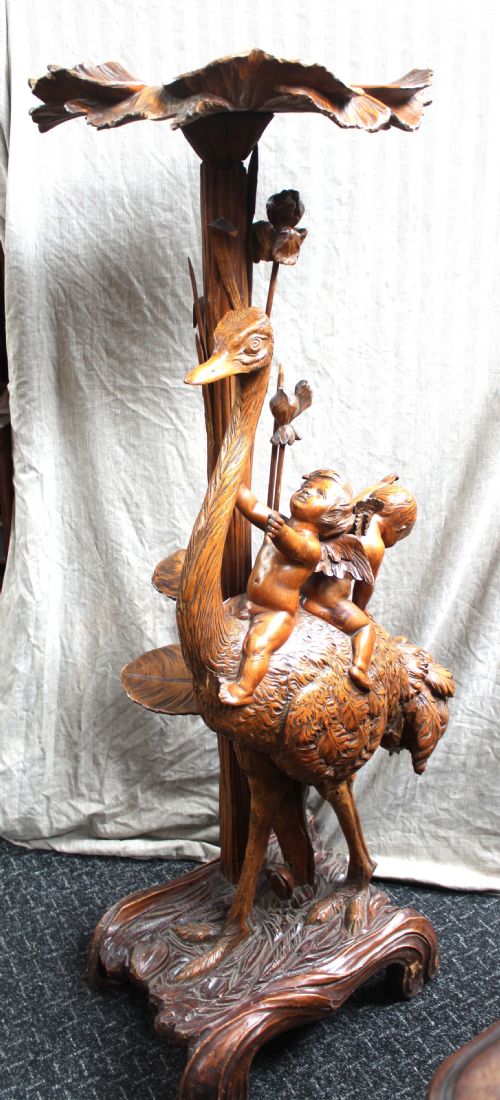
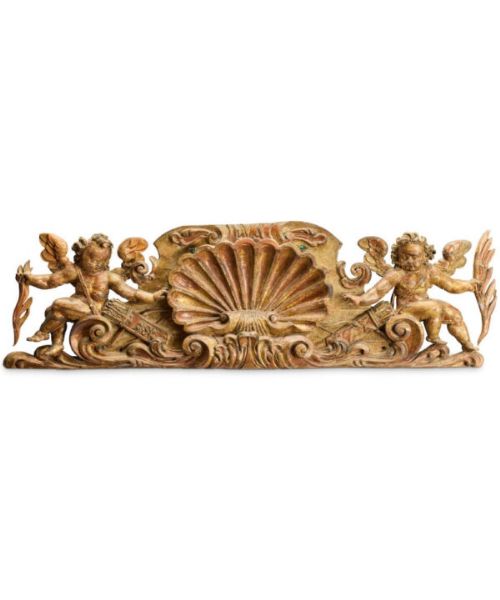
Carved wood putti encompass winged cherubic figures, sculptural heads, and architectural fragments originating primarily from continental workshops during the seventeenth, eighteenth, and nineteenth centuries. These depictions appear integrated into wall brackets, mirrors, torcheres, and standalone statuary rather than standing as isolated items.
The nineteenth-century revival styles heavily emulate earlier Baroque and Renaissance precedents, meaning many pieces on this page draw on seventeenth-century Italian or French designs while dating to the Victorian era. Walnut, oak, and limewood serve as the primary substrates for these sculptural works.
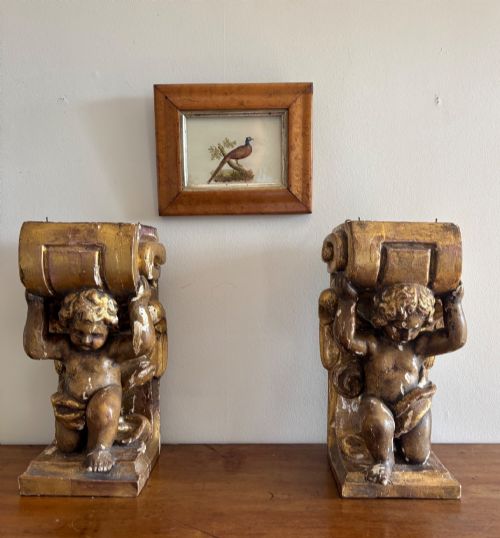
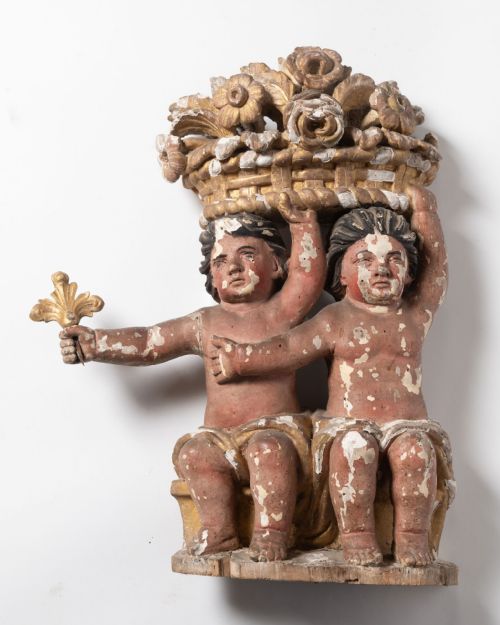
Buyers commonly encounter pairs of wall brackets, giltwood mirror frames ornamented with cherub heads, and polychrome or parcel-gilded figures that once adorned religious altars or grand domestic interiors.
Materials and Carving Techniques
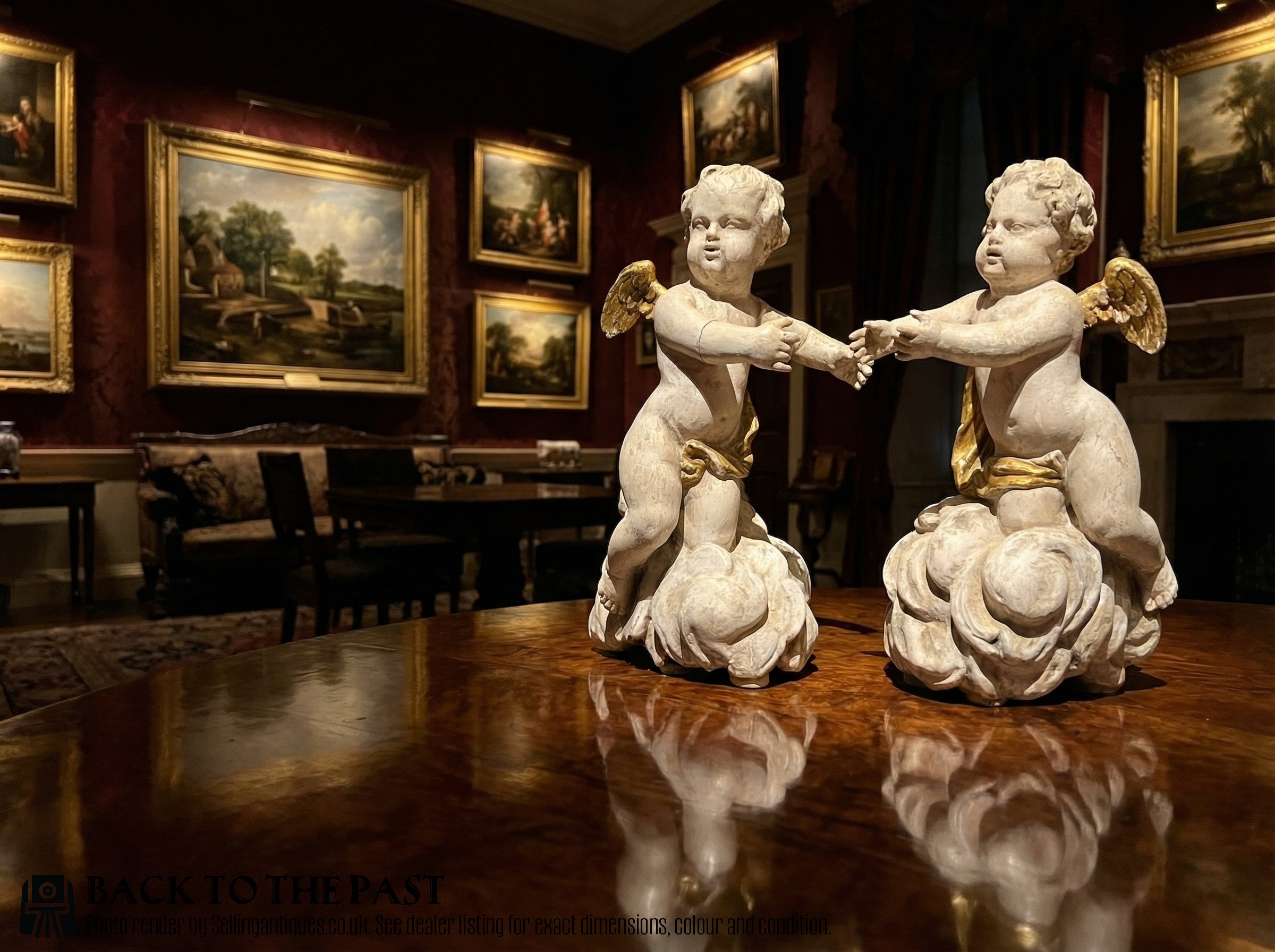
Many surfaces received a preparation of gesso before application of gold leaf, silver gilt, or polychrome paint layers. This ground layer provided a smooth base for burnishing the metal leaf or holding delicate pigments on eighteenth-century figures.
Several putti appear perched on clouds, reminding everyone that even celestial infants occasionally need a soft place to sit.
Judging Quality in Wood Carvings
Depth of relief and anatomical confidence distinguish masterworks from commercial production pieces. Superior carvers achieved realistic musculature and lively posture in the putti, whereas lower-tier items exhibit stiff limbs and shallow, formulaic tool marks.
The integrity of the original surface finish, whether aged giltwood or layered polychrome, dictates desirability. Pieces retaining their primary gesso and gilding without heavy modern overpainting command greater attention from collectors.
Grinling Gibbons·Andrea Brustolon
The Carved Wood Putti Glossary
- Putto
- A figure of a small chubby male child, often winged, derived from classical art and frequently seen in Renaissance and Baroque decorative schemes.
- Gesso
- A plaster mixture applied to wood surfaces as a base for paint or gold leaf application. It provides a smooth ground for finishing.
- Giltwood
- Timber that has been coated with gold leaf or gold paint for decorative effect. This technique was widely utilised on mirrors and architectural ornaments.
- Torchiere
- A tall stand or candlestick designed to hold a light source. In this context, they often feature carved putti figures supporting the stem.
- Polychrome
- Decorated in several colours. This term describes statues and panels retaining their original painted flesh tones and garments.
Carved Wood Putti: Frequently Asked Questions
What period do most carved wood putti come from?
The pieces span from the seventeenth century through to the early twentieth century, with a heavy concentration of items produced during the nineteenth century in revival styles.
Craftsmen in this later era closely copied earlier Baroque and Renaissance motifs, making detailed examination of the wood and tool marks essential for accurate dating.
How were carved wood putti originally used?
These figures served primarily as architectural embellishments, church decorations, and furnishings in grand European buildings. They adorned mirror frames, supported wall brackets, or stood as torcheres.
Many originated as fragments from larger altarpieces or overdoor panels before being adapted for decorative display.
How do I care for antique carved wood putti?
Maintain stable humidity and temperature levels to prevent the underlying timber from splitting or warping over time. Avoid placing items in direct sunlight to protect fragile gilt or polychrome surfaces.
Dust gently with a soft, dry brush, refraining from using liquid polishes or modern cleaning chemicals on historic finishes.
How can I tell the difference between 17th and 19th century pieces?
Seventeenth-century carvings display tool marks and wear patterns consistent with hand-forged irons and age-related timber shrinkage. Nineteenth-century revival pieces often feature machine-prepared backing timber combined with hand-finished surfaces.
Stylistic execution also offers clues, as revival carvers occasionally exaggerated the theatricality of Baroque forms.