


Antique Silvered Giltwood
Antique silvered giltwood pieces combine silver leaf and gold leaf on carved wood, offering a dual-tone surface that catches ambient light.
Antique Silvered Giltwood
When you search for antique silvered giltwood, you are looking at mirrors, wall lights, and seating decorated with layered metallic leaf surfaces. These objects date from the seventeenth century through to the early twentieth century, spanning Italian, French, and English workshops.
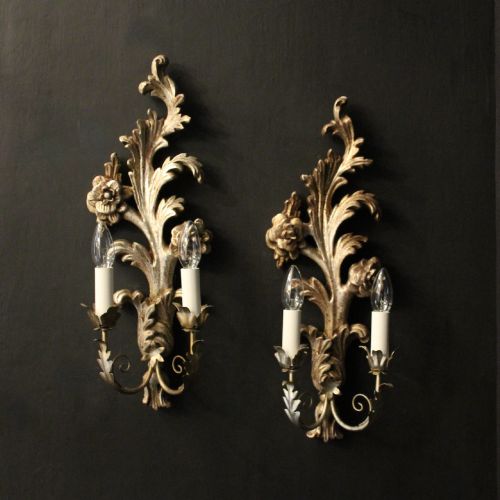
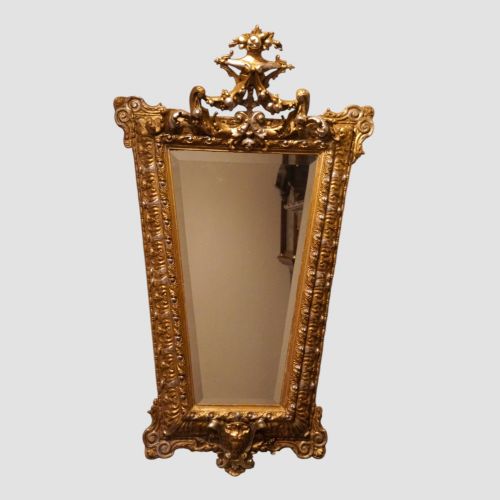
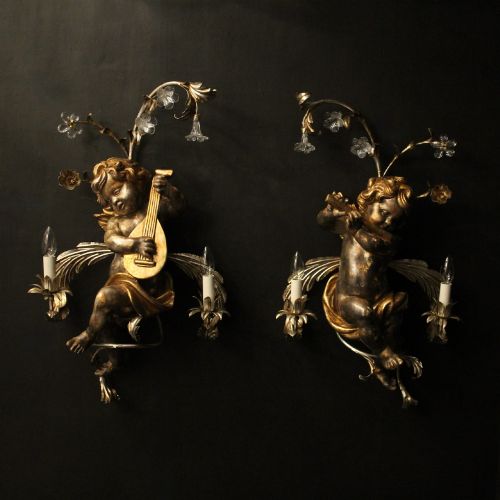
The Florentine wall lights and Italian baroque mirrors are most commonly met on this page, often featuring carved wooden scrollwork and cherub motifs. Large scale armchairs and overmantel mirrors also appear, demonstrating the grand scale typical of these decorative furnishings.
How they were made
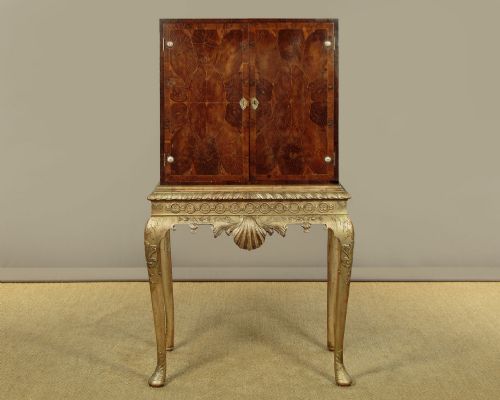
Craftsmen built the underlying forms from carved wood, applying layers of gesso to create a smooth preparation for the metallic leaf. Wood and carved wood serve as the primary structural body for mirrors, cabinets, and seating.
Artisans then applied silver leaf, gold leaf, and silvered mecca finishes across the carved surfaces. This dual application of silver and gold created the characteristic reflective contrast seen on Italian and French pieces.
The listings span from seventeenth-century wall sconces to 1930s Florentine wall lights, utilising wood, gesso, and glass.
What varies in quality
The precision of the wood carving determines the crispness of acanthus leaves, scrollwork, and figurative details like cherubs. Deeper, sharper hand-carving separates exceptional furniture and mirrors from simpler production.
The application and preservation of the silver and gold leaf surfaces dictate visual depth. Examples retaining original layered metal leaf without heavy later repainting show superior ageing and material integrity.
The Antique Silvered Giltwood Glossary
- Giltwood
- Wood that has been coated with gold leaf. This technique provides a brilliant, warm metallic finish common in classical furniture.
- Silver Leaf
- Extremely thin sheets of beaten silver applied to a prepared gesso surface. It offers a cooler, brighter reflective tone than gold.
- Gesso
- A plaster mixture applied to carved wood to create a smooth base for leafing. It allows carvers to achieve fine detail before applying metal.
- Mecca
- A transparent yellow-gold varnish applied over silver leaf to simulate gold at a lower cost. It creates a distinctive warm metallic appearance on Italian candlesticks.
- Overmantel Mirror
- A large mirror designed to hang directly above a fireplace mantel. These pieces often feature extensive carved frames in Victorian or nineteenth-century styles.
Antique Silvered Giltwood: Frequently Asked Questions
How do I clean antique silvered giltwood?
Dust surfaces gently with a soft, dry brush to protect the delicate metallic leaf. Avoid liquid cleaners and chemical solvents entirely.
Moisture can penetrate the gesso and lift the silver or gold leaf from the carved wood base.
What is the difference between silver leaf and silvered mecca?
Silver leaf consists of genuine beaten silver applied directly to the prepared gesso and wood ground. It maintains a cool, bright metallic tone.
Silvered mecca uses silver leaf coated with a golden translucent lacquer to mimic true gold leaf with a warm sheen.
Where were most silvered giltwood wall lights made?
Many surviving wall lights and sconces originate from Florentine and broader Italian workshops. These pieces frequently incorporate carved wooden arms and cherub figures.
French makers also produced similar lighting fixtures and elbow chairs during the nineteenth and early twentieth centuries.
How do I date an antique giltwood mirror?
Examine the construction of the wooden frame, the composition of the gesso, and the style of the carving. Seventeenth and eighteenth-century pieces display baroque and rococo forms with hand-carved details.
Victorian and later nineteenth-century examples often feature heavier proportions and distinct overmantel formats.