



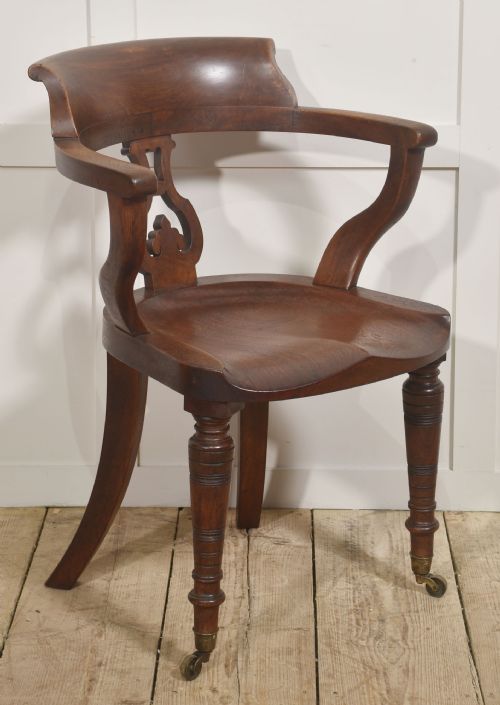


Carved Wood Office Chair
A carved wood office chair brings solid timber and traditional design to a workspace, offering sturdy seating built to endure.
Carved Wood Office Chair
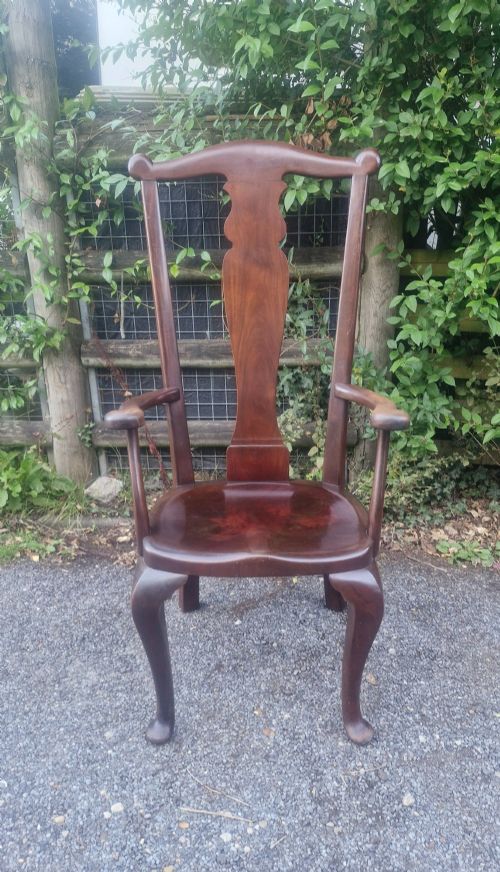
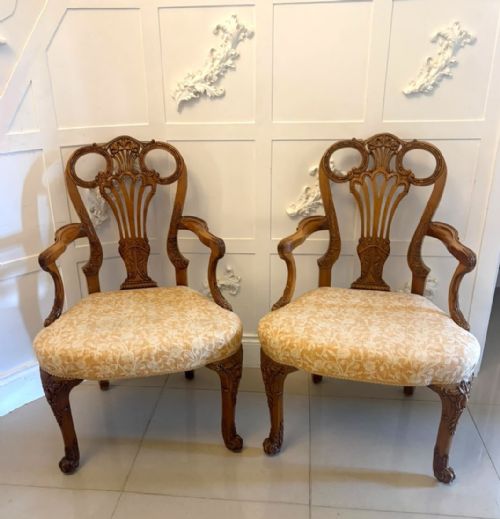
When you search for a carved wood office chair, you encounter seating designed for workspaces from the nineteenth century onward. The selection spans Victorian and Edwardian periods, alongside revival styles that adapt earlier forms for later desks.
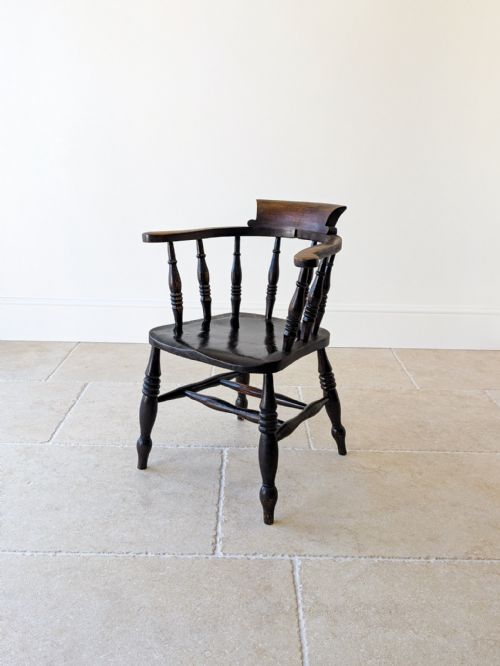
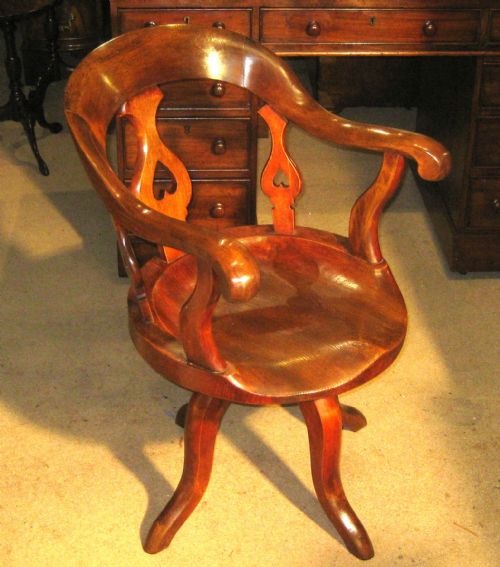
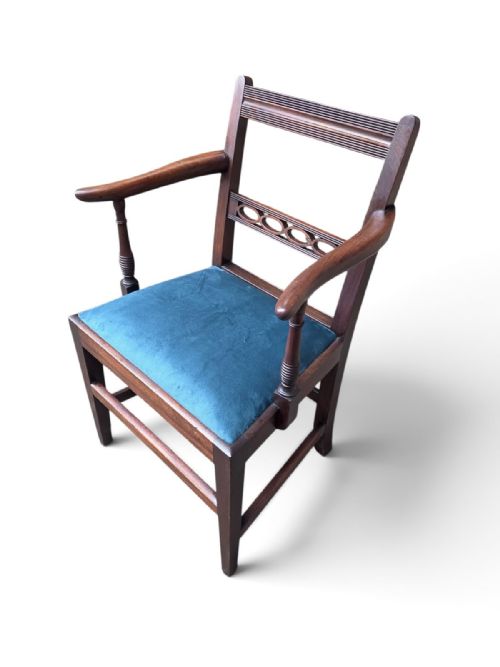
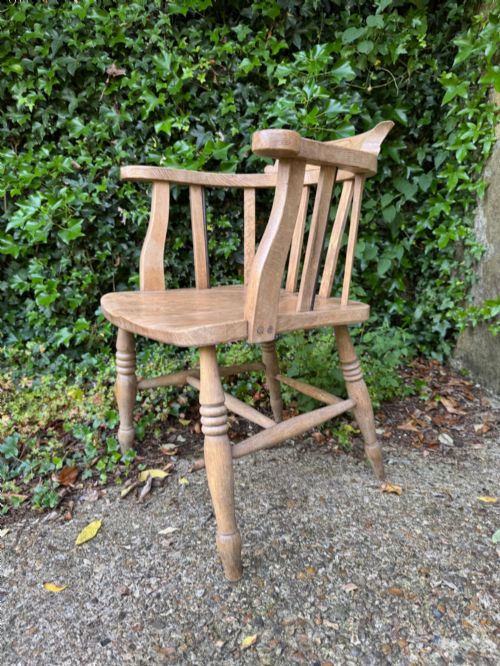
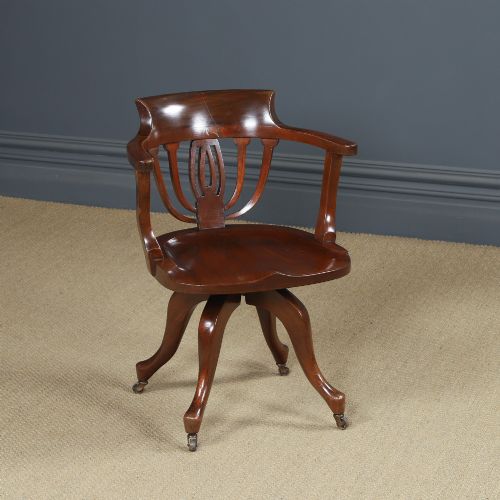
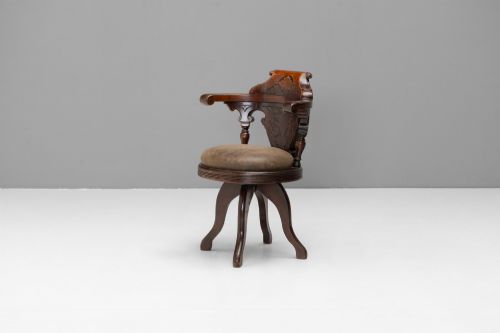
The most common forms on this page include desk armchairs, captains chairs, and revolving swivel chairs. These pieces emerge in materials such as mahogany, oak, walnut, elm, and yew wood, often paired with leather or fabric upholstery.
How they were made
Cabinet makers constructed these frames using hardwoods like mahogany, oak, and walnut, shaped with hand-carved details. Turning and joinery created the structural strength needed for daily office use.
Revolving and swivel mechanisms incorporate brass and iron components to permit movement. Seats combine solid timber forms with upholstered pads in leather or fabric.
Certain Victorian ships chairs were designed to keep steady in heavy seas, though they now settle quite peacefully on dry carpet.
What varies in quality
The standard of carving distinguishes standard output from exceptional pieces, with deep relief work and refined spider web or scroll motifs requiring greater artisan skill. Timber selection also matters, as figured burr elm or dense mahogany elevates the visual weight.
The complexity of the mechanism influences the character of the chair, particularly in rotating and adjustable swivel designs. Timber framing stability and the integration of revolving systems separate simpler workshop pieces from finer examples.
SHOOLBRED·George Bartholomew Co
The Carved Wood Office Chair Glossary
- Captains chair
- A sturdy wooden armchair with a rounded low back supported by spindles, designed originally for shipboard or office use.
- Revolving desk chair
- An office chair mounted on a central pivot mechanism that allows the seat to turn through a full circle.
- Spider web back
- A decorative chair back design featuring interlaced openwork timber splats resembling a spider web.
- Library armchair
- A comfortable upholstered armchair intended for reading and study, often constructed in mahogany or walnut.
- Chippendale revival
- A late nineteenth or early twentieth century style that copies the eighteenth century designs associated with Thomas Chippendale.
Carved Wood Office Chair: Frequently Asked Questions
How do I identify a Victorian desk chair?
Victorian desk chairs often feature dense mahogany or walnut construction combined with turned legs and carved details. Many examples from this era incorporate revolving mechanisms and leather pads.
Design cues lean toward heavy proportions and traditional revival styles such as Chippendale or Queen Anne interpretations.
Were these chairs used at desks?
These pieces served primarily in offices, libraries, and studies as functional seating for writing and administrative tasks. The inclusion of swivel bases and armrests supported long hours of work.
Many forms adapted domestic seating designs specifically for commercial or study environments.
What woods were used for office chairs?
Cabinet makers relied heavily on durable hardwoods including mahogany, oak, and walnut. Elm and yew wood also appear frequently, particularly for shaped seats.
Secondary materials like brass and iron provided the hardware necessary for adjustable heights and revolving movement.
How do I style an antique desk chair?
A wooden office chair pairs effectively with both antique partners desks and modern minimalist workspaces. The rich grain of mahogany or walnut adds warmth to contemporary interiors.
Ensure the seat height aligns comfortably with your work surface before daily use.