



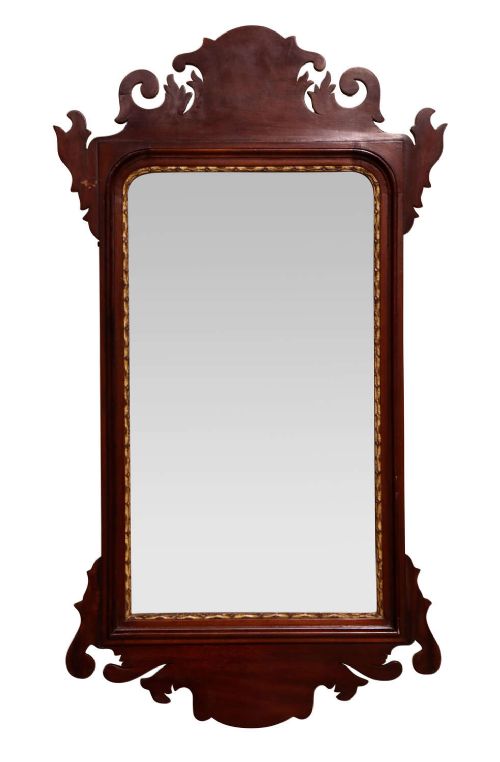
Carved Wood Mantel Mirror
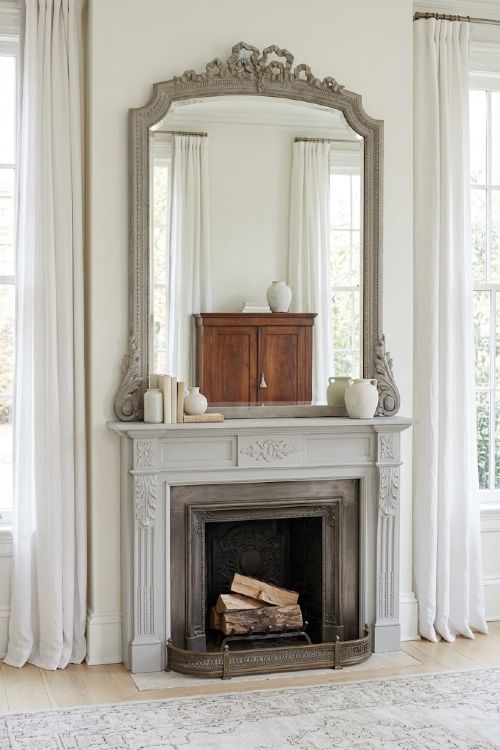
A carved wood mantel mirror brings architectural presence and reflected light to a room, drawing the eye naturally to the fireplace below.
Carved Wood Mantel Mirror
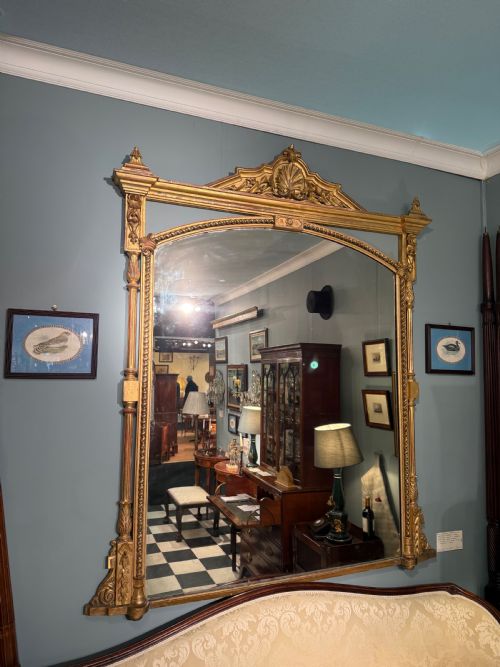
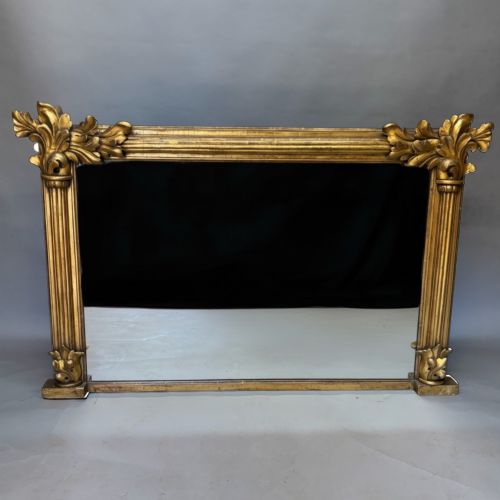
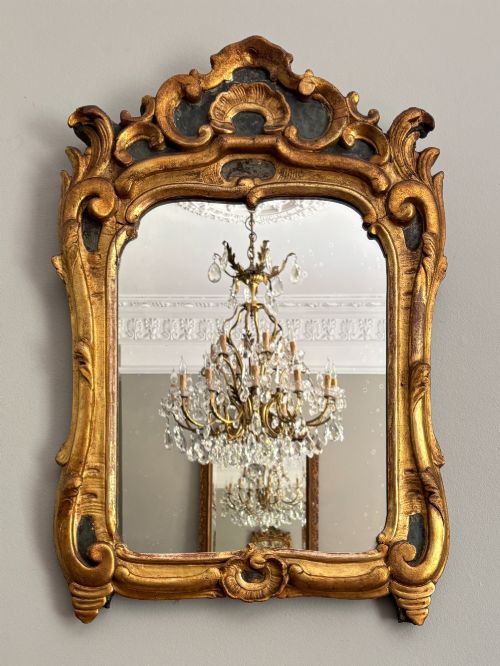
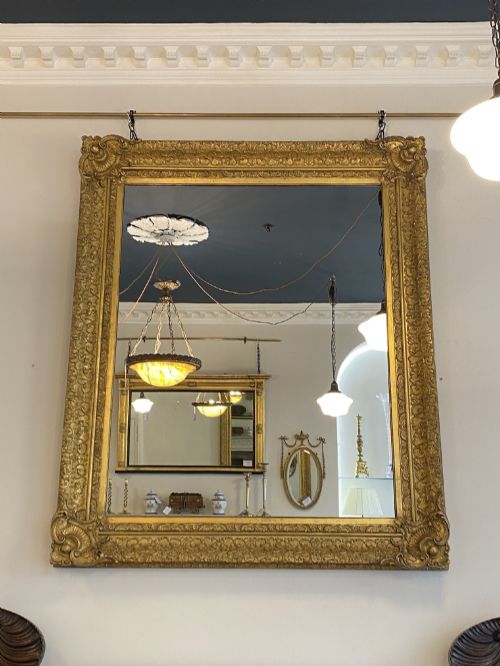
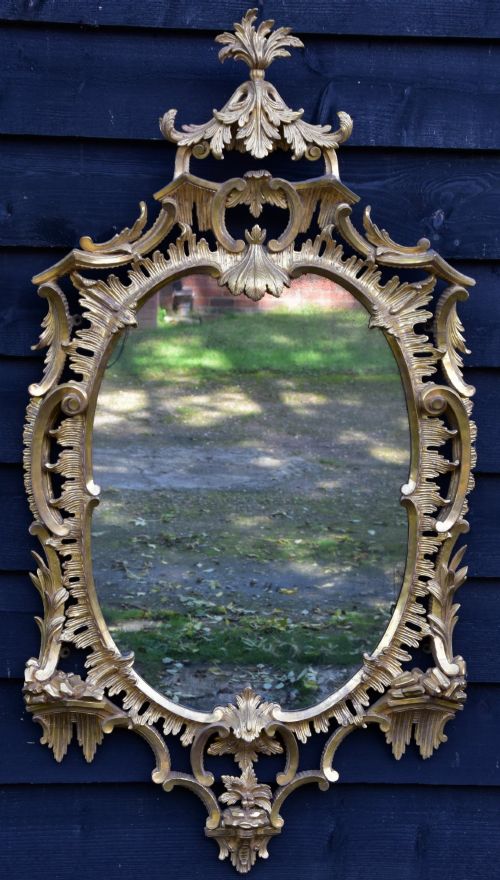
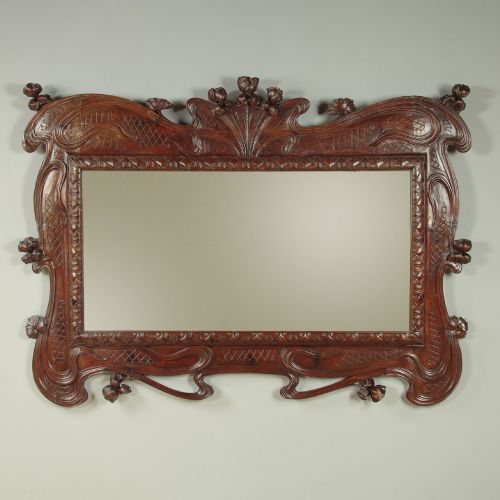
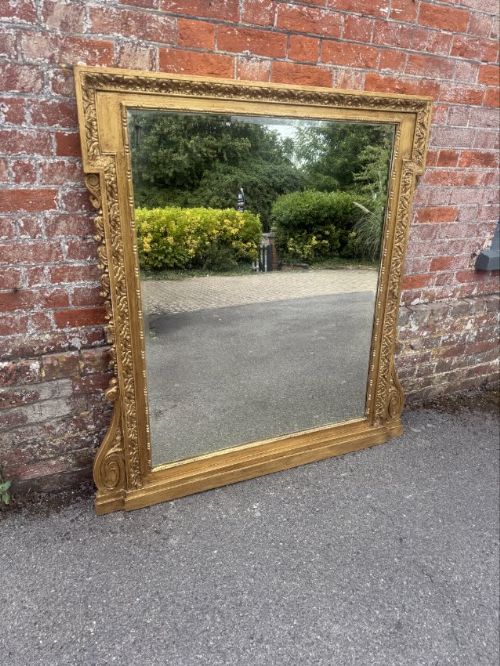
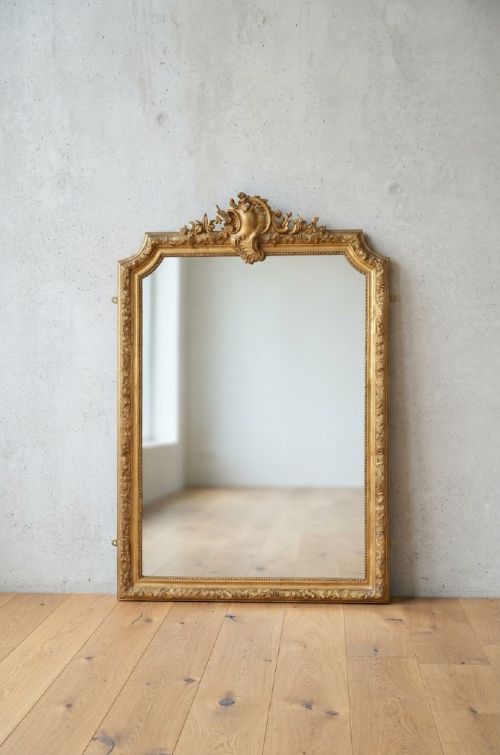
A carved wood mantel mirror is designed specifically to sit above a fireplace, anchoring the chimney breast and balancing the proportions of a reception room. These pieces appear frequently as grand nineteenth-century overmantels, often featuring arched tops and substantial frames that reflect the decorative tastes of the Victorian and Georgian periods. Buyers searching for this phrase encounter formats ranging from wide landscape wall mirrors to tall French pier glasses and multi-plate triptychs.
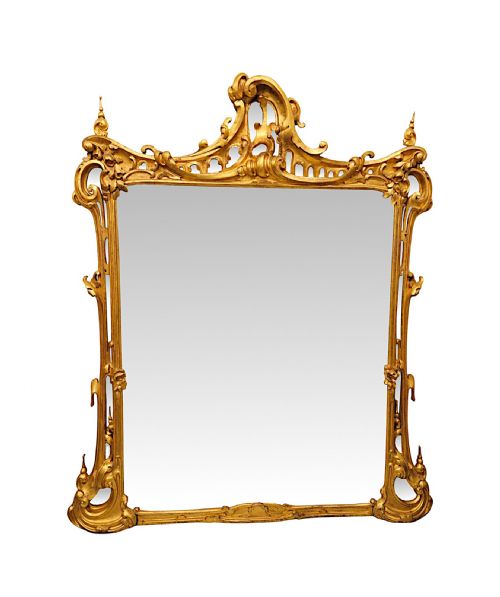
The selection includes English and French examples displaying diverse stylistic influences, from ornate rococo and Chinese Chippendale to restrained Louis Philippe and clean Art Nouveau lines. Woods such as mahogany, oak, walnut, and rosewood sit alongside heavily gilded and painted wooden surfaces. Whether intended for a country house drawing room or a compact Victorian parlour, these mirrors combine practical reflective function with sculptural woodwork.
What Varies in Quality
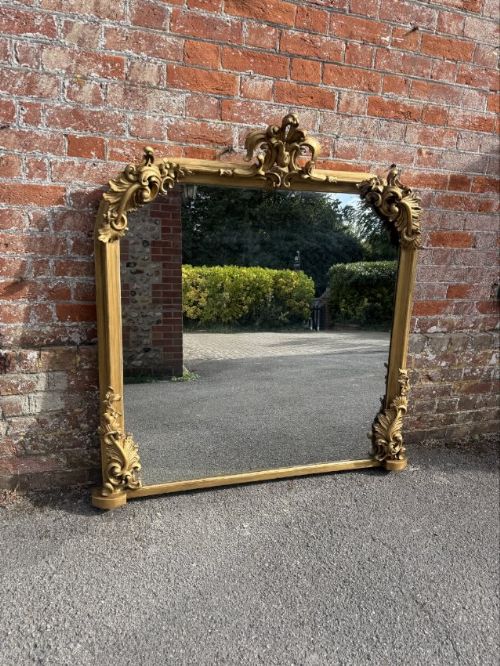
The depth and crispness of the hand-carving dictate much of the visual merit, distinguishing sharply cut foliage, crests, and mouldings from softer, more mechanically produced decoration. Superior examples display harmonious proportions where the weight of the wooden frame complements the scale of the glass without feeling clumsy.
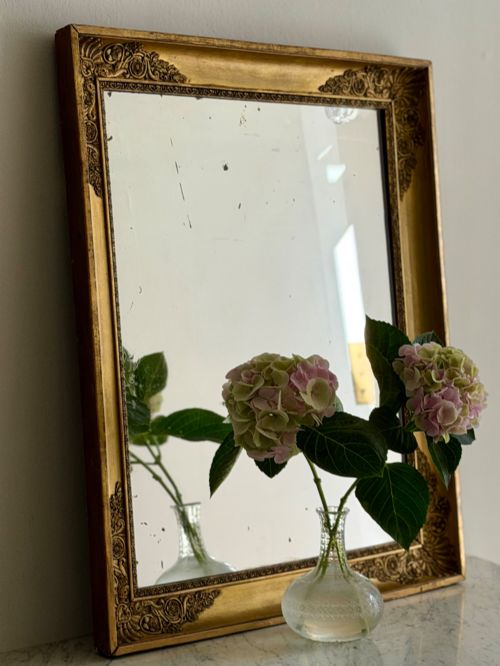
The integrity of the original surface finish plays a major role in establishing the character of a piece. Giltwood surfaces that retain their original burnishing and gold leaf show superior authenticity compared to modern re-gilding. Similarly, the presence of the original mirror plate with natural foxing adds depth and historical continuity.
Watch for carved wooden birds perched atop nineteenth-century crests, where craftsmen occasionally hid cheerful little details inside the foliage.
E James Bruton Road London
The Carved Wood Mantel Mirror Glossary
- Gesso
- A mixture of chalk, gypsum, and glue used as a prepared surface on wood before gilding or painting. It allows craftsmen to model sharp, intricate relief details.
- Giltwood
- Timber that has been coated with gold leaf or metal leaf over a prepared base. This finish provides a warm, reflective metallic sheen that catches ambient light.
- Overmantel Mirror
- A large mirror specifically proportioned to hang on the wall directly above a mantelpiece. These pieces often feature landscape or arched formats to suit chimney breasts.
- Foxed Plate
- Mirror glass showing speckled age spots, dark patches, or chemical breakdown of the backing over time. Collectors value this characteristic for its authentic period appearance.
- Triptych
- A mirror divided into three distinct vertical sections or panels. This configuration was popular during the Regency and Victorian periods for spreading reflected light across wider walls.
Carved Wood Mantel Mirror: Frequently Asked Questions
How do I hang a heavy mantel mirror?
These mirrors carry significant weight due to their wooden frames and thick glass plates. Secure installation requires professional fixings attached directly into masonry or heavy wall studs.
Position the mirror at a height that relates comfortably to the mantelpiece shelf below, leaving a small visual gap to separate the two elements.
Were these mirrors always meant for fireplaces?
While the overmantel format is designed specifically for chimney breasts, many large examples function equally well as pier mirrors placed between windows. Their primary historical purpose was to amplify candle and natural light within principal reception rooms.
Freestanding placement on console tables also occurs frequently in period interiors.
How do I tell a Victorian mirror from a Georgian one?
Georgian pieces often display restrained classical symmetry, crisp fretwork, and lighter carved mahogany or giltwood frames. Victorian examples tend toward heavier proportions, ornate gesso moulding, and architectural arched crests.
Examination of the timber backing, fixings, and construction joints helps clarify the period of manufacture.
Should I clean foxed mirror glass?
Original foxing and age spots are natural results of historical silvering deterioration and chemical ageing. Cleaning should involve only gentle dusting with a soft cloth to avoid damaging the vulnerable glass surface.
Removing these historical imperfections reduces the authentic character and visual depth of the antique.