
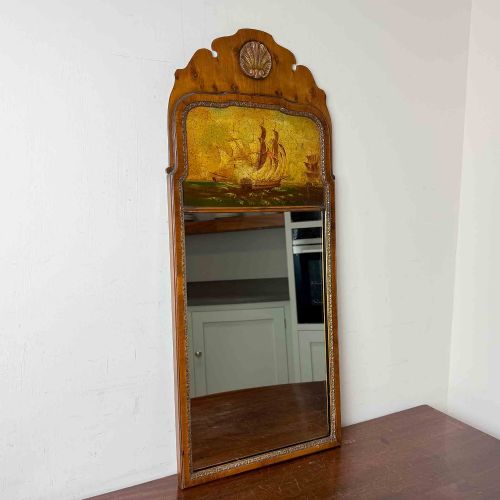
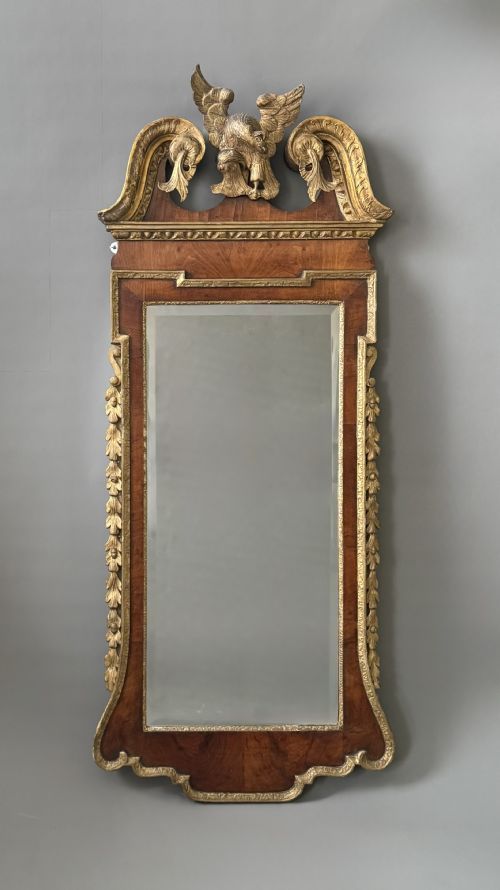
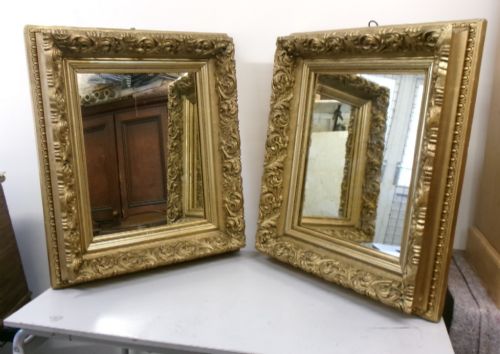

Carved Wood Frame
A carved wood frame brings architectural weight and traditional craftsmanship to a room, holding centuries of decorative styles from heavy Victorian gilt overmantels to delicate French rococo panels.
Carved Wood Frame
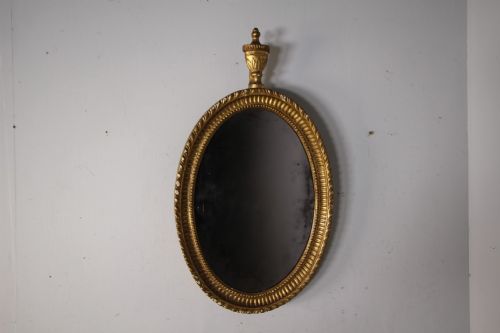
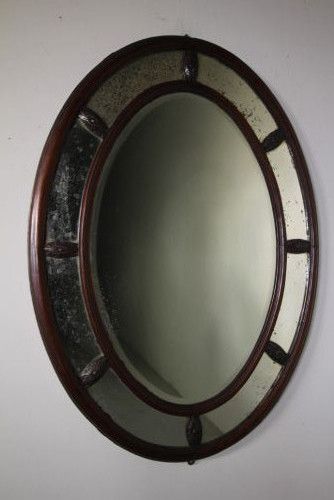
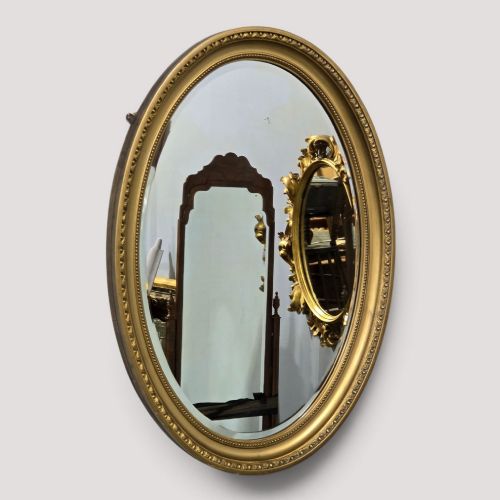
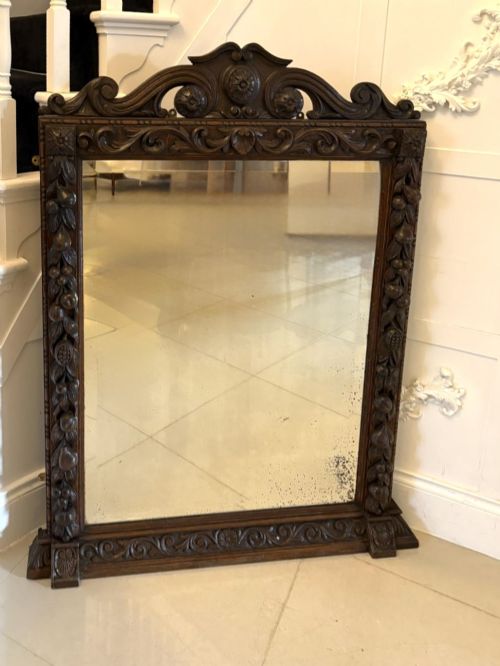
A carved wood frame serves as the primary structural and decorative border for mirrors, paintings, and portraits across the domestic interior. The selection spans the eighteenth, nineteenth, and early twentieth centuries, drawing on English, French, and Italian workshop traditions.
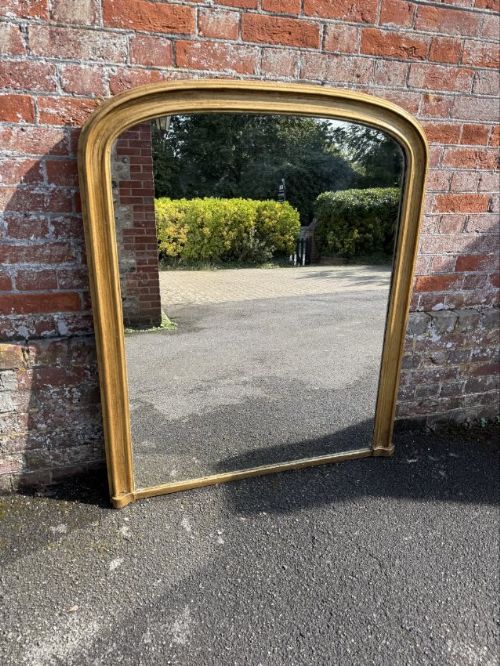
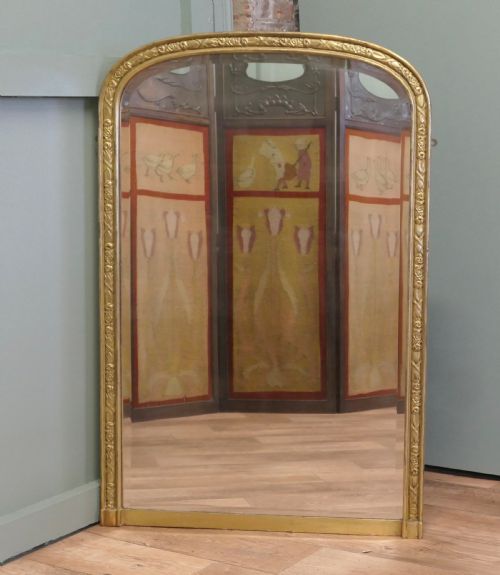
Mirrors dominate the offerings, particularly large nineteenth-century overmantel mirrors designed to sit above fireplace surrounds. Buyers also encounter picture frames, pier glasses, and occasional seating with integrated timber borders.
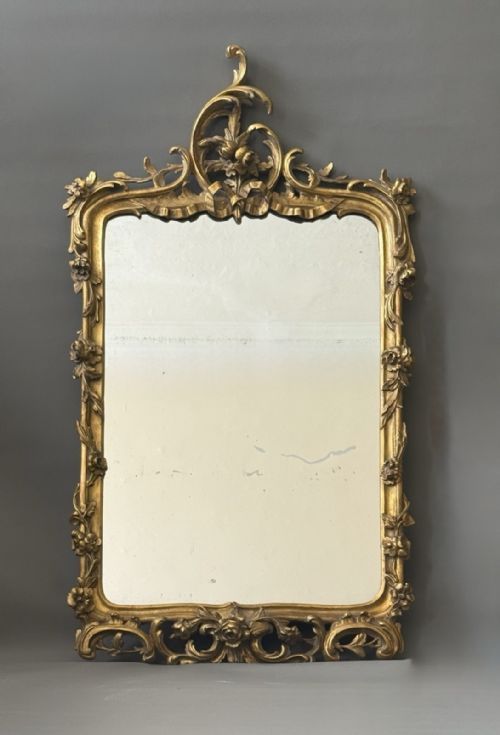
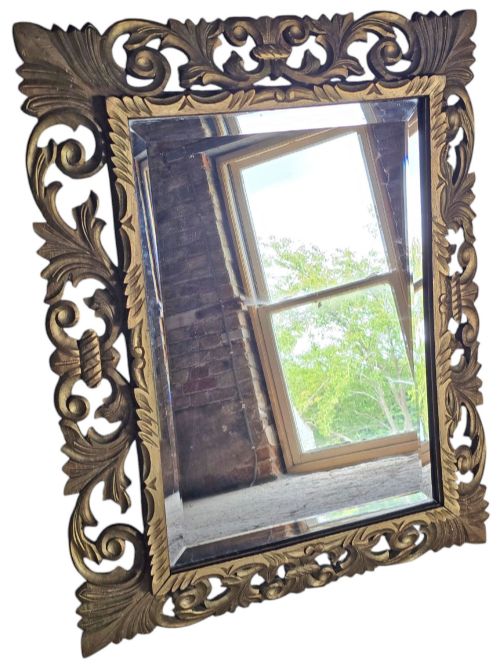
The aesthetic vocabulary encompasses Louis XV and Louis XVI styles, ornate Victorian gesso work, and simpler oak or mahogany domestic timber constructions. Pieces range from grand country house statements to smaller provincial wall hangings.
How They Were Made
Artisans carved directly into solid timber bases such as oak, walnut, mahogany, beech, and pine to establish the primary structural relief. Hand tools shaped deep scrolls, floral motifs, and structural mouldings before any surface treatment.
Many surfaces received a layer of gesso, a plaster-like mixture applied over the wood to build up fine sculptural details and provide a smooth bed for subsequent gilding. Gold leaf or metal leaf was then laid down and burnished, while other pieces relied on polished timber or applied paint.
Joinery techniques varied by period and form, utilising mortise and tenon joints for structural frames and corner blocks for stability. Glass plates, often original or period replacements with foxing, were secured from the rear with wooden battens.
Carved Wood Frame Retail Price Guide 2026
Typical asking prices for carved wood frame among the pieces listed under this phrase on Sellingantiques today, from the lower quarter to the upper quarter. They describe what is for sale here now, not the wider market.
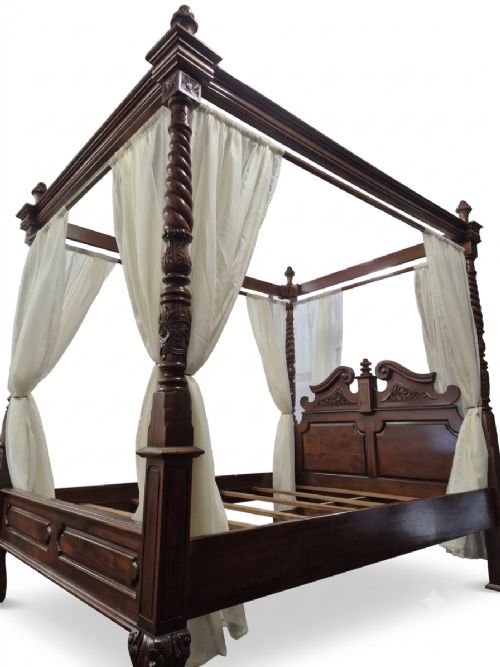
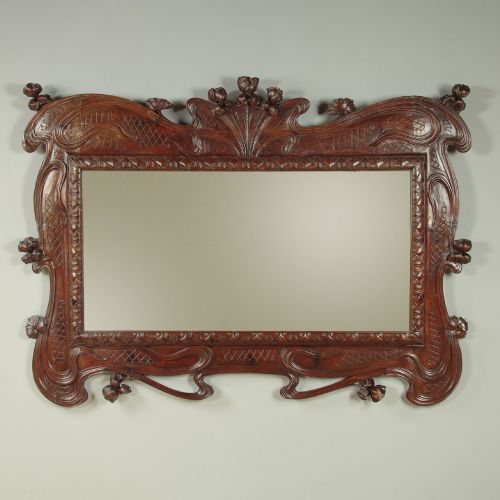
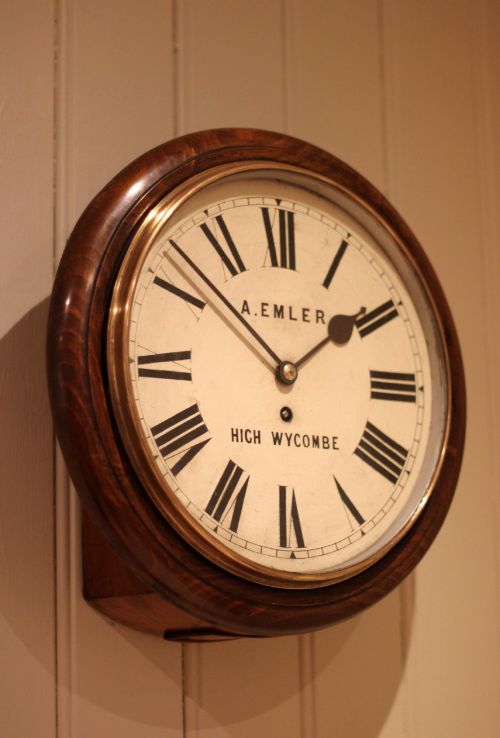
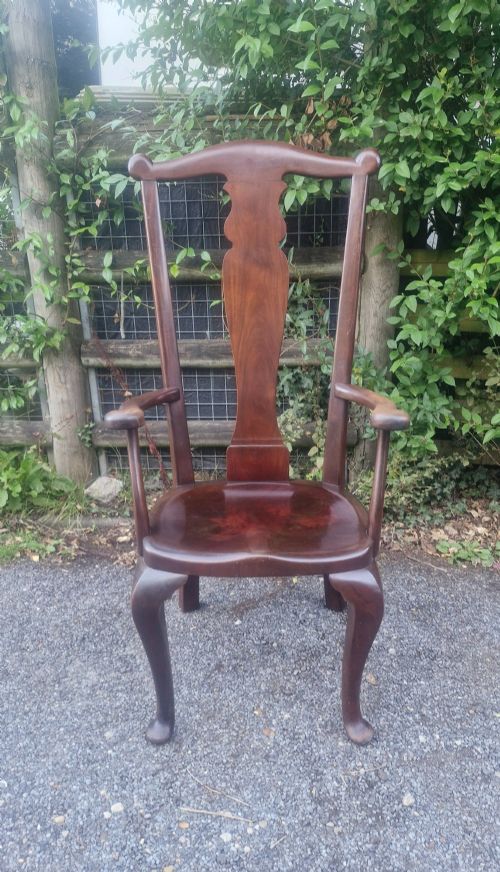
The inventory includes wall mirrors, overmantel mirrors, armchairs, and beds displaying carved frames.
What Varies in Quality
The depth and crispness of the carving distinguish exceptional examples from routine workshop production. Hand-tooled botanical motifs, deep undercutting, and sharply defined acanthus or ribbon twists show the hand of a skilled carver rather than a moulded composition.
Surface integrity determines the enduring character of a piece, particularly the survival of original gilding, gesso, and paint layers. Examples retaining their untouched patination and early mirror plates command greater attention than those with heavy regilding or unsympathetic restoration.
Proportion and scale dictate the visual success of architectural frames, where balanced sight lines and harmonious corner construction reflect the competence of the original maker.
The Carved Wood Frame Glossary
- Gesso
- A traditional preparation mixture of a binder mixed with chalk, gypsum, or pigment, applied to wood surfaces to create a smooth base for gilding. It allows carvers to achieve sharp relief details that timber alone cannot hold.
- Overmantel Mirror
- A large mirror specifically proportioned to hang on the wall directly above a fireplace mantelpiece. These pieces often feature arched tops and substantial gesso and gilt frames.
- Giltwood
- Timber that has been coated with gold leaf or metal leaf using size or gesso as an adhesive layer. It provides the reflective, warm luminance characteristic of formal period interiors.
- Foxing
- The age-related brownish spots and speckling that develop on antique mirror plates as the silver backing oxidises. Collectors view this chemical ageing as proof of genuine antique plate glass.
- Pier Glass
- A tall, narrow mirror designed to hang on the wall space between two windows, often paired with a console table beneath. They maximise natural light reflection in period reception rooms.
Carved Wood Frame: Frequently Asked Questions
How do I hang a heavy overmantel mirror?
Heavy carved timber and gesso frames require direct attachment to structural wall studs or masonry using heavy-duty brackets and fixings suited to the weight of the piece. Professional installation is strongly recommended for large formats.
Ensure the hanging wire or integrated D-rings are checked for strength before mounting, as these antique frames carry considerable heft from their solid wood construction and glass plates.
Are the mirror plates original?
Many surviving pieces retain their original glass plates, often identifiable by slight distortions, handmade irregularities, and natural foxing. Replacement plates do occur when earlier glass was broken or degraded beyond use.
Examining the silver backing and the way the glass sits within the rabbet reveals whether a plate has been renewed during the history of the frame.
How do I date a carved wooden frame?
Dating relies on stylistic clues such as the symmetry of rococo scrolls, the weight of Victorian gesso decoration, or the specific timber species utilised in the construction. Secondary woods on the reverse and assembly methods also offer chronological indicators.
Comparing the decorative vocabulary against known periods like the Georgian era or the Arts and Crafts movement clarifies the origin.