

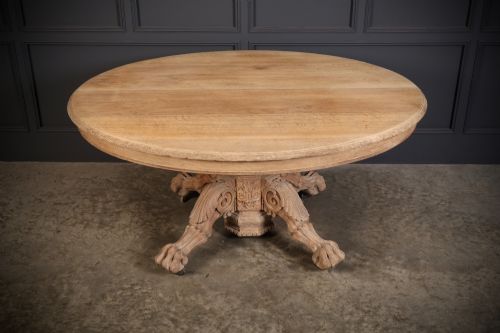
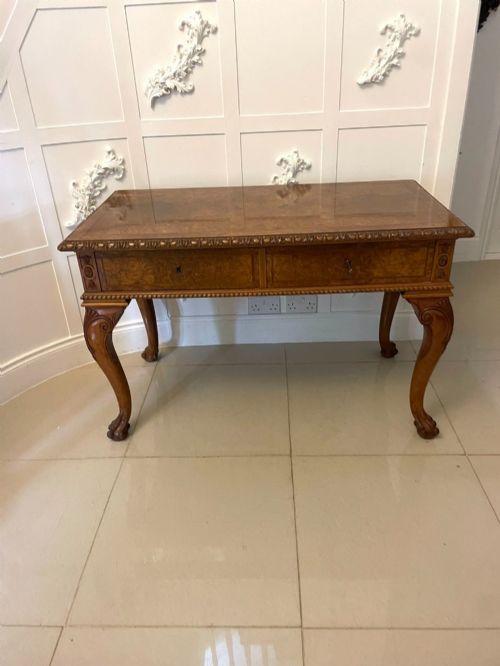
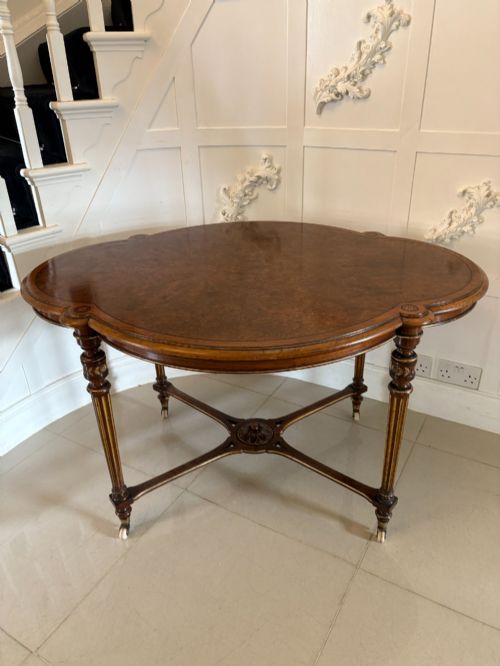
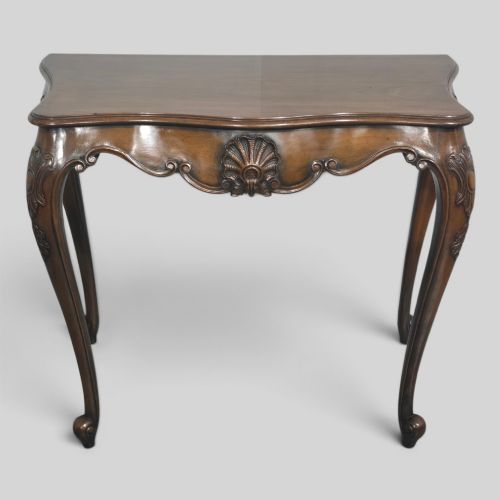
Carved Wood Foyer Table
A carved wood foyer table sets the tone for an entrance hall, offering surface space and architectural presence through centuries of craftsmanship.
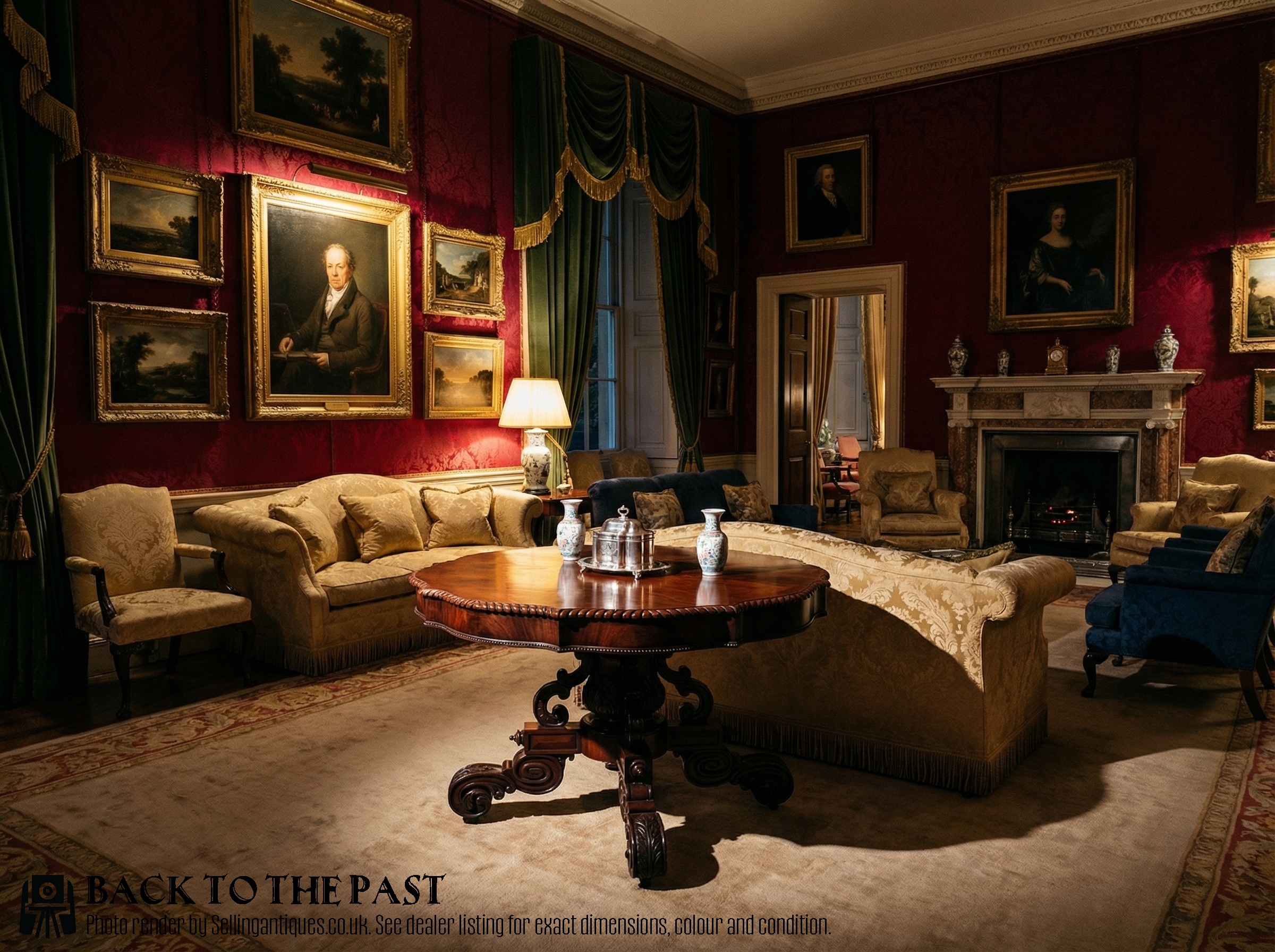
Carved Wood Foyer Table
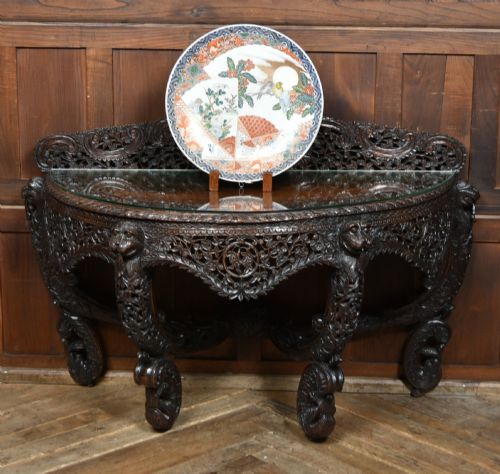
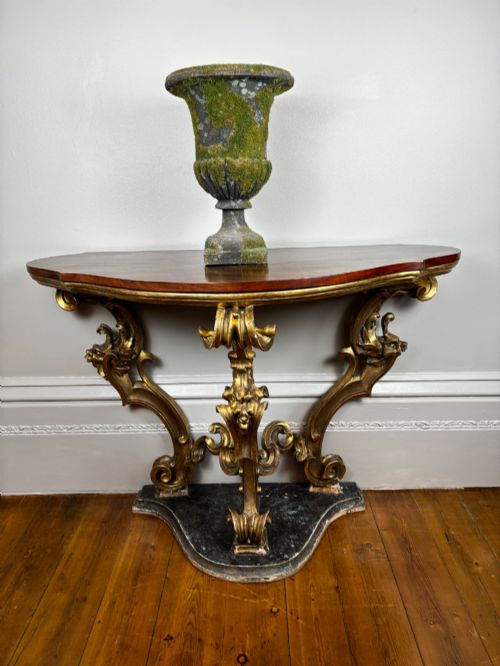
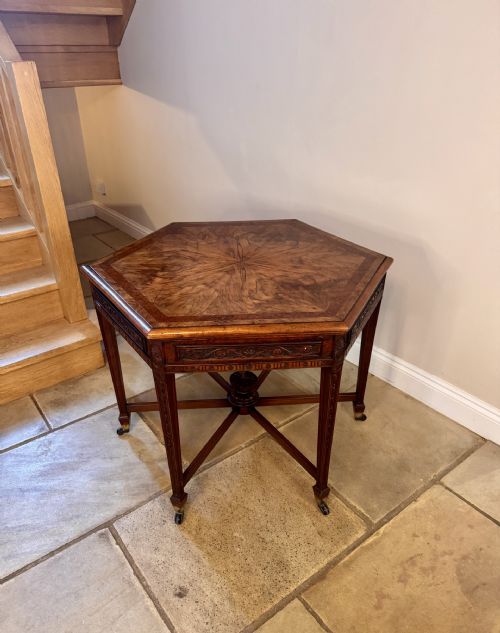
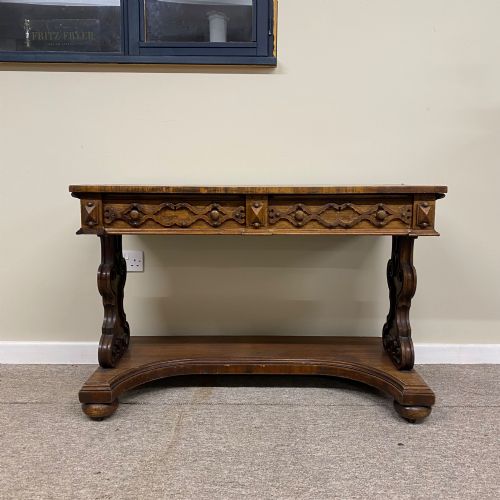
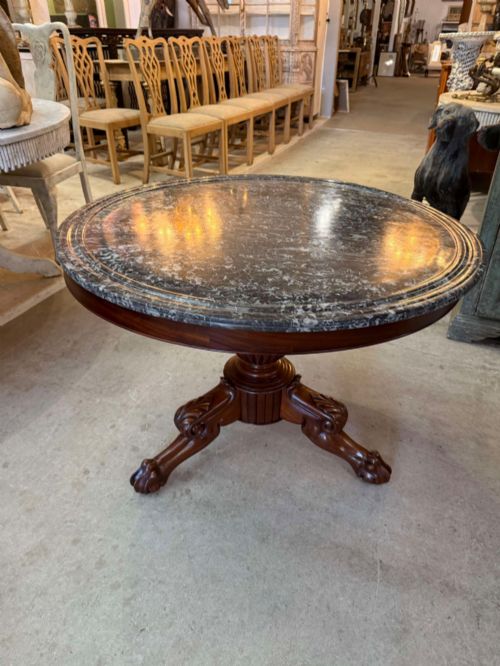
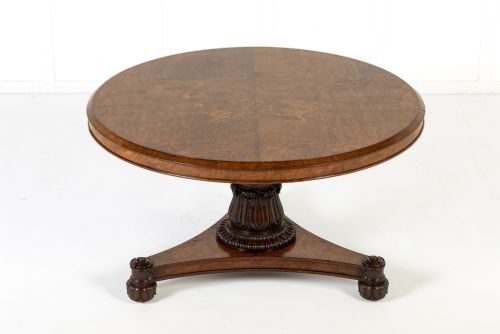
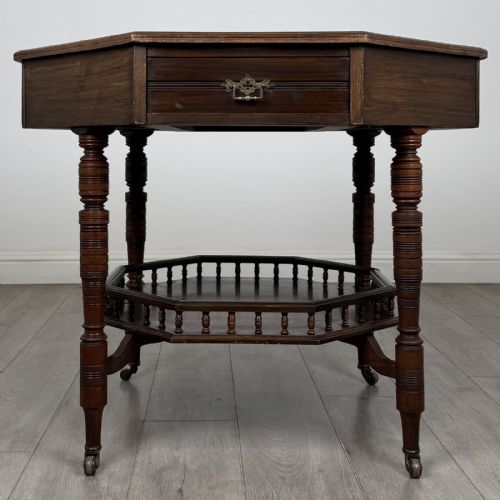
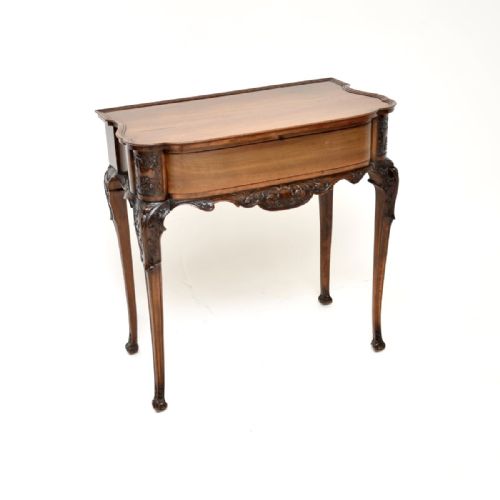
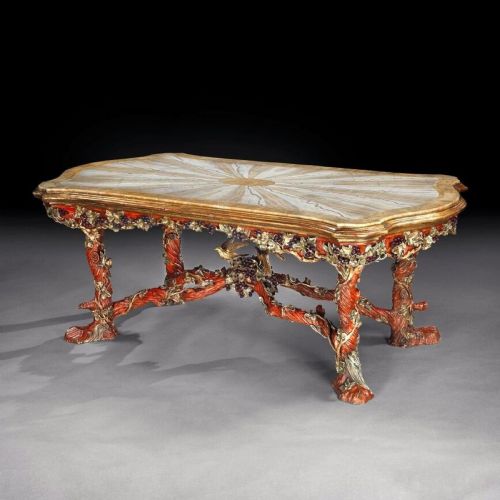
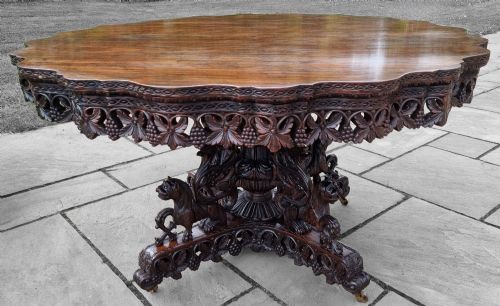
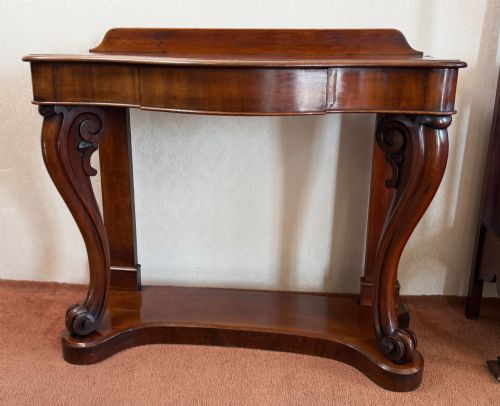
A carved wood foyer table encompasses console tables, hall tables, centre tables, and side tables designed to stand against walls or anchor the middle of an entrance space. These pieces arrive from periods spanning the eighteenth century through the Edwardian era, incorporating styles such as Victorian, William IV, Neoclassical, and Queen Anne Revival.
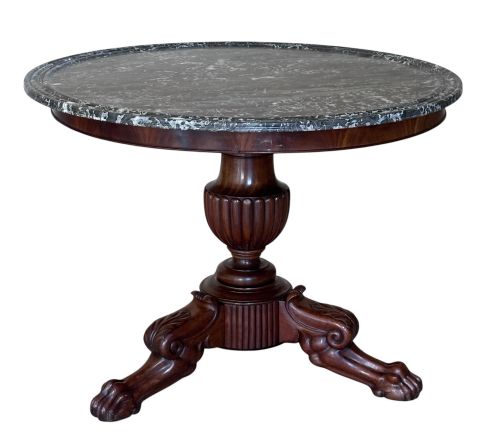
The specimens met on this page include mahogany, walnut, and rosewood forms, alongside examples featuring marble or onyx tops and intricate carved giltwood or polychrome details. Makers and regions represented range from English workshops to Italian, French, and Anglo-Indian makers.
Buyers select these tables to provide an immediate focal point in a hallway, utilising the flat surfaces for lamps, bowls, or decorative objects while introducing historic timber and carving into the interior.
Materials and Construction
Cabinetmakers constructed these tables using solid timbers such as mahogany, walnut, oak, and rosewood, frequently applying burr walnut or flame mahogany veneers to visible surfaces for enhanced grain pattern. Marble and onyx inserts frequently provide durable, cool-surfaced tabletops supported by carved wooden frames.
Carving techniques involve hand-chiselled details, giltwood embellishments, and turned elements such as triple barley twist legs or lion's paw supports. Structural stability is achieved through mortise and tenon joinery, tilt-top mechanisms on specific centre tables, and substantial plinth or bracket bases.
Carved Wood Foyer Table Retail Price Guide 2026
Typical asking prices for carved wood foyer table among the pieces listed under this phrase on Sellingantiques today, from the lower quarter to the upper quarter. They describe what is for sale here now, not the wider market.
Tables occasionally feature hidden tilt mechanisms, allowing ancestors to store the surface vertically against the wall when floor space was needed.
Assessing the Standard
Quality resides in the crispness of the hand carving, the selection of figured wood veneers, and the integrity of the underlying joinery. Superior pieces display thoughtful proportion and balanced ornamentation that integrate harmoniously with the chosen timber.
The integration of inset marble or onyx tops, the weight and stability of the frame, and the preservation of original surfaces separate standard production items from masterworks of the period.
Amleto Bertoni·Shapland and Petter
The Carved Wood Foyer Table Glossary
- Console Table
- A table designed to stand against a wall, frequently secured to it with brackets for stability.
- Centre Table
- A freestanding table intended to be viewed from all sides, placed in the middle of a room or grand hall.
- Giltwood
- Wood that has been coated with gold leaf or gold paint to simulate solid gold enrichment.
- Gueridon
- A small French table, typically round, supported by one or more columns or figural pillars.
- Tilt-Top
- A tabletop hinged to the pedestal, allowing the surface to tilt vertically when not in use.
Carved Wood Foyer Table: Frequently Asked Questions
Where should a foyer table be placed?
These tables find their natural home in entrance halls, corridors, and large landings where they greet visitors and provide a drop-surface for keys and correspondence.
Freestanding centre tables require adequate clearance on all sides to appreciate the carving, while console versions fit flush against entrance walls.
How do I care for a wooden tabletop?
Maintain timber surfaces by dusting with a dry, soft cloth and occasionally applying natural beeswax to nourish the historic polish.
Keep wooden and marble tables away from direct heat sources and moisture to prevent veneer lifting or stone staining.
Can these tables hold heavy items?
Solid mahogany and walnut frames with sturdy legs easily support lamps, bronze figures, and heavy ceramic bowls.
Tables featuring tilt-top mechanisms require care to ensure the top remains securely locked in the horizontal position before placement of heavy objects.
How are different periods identified?
Stylistic clues such as the heavy scrolling of William IV pieces, the crisp neoclassical lines of Georgian designs, and the elaborate gilding of Italian revival work indicate the era.
Examination of secondary timbers beneath the tabletop and the tooling marks on the carved elements confirm the manufacturing period.