

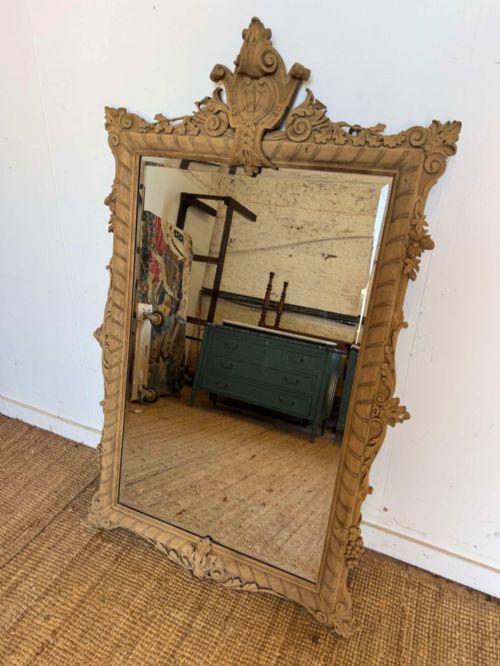
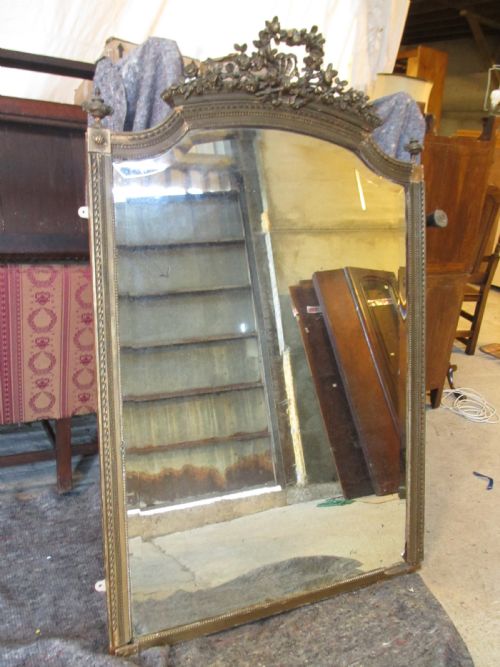
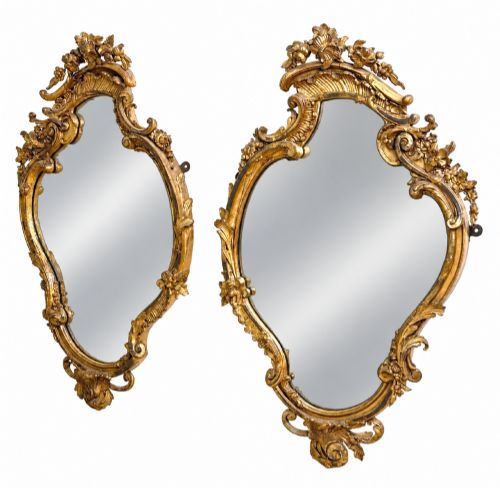
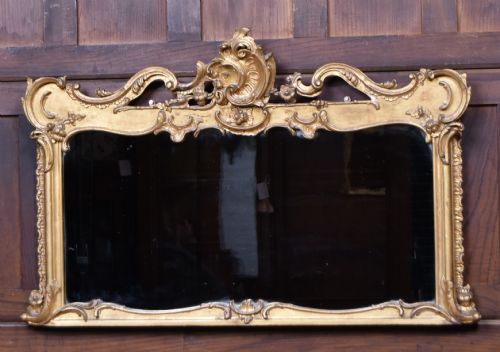

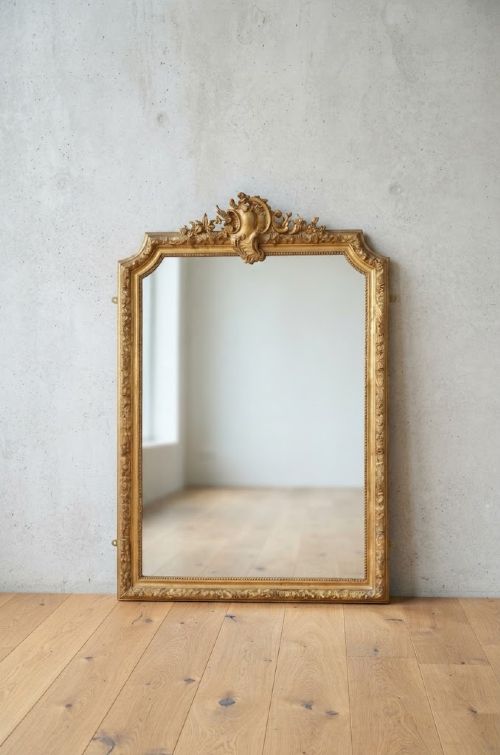

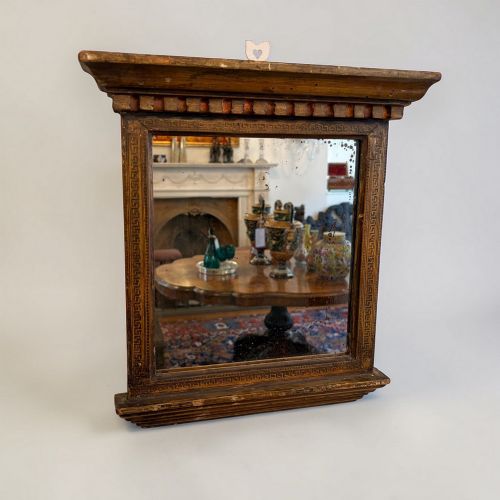
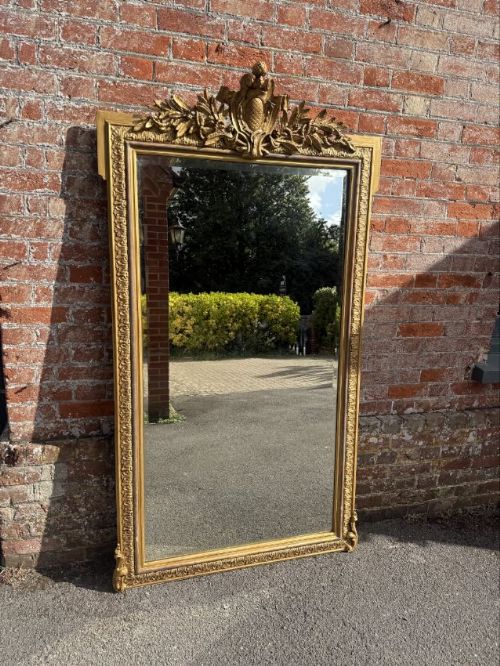
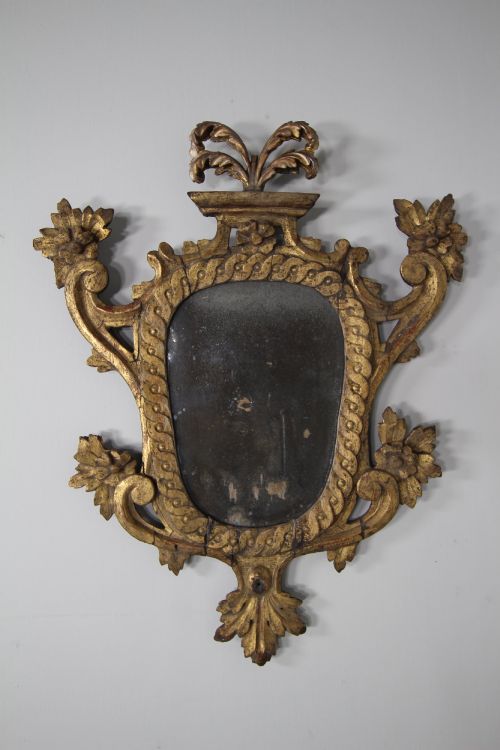
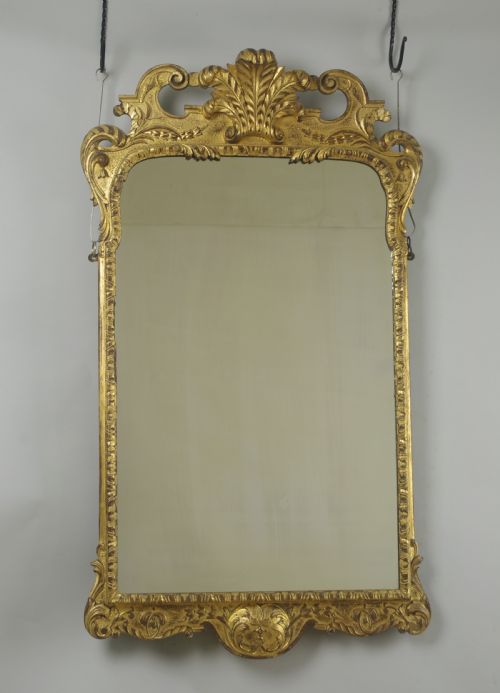
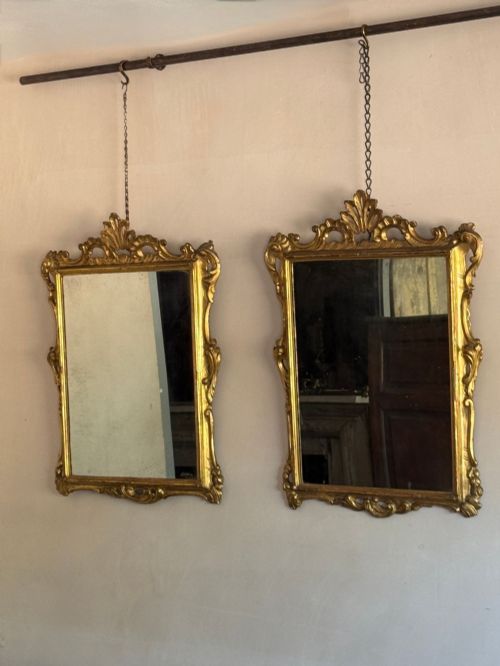

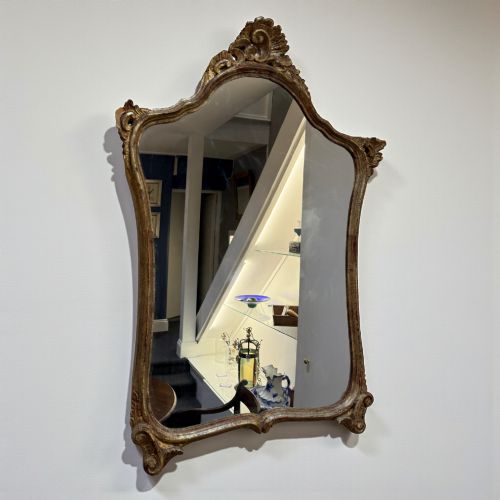
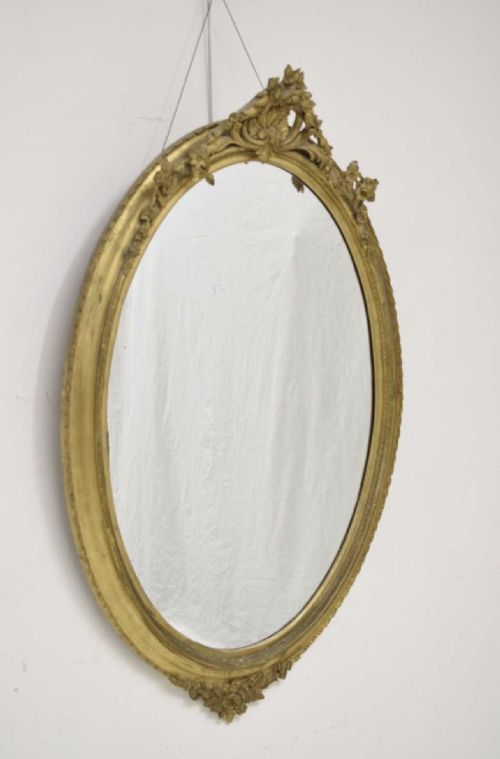
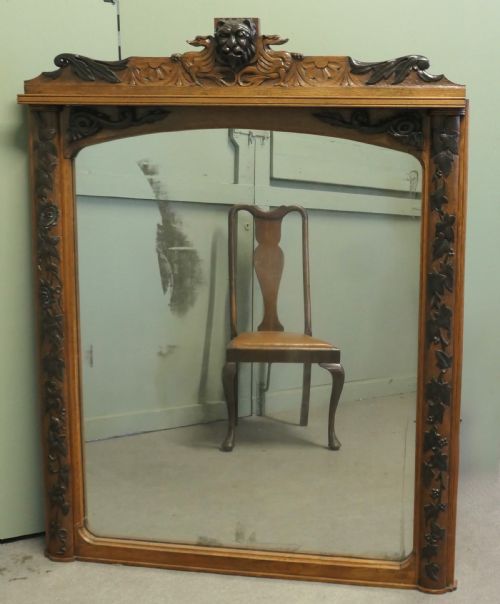
Carved Wood Accent Mirror
A carved wood accent mirror brings depth and light to a room, drawing the eye with ornate frames and period charm.
Carved Wood Accent Mirror
A carved wood accent mirror serves as a functional focal point, bridging decorative arts and daily utility in period interiors. These pieces appear frequently in forms such as wall mirrors, overmantel mirrors, and pier glasses.
The selection ranges from small convex designs to large ornate frames spanning the 18th century, 19th century, and early 20th century. Buyers frequently encounter French and Italian examples alongside English Georgian and Victorian pieces.
Stylistic influences trace historical revivals, notably Rococo, Baroque, and Chinese Chippendale designs. These mirrors function equally in hallways, above mantelpieces, and as primary wall accents.
How they were made
Makers shaped wooden foundations from oak, walnut, and timber, applying carved detail directly to the primary structure. Gesso and gold leaf layers were then built up over the carved wood to receive burnished and matte gilding.
Surface ornamentation often incorporated applied elements like rose vine carvings or rope twist frames, finished with mirror glass plates. Some specialised pieces also integrated bone and mother of pearl inlay within wooden frameworks.
Carved Wood Accent Mirror Retail Price Guide 2026
Typical asking prices for carved wood accent mirror among the pieces listed under this phrase on Sellingantiques today, from the lower quarter to the upper quarter. They describe what is for sale here now, not the wider market.
Listings feature 18th-century walnut and oak pieces alongside heavily gilt 19th-century Rococo revival designs.
What varies in quality
The depth and definition of the wood carving dictate the visual presence of the frame, separating standard production from skilled artisan work. Crisp undercut details in giltwood and gesso demonstrate superior handwork.
The integration of the mirror glass with the frame, including bevelled or engraved plates, establishes the tier of the piece. Original mercury glass or early replacement plates alter the character of the reflection.
John Belchier
The Carved Wood Accent Mirror Glossary
- Giltwood
- Wood that has been coated with gold leaf over a prepared base layer. It provides the characteristic bright finish seen on many period frames.
- Gesso
- A plaster mixture applied to wood frames to create a smooth surface for gilding and detailed carving work. It allows for sharp relief ornamentation.
- Pier glass
- A tall mirror designed specifically to hang on the wall space between windows. These often coordinate with console tables below.
- Overmantel mirror
- A wide mirror intended to be hung directly above a fireplace mantelpiece. They frequently reflect the proportions of the hearth below.
- Cartouche form
- An ornamental frame shape resembling a scrolled paper scroll or shield. This outline appears frequently in Rococo revival designs.
Carved Wood Accent Mirror: Frequently Asked Questions
How do I clean a antique giltwood frame?
Dust giltwood frames gently with a dry, soft artist brush to remove particles without disturbing fragile leaf surfaces. Avoid using commercial cleaning sprays, water, or abrasive cloths that strip historic gilding.
Moisture can soften the underlying gesso layer beneath the gold leaf, leading to flaking and loss of detail. Professional conservators should handle structural repairs and deep cleaning of delicate surfaces.
What is the difference between an overmantel and a pier glass?
Overmantel mirrors are built wide to span the horizontal space above a fireplace mantel. Their proportions reflect the hearth and balance the width of the room.
Pier glasses are designed narrow and tall to fit the wall pier between two windows. They maximise natural light distribution in formal reception rooms.
How can I tell a Georgian mirror from a Victorian revival piece?
Georgian mirrors typically exhibit lighter timber construction, restrained proportions, and hand-cut joinery specific to 18th-century cabinetmaking. The carving style tends toward classical symmetry or early English Rococo interpretations.
Victorian revival pieces often feature heavier gesso build-ups, denser wood species, and more exuberant ornamentation influenced by historicism. Examining the backing boards and nail types helps confirm the manufacturing period.