

Carved White Stone Sculpture
These pieces of carved white stone sculpture span neoclassical portraiture, mythological figures and architectural fragments from the nineteenth and early twentieth centuries.
Carved White Stone Sculpture
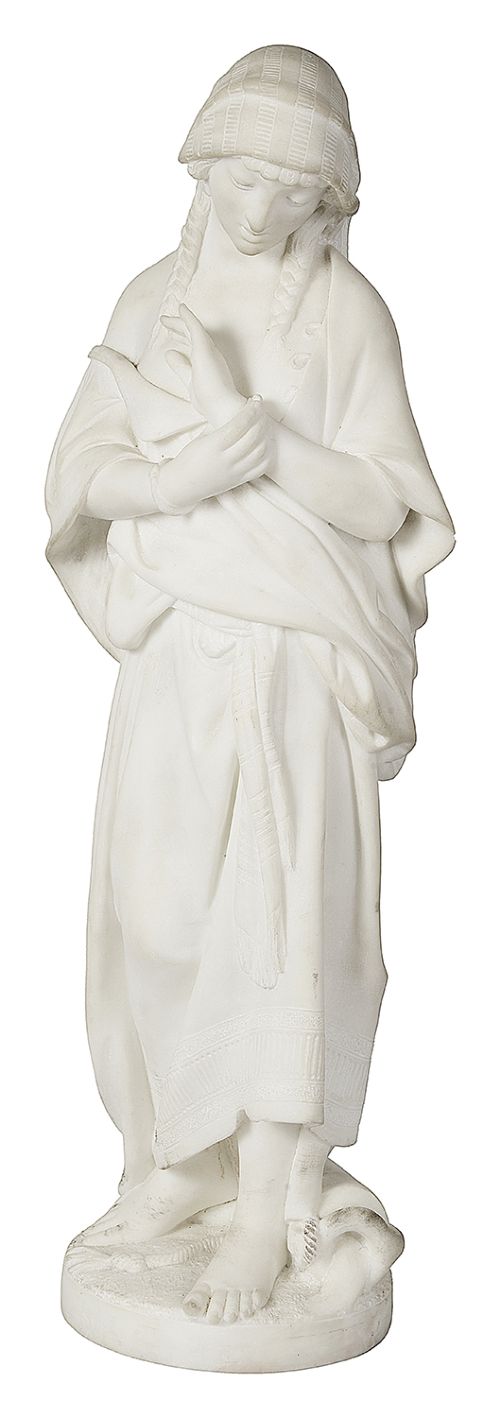
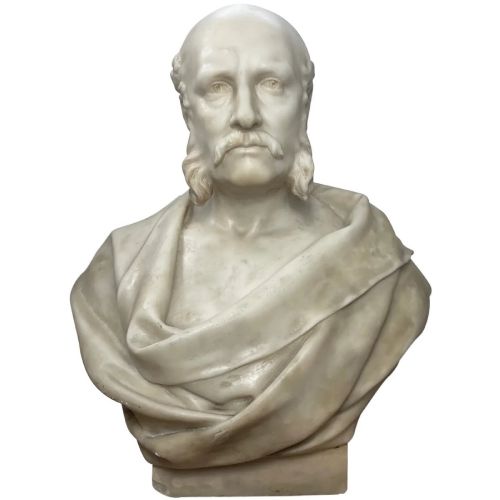
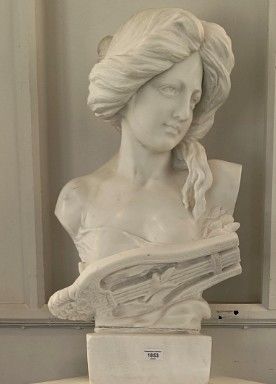
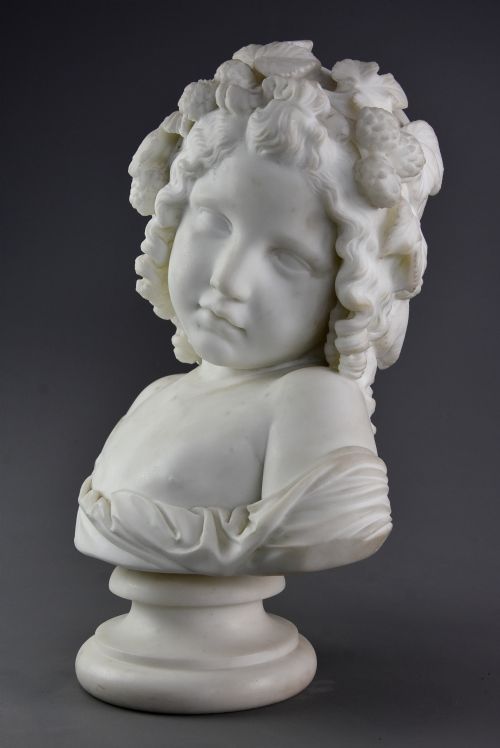
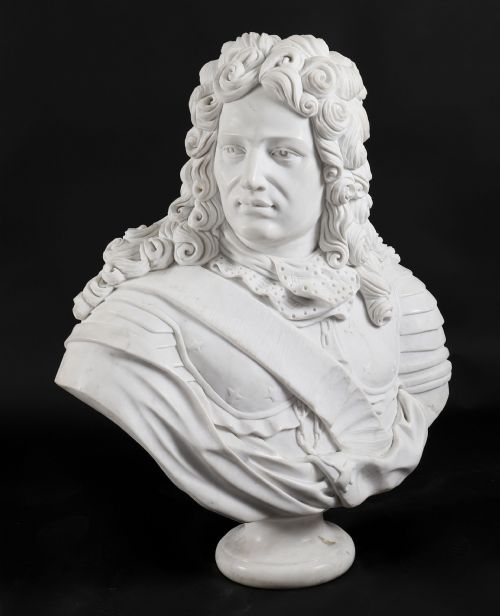
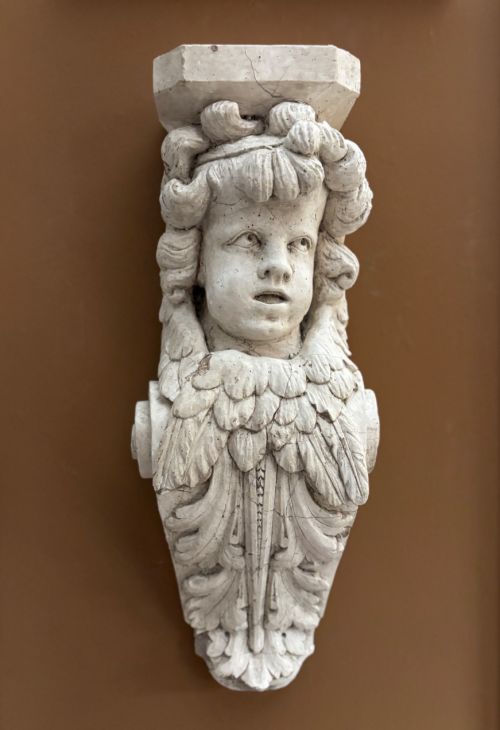
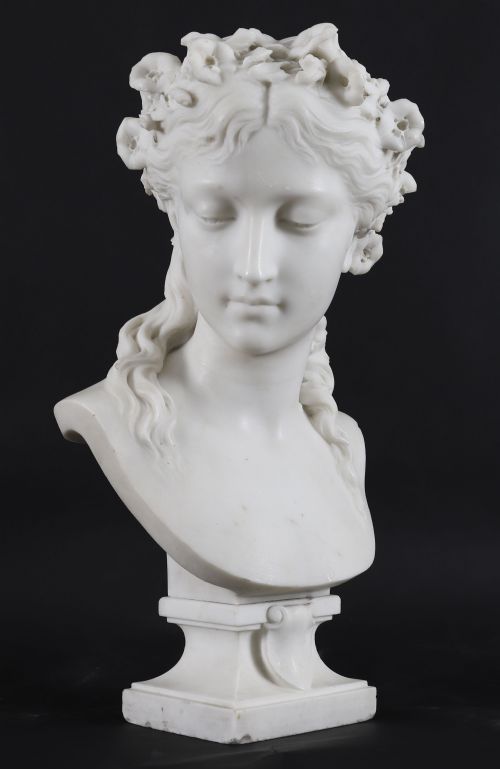
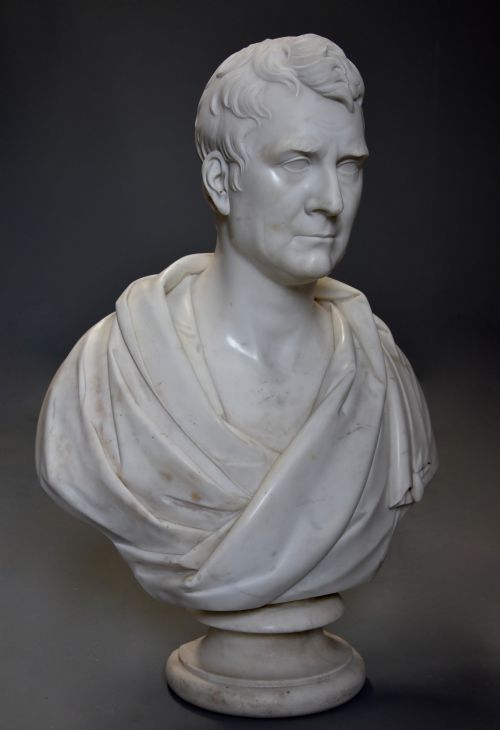
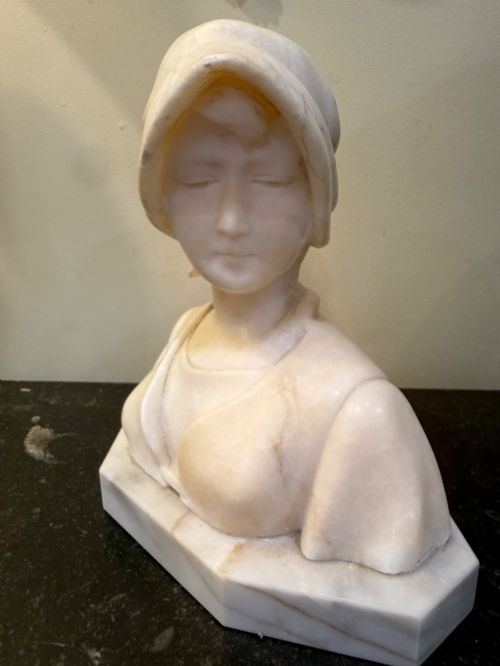
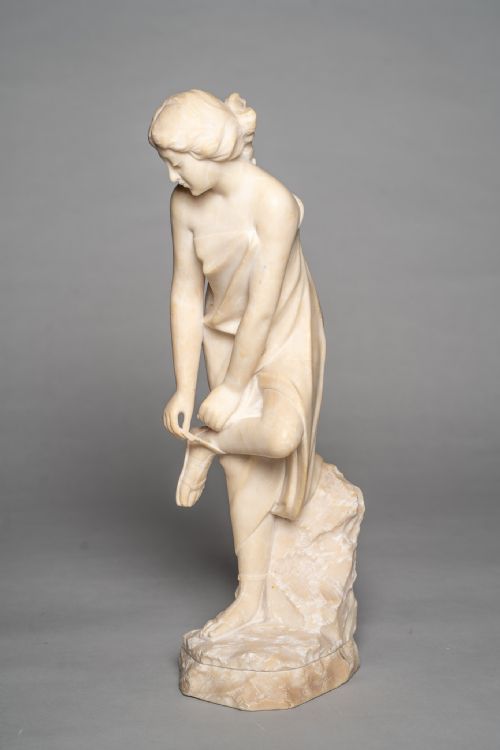
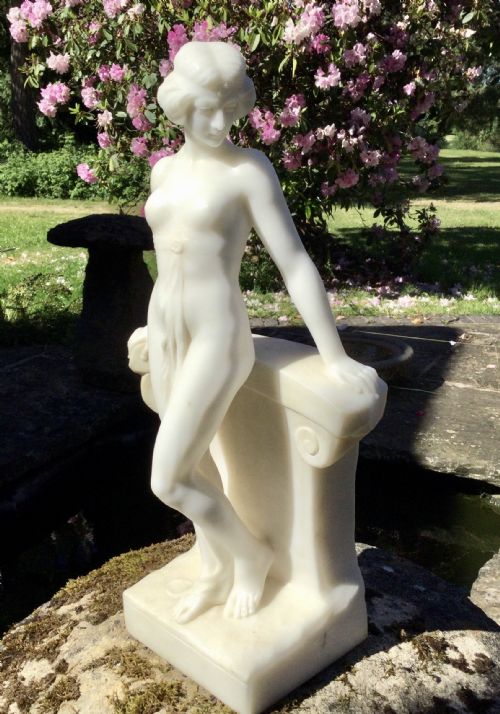
A carved white stone sculpture typically takes the form of a portrait bust, a full figure, or an architectural fragment such as a wall bracket. Subjects range from classical figures like Diana and Erato to nineteenth-century gentlemen, noblemen in armour, and young women.
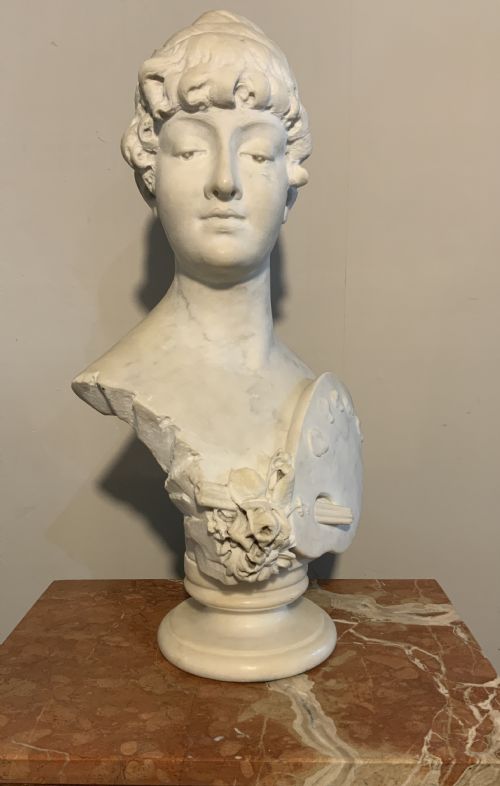
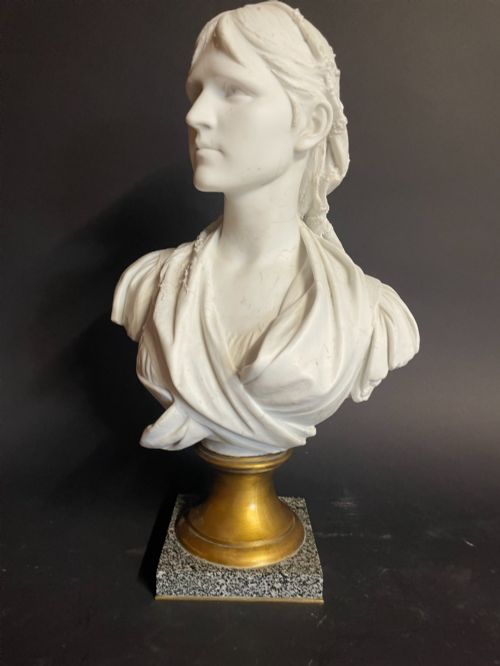
The version most commonly encountered on this page is the nineteenth-century portrait bust in marble or alabaster, often originating from Italian or French workshops. These pieces frequently draw upon classical Greek mythology or depict notable historical figures and literary characters like Dante.
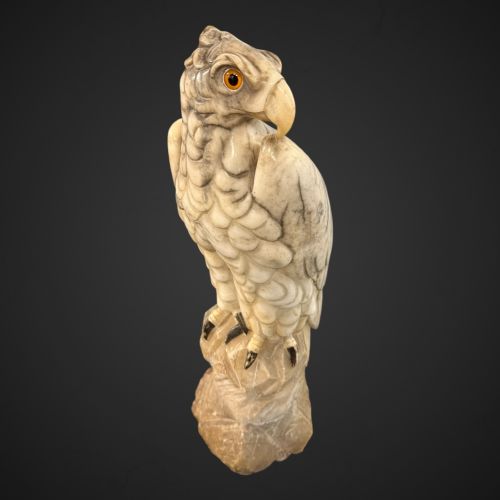
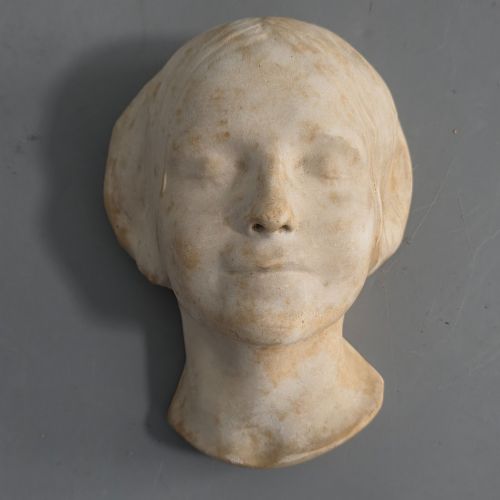
Beyond freestanding figures, the selection includes animal subjects such as eagles and lions, as well as death masks and reclining nudes. The stylistic influence shifts from strict neoclassical revival through to Victorian sentiment and the softer contours of art nouveau.
Materials and construction methods
Carved white stone sculpture relies primarily on marble and alabaster, with Carrara marble appearing frequently among the listed works. Alabaster offers a softer, translucent quality utilised for delicate figural studies and reclining nudes.
Makers shaped these materials using hand chisels, rasps, and abrasive powders to achieve smooth flesh tones and crisp drapery details. Many of the finer pieces bear signatures or attribution marks incised directly into the stone by the sculptor.
Materials documented across the listings include Carrara marble, standard marble, alabaster, stone, and brass.
Factors influencing quality
Quality in carved white stone sculpture rests upon the natural purity of the material and the anatomical precision of the carving. Superior pieces display subtle rendering of musculature, hair texture, and facial expression without mechanical rigidity.
Signed works by documented sculptors command attention because the hand of a known artist elevates a standard portrait bust into a distinct artistic record. The clarity of the veining in Carrara marble and the preservation of crisp edges on architectural elements also define the upper tier.
Barranti Florence·Houdon·Eugene Aizelin·J Francis·A Gamay·Auguste Henri Carli·Antonio Canova·R Mattei·Carrier Belleuse·Fritz Kochendorfer·John Wenlock Rollins
The Carved White Stone Sculpture Glossary
- Carrara marble
- A type of white or blue-grey marble from the city of Carrara in Tuscany, Italy. It has served as the preferred medium for monumental sculpture since classical antiquity.
- Portrait bust
- A sculpted representation of a person from the chest up. This format focuses attention on facial likeness and character while omitting the lower body.
- Neoclassical
- A Western cultural movement drawing on the art and culture of classical antiquity. In sculpture, this appears as restrained emotion, idealized forms, and classical dress.
- Alabaster
- A fine-grained stone that is easily carved and slightly translucent. Sculptors utilise it for interior figures where light can penetrate the surface layers.
Carved White Stone Sculpture: Frequently Asked Questions
How do I clean marble sculptures?
Dust the surface regularly with a soft, dry cloth to prevent grime accumulation.
Avoid using water, soap, or household cleaners, as these substances can stain or etch the porous stone.
Where were these sculptures made?
The majority originate from nineteenth-century European workshops, particularly in Italy and France.
Sculptors working in regional hubs like Florence and Carrara produced many of the portrait busts and figural pieces.
Are all these pieces made of marble?
While marble is the dominant material, several pieces utilise alabaster or general stone.
Alabaster offers a softer, more translucent finish compared to the dense crystalline structure of Carrara marble.
How can I identify the subject of a bust?
Look for carved inscriptions on the base, shoulders, or rear of the sculpture naming the sitter.
Attributes such as armour, laurel wreaths, or specific headwear often indicate mythological figures, rulers, or literary characters.