


Carved Walnut Sculpture
These pieces of carved walnut sculpture bring depth to a room through the rich grain and deep relief of solid timber.
Carved Walnut Sculpture
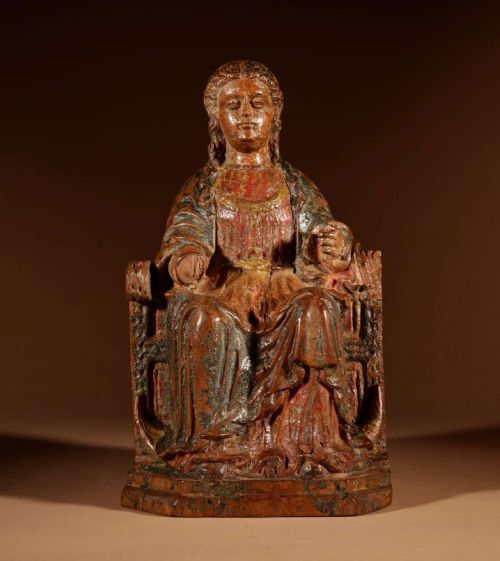
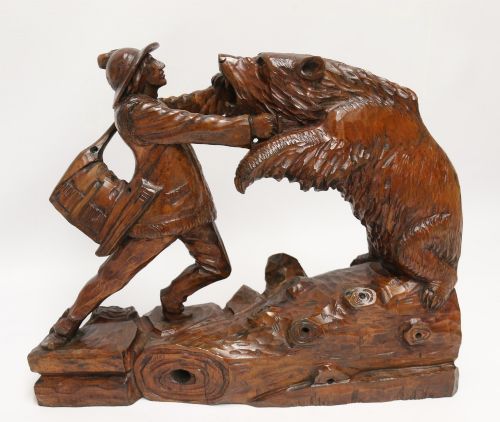
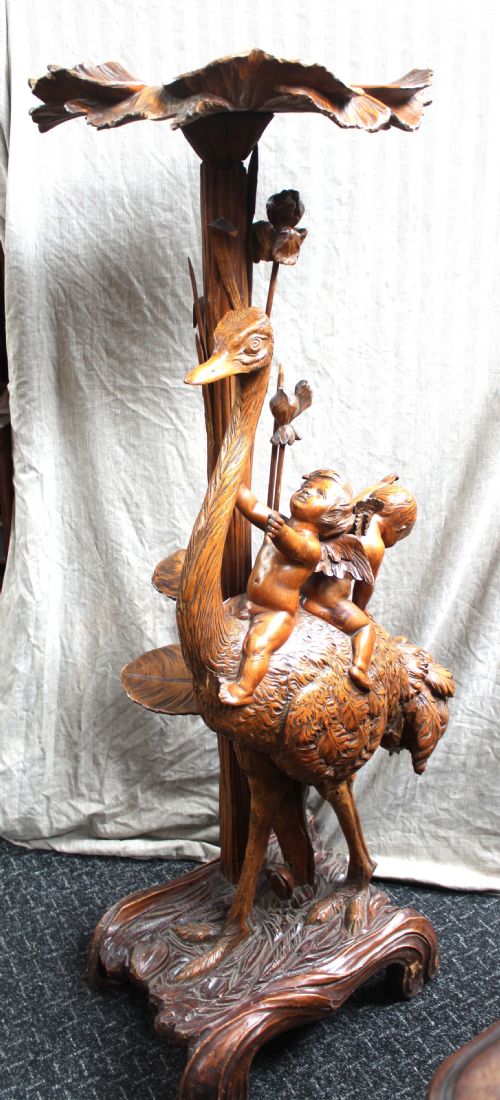
A carved walnut sculpture spans centuries of European craftsmanship, ranging from sixteenth century religious figures to nineteenth century Black Forest animal studies. Collectors seeking a carved walnut sculpture encounter Continental figures, architectural fragments, and pedestal stands carved from the dense timber.
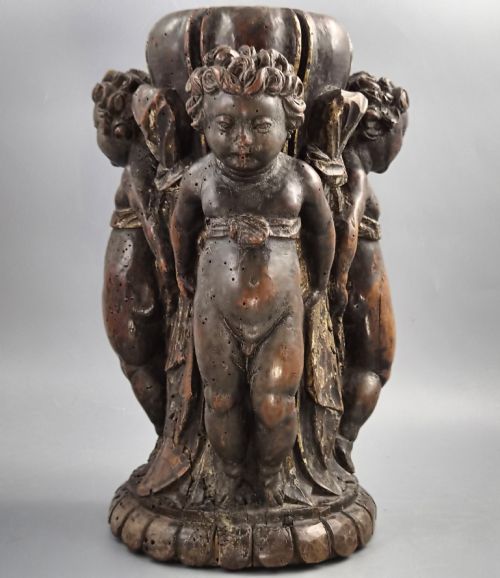
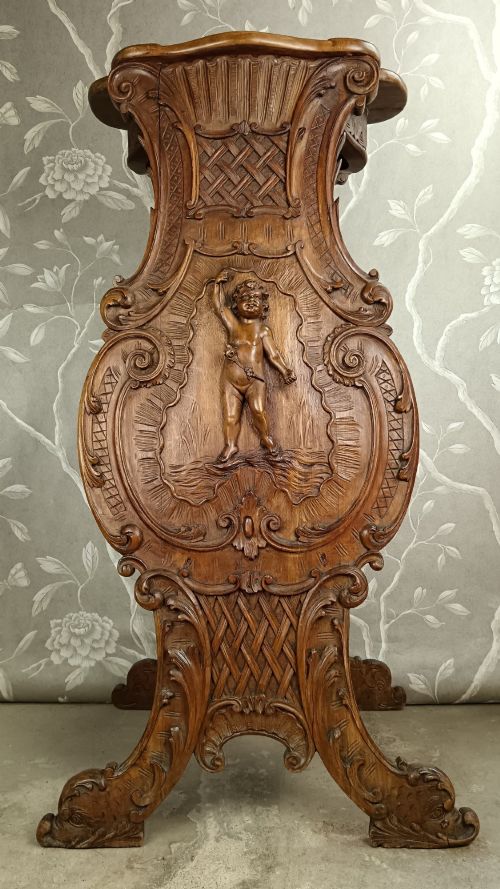
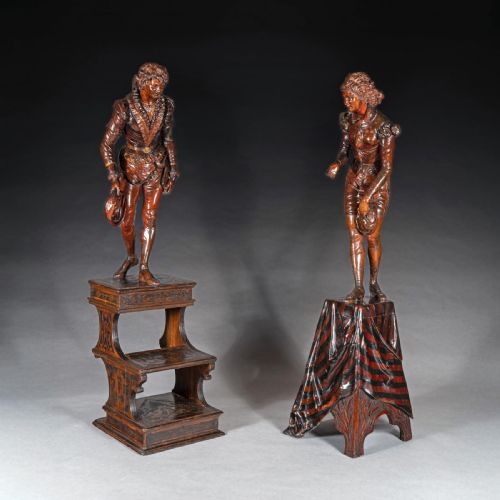
The selection includes figures of saints, putti, heraldic animals, and functional items like inkstands and hall stands. Pieces originate primarily from Italy, France, Scotland, and the Alpine regions, reflecting distinct regional woodcarving traditions.
Materials and Technique
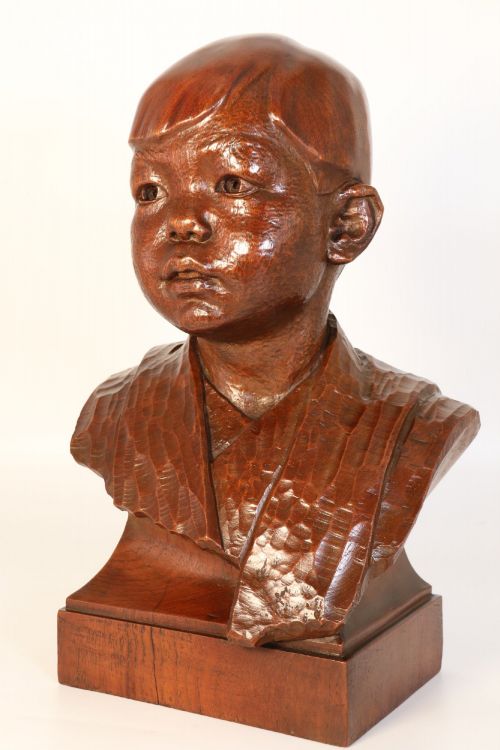
Carvers utilised European walnut, burr walnut, and lindenwood, taking advantage of the timber's tight grain to achieve fine facial expressions and feather details. Artisans applied hand chisels and gouges directly to seasoned wood blocks, sometimes mounting figures on secondary woods like oak or incorporating ormolu mounts.
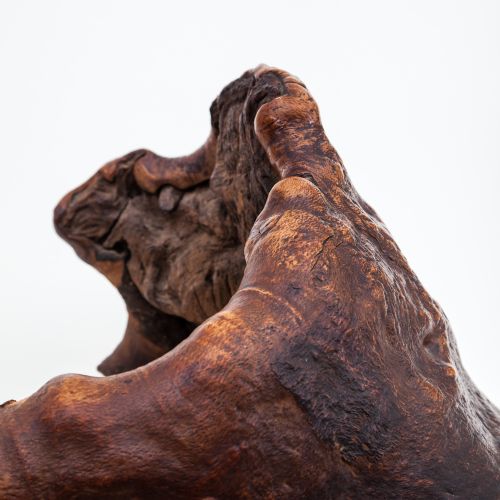
Surface finishes vary from polished patination to waxed raw timber, preserving tool marks that reveal the hand of the maker. Burr walnut root sections were selected for wild grain patterns in large pedestals and display stands.
Listings feature walnut, burr walnut, oak, and lindenwood across periods spanning the sixteenth to the early twentieth century.
Assessing Quality
Quality rests on the depth of the undercut, the anatomical accuracy of figures or animals, and the crispness of the chisel work. Master carvers defined drapery folds and musculature with clarity, whereas workshop pieces show softer contours and simpler detailing.
The choice of timber grain also dictates distinction, as figured burr walnut or dense old-growth walnut provides richer visual weight than plain planks.
Valentino Besarel·George Henry Paulin·Luigi Frullini
The Carved Walnut Sculpture Glossary
- Black Forest
- A nineteenth century Swiss and German style of wood carving focused on realistic animals, particularly bears, rendered in walnut and lindenwood.
- Torchiere
- A tall stand or pedestal, frequently carved in Italian Baroque style with putti or figures, designed to support a light or display object.
- Putto
- A plump, winged child figure, commonly carved in Renaissance and Baroque architectural elements and furniture supports.
- Burr walnut
- A prized veneer or solid wood section taken from a tree growth, showing swirling grain patterns.
- Santos
- A carved wooden religious figure representing a saint or holy person, originating from domestic or ecclesiastical settings.
Carved Walnut Sculpture: Frequently Asked Questions
How do I clean a carved walnut sculpture?
Dust the carvings gently with a soft, dry brush to prevent dirt accumulation in deep relief crevices. Avoid using liquid polishes or damp cloths, which can damage historic finishes.
Apply a microcrystalline wax sparingly only if the wood appears dry, buffing lightly with a clean cloth after application.
Where should I place a wooden sculpture?
Keep wooden carvings away from direct sunlight, radiators, and heating vents to prevent the walnut from drying out and splitting. Stable indoor humidity levels preserve the structural integrity of old timber.
Position sculptures on sturdy surfaces or dedicated pedestals where accidental knocks cannot damage protruding limbs or carved details.
What is the difference between Black Forest and Italian carvings?
Black Forest carvings focus on naturalistic animal studies and folklore figures created in nineteenth century Switzerland and Germany. These pieces often feature bears, dogs, and birds executed in high relief.
Italian carvings typically draw on Renaissance and Baroque traditions, depicting human figures, putti, architectural terms, and ecclesiastical subjects with classical proportions.
How can I tell the age of a wood carving?
Examine the tool marks left behind by the carver, as hand chisels leave irregular depressions distinct from modern machine routing. Tool marks, combined with the patina and shrinkage cracks in the walnut, indicate the period of creation.
Compare the style of dress, hair, and ornamentation with documented sculpture from known periods such as the sixteenth or nineteenth centuries.