





Dark Wood Portrait Bust
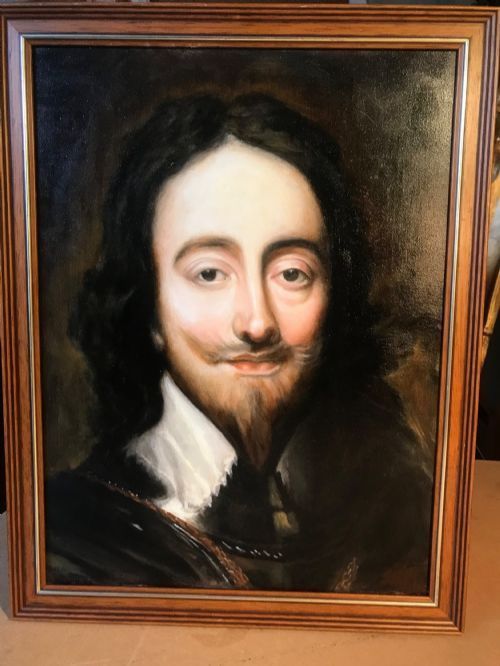
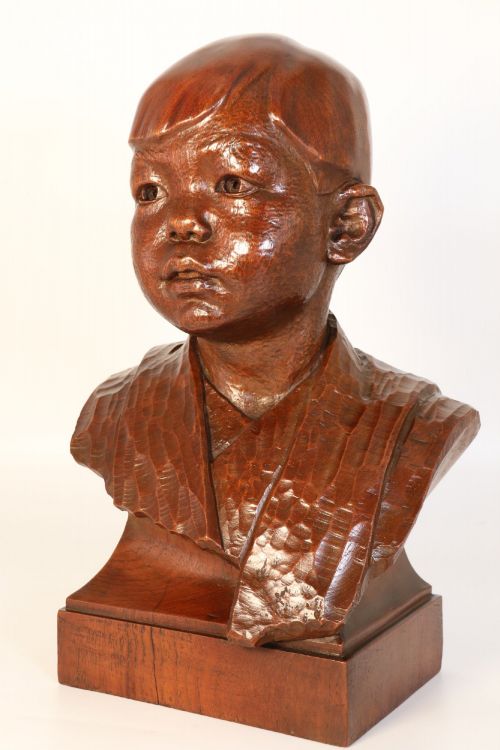
These dark wood portrait bust works range from heavy oak and mahogany carvings to early oil paintings capturing distinct faces from past centuries.
Dark Wood Portrait Bust
A dark wood portrait bust brings substantial presence into a room, capturing figures in carved mahogany, walnut, oak, and fruitwood alongside painted depictions in oil on canvas. The items span various historical eras, including the seventeenth, eighteenth, and nineteenth centuries, as well as early twentieth-century examples.
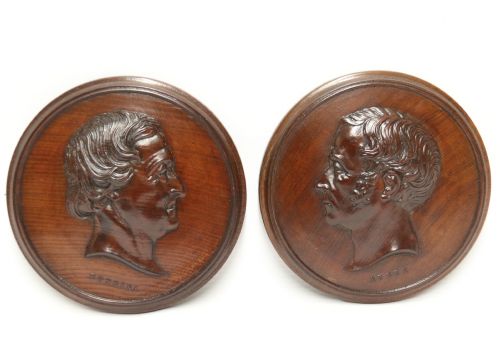
Buyers encounter both freestanding sculptural busts and wall plaques, representing subjects from historical figures and nobility to anonymous individuals and tribal art subjects. These pieces bridge the gap between fine art painting and solid timber sculpture.
The selection encompasses diverse regional traditions, from English school pairings and Dutch old master paintings to Scottish life-size walnut sculptures and Italian mahogany carvings. Each object presents a distinct character shaped by the prevailing artistic style of its period.
Materials and construction
Painted works utilise oil on canvas, sometimes enhanced with gold leaf accents to highlight details within the composition. These canvases capture likenesses through layered brushwork characteristic of traditional portraiture.
Materials represented include oil on canvas, gold leaf, mahogany, fruitwood, and solid hardwood.
Distinctions in craftsmanship
Depth of carving and anatomical precision separate the finer pieces from simpler items, particularly in the rendering of expression, hands, and facial structure in timber. Master carvers achieved realistic folds in clothing and subtle lifelike qualities in the subject's gaze.
The choice of material influences the overall weight and presence of the sculpture, with close-grained hardwoods holding sharper detail over decades of handling and display.
George Henry Paulin RBS·Boudewijn Tuerlinckx·Anthony Van Dyck
The Dark Wood Portrait Bust Glossary
- Bust
- A sculpted or painted representation of a person from the chest up. This format focuses attention entirely on the facial expression and character of the subject.
- Wall plaque
- A decorative panel designed to be mounted directly onto a vertical surface. These items often feature relief carving that projects outward from a flat wooden background.
- Oil on canvas
- A traditional painting medium consisting of pigments suspended in drying oils applied to stretched fabric. This technique allows for rich depth of colour and smooth blending.
- Gothic Revival
- An architectural and artistic movement reviving medieval forms during the nineteenth century. Pieces in this style often incorporate pointed arches and heavy timber detailing.
- Fruitwood
- Dense, fine-grained timber sourced from fruit-bearing trees such as pear or apple. Carvers favoured this material for its smooth finish and ability to retain intricate detail.
Dark Wood Portrait Bust: Frequently Asked Questions
What is the difference between oil paintings and wood busts?
Oil paintings capture subjects through pigments on canvas, offering nuanced play of light and shadow across two dimensions. Wood portrait busts provide three-dimensional form, using carved timber grain to define the facial structure.
Both formats share historical periods and subject matter, allowing collectors to pair painted portraits with matching sculptural works.
How do I care for antique dark wood carvings?
Maintain stable indoor humidity levels to prevent the hardwood from drying out, cracking, or warping over time. Keep pieces away from direct heat sources and strong sunlight.
Dust gently with a dry, soft cloth, avoiding commercial silicone polishes that can build up and dull the original surface finish of the timber.
How can I identify the period of a carved bust?
Examine the tooling marks left by the carver on the reverse or underneath the base, as hand tools varied across centuries. Stylistic clues in the subject's clothing and hair also point toward specific eras like the Georgian or Victorian periods.
Compare the density and ageing patterns of the wood, noting how mahogany, oak, and walnut develop distinct patinas as they age.