



Vintage Timber Bust
These vintage timber bust carvings bring character and human form to a room through traditional hand carving.
Vintage Timber Bust
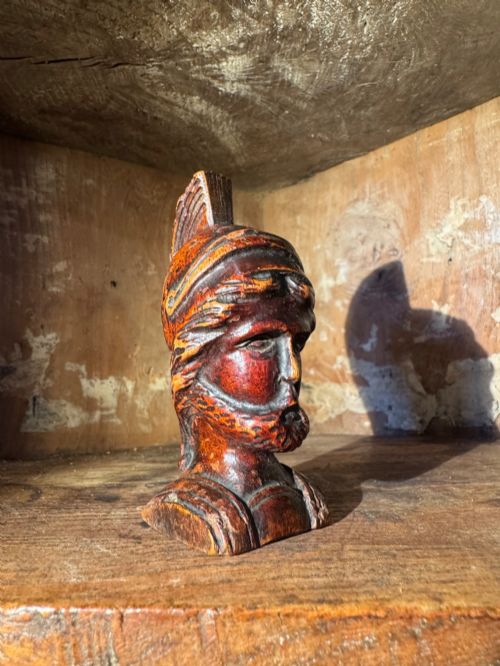
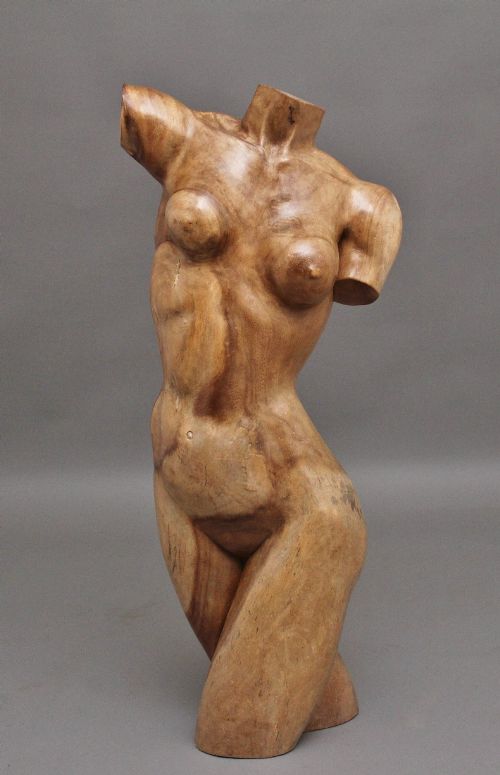
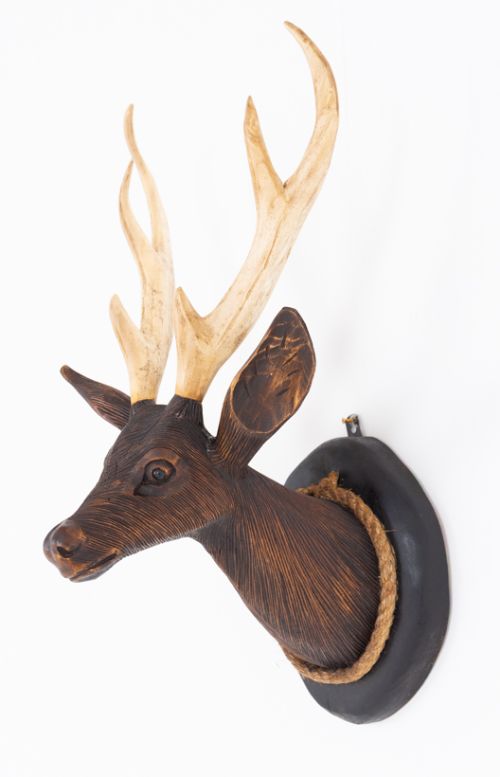
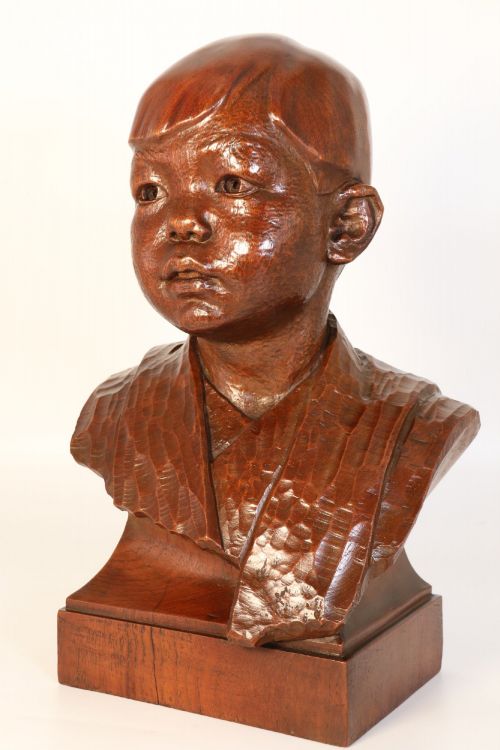
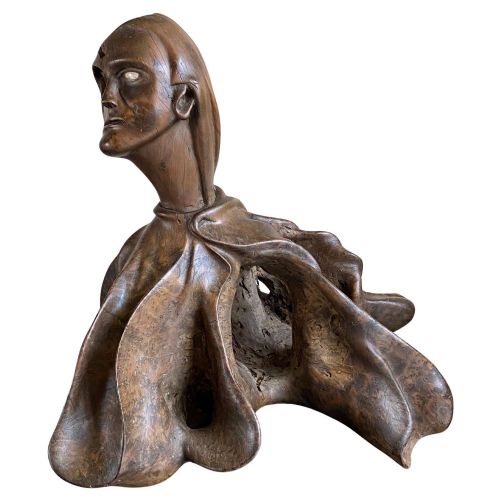
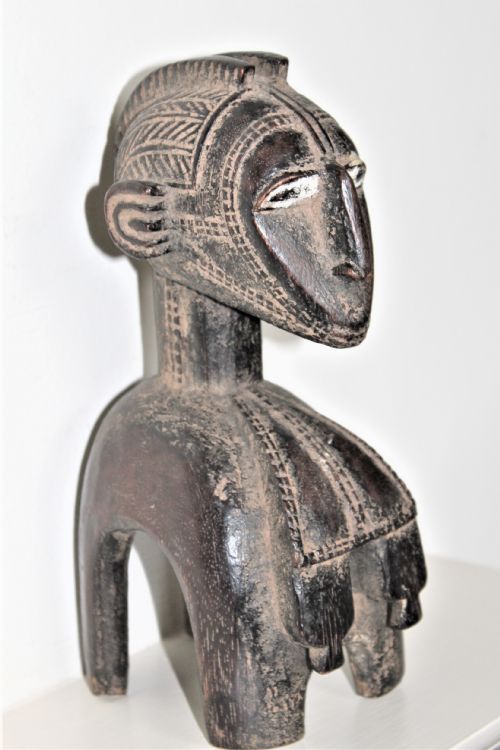
When you search for a vintage timber bust, you find carved wooden forms spanning the Victorian era through to early twentieth century modernism. The selection includes life size human torsos, milliner's heads, tribal art, and animal sculptures executed in various woods.
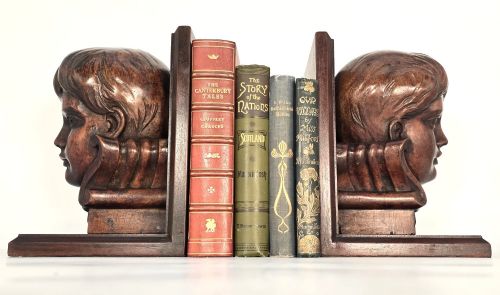
Most pieces date from the nineteenth and twentieth centuries, reflecting styles such as folk art, tribal art, and Black Forest carving. You will encounter both standalone sculptures and functional items like carved library bookends.
Makers utilised dense timbers to create lasting portraits and figures that capture specific eras of design and craftsmanship. These items serve as focal points in interiors, bringing texture and history to domestic spaces.
How they were made
Carvers shaped these pieces from hardwoods including mahogany, walnut, and yew burr using traditional hand tools. The grain and natural figure of the timber determine the visual texture of each sculpture.
Some examples incorporate surface treatments such as pigments, bone inlay, or rope details to add contrast to the carved wood. These techniques highlight the artisanal nature of the work across different periods and regional styles.
Listings feature works in mahogany, walnut, and yew burr, spanning the Victorian era to early twentieth century modernism.
What varies in quality
The choice of timber and the preservation of the original surface patina heavily influence the standing of a piece. Fine figure in hardwoods like walnut or yew burr elevates the visual weight of the sculpture.
George Henry Paulin RBS·V Ramirez Bolivia
The Vintage Timber Bust Glossary
- Yew burr
- A growth on a yew tree that produces highly figured, swirling wood grain prized for decorative carvings and sculptures.
- Black Forest
- A nineteenth century style of intricate wood carving originating from the German region, typically featuring animals and natural motifs.
- Patina
- The surface sheen and colour developed on wood through age, handling, and exposure to light over decades.
Vintage Timber Bust: Frequently Asked Questions
How do I style a timber bust?
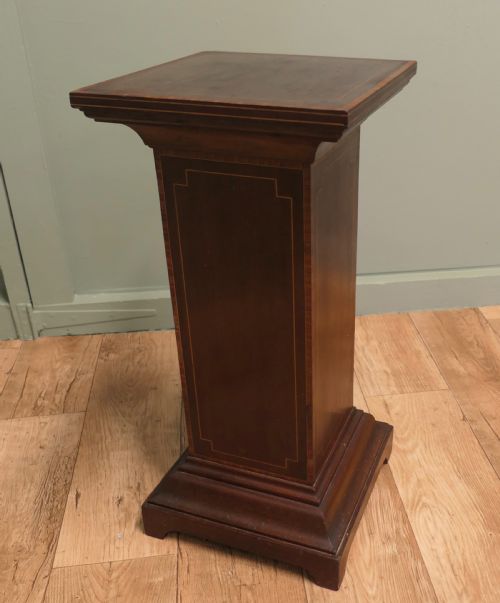
Place a vintage timber bust on a display pedestal, console table, or bookshelf where the three dimensional form can be viewed from multiple angles. Pair it with books or ceramics to create a textured tablescape.
Ensure the piece sits away from direct heat sources to protect the timber from drying out or splitting over time.
What woods were commonly used?
Carvers utilised dense timbers such as mahogany, walnut, and yew burr for their durability and ability to hold fine detail. Hardwoods provide the structural integrity needed for life size sculptures and functional bookends.
Local timber availability often determined the specific wood used by folk art and tribal carvers.
How do I date a carved bust?
Examine the tool marks, timber selection, and style to ascertain the period of manufacture. Victorian and early twentieth century pieces often display distinct stylistic markers like Gothic revival motifs or early modernist abstraction.
Compare the surface patina and wear patterns with known examples from the same era to confirm the age.