




Wooden Sculpture Display
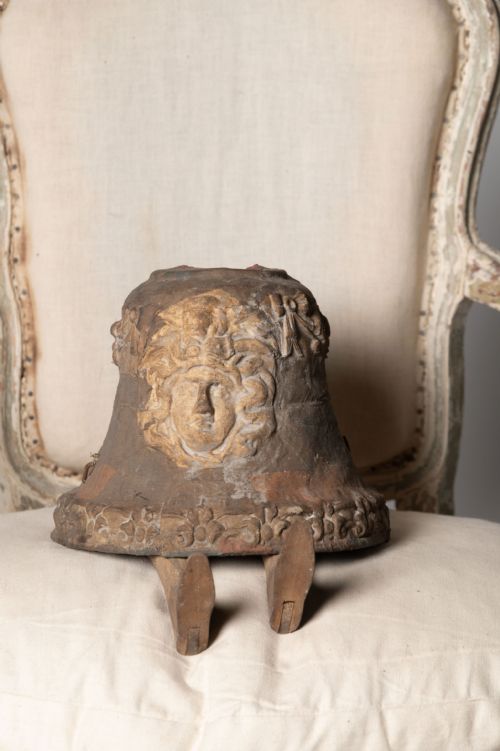
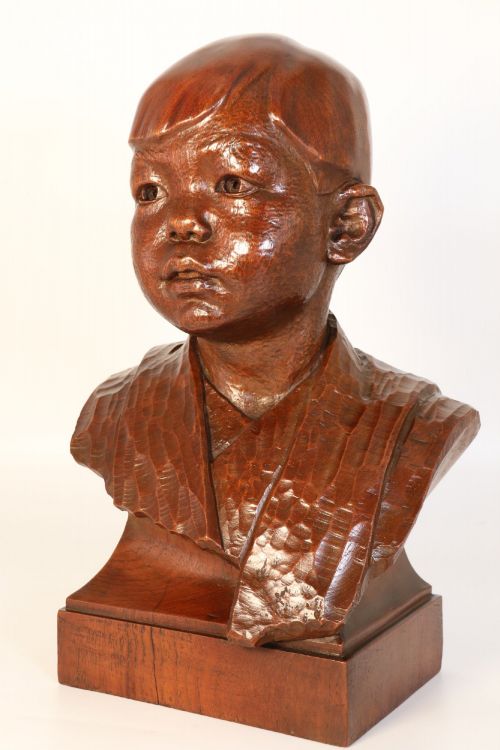
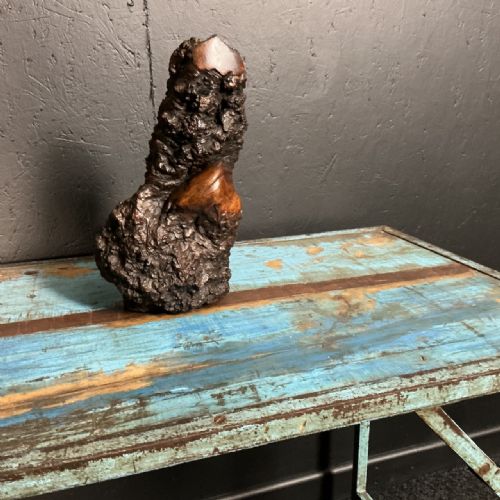
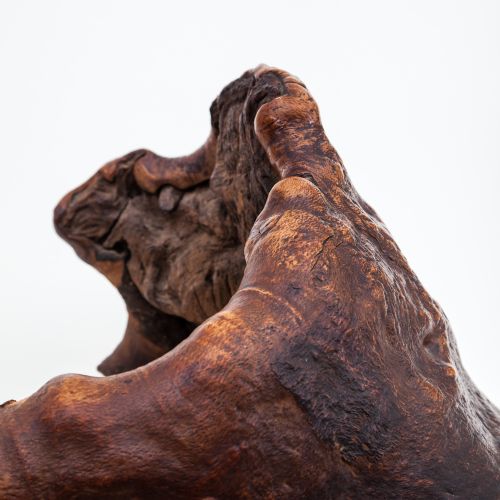
These wooden sculpture display pieces elevate objects of art and curiosity, bringing architectural presence and period character into a room.
Wooden Sculpture Display
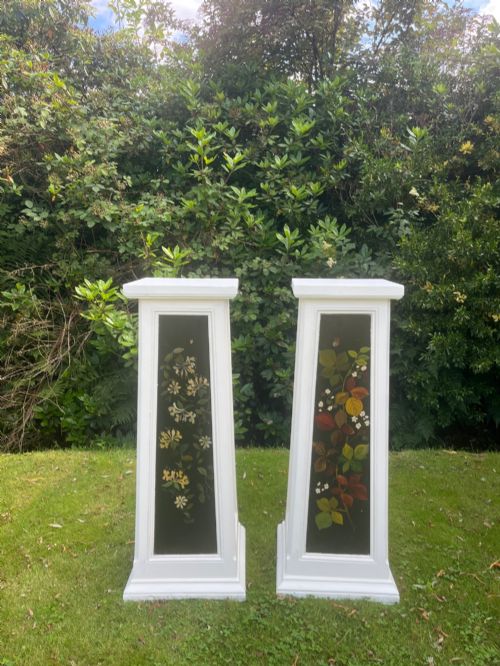
A wooden sculpture display search typically reveals pedestals, columns, plinths, and plant stands designed to elevate three-dimensional objects. The examples encountered on this page span the eighteenth, nineteenth, and early twentieth centuries, drawing on Victorian, Georgian, and revivalist styles.
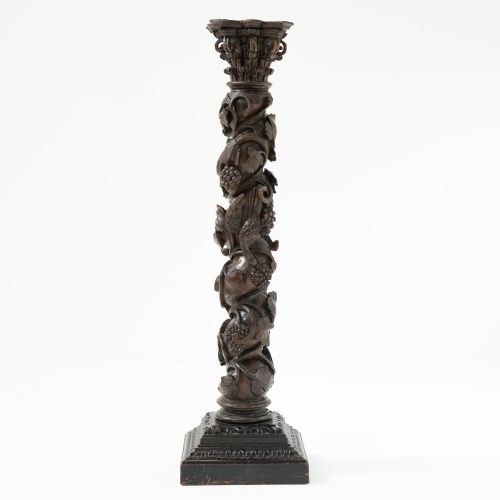
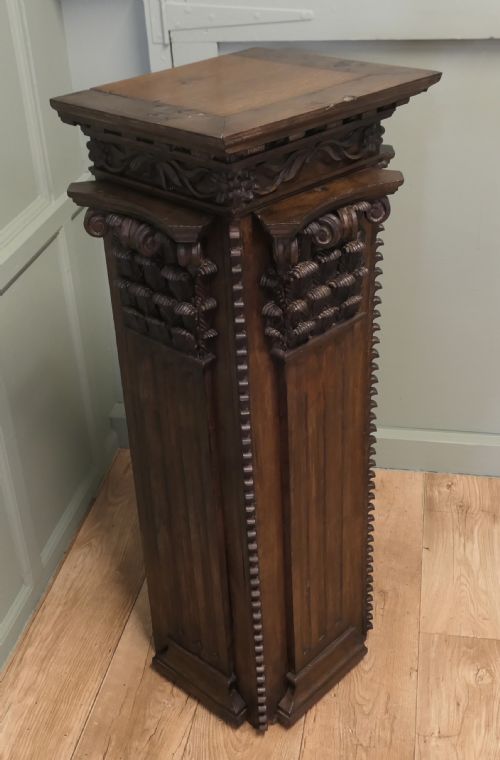
Makers utilised various formats, from solitary Solomonic oak columns to matched pairs of satinwood or mahogany stands. Architectural forms dominate the selection, functioning as display furniture for busts, figures, and decorative works.
Design and Execution
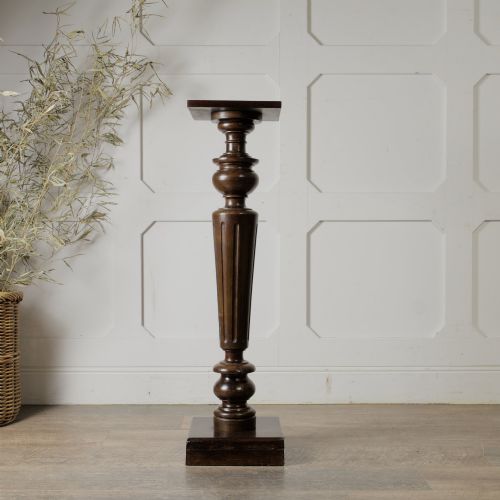
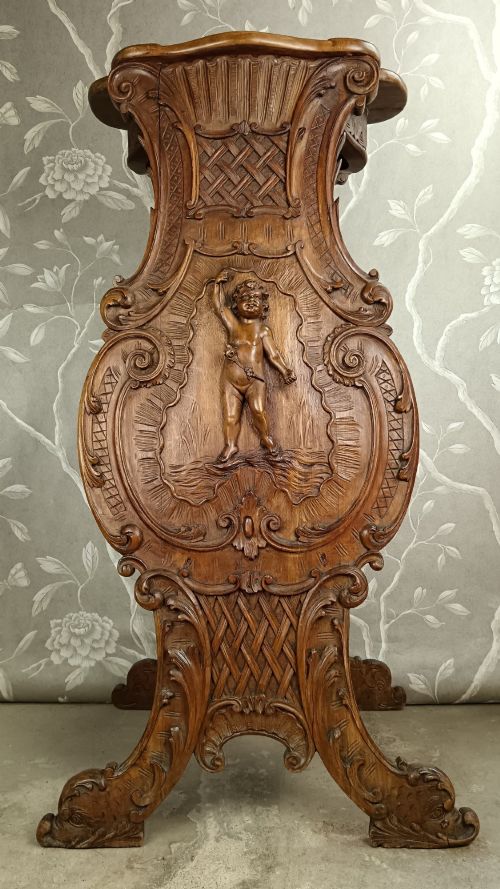
Superior examples exhibit crispness in hand carving and architectural proportion, whereas lesser pieces rely on simpler turned construction. The choice of timber grain and the application of specialist finishes, such as simulated marble or fine polishing, separate standard items from exhibition quality works.
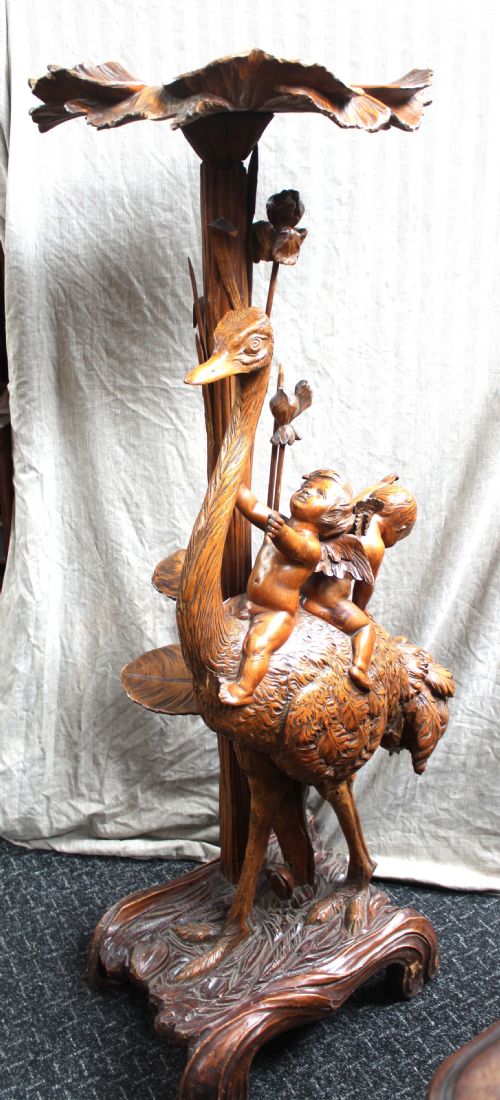
Design ambition dictates the upper tier of the range, where complex column structures, triform bases, or bespoke revivalist details reflect the workshop's capability. Proportion and stability remain central to the success of taller display columns.
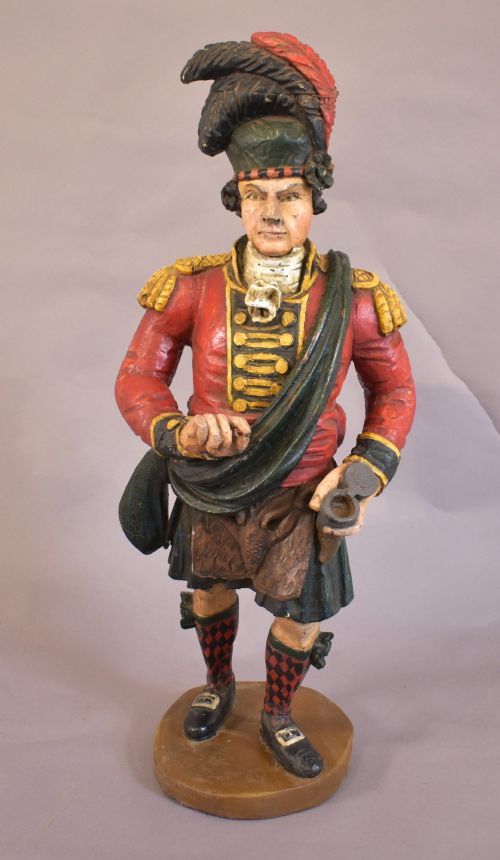
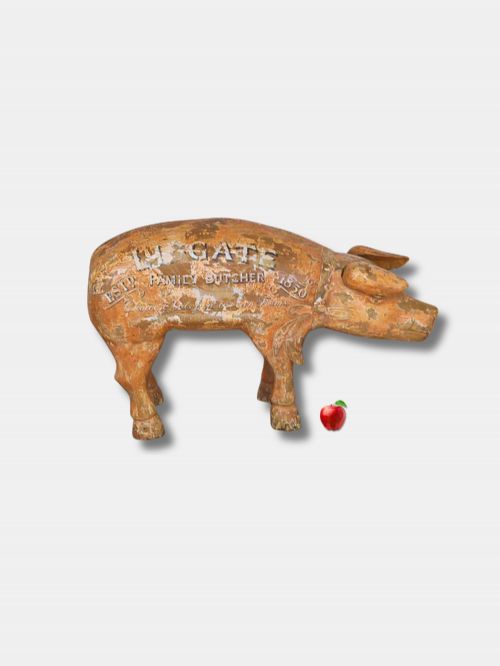
Listings feature woods spanning oak, mahogany, walnut, birch, and satinwood, alongside painted trade signs and folk art figures.
George Henry Paulin RBS·Gillow and Co
The Wooden Sculpture Display Glossary
- Pedestal
- A support or base for a statue, urn, or column. These freestanding structures lift display items to eye level.
- Torchiere
- A tall stand or ornamental candlestick originally designed to hold a light. In display terms, it refers to slender column supports.
- Solomonic
- A helical or spiral column design resembling a twisted vine. This classical form appears frequently in seventeenth and eighteenth-century carving.
- Gesso
- A plaster-based material applied to wood surfaces to prepare them for painting or gilding. It provides a smooth ground for decorative finishes.
- Ebonised
- Wood finished to resemble ebony through staining or painting. This technique creates a dense black surface popular in nineteenth-century design.
Wooden Sculpture Display: Frequently Asked Questions
How do I choose the right height for a display pedestal?
Consider the scale of the sculpture and the dimensions of the room where it will stand. Taller columns suit smaller busts, while wider plinths accommodate heavier figures.
Ensure the top surface area comfortably matches the base of the object you intend to display upon it.
Can these stands support heavy stone sculptures?
Solid hardwood pedestals and column stands from the nineteenth century are engineered to bear substantial weight. Solid mahogany, oak, and walnut structures offer robust stability.
Examine the construction of the base and internal framing if you plan to mount particularly heavy materials.
How do I clean painted and gesso surfaces?
Dust these decorative items gently with a dry, soft cloth to prevent abrasion to aged finishes. Avoid liquid cleaners and chemical polishes that can lift fragile paint or gesso.
Keep wooden sculpture displays away from direct sunlight and damp environments to preserve the original timber and applied decoration.
What distinguishes a torchiere from a standard column?
Torchieres typically feature slender, more decorative profiles originally intended to carry lighting or small display items. Standard columns often present heavier, architectural proportions derived from classical orders.
Both forms serve to elevate objects, but torchieres lean towards decorative visual lightness.