




Antique Fine Art Bust
An antique fine art bust brings personality and gravitas to a room, capturing historical figures and everyday sitters in bronze, walnut and oil paint.
Antique Fine Art Bust
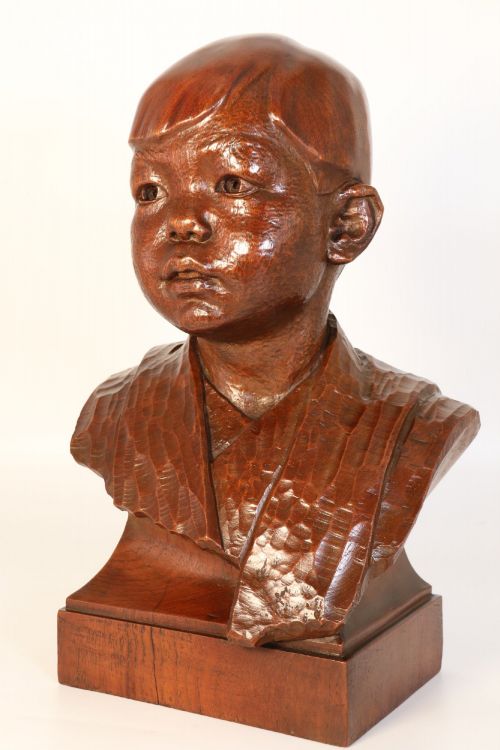
When you search for an antique fine art bust, you encounter both solid sculptural forms and painted canvas portraits depicting specific individuals. The selection on this page ranges from Georgian and Victorian periods through to early twentieth century works.
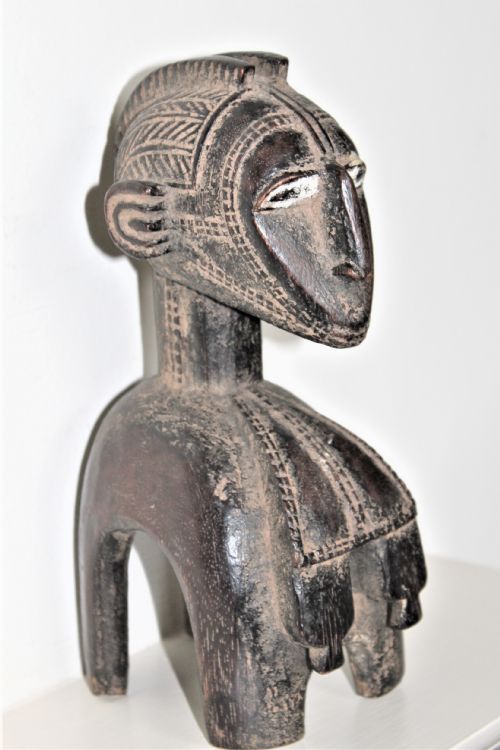
Sculptural pieces appear as carved walnut or cast bronze studies, often representing named subjects like physicians, princes and artists. Painted examples render similar sitters in oil on canvas, sometimes framed in wood and gold leaf.
The origins stretch across British and English schools, featuring named sitters and historic subjects rendered with formal dignity. These works bridge the gap between sculpture and portraiture, offering distinct representations of human subjects from past centuries.
Materials and construction methods
Makers shaped three-dimensional likenesses using carved walnut timber or cast bronze, sometimes mounting sculptures on wooden plinths. Bronze studies capture fine facial detail and texture through metal casting techniques typical of the Victorian period.
Painted works utilise oil paint applied to canvas supports, frequently housed within wooden frames finished with gold leaf. These combined materials reflect traditional workshop practices from the eighteenth and nineteenth centuries.
Several sitters wear the Order of the Garter or botanical credentials, ensuring your shelf companion holds a proper historical title.
Assessing quality in portraiture and sculpture
Finer sculptural examples display careful anatomical precision in the modelling of hair, expression and bone structure, particularly in life size carved wood or cast bronze. Lesser pieces show less nuance in surface finish and facial proportion.
Painted portraits vary according to the handling of light and shadow across the sitter's face, alongside the preservation of the original oil paint and canvas. Attribution to recorded artists or known schools elevates the standing of individual works.
George Henry Paulin·Sir Thomas Brock·Lemuel Francis Abbott
The Antique Fine Art Bust Glossary
- Bronze
- A copper and tin alloy used for casting sculptures. It allows for sharp detail and patination over time.
- Walnut
- A dense hardwood utilised for detailed carving. It provides a rich grain and deep colour to sculptural busts.
- Oil Paint
- Pigment mixed with drying oil used on canvas. This medium permits subtle blending of tones in portraiture.
- Gold Leaf
- Gold beaten into extremely thin sheets applied to frames. It adds a reflective border to painted works.
- Canvas
- Heavy woven fabric stretched over a wooden frame as a painting support. It serves as the standard base for oil portraits.
Antique Fine Art Bust: Frequently Asked Questions
What is an antique fine art bust?
An antique fine art bust is a sculptural or painted representation of a human head and shoulders, created during past centuries using materials like bronze, walnut or oil on canvas.
These pieces record real historical figures, artists, physicians and anonymous sitters with formal artistic skill.
Where should I place a bust?
Sculptural busts suit sturdy surfaces such as mantelpieces, bookcases or dedicated pedestals where adequate light highlights the contours of the material.
Painted portrait versions hang effectively on walls alongside complementary antique furnishings and traditional artwork.
How do I identify the period?
Period identification relies on examining the materials, framing styles, costume details of the sitter and any recorded attribution or signatures.
Georgian and Victorian works display distinct artistic conventions and framing techniques characteristic of their respective eras.