

Scottish Wood Carving
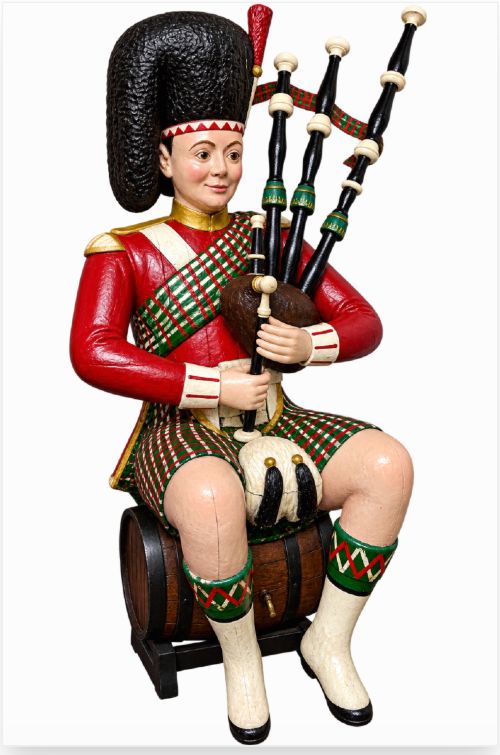
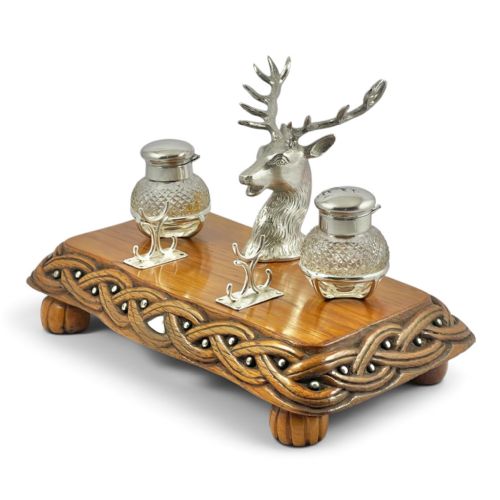
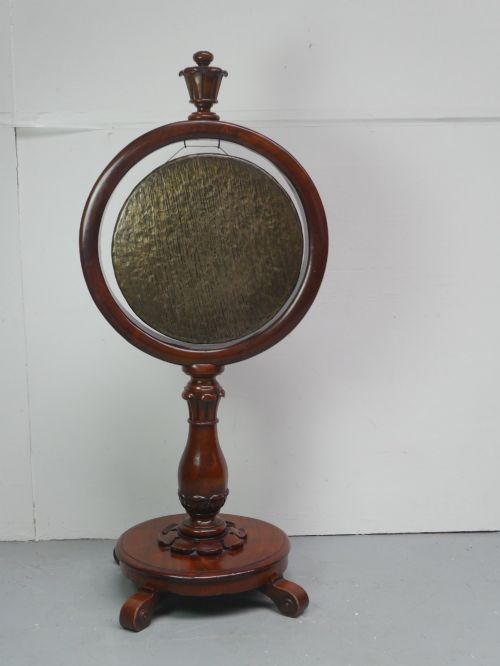
Scottish wood carving brings together practical domestic furniture and decorative works shaped from mahogany, oak, walnut and laburnum across the Georgian, Regency and Victorian periods.
Scottish Wood Carving
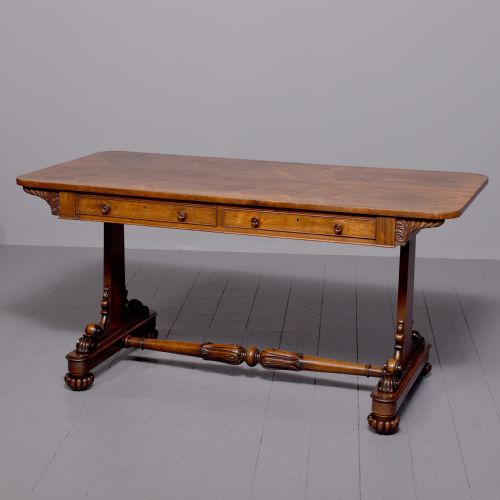
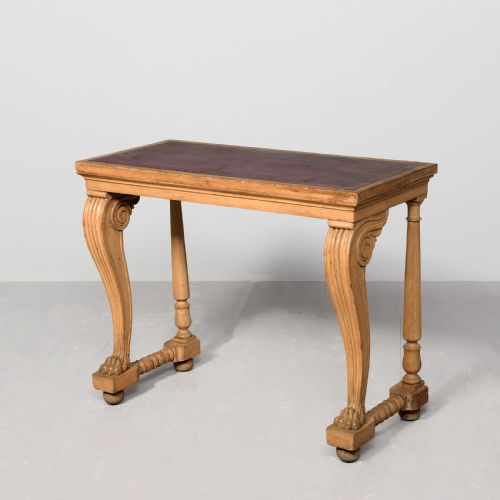
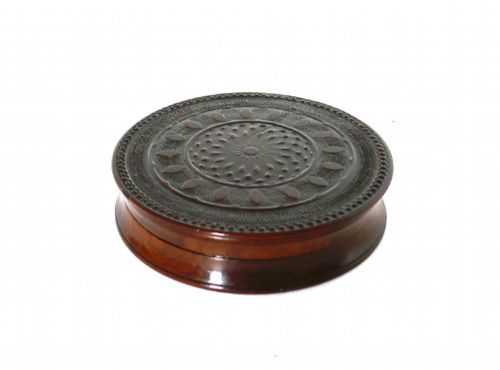
Scottish wood carving encompasses a diverse selection of items ranging from utilitarian seating and dining chairs to library tables, console tables, longcase clocks and smaller treen items such as snuff boxes. The material evidence shows substantial representation from the Victorian and Regency periods, alongside Georgian pieces and specific regional forms like the Orkney chair.
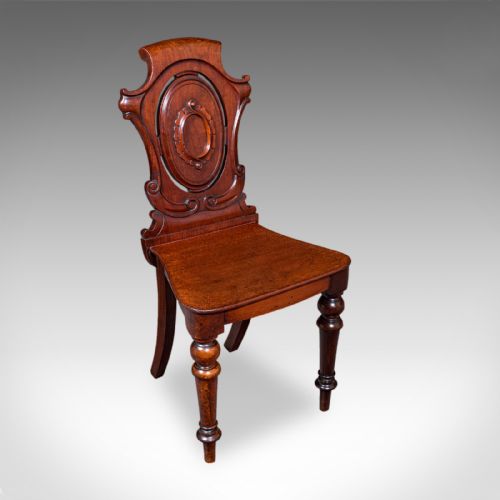
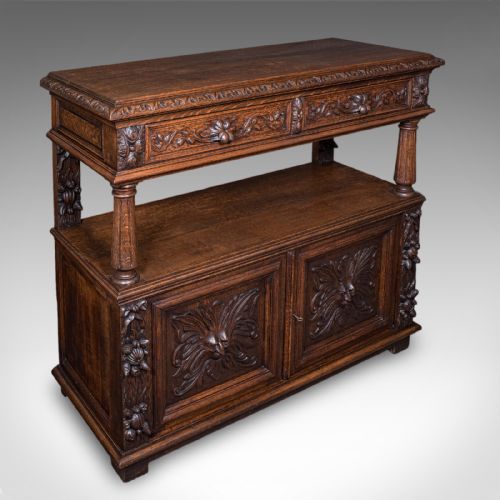
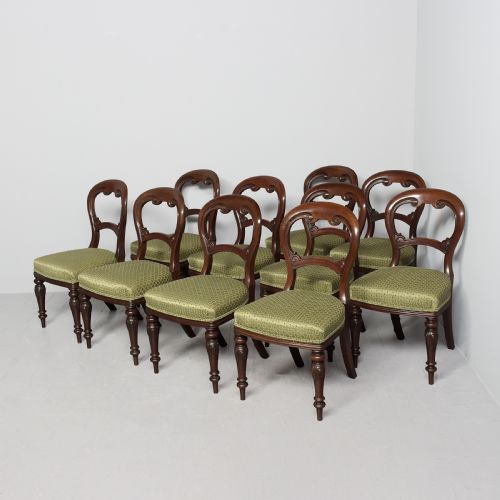
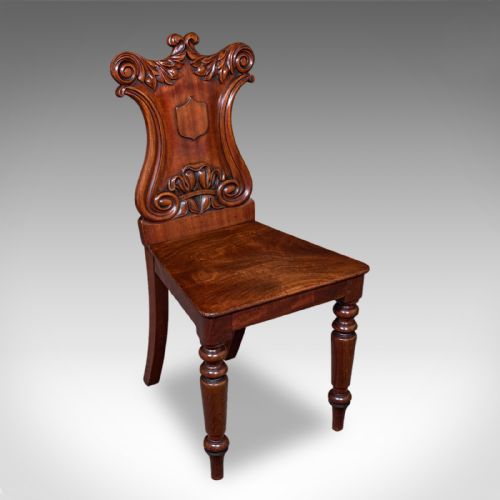
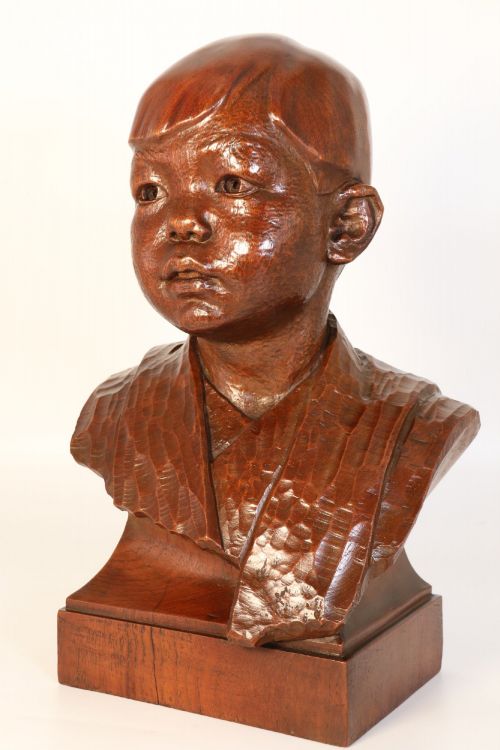
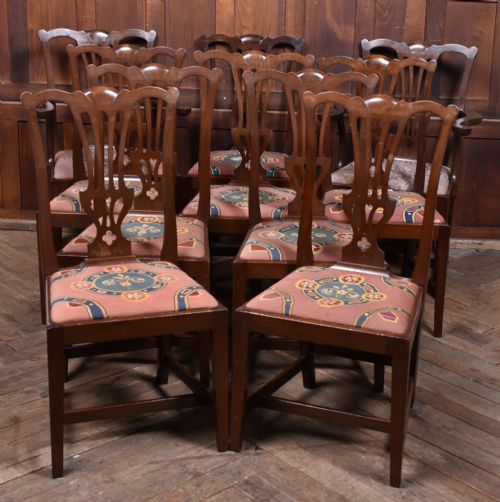
Buyers exploring this category encounter seating such as shield-back hall chairs, armchairs, and dining suites in mahogany, walnut and oak. Larger functional forms, including sideboards, buffets, bookcases and kitchen dressers, sit alongside decorative objects like carved busts, armorial plaques and pokerwork stools.
Materials and Construction
Makers utilised dense timbers such as mahogany, oak, walnut, rosewood, laburnum and birch to achieve durable structures capable of holding intricate detail. Cabinetmakers combined solid wood construction with turning, carving and engine-turned decoration, particularly evident in smaller treen items and functional pieces.
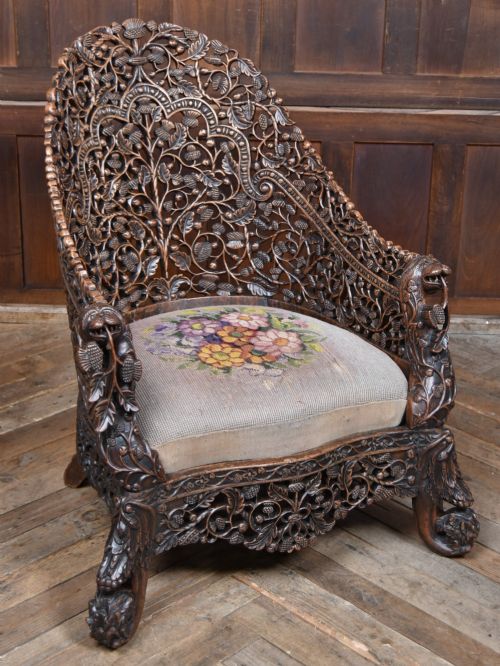
Surface treatments varied from polished mahogany and figured walnut to scumbled finishes on vernacular kitchen furniture. Details like heraldic crests, thistles and figurative subjects were carved directly into the primary timber or applied as separate decorative elements.
Pokerwork stools occasionally feature spirited regional mottoes like 'Touch Me Wha Daur' burned directly into the timber.
Evaluating the Pieces
Quality rests upon the crispness and depth of the carving, the selection of figured timbers such as rosewood or walnut, and the integrity of the original construction. Pieces associated with documented makers or firms demonstrate superior joinery and refined proportions compared to standard vernacular workshop output.
The degree of preservation regarding original surfaces, finishes, and hardware distinguishes exceptional items. Pieces retaining their original scumbled paint, patination, or specific regional characteristics command greater interest from collectors.
Mein of Kelso·James Mein of Kelso·George Henry Paulin·Whytock and Reid·Wylie and Lochhead Ltd·William Trotter
The Scottish Wood Carving Glossary
- Treen
- Small handmade wooden domestic objects, ranging from snuff boxes to small household implements. These items display early turning and carving techniques on dense hardwoods like laburnum.
- Scumbled
- A paint finish applied to imitate the grain of more expensive wood or to provide a decorative aged appearance. This technique appears frequently on vernacular kitchen furniture.
- Orkney Chair
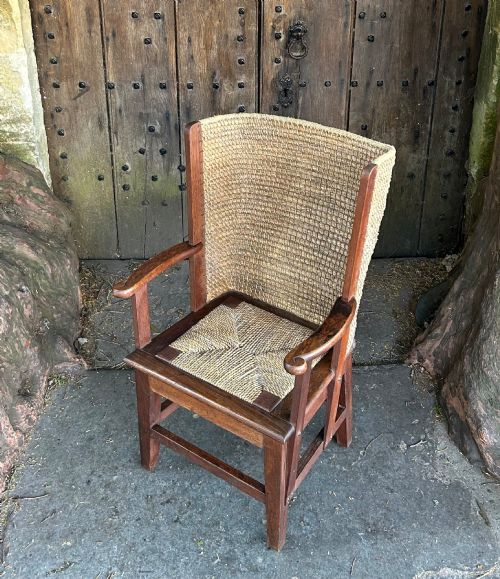
- A traditional regional seating form characterised by a low wooden frame and a high woven oat straw back. These chairs reflect specific island craftsmanship and material availability.
- Pokerwork
- A method of decorating wood by burning designs onto the surface using a heated tool. It is often found on decorative stools and small panels featuring mottoes or heraldry.
Scottish Wood Carving: Frequently Asked Questions
What is an Orkney chair?
An Orkney chair is a distinctive regional seat featuring a low wooden frame constructed from driftwood or local timber, paired with a high back woven from oat straw. These chairs developed to protect occupants from drafts in traditional northern homes.
Examples incorporate pegged joints and low wooden seats beneath the woven hood. They represent a specific strand of vernacular Scottish craftsmanship distinct from formal cabinetmaking.
How do I identify a Scottish longcase clock?
Scottish longcase clocks typically feature mahogany, oak, or birch cases housing eight-day movements, with drum head designs appearing in Victorian examples. Regional variations distinguish them from English clocks through dial layout and case proportions.
Examining the timber, door construction, and hood styling helps determine the period. Many retain maker details on the painted or brass dial face.
What woods were used in these pieces?
Cabinetmakers utilised a range of native and imported timbers, including mahogany, oak, walnut, rosewood, laburnum and birch. Dense hardwoods suited intricate carving and structural stability for chairs and tables.
Selection depended on the piece's function and period, with mahogany and rosewood favoured for formal dining and library furniture. Oak and birch served both vernacular items and Gothic Revival sideboards.
How should I care for antique wooden furniture?
Antique wooden items require stable indoor humidity and protection from direct sunlight to prevent timber shrinkage and finish degradation. Regular dusting with a soft cloth maintains the surface without the need for heavy modern polishes.
Preserving the original patination involves applying microcrystalline wax sparingly when the wood appears dry. Avoid placing pieces near heat sources or damp exterior walls.