
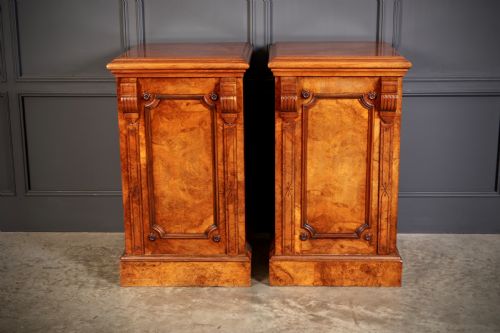


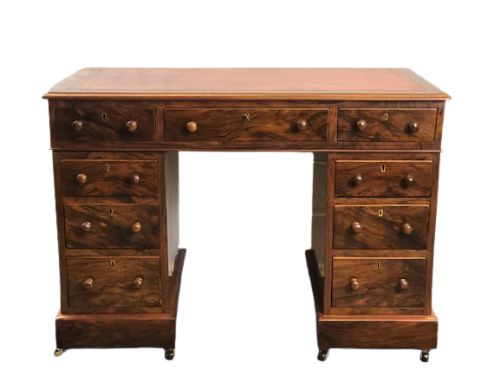
Carved Walnut Plinth
A carved walnut plinth raises sculpture and display to eye level, bringing substantial timber grain and crisp chisel work into a room.
Carved Walnut Plinth
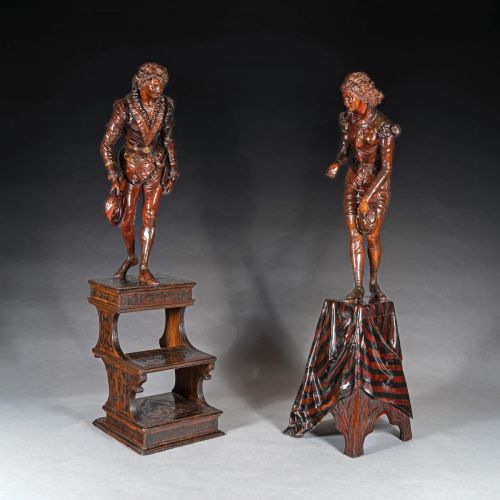
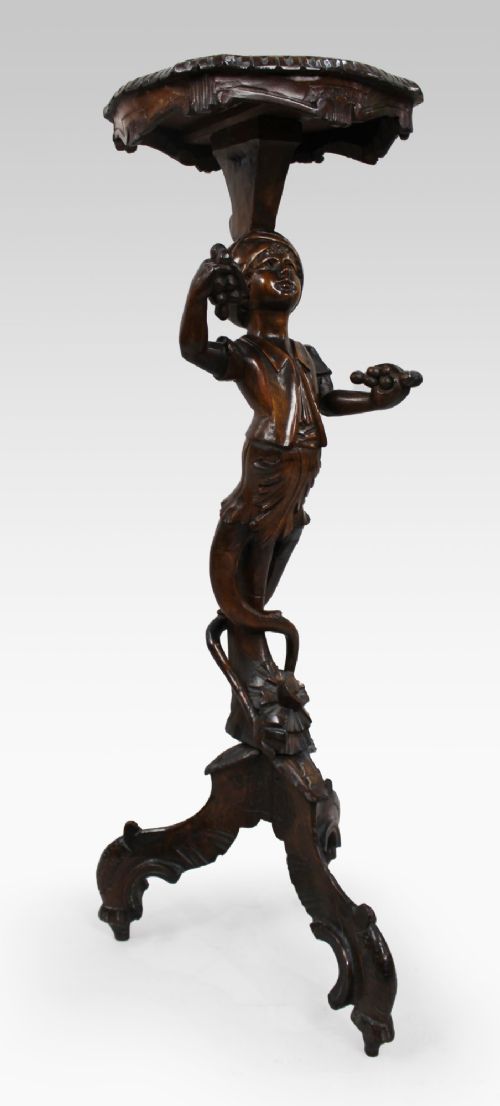
A carved walnut plinth is a solid timber display stand or pedestal designed to elevate decorative objects, busts, and figures. The pieces on this page span the eighteenth and nineteenth centuries, taking forms from simple column stands to ornate figural supports.
The selection includes tall columnar stands and lower cabinet forms intended to anchor a corner or serve as a central focal point. Walnut provides a warm, dark canvas that highlights carved details and varied grain patterns.
How they were made
Cabinetmakers constructed these pieces using solid walnut, burr walnut, and figured veneers applied over secondary timbers such as pine. Ormolu mounts and brass details appear on select continental works, adding metallic contrast to the dark wood.
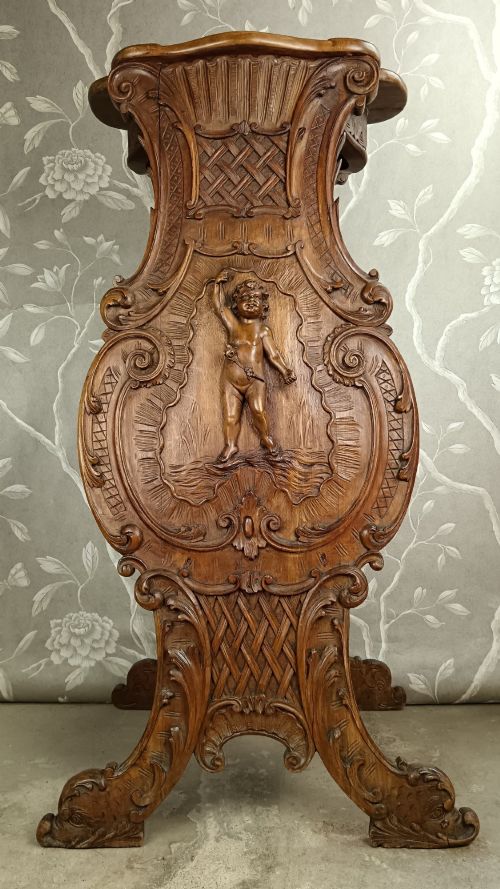
Carving defines the ornamentation, with artisans cutting deep scrolls, foliage, and figures directly into the walnut. Figured and burr veneers were selected for large flat surfaces to display the natural swirling patterns of the timber.
Nineteenth-century craftsmen occasionally carved entire wooden figures to hold up your heavy vases.
What varies in quality
Quality rests upon the crispness of the carving and the choice of timber figure. Finer examples display deeply undercut foliage and expressive figural work rather than shallow mechanical milling.
The selection of burr or figured walnut veneer dictates the visual depth of the panels and columns. Construction solidity also separates standard production pieces from bespoke studio commissions.
The Carved Walnut Plinth Glossary
- Burr Walnut
- A timber obtained from the warted growths on walnut trees, showing highly figured, swirling grain patterns. It was prized for decorative veneer on nineteenth-century furniture.
- Ormolu
- Gilded bronze used for decorative mounts and highlights on furniture, particularly French rococo pieces. It provides a bright metallic contrast against dark walnut.
- Plinth
- The heavy base or lower block that supports a column, statue, or pedestal. In furniture, it raises the main body of a piece off the floor.
- Figured Walnut
- Timber featuring natural grain variations such as ripples or flames. Cabinetmakers used these boards on prominent surfaces to catch the light.
Carved Walnut Plinth: Frequently Asked Questions
What is a carved walnut plinth used for?
These pieces function primarily as stands for heavy decorative objects, busts, and sculptures. They raise artwork to eye level while adding architectural presence to an interior.
Buyers also place them in corners or halls to display urns, bronzes, and table lamps.
How do I identify a Victorian plinth?
Victorian examples typically date from the mid to late nineteenth century and often feature dark walnut timbers. They frequently incorporate revival styles influenced by earlier baroque or renaissance design.
Construction details such as pine carcase work and machine-assisted joinery help confirm the period.
Are these pieces solid walnut?
Many examples combine solid walnut for carved members and mouldings with veneers applied over secondary woods like pine. Figured and burr varieties were almost exclusively used as veneers to showcase the grain.
Structural columns and feet are generally turned or carved from solid timber to support heavy loads.
How do I care for antique walnut furniture?
Keep wooden pieces away from direct sunlight and strong heat sources to prevent the timber from drying and splitting. Regular dusting with a dry cloth maintains the surface sheen.
Avoid silicone-based polishes and apply traditional wax sparingly only when the wood appears dry.