
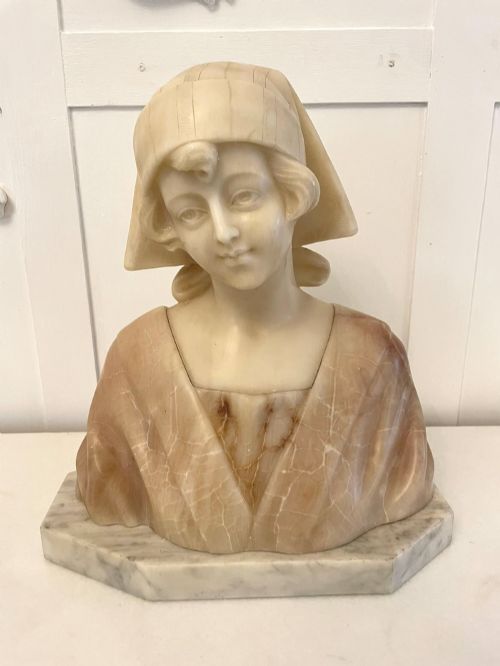
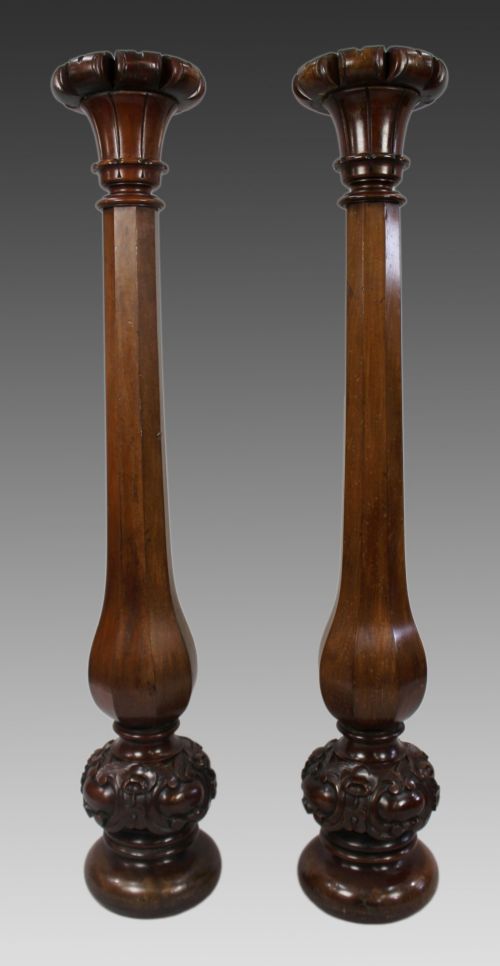
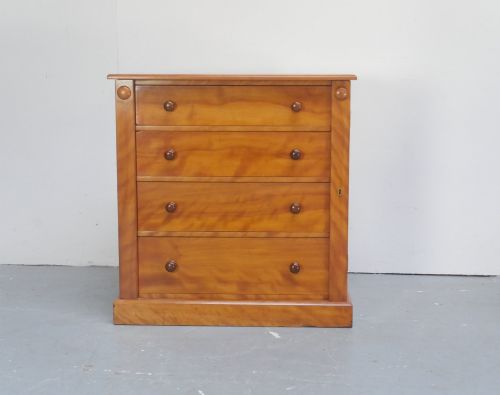
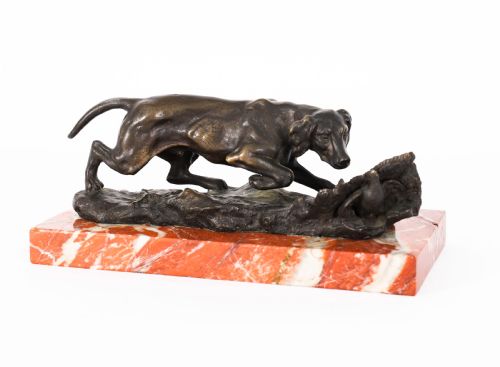
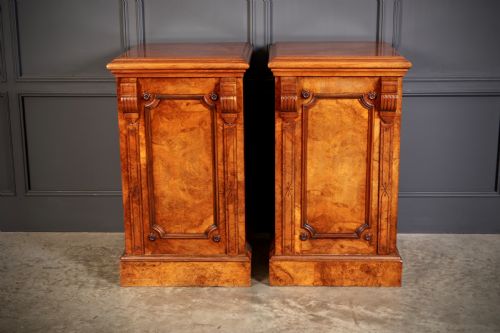
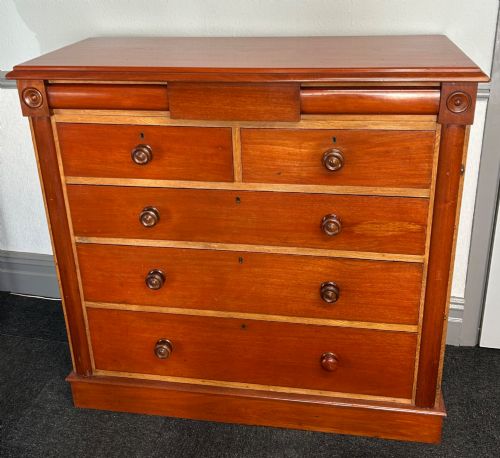


Victorian Carved Plinth
A victorian carved plinth elevates sculpture, ceramics and focal items through heavy timber, marble and stone forms.
Victorian Carved Plinth
A victorian carved plinth serves as a structural support or display column for art objects, drawing on styles ranging from Gothic Revival to Italian Renaissance Revival. These pieces take the form of pedestals, columns, and low stands designed to elevate a focal object within a room.
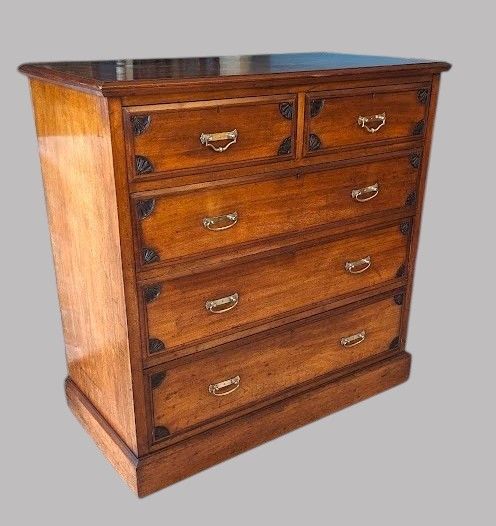
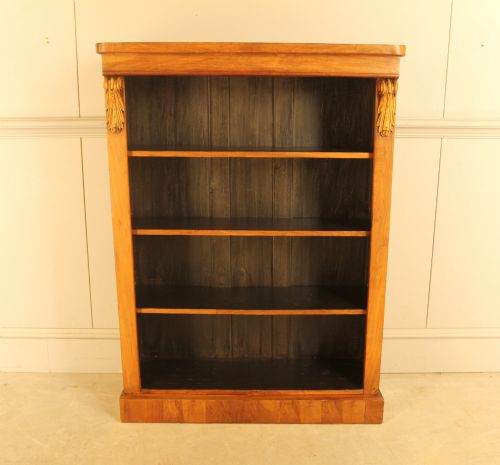
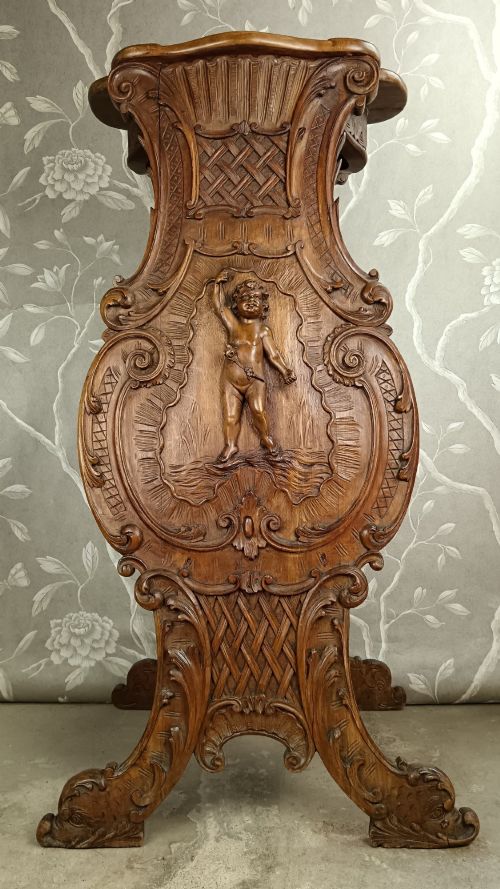
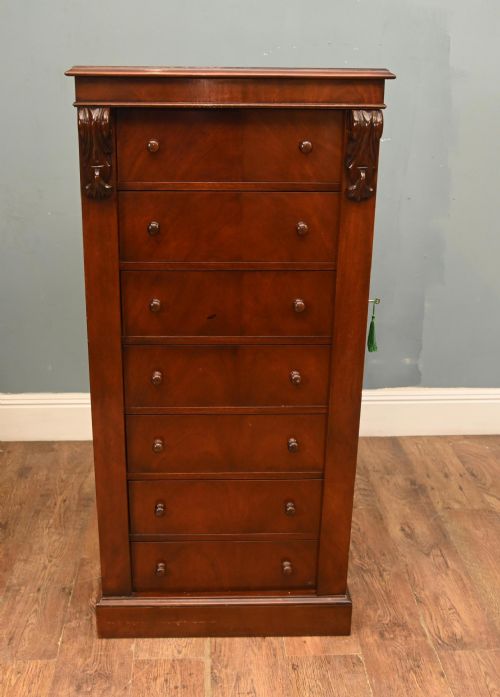
The version most commonly encountered on this page is constructed from dense hardwoods like mahogany and walnut, frequently featuring carved detail around the capital and base. Buyers select these items to create height and architectural focus for sculpture or decorative vessels.
How they were made
Makers utilised solid timbers such as mahogany, oak, and walnut, alongside decorative stones including marble, alabaster, and Derbyshire alabaster. Turning on a lathe formed the central shafts, while hand chiselling produced the leaf motifs, fluting, and figural carvings.
Stone columns relied on masonry techniques to shape verde antico and other marbles into smooth, uniform shafts. Joinery for wooden pedestals involved secure internal pegging and heavy base plates to support the weight of heavy statuary without tipping.
The listings combine timber specimens including mahogany, walnut, burr walnut, oak, amboyna, and pine with stone materials like marble and alabaster.
What varies in quality
The standard of carving sets apart the finer examples, where crisp relief work and deep undercut details demonstrate the sculptor's skill. Simple turned wood columns sit at the utilitarian end of the scale, whilst intricately carved limewood, amboyna, or figured walnut represent the upper tier.
Carl Kauba·Bright And Sons
The Victorian Carved Plinth Glossary
- Plinth
- The heavy block or base upon which a column, pedestal or sculpture rests. It provides a stable foundation and visually grounds the raised object.
- Pedestal
- An upright architectural support used to elevate a bust, vase or figure. These pieces often feature a capital at the top and a defined plinth at the base.
- Verde Antico
- A dark green serpentine marble prized for its mottled appearance. It frequently appears in classical columns and Italian decorative supports.
- Alabaster
- A fine grained, translucent stone used for carving decorative columns and sculptural figures. Its softness allows for delicate detail work.
- Capital
- The uppermost member of a column or pedestal, sitting directly beneath the supporting surface. Carved foliage and scrollwork often decorate this section.
Victorian Carved Plinth: Frequently Asked Questions
What holds a heavy marble bust?
Solid mahogany, oak, and stone columns provide the necessary structural stability for heavy stone and bronze sculptures.
Their wide base plates prevent tipping when supporting concentrated top weight.
How do I clean carved wood?
Dust intricate carvings gently with a soft brush to prevent dirt accumulation in the recesses.
Avoid liquid polishes that build up within the carved details over time.
Where should I place a column?
Position freestanding columns in corners or against blank walls to create focal points for display items.
Ensure the floor surface is level to keep tall stone and timber shafts secure.
How do I spot solid marble?
Examine the surface for natural veining patterns and cold tactile feedback distinctive of stone.
Inspect the edges to confirm the material does not reveal a painted or veneered core.