



Carved Walnut Plant Pedestal
A carved walnut plant pedestal elevates greenery with solid timber and sculptural detail, bringing architectural height to any room.
Carved Walnut Plant Pedestal
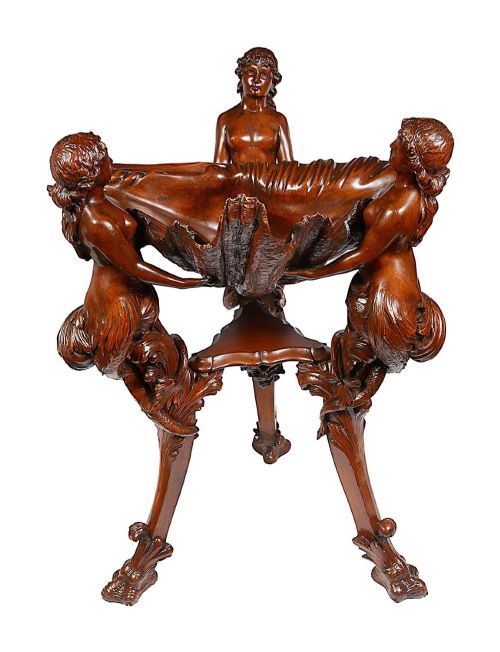
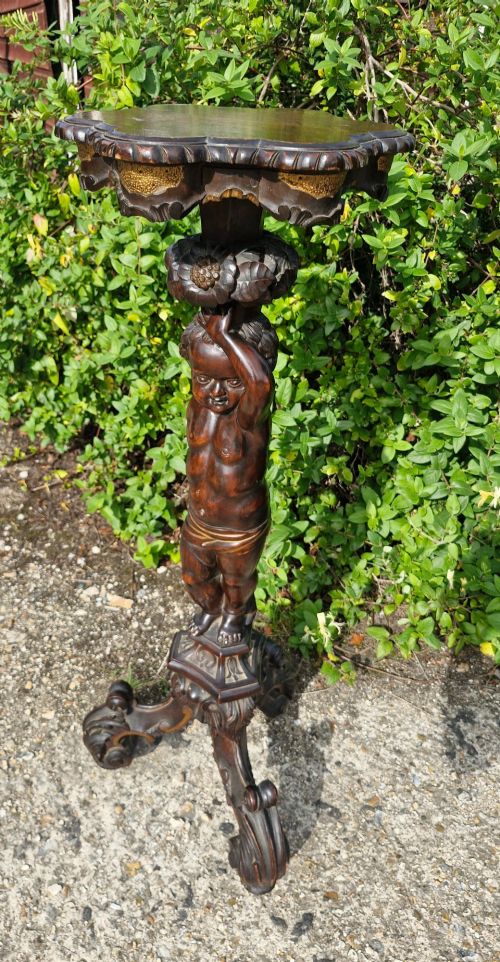
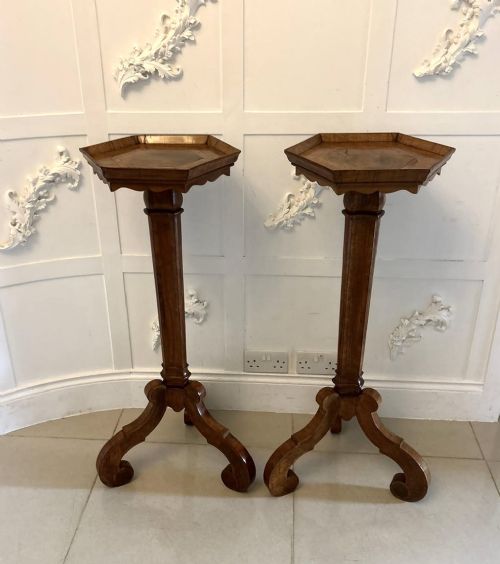
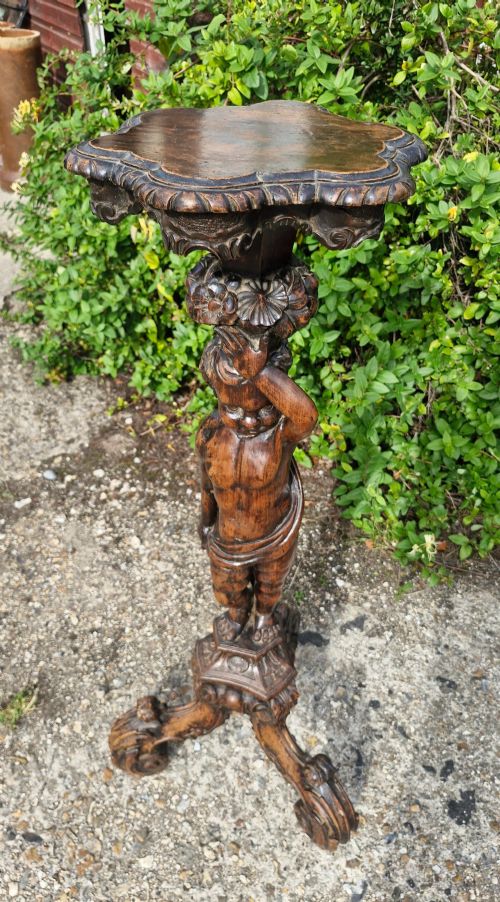
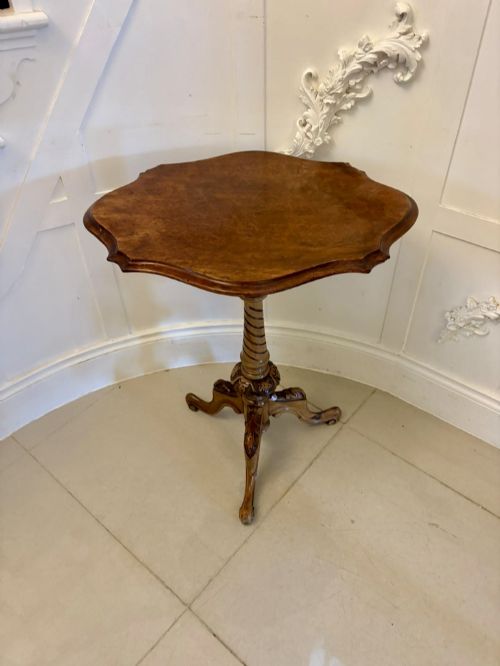
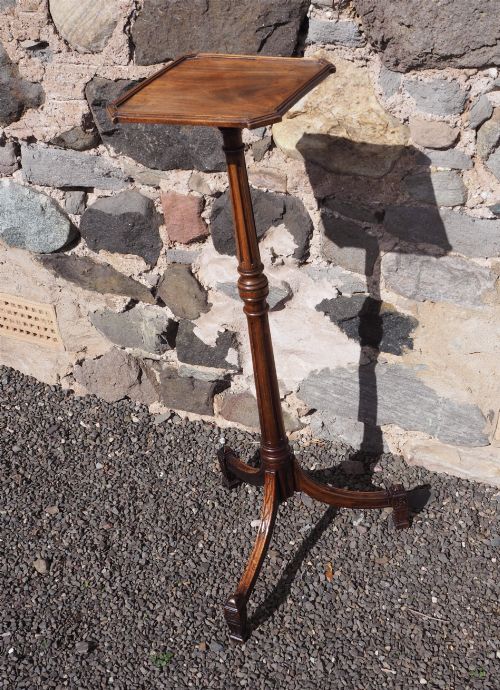
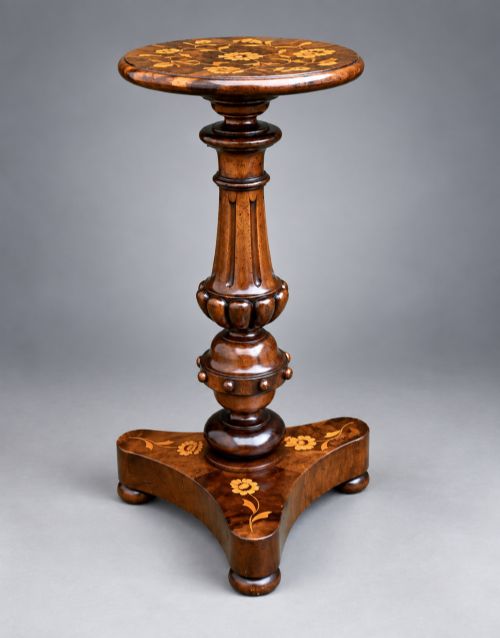
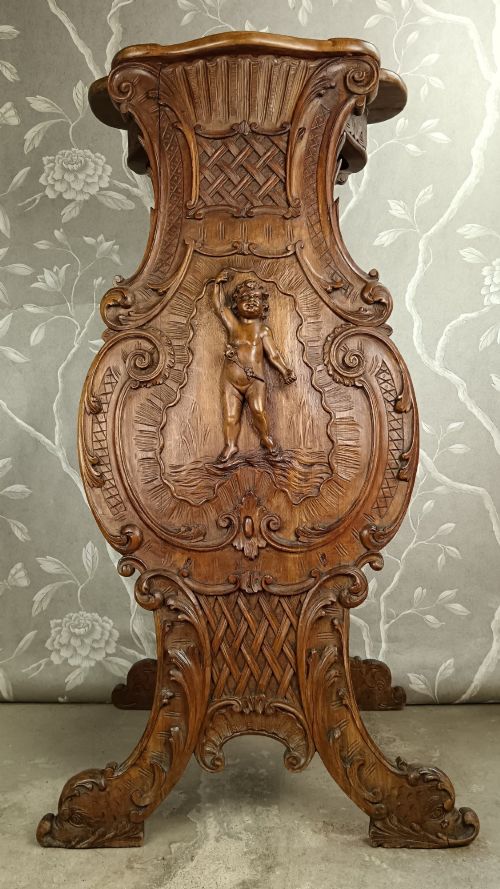
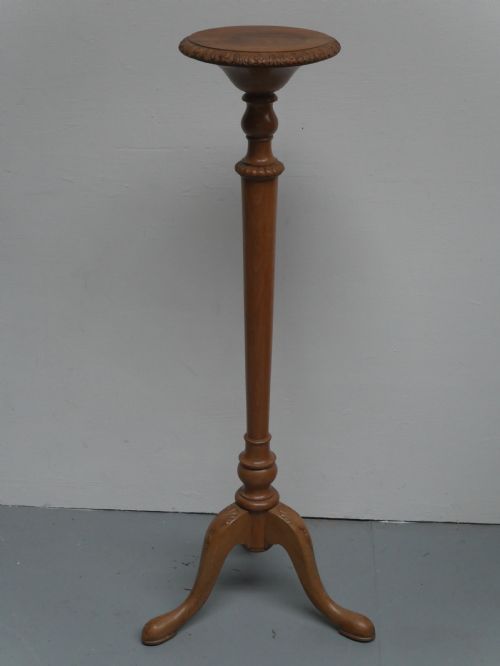
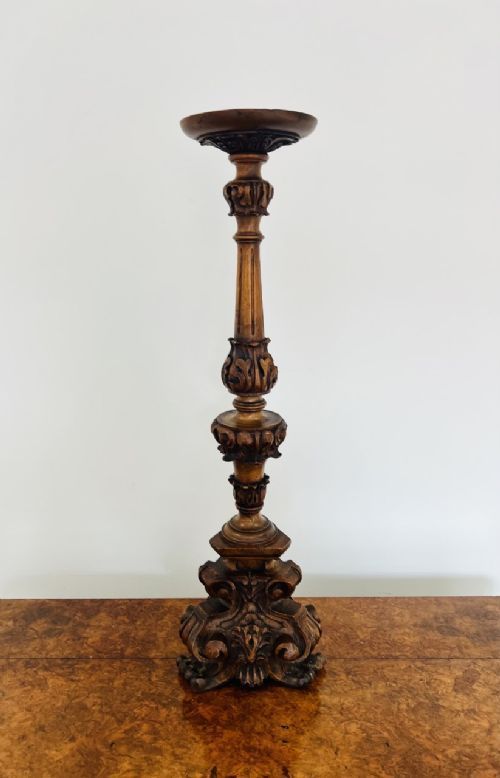
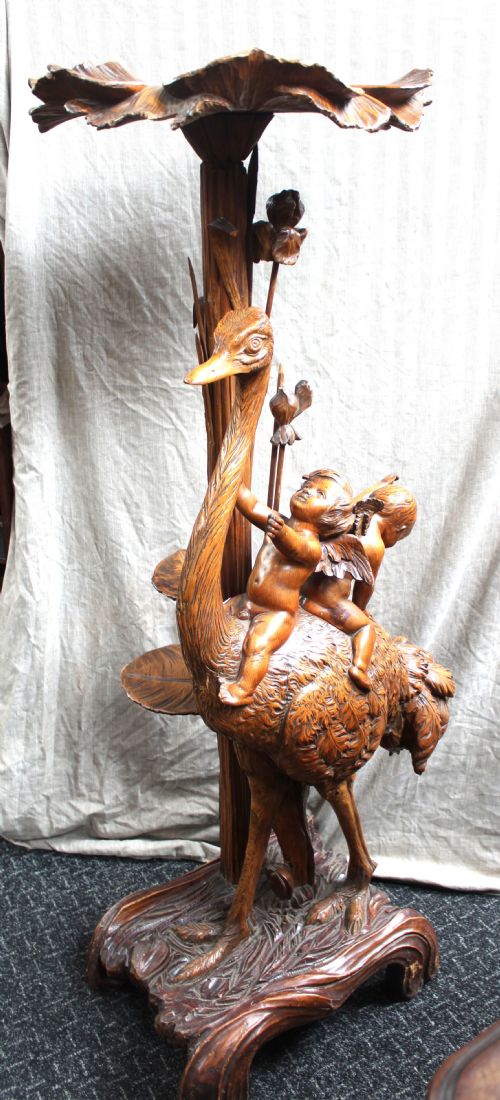
A carved walnut plant pedestal provides an elevated surface for indoor greenery, taking the form of tall columns, torchieres, and jardiniere stands. When searching for a carved walnut plant pedestal, buyers encounter Victorian, Edwardian, and nineteenth-century examples alongside Italian Renaissance Revival and French Rococo designs.
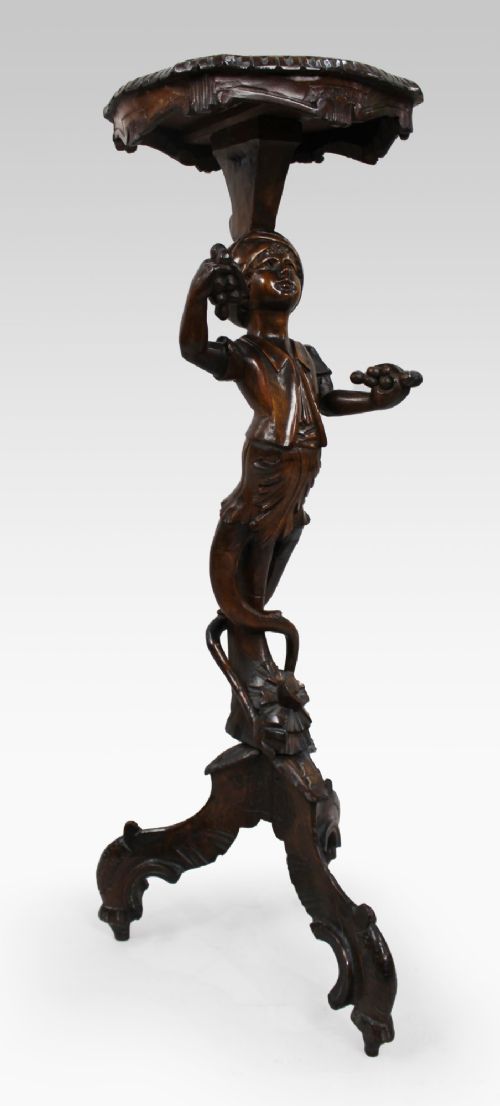
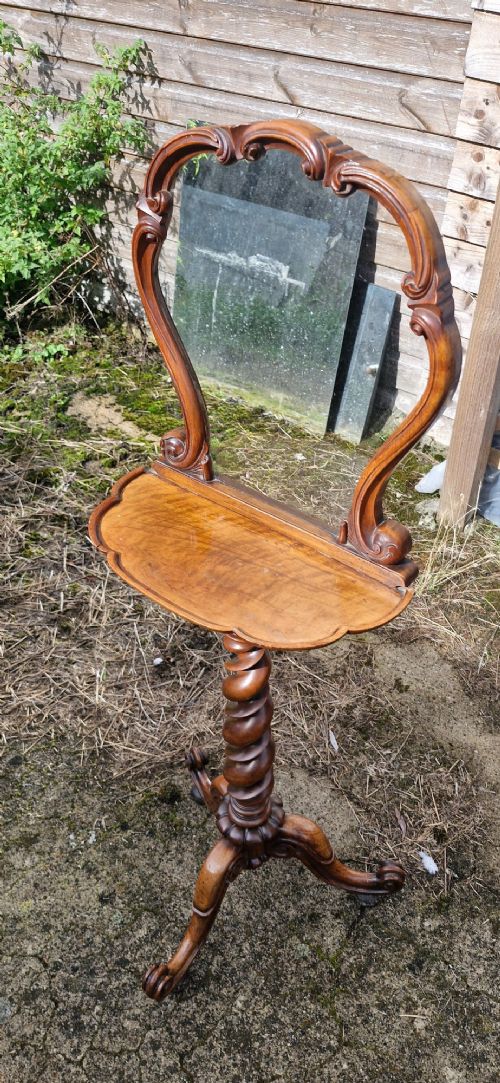
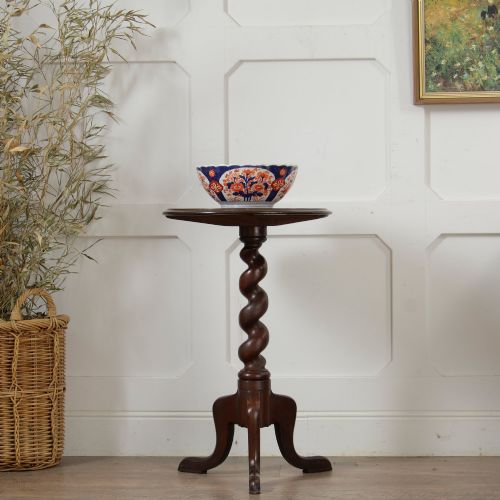
These stands function as display pieces for plants, urns, and lamps rather than heavy dining furniture. The selection ranges from slender barley twist columns to figural supports and marble-topped planter tables.
Nineteenth-century items dominate the available choices, reflecting the period's enthusiasm for interior display furniture. Continental workshops produced many of the more ornate carved stands seen in walnut.
What varies in quality
Quality depends upon the crispness of the hand carving and the selection of figured walnut timber. Pieces featuring detailed figural work or sophisticated marquetry sit at the upper end of the range.
The stability of the column and the correct integration of secondary materials, such as inset marble tops or ormolu mounts, determine the overall execution of the piece.
Carved Walnut Plant Pedestal Retail Price Guide 2026
Typical asking prices for carved walnut plant pedestal among the pieces listed under this phrase on Sellingantiques today, from the lower quarter to the upper quarter. They describe what is for sale here now, not the wider market.
One listed nineteenth-century French stand carries a playful nod to automotive luxury in its title.
The Carved Walnut Plant Pedestal Glossary
- Torchere
- A tall, slender stand designed to hold a light or a plant. The form originated in the seventeenth century and remains popular for vertical display.
- Jardiniere
- A decorative container or stand for plants and flowers. These often incorporate waterproof liners or marble inserts to handle damp pots.
- Marquetry
- The art of applying pieces of veneer to a structure to form decorative patterns. Dutch examples frequently employ this technique with various fruitwoods.
- Barley Twist
- A turned furniture leg or column resembling the helical shape of twisted barley. This decorative woodworking technique appears frequently on Victorian supports.
- Ormolu
- Gilded bronze mounts applied to furniture for decoration. French workshops utilised this technique to accent walnut pedestals.
Carved Walnut Plant Pedestal: Frequently Asked Questions
What is a plant pedestal used for?
These stands elevate potted plants, flowers, and decorative urns to improve room sightlines and display greenery at eye level. They also serve as surfaces for small lamps and occasional objects.
Their narrow footprint allows them to fit into corners and hallways where wider tables cannot go.
How do I identify a Victorian pedestal?
Victorian pieces often feature characteristic woodwork like barley twist columns or heavy floral carving in walnut. They date from the nineteenth century and reflect the era's focus on domestic interior decoration.
Examining the construction methods and wood ageing helps confirm the period of manufacture.
Can these stands hold heavy plants?
Most solid walnut pedestals provide sturdy support for standard ceramic and terracotta pots. Designs incorporating heavy marble tops offer additional stability for larger displays.
Checking the width of the base and the connection to the shaft ensures the stand remains secure.
Where should I place a pedestal?
These pieces suit corners, entryways, and empty wall spaces that require vertical architectural interest. Positioning them away from direct heat sources protects the walnut timber from drying out.
Pairing a tall stand with a trailing plant makes effective use of vertical space in a room.