
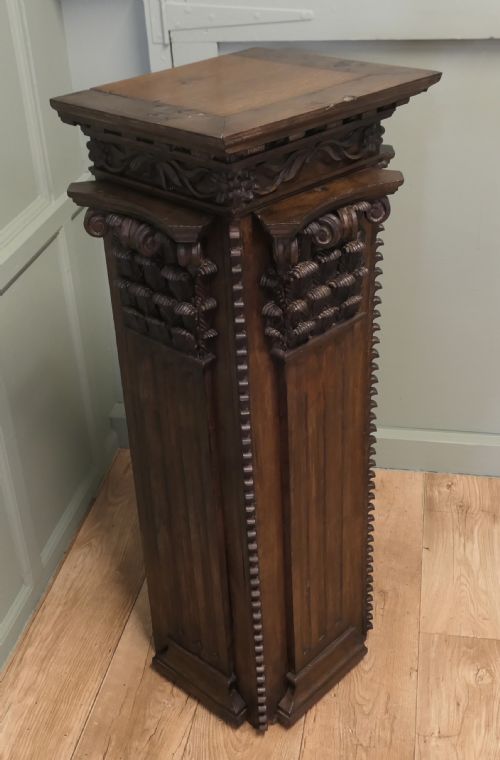
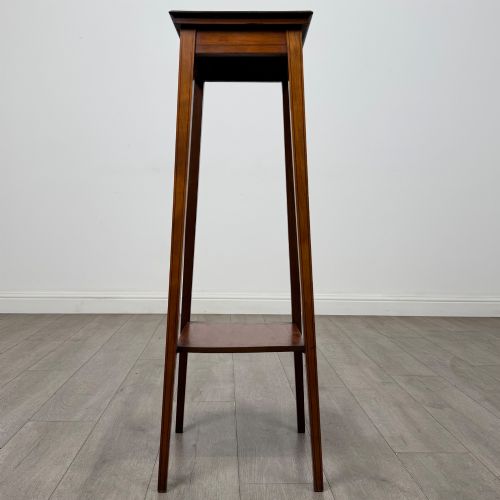
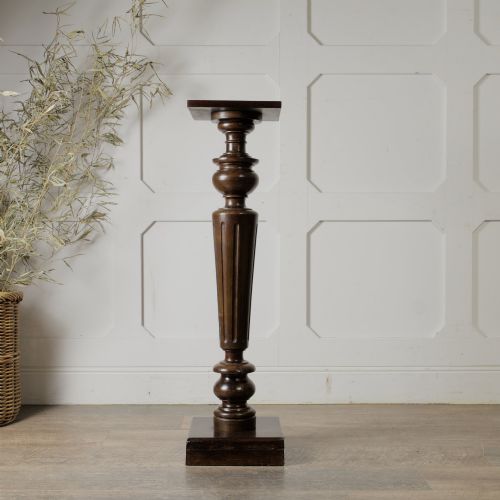
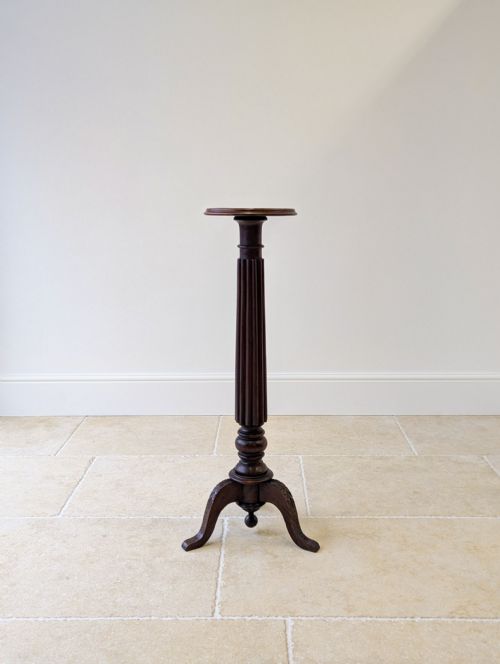

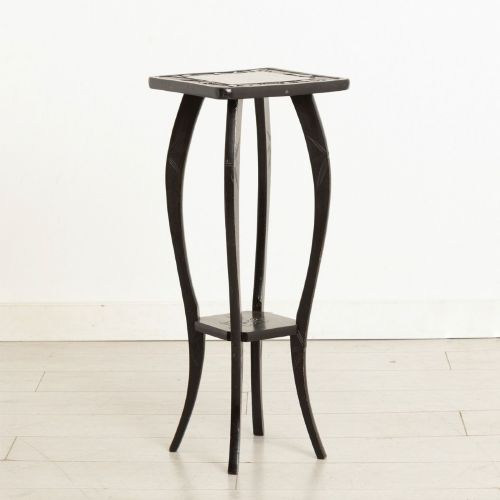
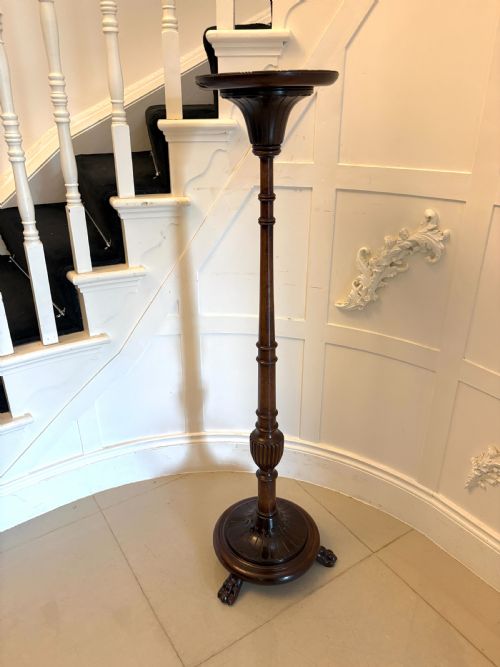
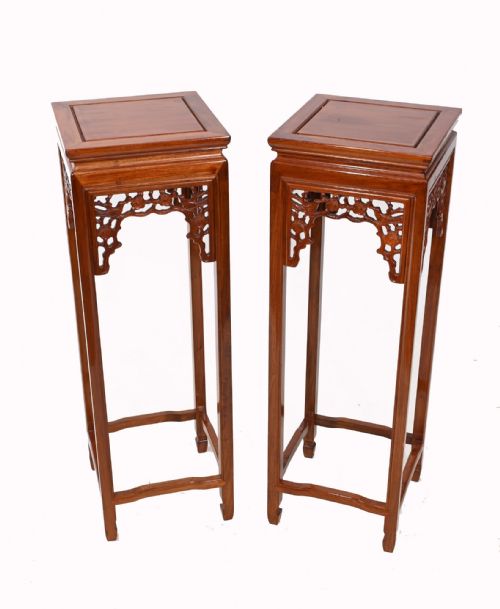
Tall Wooden Display Pedestal
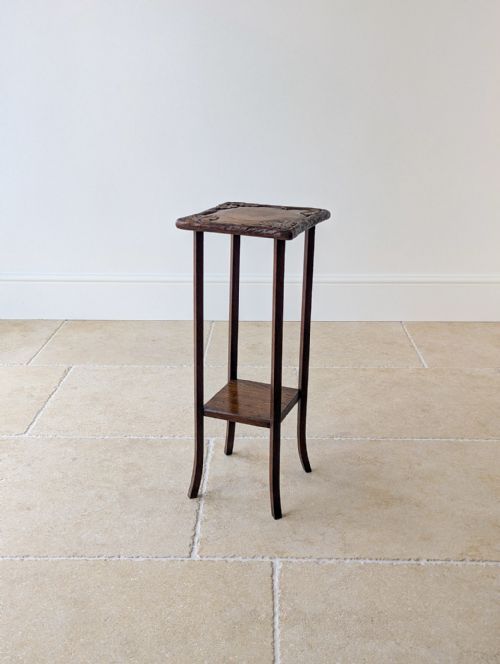
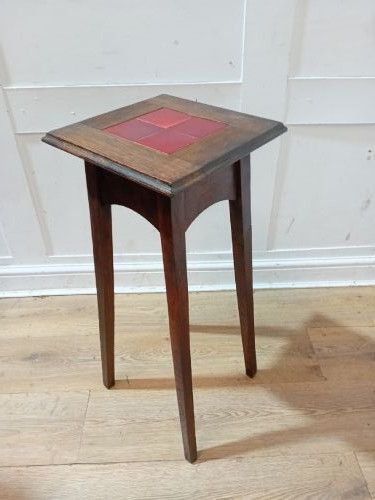
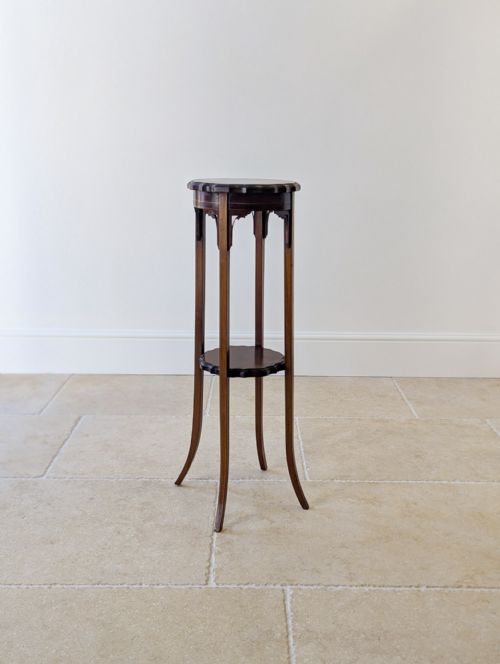
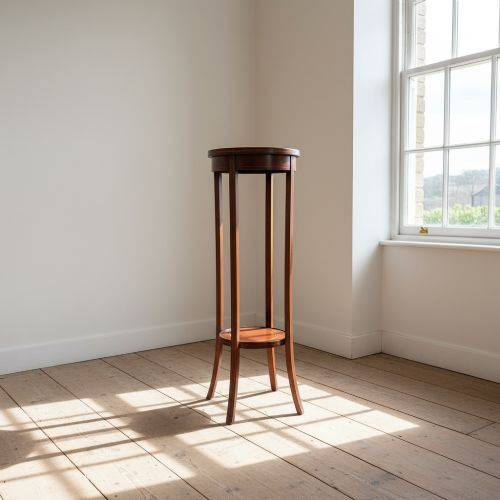
A tall wooden display pedestal elevates a sculpture, vase or plant, bringing form and focus to a corner.
Tall Wooden Display Pedestal
A tall wooden display pedestal serves to elevate decorative objects, plants and busts within a room. When you search for a tall wooden display pedestal, you encounter columns, torcheres, plinths and plant stands spanning several centuries.
The pieces listed here appear in forms such as carved columns, multi-tiered stands and slender torcheres designed for display. These objects originate from periods including the Georgian era, the Victorian decades and the Edwardian years.
Makers and workshops produced these tall stands to support heavy jardinieres, marble-topped vases and art pieces. Mahogany, oak and walnut provide the primary vertical structures found across these examples.
How they were made
Cabinetmakers utilised solid timbers such as mahogany, oak and walnut, often turning them on a lathe to create slender columns and barley twist legs. Hardwood framing supports decorative elements like gesso, brass mounts and inlaid satinwood details.
Surfaces feature hand-carving, French polishing and ebonisation to accentuate the grain of the wood. Certain examples incorporate marble inset tops to withstand moisture from plants and heavy urns.
Listings feature mahogany, oak, walnut, hardwood, marble, gesso, ebonised wood and brass across multiple design periods.
What varies in quality
The standard of a tall wooden display pedestal rests on the selection of timber and the depth of hand-carving on the shaft and base. Superior pieces exhibit crisp joinery, balanced proportions and substantial weight that ensures stability when supporting heavy objects.
Shoolbred·Liberty of London
The Tall Wooden Display Pedestal Glossary
- Torchere
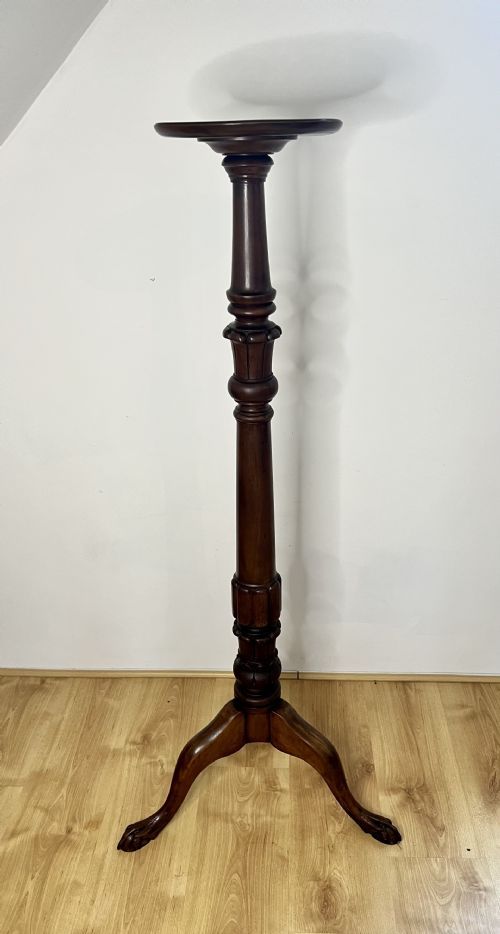
- A tall, slender stand designed to support a lamp, vase or plant. These pieces often feature a small circular top supported by a single turned or carved column.
- Plinth
- A heavy rectangular or square base supporting a column, bust or statue. In furniture terms, it forms the solid foundation beneath a display column.
- Jardiniere
- An ornamental pot or stand intended for holding plants or flowers. These items frequently incorporate waterproof inserts or marble tops.
- Ebonised
- Wood treated with a chemical stain or black finish to imitate ebony. This technique was popular in Victorian and later period furniture for contrast.
- Barley twist
- A cylindrical column carved with a helical spiral resembling a twisted rope. This turning style appears frequently on oak stands from the early twentieth century.
Tall Wooden Display Pedestal: Frequently Asked Questions
What is a tall wooden display pedestal used for?
These pieces elevate sculptures, vases, busts and plants to optimal viewing heights within an interior space. They draw the eye upward and utilise vertical corners effectively.
Historically, homeowners placed them in reception rooms and hallways to display valued decorative items. Today, they serve a similar purpose in domestic and gallery settings.
Which woods are most common in these pieces?
Mahogany, oak and walnut dominate the construction of these stands across the Georgian, Victorian and Edwardian eras. Cabinetmakers selected these hardwoods for their structural strength and rich grain patterns.
Secondary timbers include birch and satinwood, occasionally enhanced with ebonised finishes or brass components. Each wood reflects the prevailing taste of its specific manufacturing period.
How do I date a wooden display pedestal?
Dating relies on examining the timber species, construction methods, turning styles and decorative motifs such as inlay or hand-carving. Georgian pieces display classical restraint, while Victorian examples often feature heavier carving and walnut.
Edwardian and later twentieth-century stands frequently show Sheraton revival influences or arts and crafts simplicity. Comparing the turned columns and joinery to known period examples clarifies the age.