


Carved Walnut Hallway Table
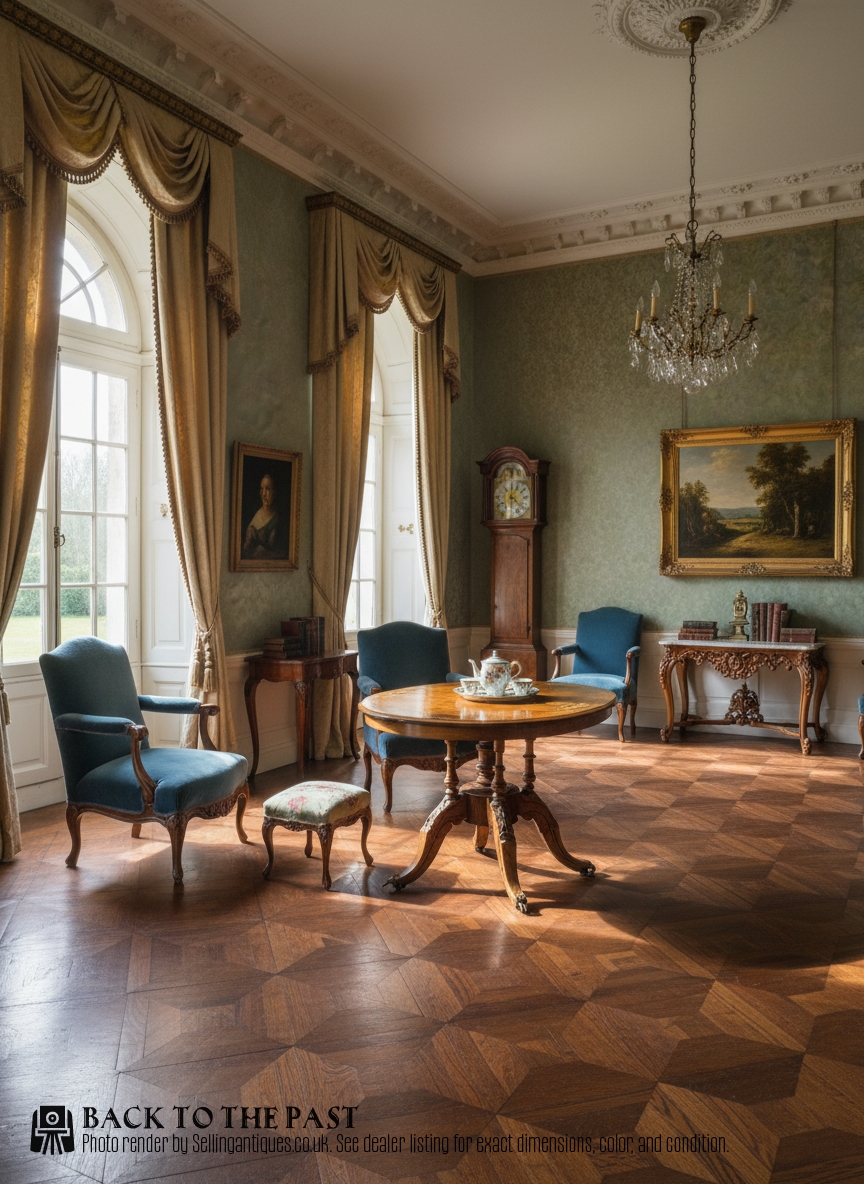
A carved walnut hallway table brings rich timber grain and period presence straight to an entrance.
Carved Walnut Hallway Table
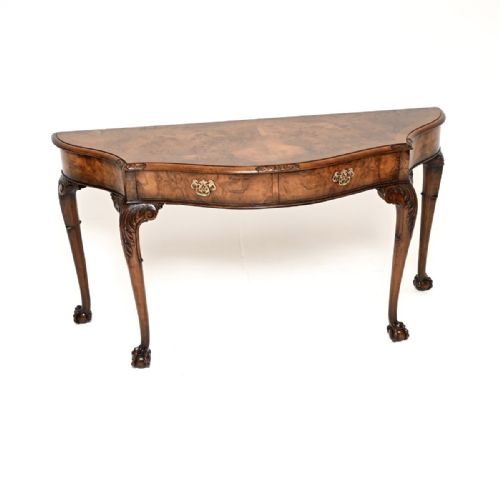
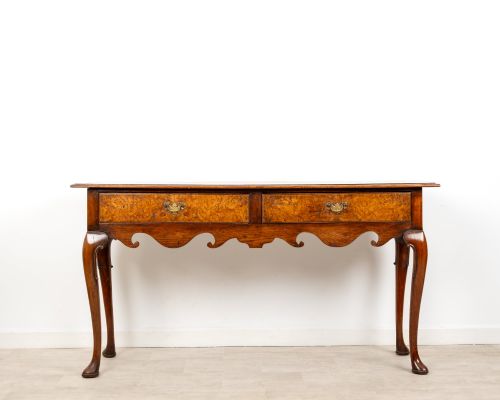
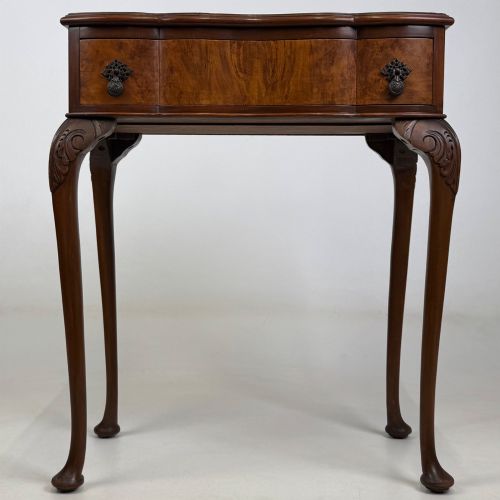
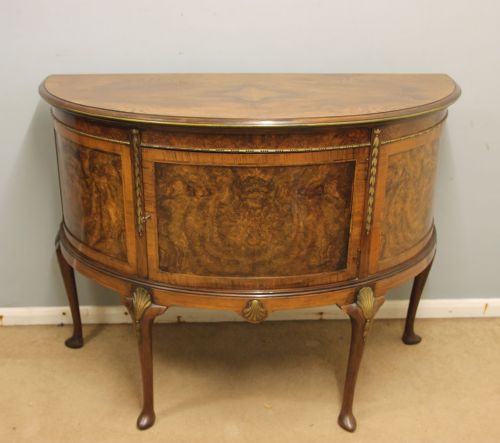
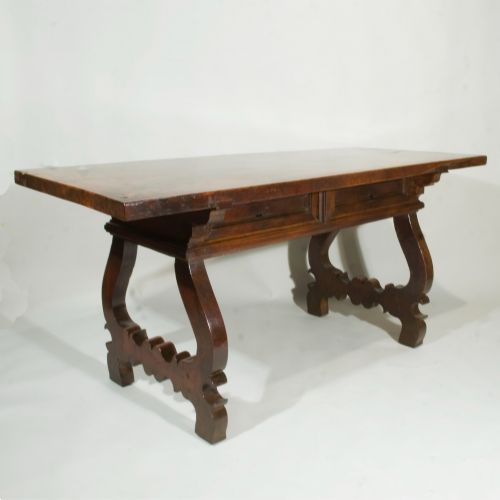
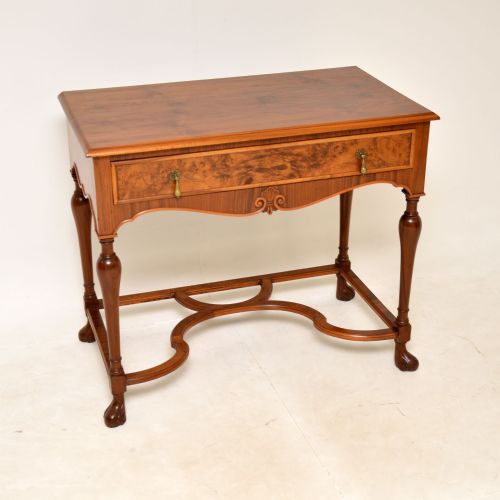
A carved walnut hallway table serves as a striking focal point in an entrance space, combining practical surface area with decorative presence. These pieces appear in forms such as console tables, side tables, serving tables, and lowboys.
The selection ranges widely across periods, including pieces from the seventeenth, eighteenth, nineteenth, and twentieth centuries. Buyers frequently encounter revival styles like Queen Anne, alongside Victorian, Edwardian, and continental designs.
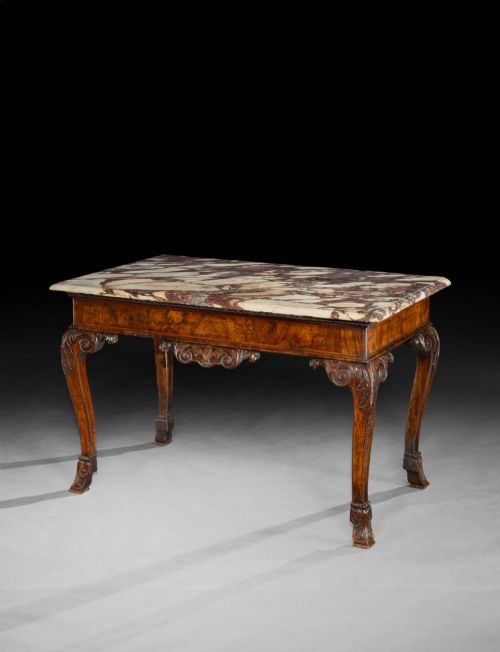
Origin and form dictate the exact silhouette, varying from marble-topped console tables to narrow demi-lune side cabinets and stretcher tables. Each configuration provides a distinct way to furnish a narrow passage or reception hall.
Assessing quality and craftsmanship
The depth and crispness of the hand-carving separate standard production pieces from exceptional examples. Superior items display meticulous attention to detail in floral motifs, scrollwork, and structural mouldings.
Selection of the timber significantly influences overall merit, with highly figured burr walnut veneers commanding greater attention than plain stock. The integrity of the marble tops, brass mounts, and original drawer linings also marks the distinction between ordinary and superior grades.
Carved Walnut Hallway Table Retail Price Guide 2026
Typical asking prices for carved walnut hallway table among the pieces listed under this phrase on Sellingantiques today, from the lower quarter to the upper quarter. They describe what is for sale here now, not the wider market.
Several pieces include tilt-top mechanisms, ready for a sudden medieval banquet or an impromptu nineteenth-century card game.
Maple and Co
The Carved Walnut Hallway Table Glossary
- Console table
- A table designed to be fixed against a wall, frequently supported by front legs with the rear fastened to the structure.
- Burr walnut
- A prized timber veneer taken from the wart-like growths on walnut trees, yielding highly swirling and intricate grain patterns.
- Demi-lune
- A half-moon shape used for tabletops and cabinet fronts, allowing pieces to sit flush against an entrance wall.
- Lowboy
- A small oak or walnut table with drawers, typically dating from the seventeenth or eighteenth century and raised on relatively tall legs.
- Ormolu
- Gilded bronze ornamentation applied to furniture mounts, popular in continental and revival designs.
Carved Walnut Hallway Table: Frequently Asked Questions
Where should I place a carved walnut hallway table?
These tables suit narrow entrance halls, corridors, and landings where surface space is needed without blocking foot traffic. Their decorative fronts and carved details work well against plain or panelled walls.
Pairs of serving tables or console tables can also anchor larger reception spaces, providing symmetry and balance to an interior scheme.
How do I care for antique walnut furniture?
Maintain walnut surfaces by dusting regularly with a soft, dry cloth and avoiding silicone-based polishes. Keep the timber away from direct heat sources and strong sunlight to prevent the veneers from drying out or fading.
Occasional application of appropriate wax feeds the wood and preserves the natural lustre of the grain over time.
What is the difference between a console and a side table?
Console tables traditionally rely on the wall for some degree of support or stand flat against it with decorative front legs. Side tables are free-standing items designed to be positioned against any wall in a room.
In modern usage, the terms frequently overlap, particularly when describing antique hallway furniture.
How can I identify a Queen Anne style table?
Queen Anne style pieces typically feature cabriole legs that curve outward at the knee and taper inward to pad or hoof feet. The decoration is often restrained, relying on the warmth of the walnut timber rather than heavy carving.
Revival versions from the Edwardian era and the early twentieth century adopted these classic eighteenth-century proportions.