
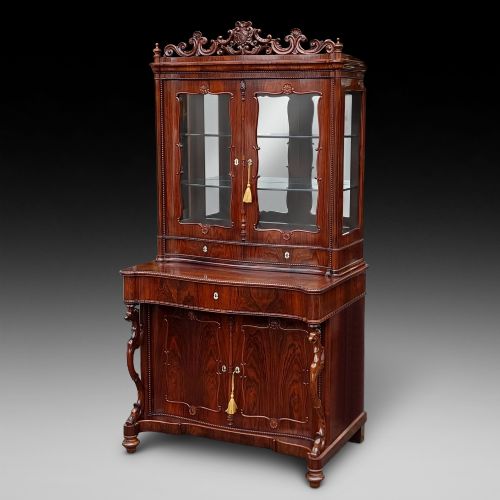
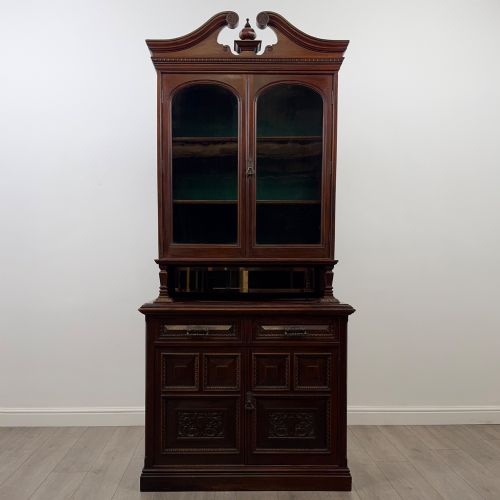
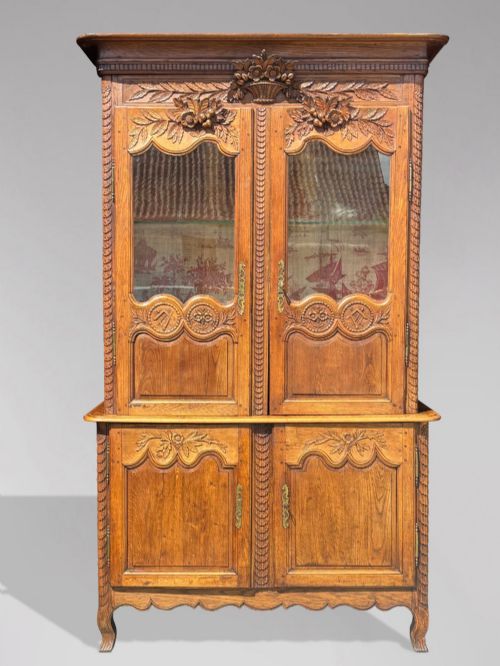
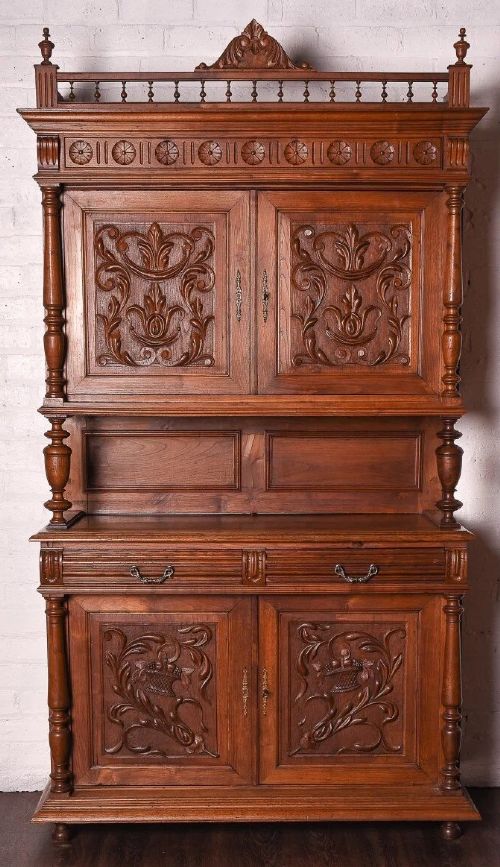





Carved Two Tier Cabinet
A carved two tier cabinet brings tactile depth and structured display to a room, offering distinct shelving levels alongside closed storage.
Distinguishing quality across examples
Quality rests in the crispness of the hand carving, the selection of timber figures, and the structural integrity of the tiered junctions. Superior examples display deeply chiselled ornamentation that remains sharp and intentional, rather than softened or mechanically replicated.
The cohesion of the design elevates finer pieces, where secondary woods are chosen with care and internal drawer linings match the quality of the exterior facade. Lesser examples show mismatched grain patterns or utilitarian secondary timbers that lack the deliberate harmony found in higher-grade workshop output.
Holland & Sons
The Carved Two Tier Cabinet Glossary
- Buffet deux corps
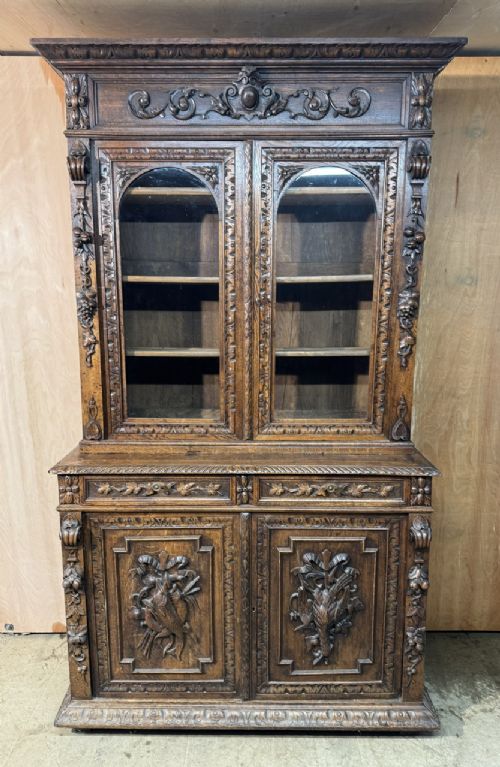
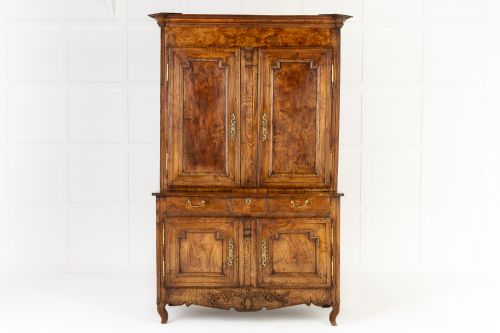
- A large two-part cupboard, typically originating from France, featuring a lower cabinet base beneath an upper storage section. These monumental pieces often incorporate detailed panel carving and extensive internal shelving.
- Deuddarn
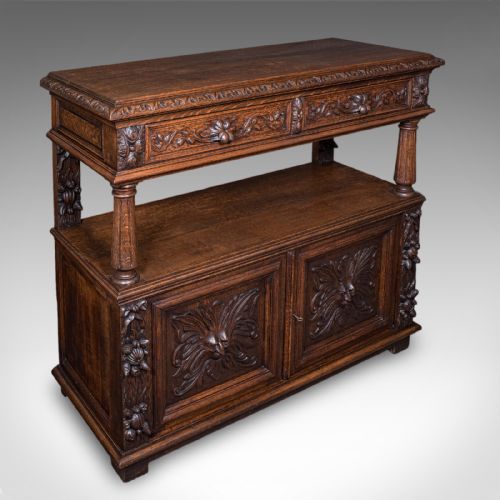
- A traditional Welsh traditional two-tier cupboard or press, usually constructed from local oak. The upper tier is supported by turned or carved posts above a lower chest section.
- Chiffonier
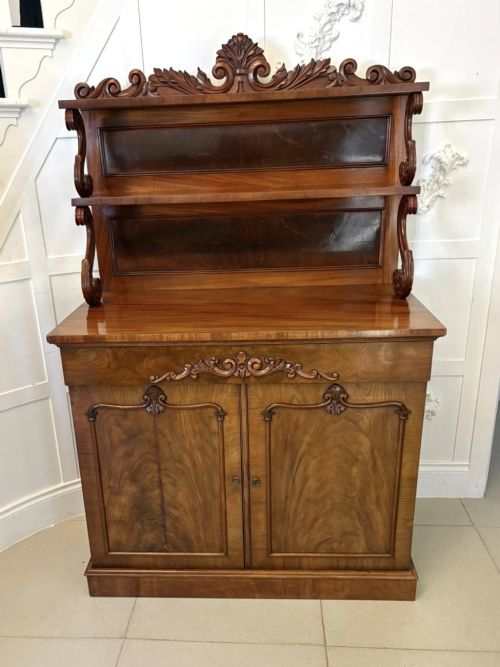
- A low Victorian sideboard or cabinet, frequently equipped with a raised tiered superstructure or shelf supported by scroll brackets. It serves as a compact storage and display unit for the parlour.
- Marquetry
- The art of applying decorative pieces of veneer to a structure to form intricate pictorial designs or geometric patterns. Makers utilised contrasting timbers like satinwood and walnut to achieve varied tones.
- Astragal glazed
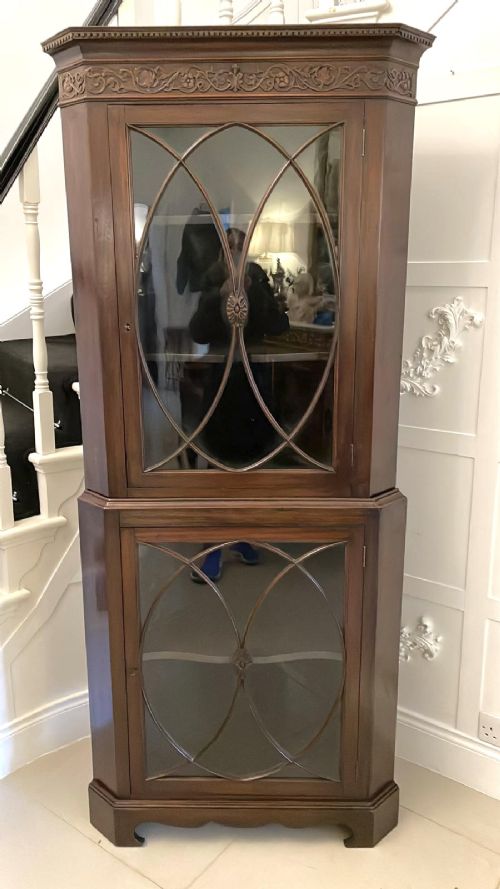
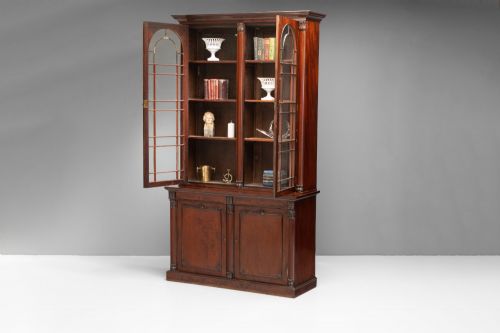
- A method of securing glass panes within a cabinet door using thin wooden or brass framing bars. This technique creates a grid pattern that divides the window into smaller lights.
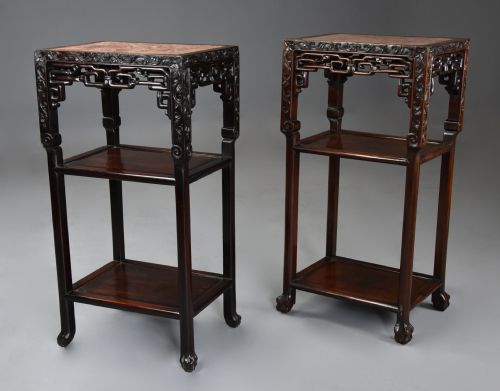
Listings feature regional variations ranging from Welsh oak deuddarns and Scottish servers to French walnut buffet deux corps and Chinese hardwood pot stands.
Carved Two Tier Cabinet: Frequently Asked Questions
What is a carved two tier cabinet?
A carved two tier cabinet is a piece of furniture featuring distinct vertical levels, combining display surfaces or open shelves with enclosed storage compartments below. These tiered forms allow for both decorative presentation and practical containment within domestic spaces.
Craftsmen across different centuries utilised this format to maximise vertical wall space while introducing carved wooden ornamentation, panel work, and architectural proportions to the room.
How were these cabinets used historically?
Historically, these tiered storage units served multiple domestic functions depending on their regional origin and scale. In dining spaces and country houses, they held tableware, provisions, or linens, while smaller variants functioned as display surfaces for prized objects.
The upper tiers and open shelves provided accessible display areas for ceramics or books, while the lower cupboards kept household items secure and out of sight.
How do I style a tiered cabinet at home?
Living with a carved two tier cabinet involves balancing the visual weight of the timber with curated objects on the display levels. Utilise the open tiers for books, ceramics, or botanical specimens while keeping the heavier closed base anchored against a primary wall.
Allow the natural grain and carved details to remain the focal point by keeping surrounding decor complementary rather than competing with the period aesthetic.
How can I tell the period of a cabinet?
Differentiating periods relies on observing the timber choices, construction joinery, and stylistic motifs present in the carving. Earlier 18th-century examples frequently feature heavy regional oak framing and pegged joinery, whereas 19th-century pieces often showcase exotic veneers, revival styles, and machine-assisted precision.
Examining the secondary woods inside drawers and the style of the hardware provides further clues to the manufacturing era and regional workshop traditions.