

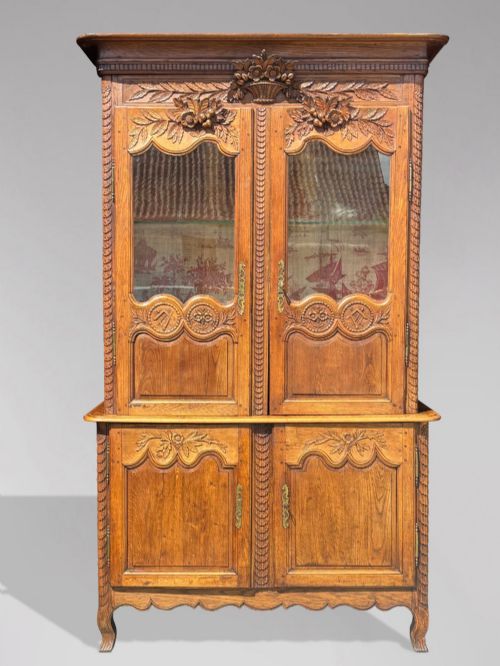
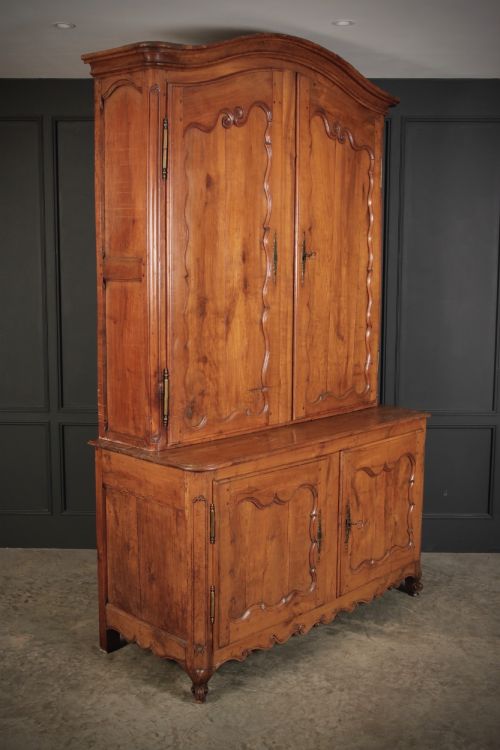
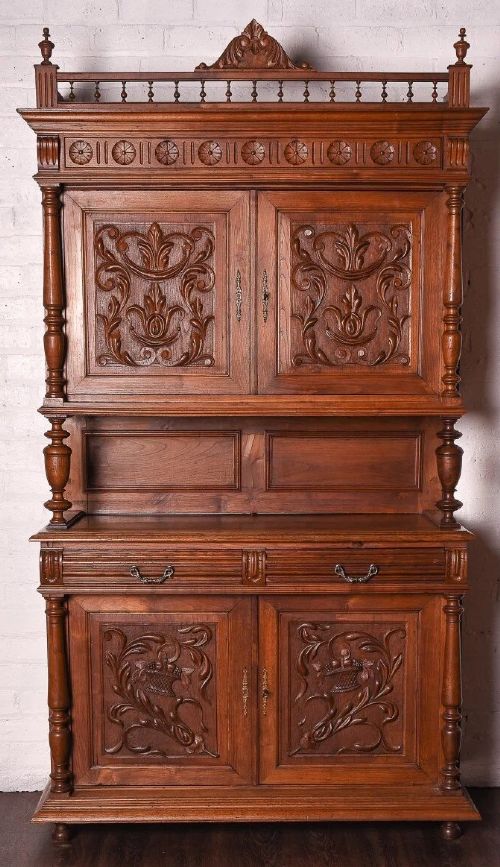
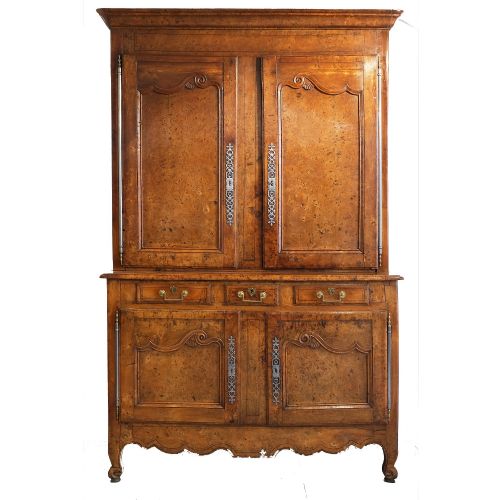
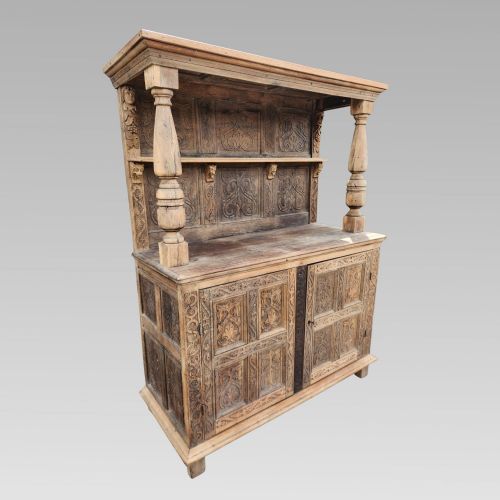


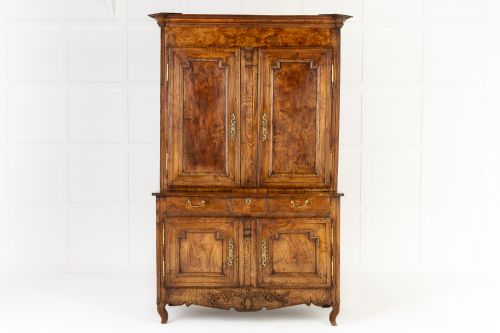


Cabinet a Deux Corps
A cabinet a deux corps brings architectural presence and grand storage to a room through its classic two-tiered French design.
Cabinet a Deux Corps
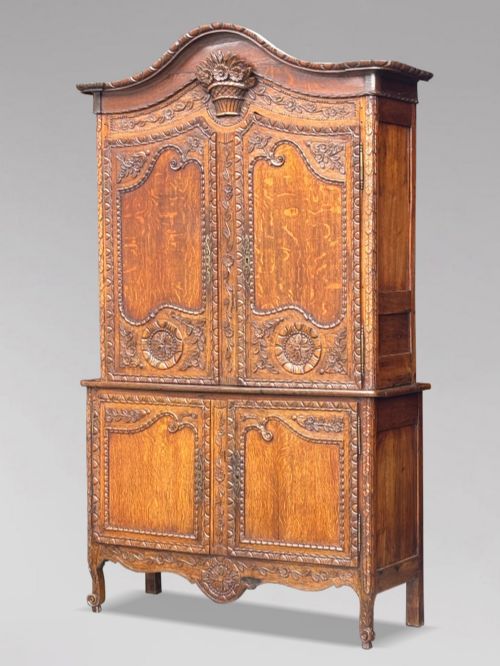
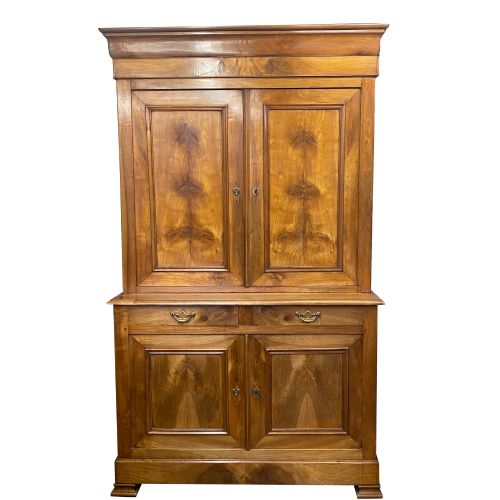
When you search for a cabinet a deux corps, you encounter substantial two-part storage pieces originating from France, spanning the eighteenth and nineteenth centuries. These items combine a lower cupboard section with a matching upper body, creating a towering profile designed for substantial storage and display.
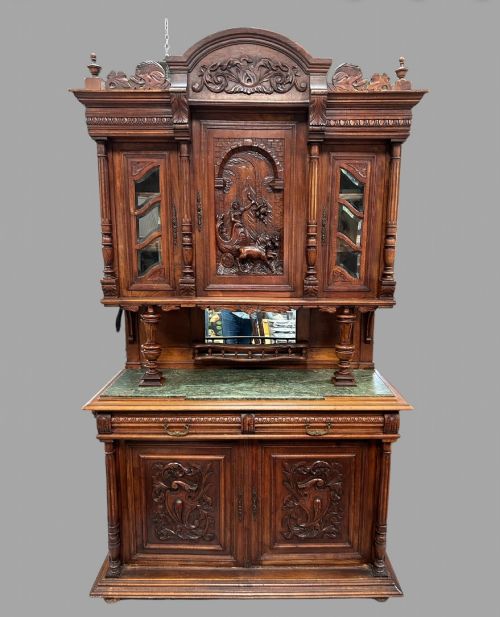
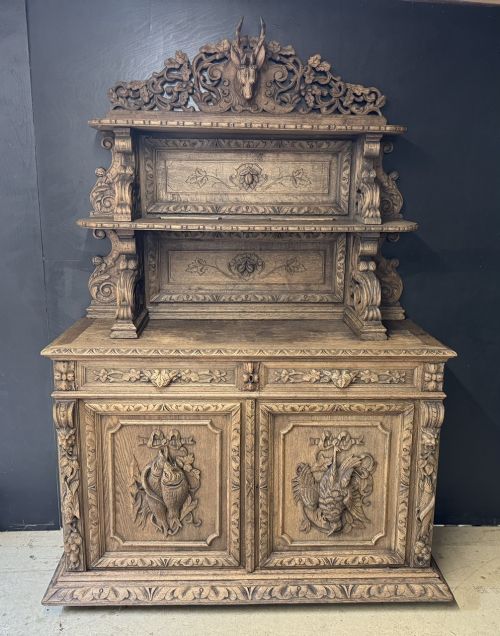
The versions most commonly met on this page are constructed from oak, walnut, ash, and cherry wood, reflecting regional French cabinet-making traditions such as French Provincial, Louis XV, and Breton styles. They frequently appear as housekeeper cupboards, vitrines, and hunting sideboards, combining enclosed shelving with display capacity.
How they were made
These pieces are built from solid timbers including oak, walnut, ash, elm, and cherry wood, often featuring panelled construction and carved ornamentation. Structural stability in these heavy two-part forms relies on traditional joinery methods suited to large French cupboards.
Metal hardware such as brass and iron hinges, locks, and handles secure the heavy doors of both upper and lower sections. Certain examples incorporate glass panels in the upper tier for display purposes, alongside painted wood finishes on select provincial models.
Cabinet a Deux Corps Retail Price Guide 2026
Typical asking prices for cabinet a deux corps among the pieces listed under this phrase on Sellingantiques today, from the lower quarter to the upper quarter. They describe what is for sale here now, not the wider market.
Listings feature oak, walnut, ash, elm, cherry, and pitch pine, spanning the eighteenth century through the Victorian era.
What varies in quality
Quality in these large two-tier cupboards rests upon the selection of timber and the depth of the carving. Finely figured walnut and dense older oak display sharper hand-chiselled details on the panels compared to simpler provincial interpretations.
Proportion and the integration of the upper and lower sections dictate the visual success of the piece. Superior examples maintain balanced scale between the deeper base and the recessed upper cabinet, often retaining original brass or iron hardware and fitted internal shelving.
The Cabinet a Deux Corps Glossary
- Cabinet a deux corps
- A traditional French two-part cupboard featuring a large lower section surmounted by a slightly smaller upper cabinet. This architectural form maximises vertical storage space in grand dining rooms and kitchens.
- Buffet de corps
- A large French sideboard or cupboard closely related to the two-tiered cabinet format. It typically provides extensive storage behind panelled wooden doors.
- Vitrine
- A glass-fronted display cabinet used for showing porcelain and glassware. In these two-part pieces, the vitrine section usually forms the upper tier.
- Breton style
- A regional decorative tradition originating from northwestern France, characterised by robust oak construction and figurative carvings. Pieces in this style often depict traditional local scenes and motifs.
Cabinet a Deux Corps: Frequently Asked Questions
What is a cabinet a deux corps used for?
These tall pieces serve as primary storage and display units for dining rooms, kitchens, and large living spaces. The divided structure allows crockery, linen, and provisions to be kept out of sight below while displaying decorative objects above.
The substantial capacity makes them practical for modern homes needing significant vertical storage without sacrificing traditional decorative character.
How do I distinguish eighteenth-century pieces from nineteenth-century ones?
Eighteenth-century examples often exhibit hand-carved details integrated directly into the solid oak or walnut framing, reflecting regional French joinery traditions. Timber patination tends to show deeper warmth and wear acquired over extended use.
Nineteenth-century interpretations, including revival styles, frequently display heavier, more machine-assisted moulding and occasionally incorporate softer woods or pitch pine alongside traditional oak.
Do the two sections separate for transport?
Yes, the defining characteristic of these pieces is their two-part construction, separating the upper cabinet from the lower base. This modular design facilitates movement and installation in rooms with standard ceiling heights.
When reassembling, the upper tier simply rests upon the lower buffet, secured by its own substantial weight and internal alignment pins.
What regional styles exist within these listings?
The selection includes French Provincial, Louis XV, French Renaissance Revival, and Breton styles. Each region of France applied distinct carving motifs and proportions to the basic two-tier frame.
Provincial models favour simpler panel work, whereas Breton and Renaissance revival versions showcase figurative carvings and more elaborate pediments.