
Carved Timber Statue
A carved timber statue brings the weight of history and grain directly into a room, shaped by hands that worked centuries ago.

Carved Timber Statue
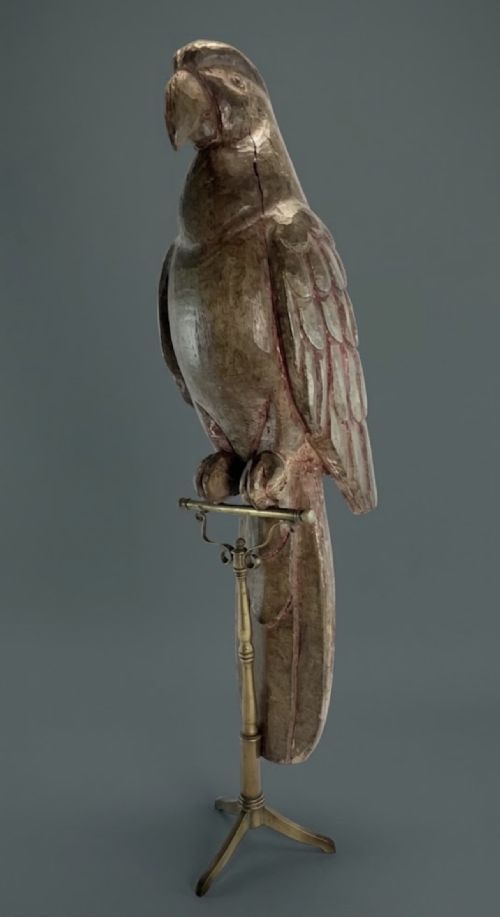
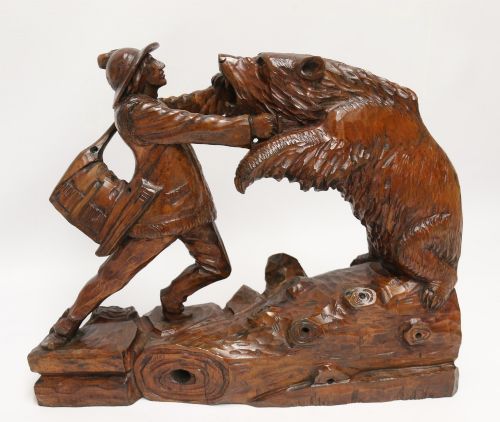
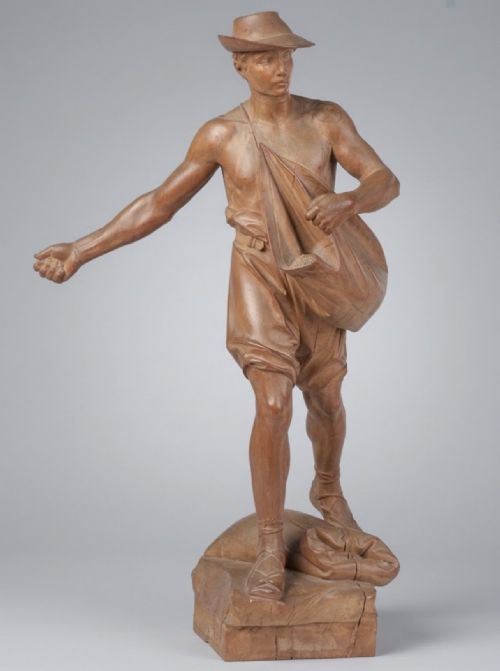
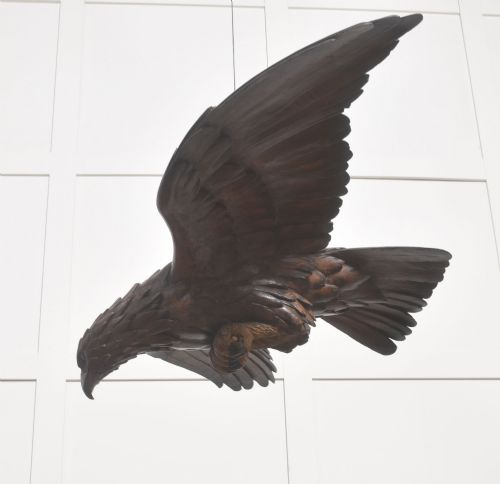
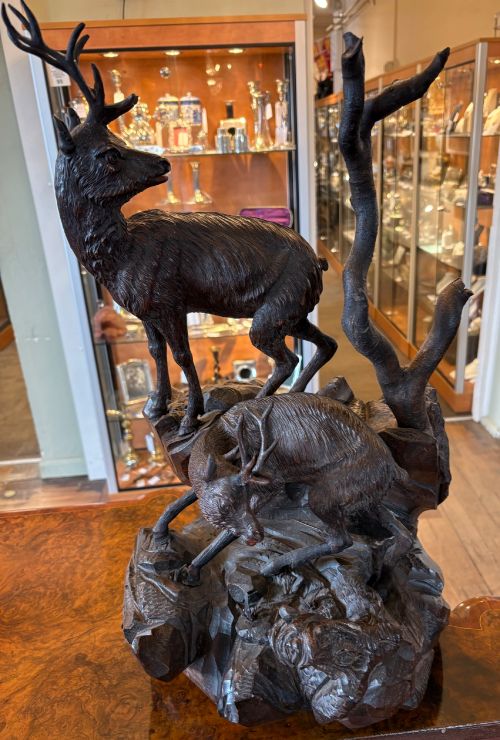
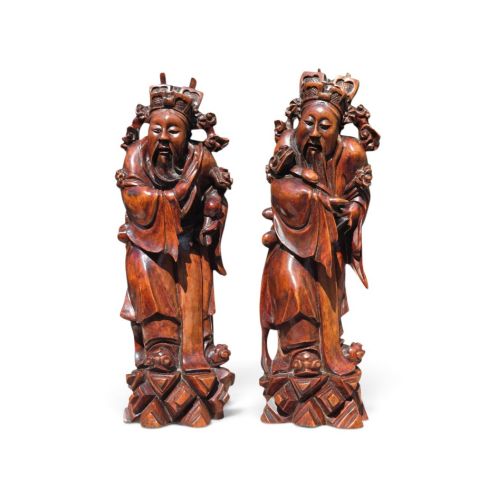
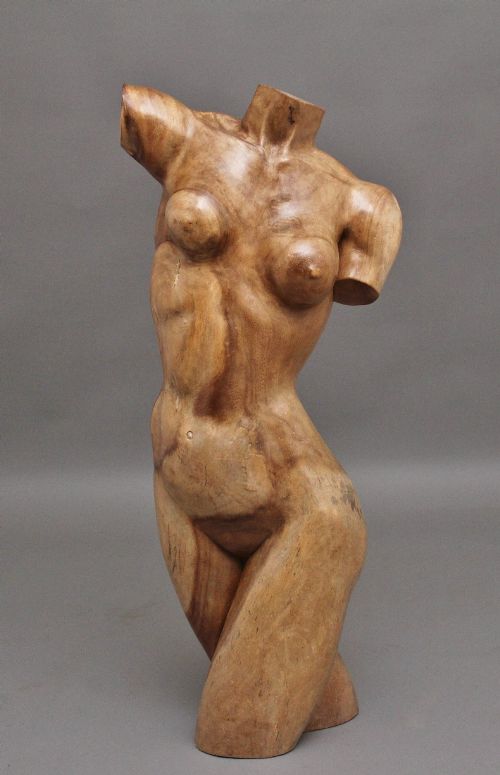
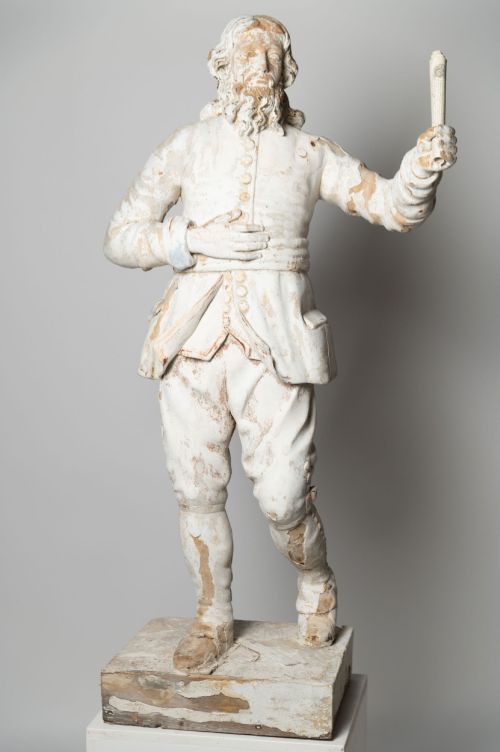
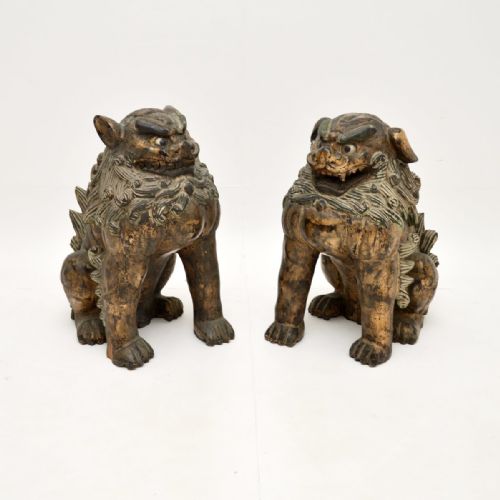
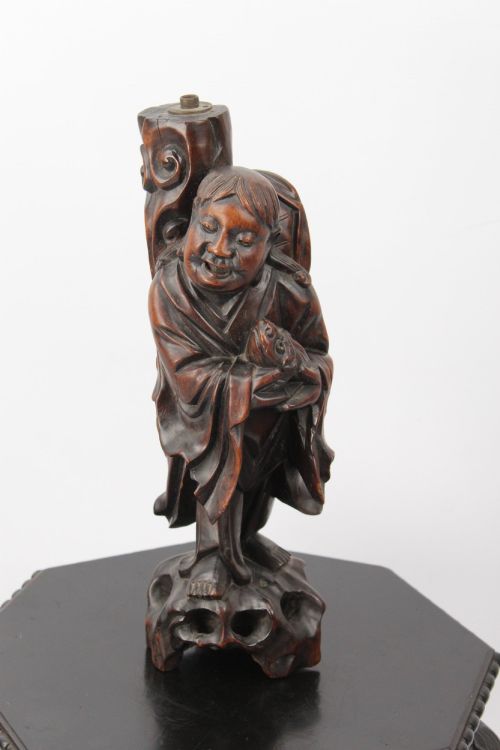
A carved timber statue represents figures, animals, and religious icons shaped from solid wood across several centuries. When searching for a carved timber statue, collectors encounter subjects ranging from sixteenth-century saints to nineteenth-century Black Forest bears and Chinese hardwood immortals.
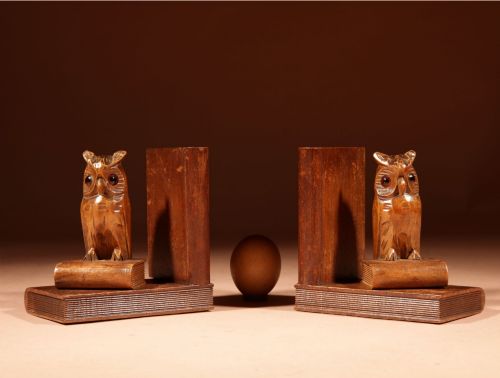
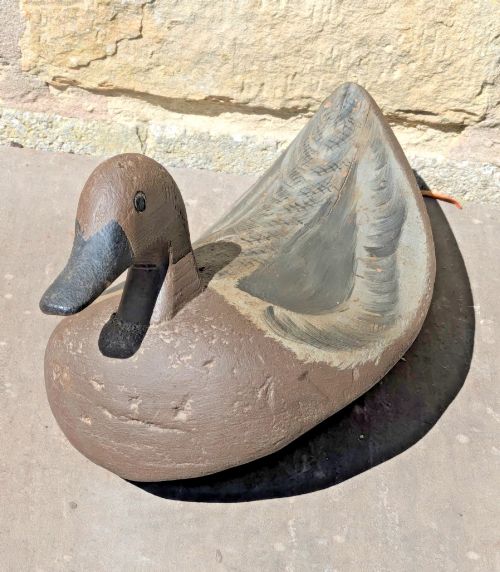
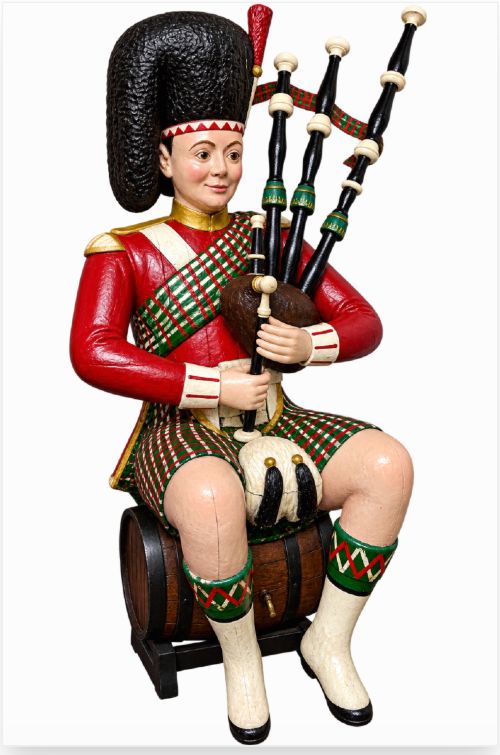
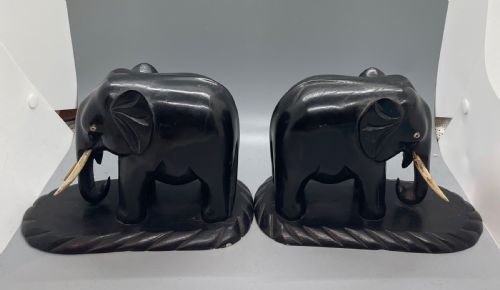
The selection spans European folk art, Asian traditions, and decorative trade figures designed for both utility and display. Examples vary from small bookends and decoy ducks to life-size figures carved from oak, walnut, and fruitwood.
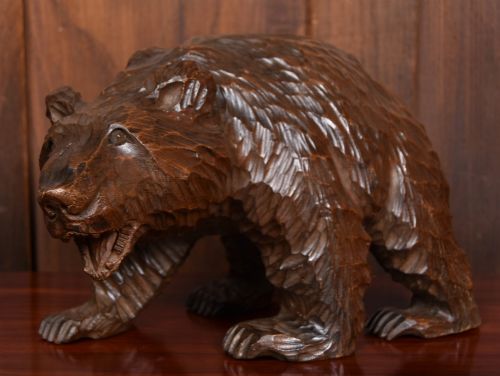
The style shifts according to origin, moving from Gothic and Baroque religious carvings to playful Japanese Kibori Kuma bears and Victorian animal studies. Each piece reflects the sculptural conventions of its period and regional workshop.
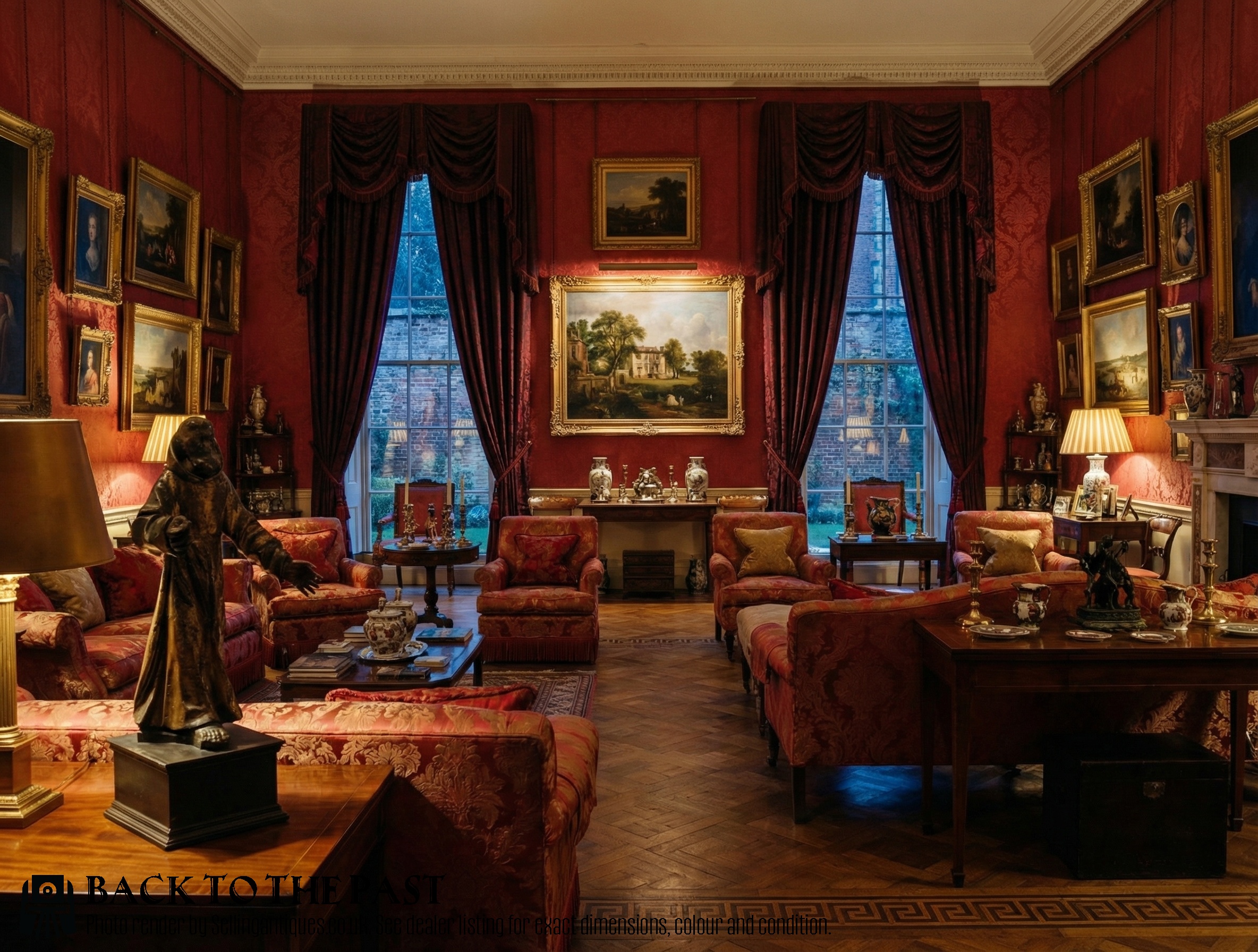
How They Were Made
Many works retained their natural grain with dark stains or wax finishes, while others received polychrome paint and gilding, particularly European ecclesiastical figures and folk art pieces. Hand tools created the faceted chisel marks visible beneath later surfaces.
Carved Timber Statue Retail Price Guide 2026
Typical asking prices for carved timber statue among the pieces listed under this phrase on Sellingantiques today, from the lower quarter to the upper quarter. They describe what is for sale here now, not the wider market.
Listings feature works spanning from the seventeenth century through the mid-twentieth century, including oak, walnut, and polychrome paint.
What Varies in Quality
Quality rests in the anatomical conviction of the carving and the decisiveness of the tool work across the wood. Superior pieces show confident depth and proportion, whereas lesser works remain stiff and unexpressive in the limbs.
The preservation of original surface treatments, whether polychrome paint or aged patinated timber, dictates the integrity of the object. Retaining untouched historical surfaces elevates the standing of any figure.
Valentino Besarel
The Carved Timber Statue Glossary
- Polychrome paint
- Decoration applied using multiple colours to wooden surfaces. This technique frequently appears on religious figures and folk art to render garments and flesh tones lifelike.
- Hardwood
- Timber derived from broad-leaved deciduous trees such as oak and walnut. These dense woods allowed carvers to execute intricate details that survived heavy use.
- Black Forest
- A nineteenth-century Swiss and German style defined by naturalistic animal carvings. Bears, deer, and owls formed the primary subjects of this regional school.
- Newel post finial
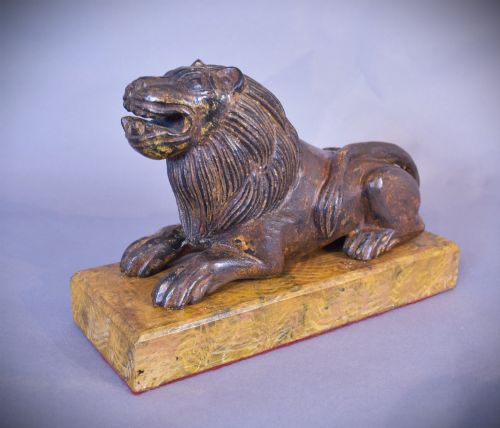
- An ornamental carving positioned at the top of a staircase post. These architectural elements often took the form of heraldic lions or figures.
- Folk art
- Objects created by self-taught makers working within traditional rural communities. These pieces prioritize expressive charm over academic proportion.
Carved Timber Statue: Frequently Asked Questions
How do I clean an antique wooden statue?
Dust the surface gently with a dry, soft-bristled brush to remove accumulated particles without disturbing the grain. Avoid liquid cleaners, modern polishes, or damp cloths, which can damage aged finishes and lift old paint or wax.
Keep the statue away from direct sunlight and radiators to prevent the timber from drying out and splitting over time. Stable indoor humidity protects both the wood and any surviving polychrome decoration.
Were these statues meant for display?
Many figures served specific functions, such as architectural finials, tradesmen's signs, religious altarpieces, or functional bookends. Others were created purely as decorative sculptures for domestic interiors.
Over time, surviving examples transitioned from active use or devotion into collectible works displayed on shelves and pedestals. Their original context often dictated how robustly the timber was chosen and carved.
How can I tell the age of the wood?
Examine the tool marks left behind by the carver, as hand-chiseled surfaces differ visibly from later machine-cut definitions. The presence of shrinkage cracks, historical worm holes, and dry patination beneath the finish helps indicate true age.
Comparing the sculptural style, such as Baroque drapery or Victorian realism, against documented periods narrows down the decade of production. Grain oxidation also deepens the tone of exposed timber across centuries.
What is Black Forest carving?
Black Forest carving refers to nineteenth-century wooden sculptures originating from Switzerland and Germany, famous for realistic depictions of forest animals. Bears acting as furniture, deer studies, and owls dominated the production of these skilled regional workshops.
These pieces were popular souvenirs for Victorian travellers touring Europe and remain distinct for their vigorous, textured fur rendering. They were typically carved from limewood or walnut.