


Spanish Baroque Sculpture
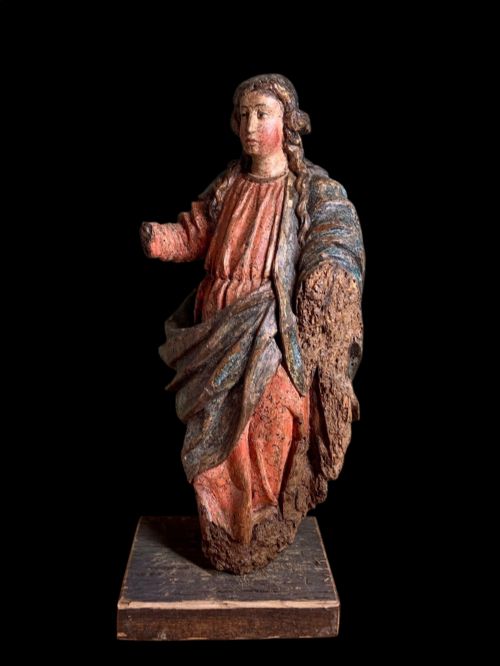
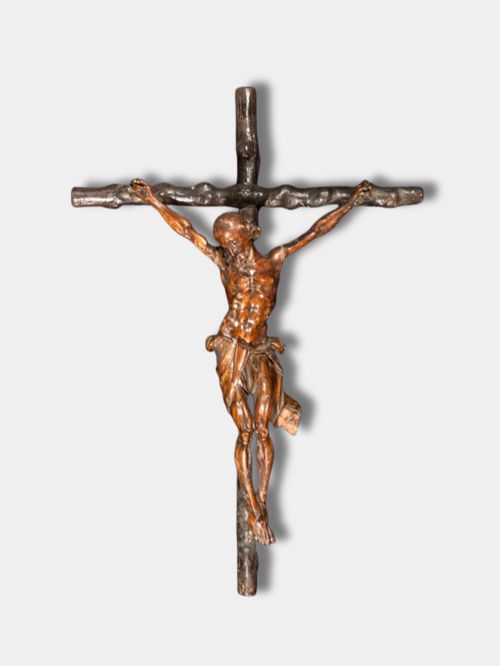
These spanish baroque sculpture pieces are intense religious carvings of saints and holy figures designed to inspire devotion through dramatic realism.
Spanish Baroque Sculpture
When you search for spanish baroque sculpture, you encounter carved wood religious figures originating from the seventeenth and eighteenth centuries. These works include figures of saints, corpus Christi crucifixes, and pietas created for personal devotion or church settings.
How they were made
Carved wood forms the base for these pieces, often utilising hardwood or general wood substrates shaped by hand. Artisans applied gesso over the timber to create a smooth ground for subsequent surface treatment.
Polychrome paint and gold leaf bring these sculptures to life through layered pigments and gilding. This combination of carved wood, polychrome, and gold creates the rich visual texture characteristic of the period.
St. Roche often arrives with his faithful dog, immortalised in wood alongside him.
What varies in quality
The sophistication of the wood carving determines the artistic success of each piece, distinguishing expressive facial details and fluid drapery from stiffer workmanship. Skill in anatomical rendering and character expression separates standard devotional objects from masterworks.
The preservation of the original polychrome paint and gold leaf surface dictates the visual impact of the sculpture. Intact layers of historical paint and gilding retain the intended theatricality of the baroque style.
The Spanish Baroque Sculpture Glossary
- Polychrome
- Painted in several colours. This surface treatment is fundamental to Spanish religious wood carving.
- Corpus Christi
- The body of Jesus depicted on a cross. These figures emphasise physical suffering and divine pathos.
- Gesso
- A plaster mix applied to wood as a base for paint and gold leaf. It creates a smooth white surface for fine detailing.
- Santos
- Devotional figures of saints. These carved wood sculptures served central roles in religious spaces and private shrines.
Spanish Baroque Sculpture: Frequently Asked Questions
What is spanish baroque sculpture?
These are carved wooden religious figures created during the seventeenth and eighteenth centuries in Spain and continental Europe. They capture intense emotional narratives through dramatic forms and painted surfaces.
Craftsmen shaped wood into saints, crucifixes, and holy busts intended to evoke deep religious devotion. The tradition relies heavily on realistic detailing and theatrical presentation.
How were these sculptures used?
Devotees used these figures in churches, private chapels, and domestic shrines to aid prayer and contemplation. Many pieces served as focal points for religious processions and liturgical rituals.
Some sculptures, such as corpus Christi figures and acolyte candlesticks, formed integral parts of church altars. Others functioned as portable shrines for personal worship.
How do I live with them?
Place these wooden sculptures in stable environments away from direct sunlight and dramatic temperature shifts to protect the delicate painted surfaces. Ensure they sit securely on sturdy furniture or secure wall mounts.
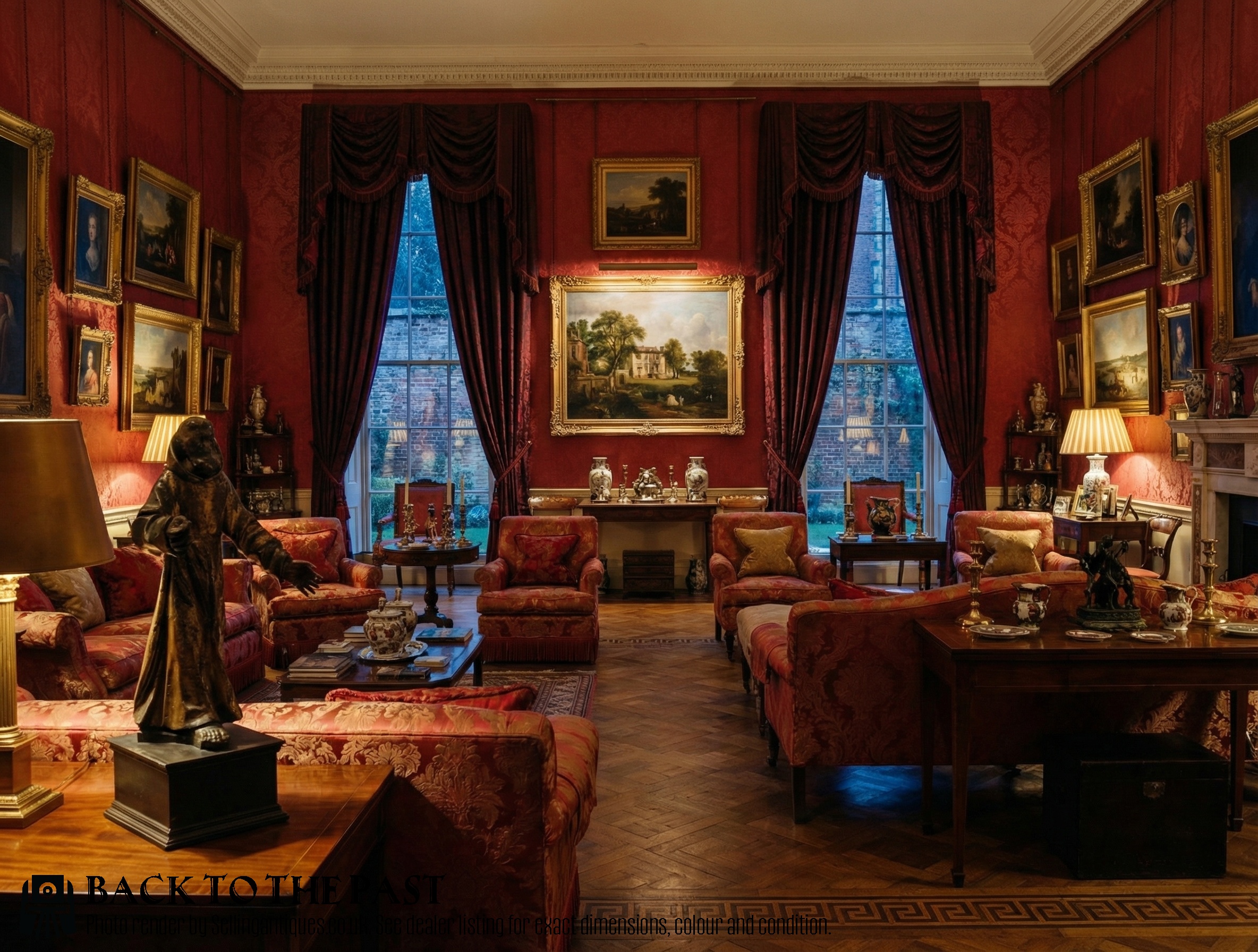
Allow these intense historical pieces space to breathe within a room so their dramatic presence can be appreciated. Pair them with simple surroundings to highlight their intricate carved details.
How do I tell periods apart?
Seventeenth-century pieces often display heavier proportions and deeply dramatic expressions characteristic of the early baroque movement. Eighteenth-century examples frequently incorporate lighter detailing and refined continental baroque influences.
Examine the style of the carving and the application of polychrome paint to gauge the era. Changes in costume representation and facial expression reflect the evolving artistic trends across these centuries.