

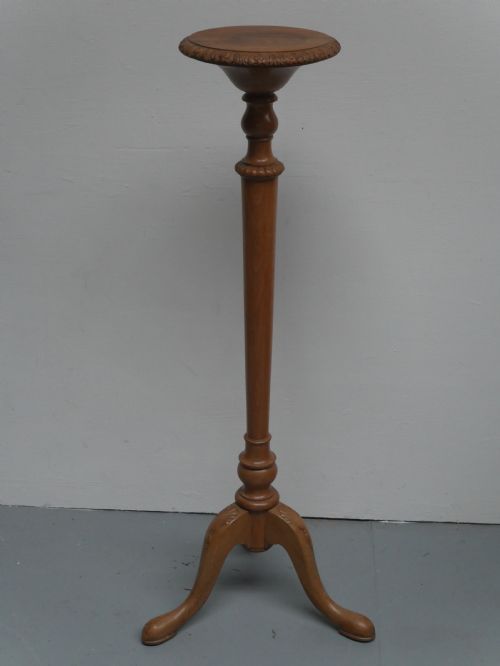
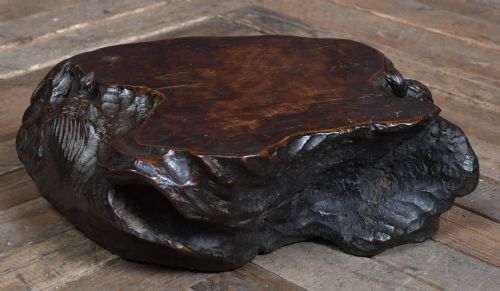
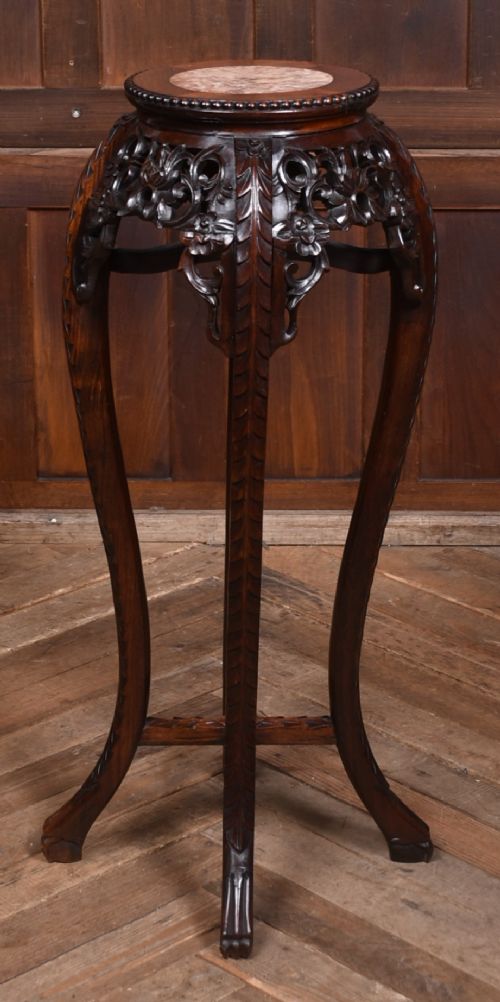


Carved Timber Pedestal Stand
A carved timber pedestal stand elevates a vase, bust or plant, bringing structural height and detailed woodwork into a room.
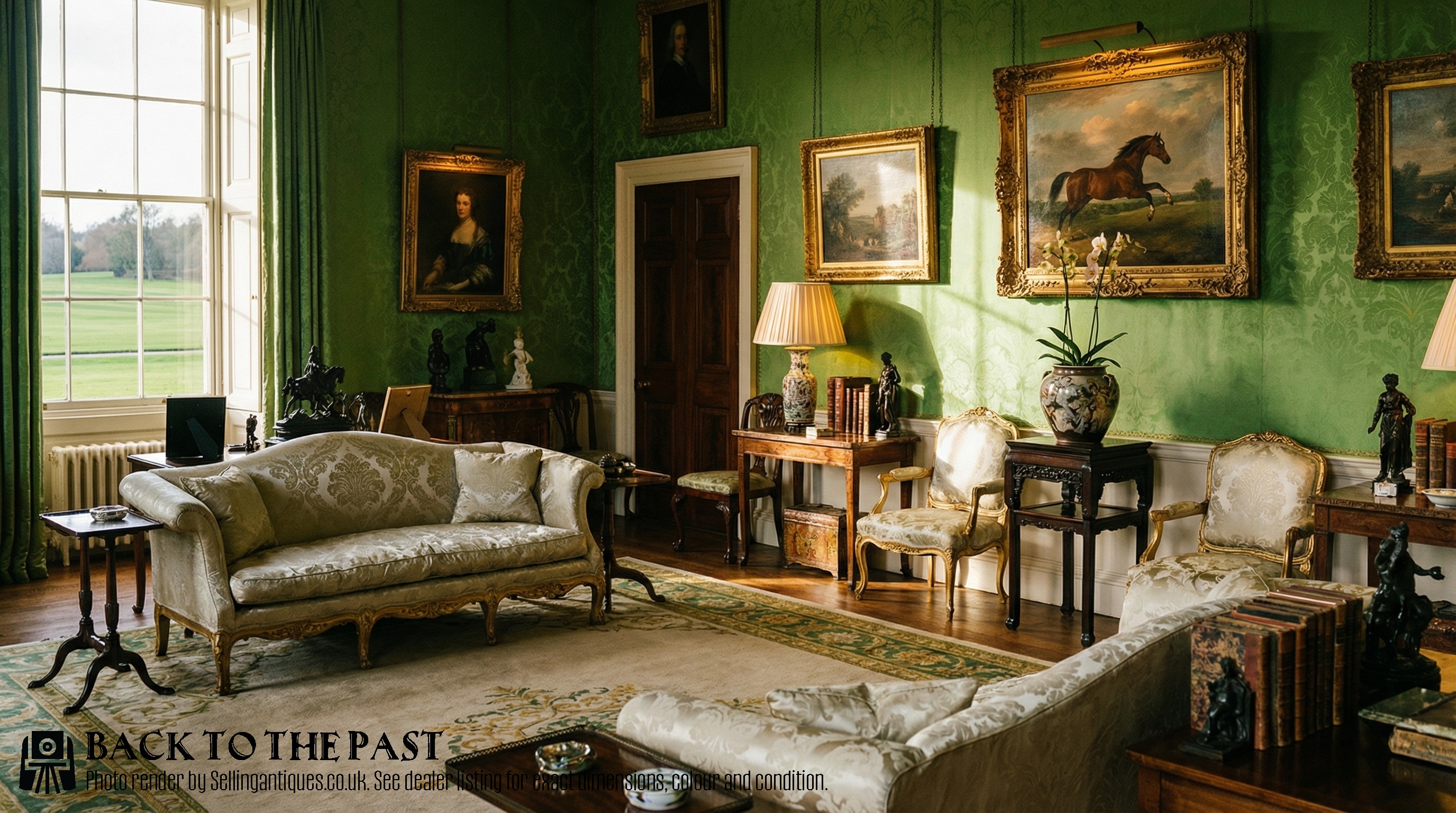
Carved Timber Pedestal Stand
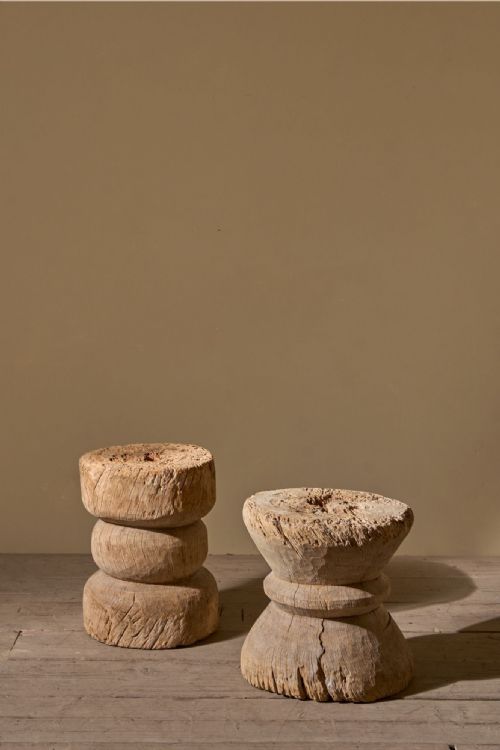
A carved timber pedestal stand serves multiple roles as a plant stand, torchiere, column or occasional table. These pieces emerge from the nineteenth century into the early twentieth century, spanning Victorian, Edwardian, Gothic Revival and Chinese export traditions.
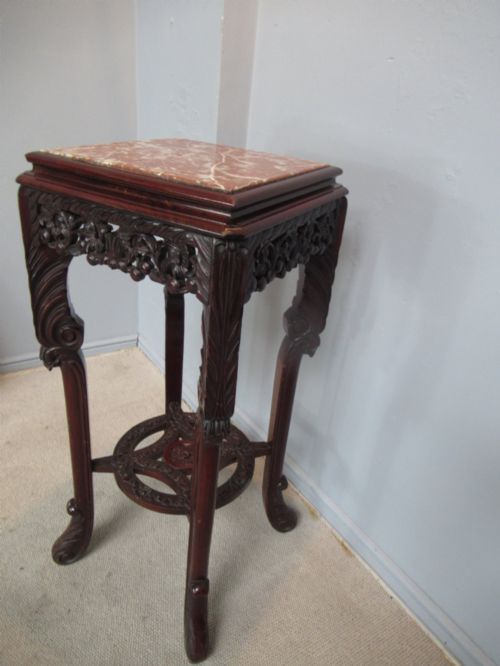
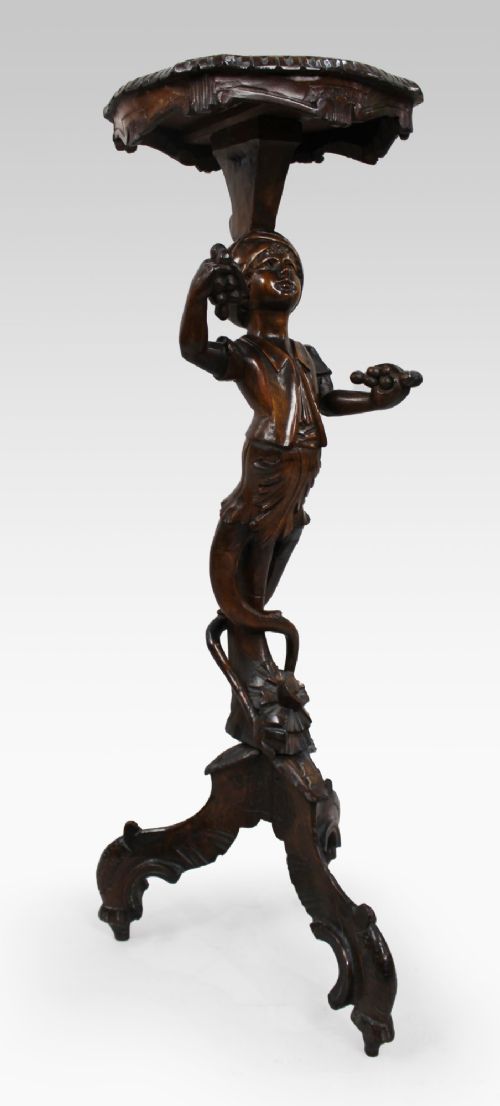
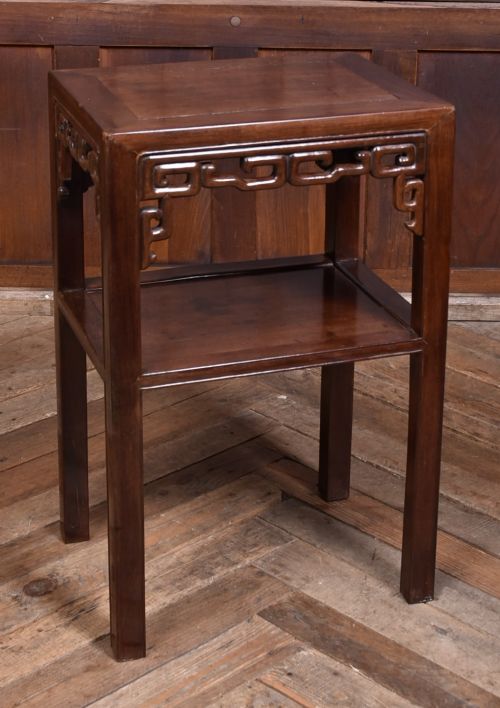
The selection here encompasses English country house furniture alongside Chinese Qing Dynasty huali hardwood tables and European figure stands. Forms range from simple fluted beech columns to figural Blackamoor and caryatid supports, as well as marble-topped jardiniere holders.
Buyers encounter regional variations including Japanese bonsai display stands, Indian stands and African tribal tables. Mahogany, walnut and oak dominate the European examples, whilst dense exotic hardwoods define the Asian pieces.
Materials and Construction
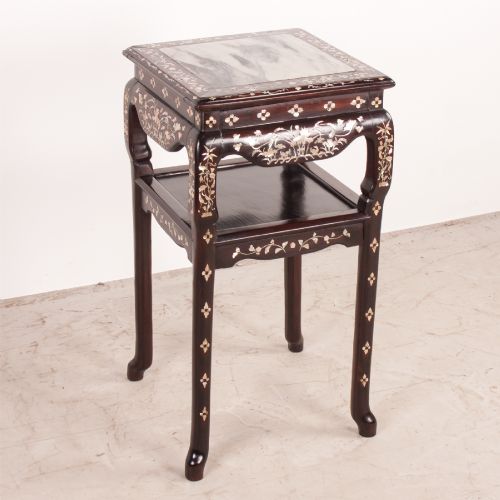
Craftsmen built these stands using a variety of timbers including mahogany, walnut, oak, birch, teak and huali hardwood, often pairing them with inset marble tops. Selected pieces incorporate organic detailing such as mother of pearl inlay or paint.
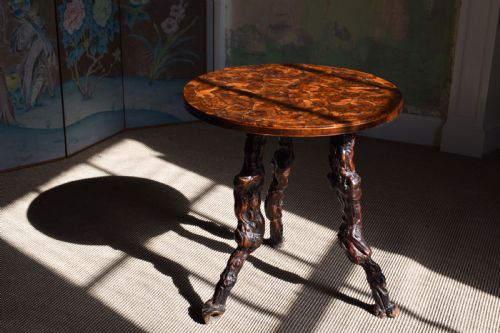
Construction relies on traditional joinery for columns, tripods and multi-tiered bases to support heavy stone urns and bronze figures safely. Carving techniques span crisp architectural fluting on beech and oak to deeply undercut figural sculptures and grape vine motifs in walnut.
One exceptional 19th-century pedestal includes a secret compartment hidden within its carved timber frame.
Craftsmanship and Proportion
Quality rests in the crispness and depth of the timber carving, distinguishing machine-finished edges from hand-chiseled sculptural details. Stands featuring figural elements or integrated marble tops demonstrate greater ambition and technical skill in the maker.
Proportion and stability dictate practical worth, as taller columns require sound weight distribution to support displays without tipping. The selection of timber grain, particularly in figured walnut and dense huali hardwood, elevates the visual presence of the finished stand.
The Carved Timber Pedestal Stand Glossary
- Torchere
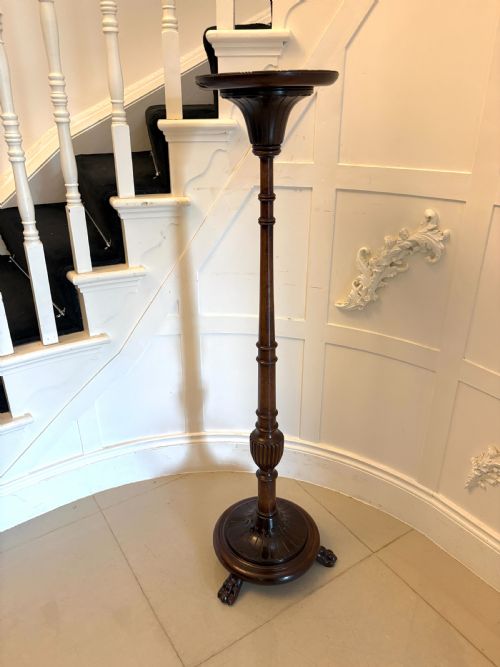
- A tall stand designed specifically to hold a light source, candle or small sculpture. These slender columns often feature elaborate carving along the shaft.
- Jardiniere stand
- A low or medium table built to support a heavy ceramic plant pot or flower bowl. They frequently incorporate water-resistant marble inserts to protect the timber surface.
- Huali hardwood
- A fragrant, dense Asian timber favoured for Chinese export furniture during the Qing Dynasty. It takes a fine polish and reveals rich grain patterns.
- Caryatid
- A sculpted female figure serving as an architectural support instead of a simple column. These structural pillars appear on nineteenth-century European pedestals.
- Pie crust
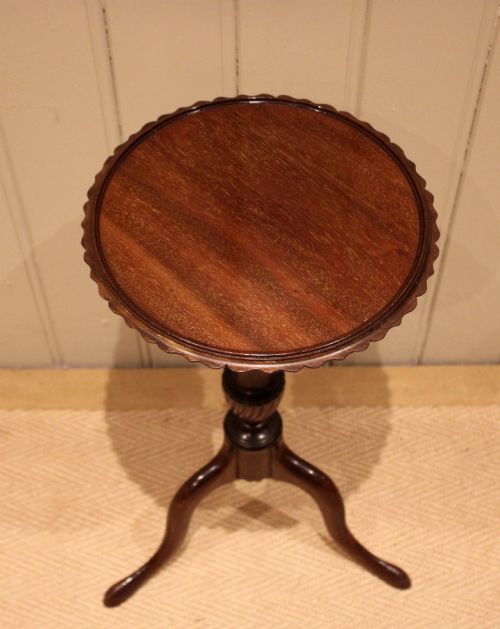
- A raised, carved decorative edge shaped around the perimeter of a round tabletop. This detail appears frequently on wine tables and occasional stands.
Carved Timber Pedestal Stand: Frequently Asked Questions
What is a carved timber pedestal stand used for?
These stands function primarily to display decorative objects, including porcelain vases, bronze busts, trailing plants and table lamps. Their height draws the eye upward and highlights specific items within a room.
Historically, they occupied corners and hallways of grand houses to showcase prized decorative arts. Today, they serve the same practical display purpose in domestic interiors.
How do I distinguish Chinese export stands from European ones?
Chinese export stands typically utilise dense Asian hardwoods such as huali, often incorporating inset marble tops, mother of pearl inlay or intricate pierced aprons. Their carving reflects traditional Qing Dynasty motifs rather than Western revival styles.
European examples rely on native timbers like mahogany, walnut and oak, following architectural movements such as Gothic Revival or Victorian design. Figural supports in European pieces frequently feature classical caryatids or Blackamoor figures.
Can these stands support heavy plants and statues?
Stands built with solid hardwood frames and stable base configurations easily support heavy items like large marble-topped planters or bronze sculptures. The presence of inset marble tops often indicates the original intention to hold damp plant pots.
Slender columns or tripod bases require careful placement to ensure stability on uneven floorboards. Heavier items benefit from central placement to maintain balance over the vertical support.
How do I date an antique pedestal stand?
Dating relies on identifying the prevailing timber choices, structural joinery methods and stylistic revival periods visible in the carving. Victorian and Edwardian pieces often display machine-assisted precision alongside hand finishing, whereas earlier nineteenth-century examples show entirely hand-wrought construction.
Comparing the decorative vocabulary, such as Gothic tracery or Qing Dynasty motifs, helps narrow the decade of production. Documentation or retailer records from the era also assist in confirming origin.