


Chinese Carved Incense Stand
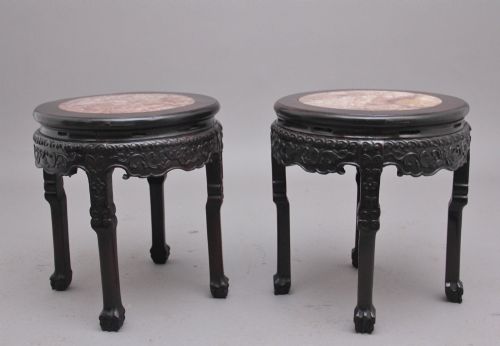
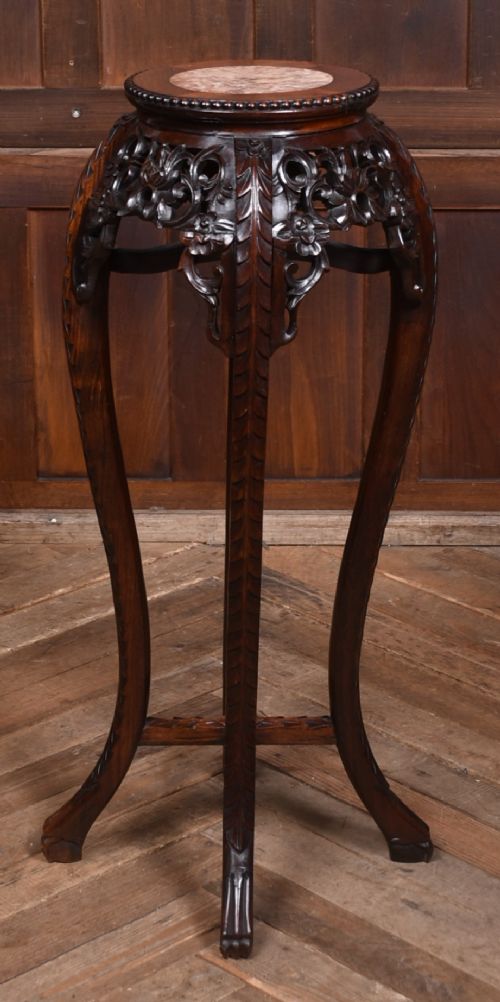
These Chinese carved incense stand examples bring tactile weight and rich timber grain to a room, offering elevated display surfaces for cherished objects.
Chinese Carved Incense Stand
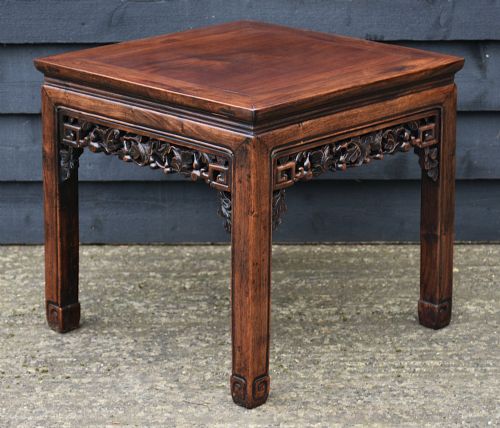
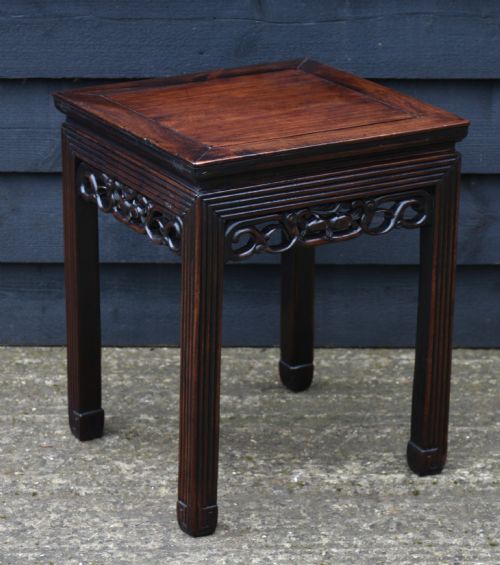
When you search for a Chinese carved incense stand, you encounter low tables, plant stands, occasional tables, stools, and pedestals designed for display. These forms originate across periods spanning the sixteenth century to the early twentieth century, including Victorian and Qing Dynasty aesthetics.
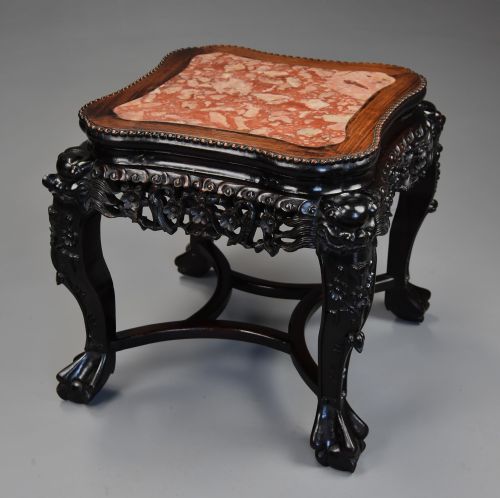
The version you are most likely to meet on this page is a nineteenth-century hardwood or huali wood stand featuring carved details and occasionally an inset marble top. These pieces serve equally well today as small side tables or pedestals for vases and burners.
How they were made
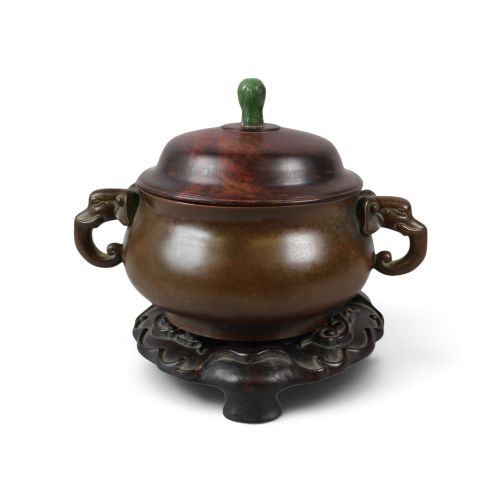
Joinery relies upon dense timbers such as rosewood, huali wood, and zitan wood, shaped by hand to create sturdy low tables and stands. Artisans also utilised cast bronze for associated censers, pairing metalwork with custom wooden bases.
Many examples incorporate inset marble panels into the wooden top, providing a cool, smooth surface that contrasts with the carved frames. Carved decoration draws upon Qing Dynasty and archaistic traditions, expressing detailed craftsmanship in wood and stone.
The inventory spans the sixteenth century through to the early twentieth century, encompassing Qing Dynasty and Victorian styles.
What varies in quality
The crispness of the carving and the depth of the timber grain determine the standing of each piece, distinguishing finely rendered foliage and geometric motifs from simpler work. The choice of material also plays a role, with dense woods like zitan and huali carrying particular weight and presence.
Integration of inset marble tops and custom stands for bronze censers alters the overall character of an object. Superior examples maintain structural harmony between the stand and any accompanying vessel, showing considered proportion throughout.
The Chinese Carved Incense Stand Glossary
- Huali wood
- A fragrant tropical hardwood prized for its striking grain, often utilised in Qing Dynasty tables and stands. It yields a rich surface when polished.
- Zitan wood
- An extremely dense and heavy dark timber from Asia, favoured for high-status furniture and stands. It ages to a deep, near-black tone.
- Archaistic
- A style that emulates ancient forms and decorative motifs from earlier dynasties, frequently seen in bronze censers and related vessels. This approach connects later pieces to historical ritual objects.
- Censer
- A vessel designed for burning incense, sometimes sold together with a custom carved hardwood stand. These pieces range from cast bronze to other traditional media.
Chinese Carved Incense Stand: Frequently Asked Questions
How were these stands originally used?
These pieces served to elevate incense burners, vases, and decorative objects within traditional interiors, providing a dedicated focal point for contemplation.
Over time, their refined proportions led to broader domestic use as occasional tables, plant stands, and small pedestals.
What woods do I find on this page?
The listings feature dense hardwoods including rosewood, huali wood, and zitan wood, chosen for their durability and rich grain.
Some pieces also incorporate contrasting marble inset panels within the wooden frames.
How do I date a Chinese carved stand?
Dating relies on stylistic markers from periods such as the Qing Dynasty, alongside the specific characteristics of the timber and joinery techniques.
Reference points span from sixteenth-century Ming examples through nineteenth-century Victorian eras up to early twentieth-century pieces.
Can these stands support heavy objects?
The dense hardwoods employed in their construction provide sturdy support for ceramic vases, bronze vessels, and decorative items.
Their solid construction makes them practical for everyday display surfaces in modern rooms.